Published: Saturday, August 22, 2026 · 8:55 AM | Updated: Saturday, August 22, 2026 · 8:55 AM
📊 166 views




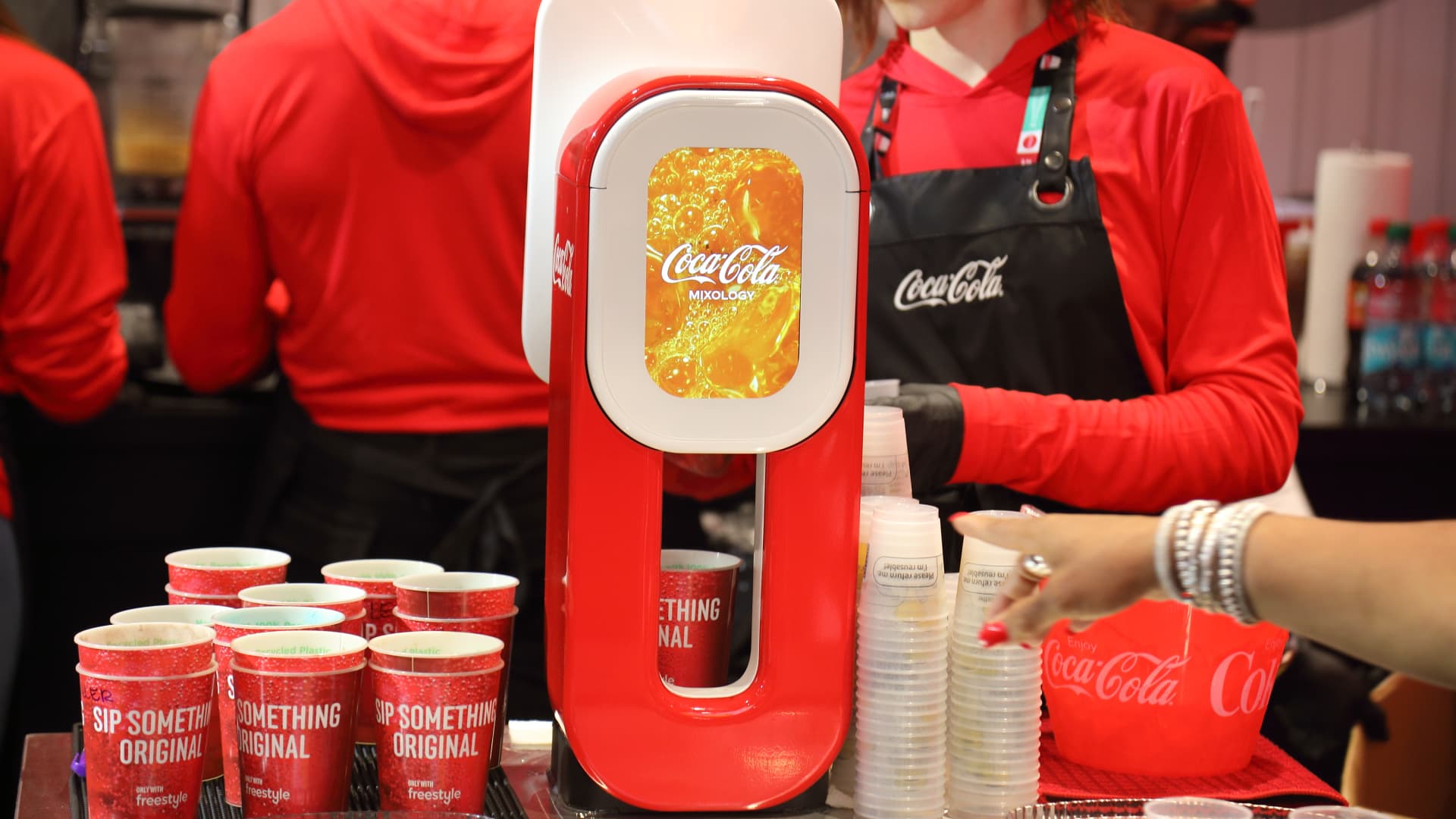
ATLANTA – Coca-Cola is discreetly expanding its beverage empire through a series of innovation labs, focusing on automated, customizable drinks to meet evolving consumer demands and bolster foodservice sales. This strategic pivot addresses the growing desire for personalized options, particularly from Gen Z, and aims to secure the company’s market leadership in a dynamic beverage landscape.
🗝️ Corporate Strategy Insights
- Dispensed Customization Expansion. Coca-Cola is evolving its Freestyle platform to include trending beverages like ‘dirty sodas’ and refreshers, alongside new, compact dispensing equipment to penetrate diverse foodservice venues.
- Data-Driven Product Development. Real-time consumption data from over 67 billion Freestyle servings informs new drink formulations and identifies market-ready flavors for broader retail launch, acting as a massive testing platform.
- Strategic Category Diversification. The company is developing white-label energy drinks and refreshers, targeting high-growth, non-carbonated segments and attracting new consumer demographics, such as female consumers for energy beverages.
At its secretive Atlanta facilities, Coca-Cola’s Innovation Labs are at the forefront of beverage automation. The company is actively developing advanced dispensing technology, including a dairy module for its Freestyle machines to automate ‘dirty sodas’—a popular combination of soda, flavored syrups, and cream. This move directly responds to shifting consumer preferences, particularly among Generation Z, who view beverages as more than just hydration, often seeking unique, customizable ‘treats’ at lower price points, as noted by Circana senior vice president David Portalatin.
Since its launch 17 years ago, Coca-Cola’s Freestyle dispenser has poured over 67 billion 8-ounce servings, generating invaluable real-time data. This data is critical for identifying trending flavors and informing new product launches, such as the limited-time Coca-Cola Orange Cream. The company’s vice president of dispensed equipment and innovation for North America, Megan Tallman, emphasizes Freestyle’s enduring relevance as the ‘largest testing platform out there’ for new beverage concepts. Beyond Freestyle, Coca-Cola is testing Micro Matic ‘mixology’ dispensers in partnership with AMC Theatres for brightly colored refreshers and iced coffee drinks, aiming to capture the market segment popularized by Starbucks’ $2 billion annual refresher sales.
Recognizing the need for adaptable solutions, Coca-Cola has also introduced the Freestyle Mini in Europe, a compact dispenser with 16 drink options, more than double a traditional soda gun’s capacity, aimed at bars and restaurants with limited space. This innovation underscores Coke’s commitment to operational efficiency for its partners, ensuring they can expand beverage offerings without significant infrastructural changes. The company’s efforts also extend to ‘The Vault,’ a collaboration hub where it works with major customers like Whataburger to co-develop new beverage lines, such as the ‘Whatafreshers.’
- Coca-Cola Freestyle data directly influences the development and launch of new flavors in grocery stores, validating market appeal before wider distribution.
- The dirty soda prototype is engineered to maintain its signature visual appeal, ensuring brand recognition and consumer engagement even in an automated format.
- Coca-Cola’s new white-label energy drink focuses on controlled consumption with a lower caffeine content, responding to growing health and safety concerns in the beverage industry.
Coca-Cola’s strategic expansion into customizable dispensed beverages and high-growth categories like energy drinks creates a significant ripple effect across the entire beverage and foodservice industries. By automating trendy drinks like dirty sodas and refreshers, Coca-Cola directly enhances its partners’ ability to drive traffic and increase profit margins, particularly as beverage servings continue to outpace food-only orders in restaurants. This proactive innovation puts pressure on competitors like PepsiCo and smaller specialized chains to accelerate their own R&D in customizable, on-demand beverage solutions.
For instance, McDonald’s expanding its McCafe menu to include refreshers and crafted sodas, including Coke’s Sprite and Hi-C, highlights the demand from major food service partners. However, McDonald’s recent partnership with privately-owned Red Bull for a new energizer, rather than a Coke-affiliated brand like Monster, signals potential shifts in long-standing vendor relationships and underscores the heightened competition in the energy drink sector. This necessitates Coca-Cola doubling down on its own white-label energy drink strategy, set for a 2027 launch, to mitigate competitive incursions and reinforce its position as a holistic beverage partner. For more insights on company strategy, visit StockXpo’s business analysis.
“Our job is to ensure that we’re providing unique experiences and beverages because it’s not a bonus now with consumers—it’s the norm, they expect it,” said Megan Tallman, Coke’s VP of dispensed equipment and innovation for North America, underscoring the imperative for continuous innovation in the beverage industry.
Key Beverage Market Indicators
- Sparkling Soft Drinks Volume: Represents 69% of Coca-Cola’s overall unit case volume, highlighting its enduring core business strength.
- Coca-Cola Brand Volume: Accounted for 47% of global and 42% of U.S. unit case volume in 2025, demonstrating the flagship brand’s continued dominance.
- Refreshers on National Menus: Found on 8.1% of national restaurant chain menus, indicating significant growth potential in this category.
- Starbucks Refreshers Sales: Approximately $2 billion in annual sales, serving as a benchmark for the market opportunity Coca-Cola is targeting.
- Coca-Cola White-Label Energy Drink Caffeine Content: 106 mg per 12-ounce serving, a deliberate moderation compared to some competitors, reflecting a strategic balance of energy and consumer safety.
Coca-Cola Competitive Advantages in Dispensed Beverages
Coca-Cola’s extensive innovation in dispensed beverages is rooted in several formidable competitive advantages. First, its unparalleled global distribution network, which includes deep, long-standing relationships with foodservice operators from fast-food giants to independent restaurants, provides an inherent advantage for deploying new equipment and products. This vast infrastructure allows for rapid market penetration and scale that few competitors can match. The company’s brand recognition, epitomized by its namesake soda, also lends significant credibility and consumer trust to its newer offerings.
Secondly, the data insights gleaned from its Freestyle dispensers represent a proprietary asset. With billions of servings tracked, Coca-Cola possesses a granular understanding of consumer preferences, flavor trends, and regional variations in real-time. This data-driven R&D capability allows the company to minimize risk in product development and launch highly targeted, market-responsive beverages. Finally, Coca-Cola’s financial might allows for significant investment in advanced R&D labs and strategic partnerships, consistently pushing the boundaries of beverage technology and formulation. To understand broader investment analysis, explore stock markets insights.
Coca-Cola Market Leadership in Customization
Coca-Cola is actively solidifying its market leadership through aggressive innovation in beverage customization. By anticipating and responding to shifts in consumer behavior, particularly the demand for personalized and experiential drinks, the company aims to maintain its dominant position in the food service sector and expand into emerging categories. The push for automated dirty sodas and refreshers directly addresses the ‘handcrafted’ trend that has seen significant growth, turning mass-market products into personalized experiences that resonate with younger demographics.
This strategy is critical not only for driving new sales but also for protecting existing market share. As restaurant chains expand their beverage menus, Coca-Cola must ensure it provides convenient, innovative options to its partners, or risk losing valuable tap real estate and volume to alternative suppliers or in-house creations. By offering white-label solutions, like premium lemonade and future energy drinks, Coca-Cola empowers its partners to create unique brand experiences while leveraging Coke’s R&D and supply chain. For further educational insights, check out the StockXpo blog.
Coca-Cola’s Strategic Refresh: Paving the Way for Future Palates
Coca-Cola’s aggressive push in its innovation labs signifies a forward-looking strategy to dominate the next generation of beverage consumption. By automating customization and tapping into high-growth segments like refreshers and energy drinks, the company is aiming to both protect its core sparkling business and capture new revenue streams. This ensures its foodservice partners can meet evolving consumer demands and boost their own profitability.
- The company’s data-driven R&D from Freestyle is a powerful asset for identifying and scaling popular new beverage concepts.
- Expanding into automated, customizable ‘treat’ beverages like dirty sodas directly targets Gen Z’s preference for experiential consumption.
- Strategic white-label partnerships and the development of specialized energy drinks underscore Coca-Cola’s intent to diversify its portfolio beyond traditional carbonated soft drinks.
Will Coca-Cola’s investment in automated, trend-driven beverages be enough to secure its dominance in an increasingly fragmented and preference-driven market?
### 📊 StockXpo Analyst’s View
Market Impact: Coca-Cola’s intensified focus on innovation and customizable beverages is likely to be viewed positively by investors, signaling resilience and adaptability in a challenging consumer landscape. This proactive strategy could strengthen its competitive moat, particularly in the foodservice sector, and potentially lead to an upward revision in long-term growth forecasts. While the McDonald’s Red Bull partnership introduces a competitive nuance, Coca-Cola’s broad innovation pipeline minimizes its singular impact, suggesting market liquidity will remain robust for KO shares, reflecting confidence in its strategic foresight.
Sector To Watch: The foodservice technology and beverage dispensing equipment sectors are poised for increased activity. As Coca-Cola and its rivals race to automate and customize drink offerings, companies specializing in smart dispensers, ingredient supply chains, and flavor modules stand to benefit. Additionally, the functional beverage segment, particularly customized energy drinks, is set for accelerated growth, making it a critical area for competitive observation and investment, as highlighted by reports from Reuters Business News.
Financial Disclaimer:
StockXpo.com is a financial news aggregator and educational portal, not a registered investment advisor or broker-dealer. All information, news, and analysis provided herein are strictly for educational purposes and do not constitute investment, financial, legal, or tax advice. Investing in the stock market involves high risks, and past performance is not indicative of future results. StockXpo will not be liable for any financial losses or investment damages. Always consult a certified financial advisor before making market decisions.
MORE IN INSIDE BUSINESS
Measles Resurgence: A Critical Warning for U.S. Public Health Strategy
Published: Tuesday, October 27, 2026 · 7:02 AM
Dollar General Overcharges Lawsuit: A Warning on Consumer Trust
Published: Monday, October 26, 2026 · 3:55 PM