Published: Friday, August 21, 2026 · 7:47 AM | Updated: Friday, August 21, 2026 · 7:47 AM
📊 108 views




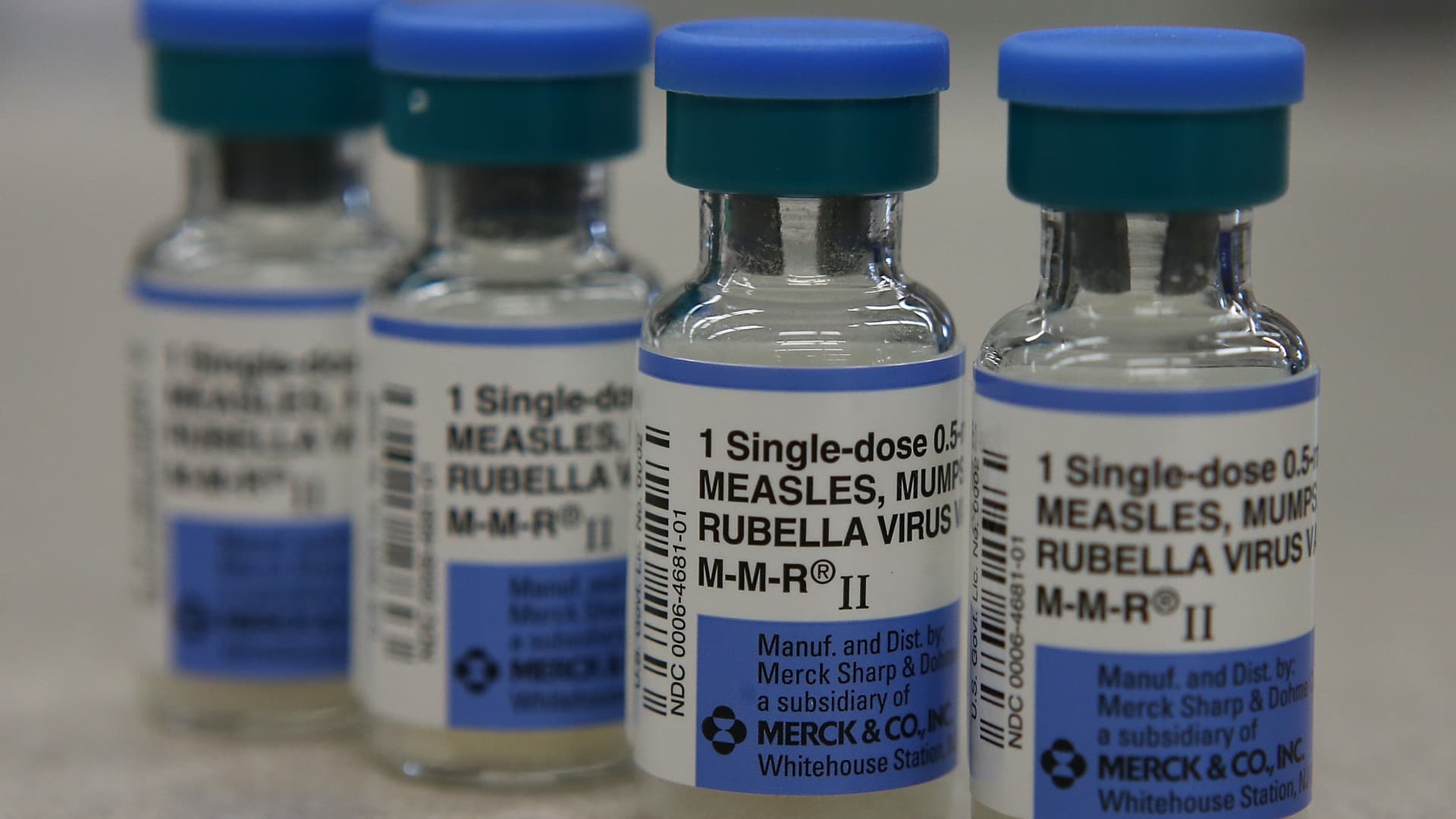
The growing phenomenon of vaccine uncertainty, rather than outright opposition, is presenting a formidable strategic challenge to public health systems and pharmaceutical companies across the United States. This nuanced shift in public sentiment, amplified by social media and political discourse, directly correlates with a concerning resurgence of preventable diseases like measles, demanding a re-evaluation of communication and operational strategies within the healthcare sector. Addressing vaccine uncertainty is now paramount for national health security and economic stability.
🗝️ Corporate Strategy Insights
- Evolving Public Sentiment Requires New Approaches. The core challenge is not anti-vaccine dogma but a broad middle ground of ‘uncertain’ individuals susceptible to conflicting information, complicating traditional public health messaging and necessitating innovative engagement.
- Operational Strain on Health Systems Escalates. Rising rates of vaccine-preventable illnesses place increased strain on healthcare infrastructure, impacting resource allocation and potentially diverting focus from other critical health initiatives, demanding improved efficiency.
- Reputational Risk for Pharmaceutical Innovators. Pharmaceutical companies face heightened scrutiny regarding vaccine safety and efficacy, necessitating robust, transparent communication strategies to maintain public trust and ensure product adoption, thereby safeguarding their market position.
The U.S. is currently grappling with a public health landscape increasingly shaped by confusion rather than firm opposition to vaccinations. A July survey by health policy research organization KFF indicated that fewer than 1 in 10 respondents definitively believed common vaccine myths. However, at least half of adults surveyed remained in a ‘gray area,’ considering claims as ‘probably true’ or ‘probably false.’ This significant ‘uncertain middle’ highlights that many Americans are not staunchly anti-vaccine but are simply overwhelmed by conflicting information, a dynamic Drew Altman, KFF CEO, describes as being ‘confused’ and ‘up for grabs.’
This climate of **vaccine uncertainty** is directly contributing to alarming public health trends. The Centers for Disease Control and Prevention (CDC) reports 2,566 confirmed measles cases and 38 new outbreaks across 47 U.S. jurisdictions this year, marking a 35-year high. Over 93% of these infected individuals were either unvaccinated or had an unknown vaccination status. Simultaneously, childhood vaccination rates for kindergartners have gently declined to about 92%, while nonmedical exemptions reached a record high of 4.2% during the 2025-2026 school year, affecting an estimated 155,000 children nationally.
Public health scientists like Jess Steier, founder of Unbiased Science, emphasize that vaccine hesitancy is complex, fueled by social media algorithms that amplify emotionally charged content and by political figures who spread scientifically inaccurate information. The former Trump administration, for instance, has linked the measles-mumps-rubella (MMR) vaccine to autism without evidence and advocated splitting the routine childhood immunization into separate shots. Health and Human Services Secretary Robert F. Kennedy Jr. has also contributed to this skepticism, despite claiming not to be ‘anti-vaccine.’ This confluence of factors creates a challenging environment for traditional healthcare providers to convey clear, evidence-based information, forcing them to rethink their engagement strategies to rebuild trust and effectively address public questions.
The diverse motivations behind vaccine hesitancy underscore the complexity of the challenge:
- The ‘Lost’: Individuals confused by conflicting information, unsure whom to trust.
- The ‘Anxious’: Those primarily concerned about potential side effects.
- The ‘Naturalists’: People who favor natural immunity and are skeptical of medical interventions.
- The ‘Distrusters’: Individuals suspicious of institutions like government, medicine, and pharmaceutical companies.
- The ‘Shruggers’: Not opposed, but do not view vaccines as a priority or necessary.
These categories highlight that a one-size-fits-all communication approach is ineffective. Dr. Lori Handy of the Children’s Hospital of Philadelphia notes that individuals rarely fit neatly into one bucket, as factors like social influences, religious beliefs, and access to care all intertwine. The ongoing debate around vaccine safety, dating back to a retracted publication linking MMR to autism, continues to fuel parental skepticism, exacerbated by political rhetoric that contradicts established medical consensus. This partisan politicization of vaccine science has made it increasingly difficult for the American public to discern trustworthy health information.
The widespread **vaccine uncertainty** creates a multi-layered ripple effect across the public health and economic landscape. A direct consequence is the decline in community immunity, leading to the resurgence of highly contagious diseases such as measles. This then escalates healthcare utilization, increasing costs for emergency care, contact tracing, and outbreak management, placing significant financial strain on public health budgets and hospital systems. For pharmaceutical companies, this translates to an unpredictable market demand for certain vaccines, alongside an urgent need for enhanced research into more effective communication and public engagement strategies. Competitors within the health information space, particularly social media platforms, indirectly benefit from this fragmentation of trust, highlighting a systemic challenge in authoritative health communication, as observed by financial analysts tracking global financial markets.
‘The biggest challenge for public health officials is not widespread anti-vaccine sentiment but the large, uncertain middle ground of Americans who are confused and don’t know who or what to believe. Rebuilding trust through clear, evidence-based information and engaging dialogue is paramount.’
Public health experts advocate for a strategic shift from paternalistic lecturing to empathetic listening, aiming to understand the root causes of hesitancy. This approach involves acknowledging popular information sources, such as TikTok, and guiding individuals to compare them with credible medical evidence. Vaccines, paradoxically, have become victims of their own success; the long absence of diseases like measles means many parents underestimate the threat, perceiving the vaccine’s risk as higher than the disease itself. This perception requires a renewed effort to educate the public on current risk profiles, fostering informed decisions and safeguarding community health.
Key indicators highlighting the escalating public health challenge:
- U.S. Measles Cases (2026): 2,566 confirmed cases and 38 new outbreaks across 47 jurisdictions, representing a 35-year high. This indicator underscores the immediate public health crisis stemming from declining vaccination rates.
- Childhood Vaccination Rates (Kindergartners): Approximately 92% coverage, a post-pandemic decline reported by the CDC. This slight dip, while seemingly small, significantly erodes herd immunity thresholds for highly contagious diseases, jeopardizing community protection.
- Nonmedical Vaccine Exemptions (2025-2026): Reached a record high of 4.2%, affecting an estimated 155,000 children. This metric highlights a growing challenge in school-entry requirements and community protection, impacting company strategy for health insurers.
Public Health Communication: Rebuilding Trust in a Fragmented Landscape
To counteract the rising tide of vaccine uncertainty, public health organizations must strategically overhaul their communication frameworks. Traditional top-down directives are proving insufficient against the dynamic, often emotionally charged narratives prevalent on social media. A more granular, community-centric approach is essential, focusing on tailored messaging delivered through trusted local healthcare providers. This involves equipping frontline workers with resources to engage in empathetic conversations, addressing specific fears and misinformation rather than broadly dismissing concerns. Investment in digital literacy programs that empower individuals to critically evaluate online health information could also be a vital long-term component of this strategy, influencing public perception and potentially shaping educational insights for public health professionals.
Pharmaceutical Sector: Adapting to Evolving Public Perception
For pharmaceutical companies, the landscape of vaccine uncertainty presents both challenges and opportunities. While declining vaccination rates for established products could impact revenue, there is an increased impetus to innovate in product development and public engagement. This includes transparently communicating the rigorous science behind vaccine development, safety trials, and long-term efficacy. Strategic partnerships with public health bodies and academic institutions can bolster credibility. Furthermore, companies may need to explore decentralized models for vaccine distribution and administration to improve access and reduce perceived barriers. The shifting public sentiment necessitates a proactive stance on corporate social responsibility and a commitment to combating misinformation, safeguarding future market opportunities and brand reputation, as discussed on Reuters business news.
Navigating Vaccine Uncertainty: A Looming Public Health and Economic Reckoning
The nuanced challenge of vaccine uncertainty, rather than outright opposition, is rapidly becoming the defining public health crisis of the decade. This shift demands a radical rethink of how health authorities, governments, and pharmaceutical companies engage with a public overwhelmed by conflicting information and eroding trust.
- The U.S. faces escalating outbreaks of preventable diseases, signaling a severe weakening of community immunity and increased healthcare costs.
- Healthcare systems must prioritize re-establishing trust through empathetic, evidence-based communication, moving away from purely paternalistic approaches.
- Pharmaceutical companies need to strategically invest in transparency and public education to counter misinformation and protect long-term market stability.
How will stakeholders collectively innovate to bridge this trust deficit and safeguard public health for future generations?
📊 StockXpo Analyst’s View
Market Impact: The persistent vaccine uncertainty presents a notable headwind for pharmaceutical companies reliant on routine immunizations, potentially impacting sales volumes and investor confidence in the vaccine segment. Conversely, it could spur innovation in public health communication technology and specialized medical education platforms, attracting investment into these ancillary services.
Sector To Watch: The Public Health and Biodefense sectors will be critical, as governments increasingly fund initiatives to combat misinformation and bolster immunization infrastructure. This could also drive demand for diagnostic testing and emergency response services as outbreaks become more prevalent, shifting capital towards preparedness and rapid intervention.
Financial Disclaimer:
StockXpo.com is a financial news aggregator and educational portal, not a registered investment advisor or broker-dealer. All information, news, and analysis provided herein are strictly for educational purposes and do not constitute investment, financial, legal, or tax advice. Investing in the stock market involves high risks, and past performance is not indicative of future results. StockXpo will not be liable for any financial losses or investment damages. Always consult a certified financial advisor before making market decisions.
MORE IN INSIDE BUSINESS
Wonder’s Ambitious Strategy: Texas Expansion, Automation, and an IPO Path
Published: Sunday, October 25, 2026 · 9:32 AM

Young Airplane Scrapping: A $17 Million Engine Crisis Reshaping Aviation
Published: Saturday, October 24, 2026 · 8:26 AM