Published: Wednesday, August 19, 2026 · 7:00 AM | Updated: Wednesday, August 19, 2026 · 7:00 AM
📊 67 views




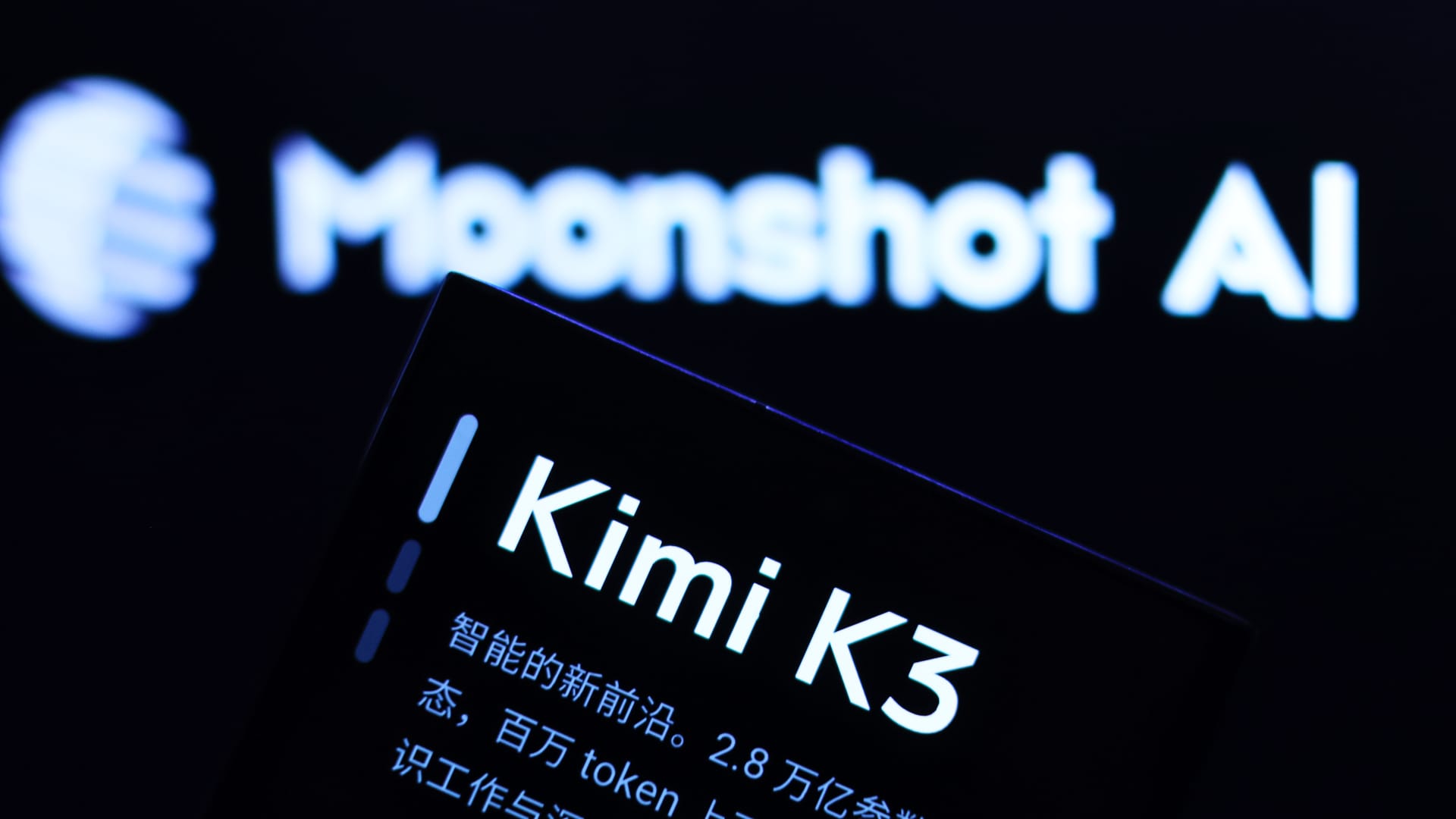
The U.S. continues to leverage its dominance in advanced semiconductor technology, particularly with high-performance Nvidia chips, as a critical tool in the escalating AI race with China. However, recent developments reveal a significant loophole in export controls, allowing Chinese firms to access powerful compute capabilities remotely, thereby challenging Washington’s strategic advantage.
🚀 Tech Strategy & Market Disruptions
- Geopolitical Tech Control. U.S. restrictions on advanced Nvidia chips aim to limit China’s progress in frontier AI development, asserting technological superiority.
- Cloud Compute Arbitrage. Chinese firms circumvent direct hardware bans by accessing Nvidia’s compute power via overseas data centers, exploiting a critical loophole in current export regulations.
- Regulatory Evolution & Compliance. Proposed legislation, the Remote Access Security Act (RASA), seeks to expand U.S. export controls to include remote cloud-based access, significantly impacting global cloud providers.
Chinese AI developers, including prominent firms like Moonshot AI, DeepSeek, and Alibaba, have demonstrated remarkable leaps in performance, fueling concerns in Washington. A key factor in this rapid advancement is reportedly the remote access to cutting-edge Nvidia chips, such as the GB300s, often through data centers located in Southeast Asian nations like Thailand, Malaysia, and Japan. This strategy effectively sidesteps existing U.S. export controls, which primarily target the physical ownership and shipment of advanced semiconductors to China.
Experts like Cassia King, a senior researcher at the Institute for AI Policy and Strategy, highlight that current U.S. export regimes control ‘physical AI chips’ but do not explicitly cover ‘remote access to those chips.’ This legal distinction has enabled Chinese hyperscalers, including ByteDance and Tencent, to reportedly engage with cloud providers like Singapore-headquartered Aolani to access compute power in regions such as Malaysia. Aolani, for its part, states its services are fully compliant with applicable regulations, emphasizing that customers do not have ownership or physical access to the underlying hardware.
The burgeoning demand for advanced compute in Southeast Asia is leading to a significant buildout of AI infrastructure. According to JLL estimates, global data center capacity is projected to roughly double to 200GW by 2030. This growth is particularly pronounced in Southeast Asia, with DC Byte reporting 31 planned 100MW+ data centers across Malaysia, Indonesia, and Thailand, a stark increase from just two currently.
- Key Beneficiaries of Compute Access: Moonshot AI (Kimi K3), DeepSeek, Alibaba, ByteDance, Tencent.
- Circumvention Hubs: Data centers in Thailand, Malaysia, Japan, facilitating remote compute access.
- Specific Nvidia Chips Targeted: GB300s, among other advanced models under U.S. export restrictions.
The disruption flow is clear: U.S. export bans on physical Nvidia chips have inadvertently accelerated the demand for, and development of, distributed compute access models. This has allowed Chinese AI developers to continue their rapid advancement, necessitating a re-evaluation of existing regulatory frameworks. The consequence is a potential expansion of export controls that could impose significant compliance burdens on global cloud providers, reshaping the landscape of international technology trade and digital sovereignty. Such regulatory shifts could dramatically alter existing emerging technologies market dynamics.
“The point of chip export controls is to deny China the ability to train frontier AI using advanced U.S. chips,” noted Michelle Nie, a visiting fellow at the Center for a New American Security. “This loophole is threatening U.S. national security.” This statement underscores the core strategic imperative driving Washington’s actions.
As the U.S. seeks to close this loophole, new legislative efforts are underway.
Global Data Center Capacity & Growth:
- JLL Estimate (2030): Global data center capacity could double to 200GW.
- Planned Southeast Asia Data Centers (100MW+): 31 (Malaysia, Indonesia, Thailand), up from 2 currently (DC Byte data).
Nvidia’s Ecosystem Expansion Potential
Nvidia’s strategic position in the global AI landscape extends beyond direct chip sales. As nations implement stricter export controls, the company’s ecosystem of software, platforms, and research partnerships becomes increasingly vital. While hardware sales to restricted regions are impacted, the burgeoning demand for AI compute globally means Nvidia’s influence can still expand through indirect channels, licensed technologies, and partnerships in compliant markets. This necessitates a flexible and adaptive business model, prioritizing innovation that can thrive even amidst geopolitical headwinds. The ability to foster an open, yet compliant, AI development environment becomes paramount for maintaining leadership in technology market trends.
Cloud Provider Security & Infrastructure Strength
Cloud providers operating in regions like Southeast Asia are now at the forefront of a geopolitical battleground. Their infrastructure strength, encompassing robust data center capacity and low-latency networks, is critical for supporting the remote compute demands of AI training. However, the proposed Remote Access Security Act (RASA) introduces complex compliance challenges. Providers will face increased pressure to implement stringent Know-Your-Customer (KYC) and customer verification requirements to ensure adherence to U.S. export controls. This places a significant burden on their operational security and due diligence processes, forcing substantial investments in legal and technical compliance to avoid potential penalties and maintain trust with their global and diversified customer bases. Such developments could be tracked through global technology news.
The Future of Nvidia Chips: Navigating Global AI Geopolitics
Efforts to plug the remote access loophole, notably through the proposed Remote Access Security Act (RASA), signify a profound shift in how the U.S. intends to regulate advanced technology. While RASA passed the House, its passage through the Senate and subsequent implementation of specific rules by the Bureau of Industry and Security (BIS) will face industry pushback due to anticipated compliance burdens on cloud providers. The challenge lies not just in passing legislation, but in crafting an effective and enforceable rule that defines covered compute, prohibited entities, and a robust verification scheme, all while avoiding unintended economic repercussions.
- The Remote Access Security Act (RASA) aims to broaden export controls to cover remote cloud access to critical hardware and software.
- Implementation hurdles include industry pushback due to significant compliance costs and the complexity of creating enforceable rules.
- The regulatory landscape for AI compute is evolving rapidly, impacting global cloud providers and their client relationships.
How will this tightening regulatory environment reshape global AI development and investment flows in the coming years?
📊 StockXpo Analyst’s View
Market Impact: The intensified U.S. focus on closing the remote access loophole for Nvidia chips injects a new layer of geopolitical risk into the semiconductor and cloud computing sectors. While Nvidia’s core business remains strong, regulatory uncertainty could introduce volatility. Investors may see a short-term dampening of enthusiasm for cloud providers heavily reliant on international clients, especially those with significant operations in Southeast Asia. Conversely, companies developing secure, compliant AI hardware or alternative compute solutions might see increased interest as firms seek to de-risk their supply chains and operational models. This ongoing regulatory friction is a critical factor for financial market stability, influencing investor sentiment towards tech giants and international trade policies, as reported by critical tech policy discussions.
Sector To Watch: The cloud infrastructure and data center sector in Southeast Asia is poised for significant regulatory scrutiny and potential re-alignment. Companies providing AI-as-a-service or high-performance computing (HPC) solutions will need to prioritize compliance, potentially leading to increased operational costs or market segmentation. Additionally, companies specializing in digital identity verification and compliance technologies, crucial for implementing ‘know-your-customer’ protocols in remote compute access, could experience a surge in demand. This trend will likely be a frequent subject in educational tech insights and broader market analysis.
Financial Disclaimer:
StockXpo.com is a financial news aggregator and educational portal, not a registered investment advisor or broker-dealer. All information, news, and analysis provided herein are strictly for educational purposes and do not constitute investment, financial, legal, or tax advice. Investing in the stock market involves high risks, and past performance is not indicative of future results. StockXpo will not be liable for any financial losses or investment damages. Always consult a certified financial advisor before making market decisions.
MORE IN INSIDE TECHNOLOGY

Starlink India: Regulatory Hurdles and Innovation-Driven Growth Risks
Published: Friday, October 9, 2026 · 12:48 AM

Starlink Launch: India’s Digital Transformation Faces Regulatory Risk
Published: Thursday, October 8, 2026 · 1:51 AM