Published: Tuesday, August 4, 2026 · 4:04 PM | Updated: Tuesday, August 4, 2026 · 4:04 PM
📊 101 views




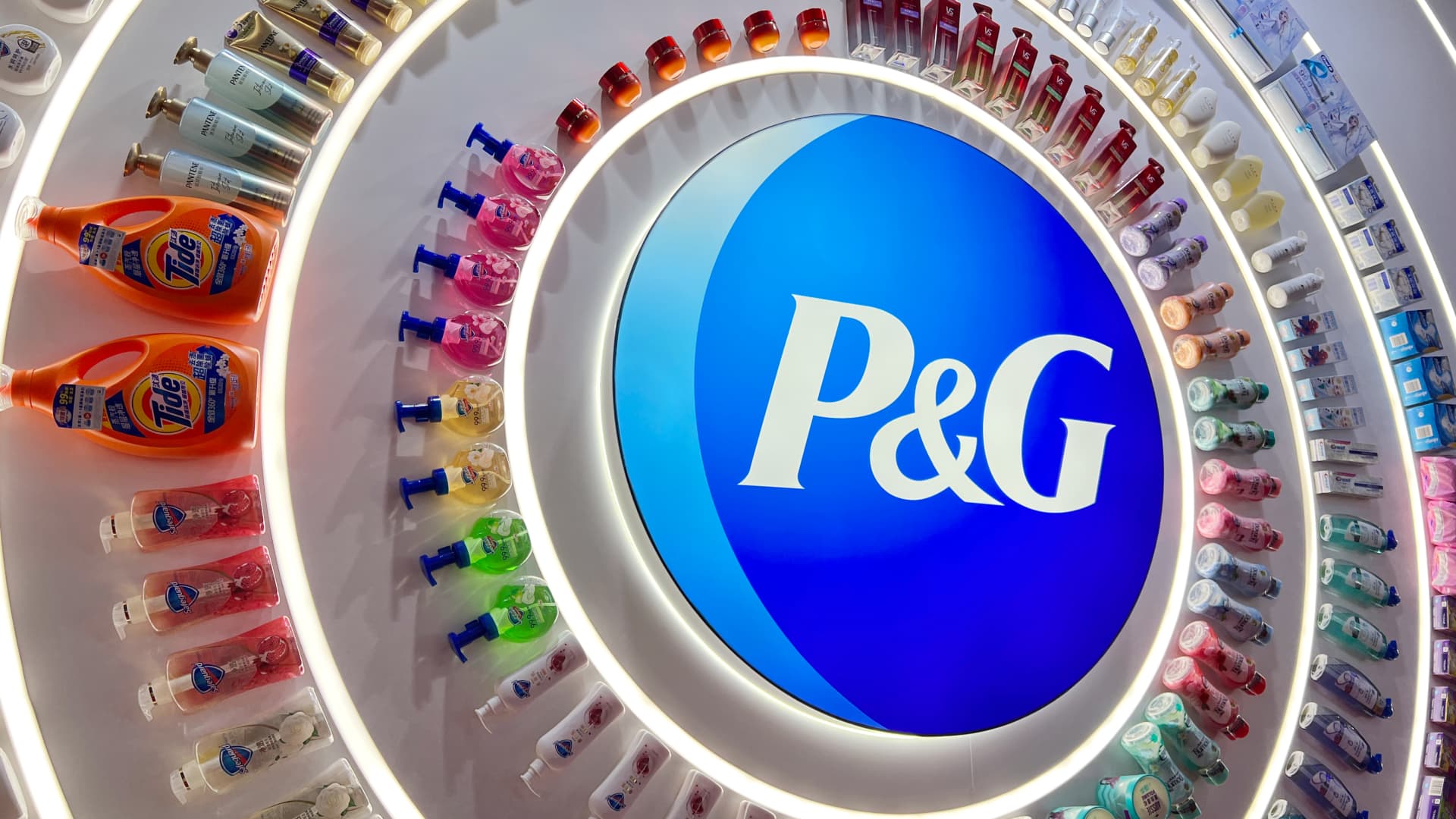
Procter & Gamble’s $3.8 billion acquisition of supplement brand Thorne marks a decisive move to reinvigorate its healthcare division and capture a younger, health-conscious demographic. This strategic investment underscores a broader industry pivot by consumer goods giants towards premium, direct-to-consumer wellness brands, aiming to offset slower growth in traditional segments.
🗝️ Corporate Strategy Insights
- Targeting Premium Growth. P&G is expanding beyond its established healthcare brands like Metamucil by integrating Thorne, a high-growth player in the specialized supplement market.
- Youth & DTC Market Penetration. The acquisition primarily focuses on Thorne’s strong appeal to consumers under 40 and its successful direct-to-consumer sales model, key areas for future market expansion.
- Addressing Volume Stagnation. This move directly confronts P&G’s recent flat volume growth and underperforming healthcare segment, injecting new dynamism into its portfolio.
Procter & Gamble (NYSE: PG), a formidable global consumer goods entity, has announced its intent to acquire Thorne, a prominent supplement brand, for $3.8 billion. This significant investment, as confirmed by CEO Shailesh Jejurikar to CNBC, highlights P&G’s aggressive pursuit of growth within the burgeoning health and wellness sector. The P&G Thorne Acquisition is poised to diversify its existing healthcare portfolio, which includes brands like Align Probiotic and New Chapter vitamins, alongside Oral-B and Vicks.
Thorne, established in 1984, has demonstrated remarkable financial trajectory. It went public in late 2021 with a valuation of $525 million, was later taken private by L Catterton in 2023 for $680 million, and now commands a substantial $3.8 billion from P&G. This escalating valuation underscores the immense perceived potential and robust demand within the dietary supplement market. Thorne’s reported annual revenue surpassed $500 million in 2025, a testament to its operational efficiency and market acceptance. For deeper educational insights into M&A trends, such valuations often reflect a premium for brand equity and future scalability.
A crucial factor attracting P&G is Thorne’s strong direct-to-consumer (DTC) sales channel and its primary demographic of shoppers under 40. These elements align with P&G’s strategic objective of owning ‘relevant, premium brands’ that resonate with younger consumers, especially in light of the company’s recent flat volume and a struggling healthcare segment in its latest quarterly results. The broader market environment supports such strategic moves, with a surge in popularity for vitamins and supplements as consumers increasingly seek products for everything from sleep improvement to enhanced energy levels. This trend has also been amplified by public figures and health movements, further fueling demand.
- The consumer shift towards preventative health and personalized nutrition is accelerating, creating fertile ground for specialized supplement brands.
- The success of DTC models is proving essential for reaching modern consumers directly and building strong brand loyalty.
- Competitive activity, such as Unilever’s acquisition of Grüns, signals a broader industry recognition of this market’s growth potential.
The Strategic Ripple Effect of P&G’s New Bet
The global markets will undoubtedly view P&G’s acquisition of Thorne as a significant move to strengthen its Health & Wellness division. This proactive capital allocation aims to target a younger, health-conscious demographic, leveraging Thorne’s direct-to-consumer sales prowess. The direct consequence is an expected diversification of P&G’s revenue streams and a reinforced position in the evolving consumer health landscape. This strategic pivot will inevitably pressure competitors, including diversified consumer health players like Johnson & Johnson or Bayer, to reconsider their own portfolios. They may look to innovate internally or pursue similar high-growth, niche acquisitions to secure or expand their business trends and market share in the rapidly expanding premium supplement space.
“P&G’s move for Thorne isn’t merely an acquisition; it’s a strategic declaration on where future consumer health growth lies: premium, targeted, and direct-to-consumer offerings that appeal to a younger, more discerning demographic.”
Key Financial Indicators Driving the Deal
- Thorne’s Valuation Growth:
- 2021 IPO Valuation: $525 million (Indicated initial market interest).
- 2023 Private Acquisition (L Catterton): $680 million (Showed increasing private equity confidence).
- P&G Acquisition (2026): $3.8 billion (Highlights significant strategic value and market premium paid by P&G).
- Thorne’s Annual Revenue (2025): Exceeded $500 million (Demonstrates substantial operational scale and impressive growth trajectory prior to the acquisition, making it an attractive target).
Procter & Gamble’s Strategic Analysis
P&G’s long-standing success stems from its adeptness at acquiring and nurturing consumer brands. The Thorne acquisition continues this pattern, signaling a clear shift towards identifying high-growth adjacencies. The $3.8 billion valuation, particularly for a brand with over $500 million in revenue in 2025, suggests P&G’s strong conviction in Thorne’s brand equity, innovation pipeline, and immense future scalability. This approach allows the consumer goods giant to leverage its expansive distribution and marketing capabilities while simultaneously benefiting from Thorne’s agile, direct-to-consumer market engagement. This is a crucial aspect of company strategy in today’s dynamic consumer landscape.
Thorne’s Competitive Advantages That Attracted P&G
Thorne carved out a significant niche through its commitment to science-backed formulations, fostering robust brand loyalty, particularly among its younger user base. These core strengths establish Thorne as a premium player, distinguishing it from the vast array of generic, mass-market supplement brands. Its ability to command a premium price point and achieve substantial revenue growth pre-acquisition, without the vast resources of P&G, speaks volumes about its inherent market appeal and operational prowess. The brand’s focus on tangible health outcomes resonates deeply with today’s informed and health-conscious consumers, providing a strong foundation for P&G’s investment.
P&G Thorne Acquisition: What’s Next for Consumer Health?
The P&G Thorne Acquisition for $3.8 billion unequivocally signals the consumer goods giant’s determination to revitalize its healthcare division and capitalize on high-growth, premium segments. By integrating Thorne’s popular direct-to-consumer model and appealing to a younger demographic, P&G aims to counteract recent volume stagnation and redefine its presence in the highly competitive health and wellness market.
- Reinforces P&G’s long-term strategy to acquire niche, high-growth brands to diversify its core portfolio.
- Positions P&G for more effective engagement with younger, digitally-native, and health-conscious consumers.
- Highlights the increasing importance and value placed on direct-to-consumer channels in modern brand building.
What future acquisitions might P&G pursue to further solidify its health and wellness dominance?
📊 StockXpo Analyst’s View
Market Impact: This acquisition is likely to be viewed positively by investors as P&G actively addresses concerns about flat volume growth, signaling proactive and strategic stock markets capital allocation towards high-potential, higher-margin categories. It could inspire other diversified consumer goods companies to accelerate their own M&A strategies within health and wellness, potentially driving up valuations for well-positioned private supplement brands.
Sector To Watch: The dietary supplements and personalized nutrition sectors are poised for continued expansion. Investors should closely monitor consumer health companies with robust e-commerce capabilities and science-backed product lines, as these will remain prime targets for larger conglomerates seeking to diversify their portfolios and capture shifting consumer preferences.
Financial Disclaimer:
StockXpo.com is a financial news aggregator and educational portal, not a registered investment advisor or broker-dealer. All information, news, and analysis provided herein are strictly for educational purposes and do not constitute investment, financial, legal, or tax advice. Investing in the stock market involves high risks, and past performance is not indicative of future results. StockXpo will not be liable for any financial losses or investment damages. Always consult a certified financial advisor before making market decisions.
MORE IN INSIDE BUSINESS

Used Car Prices Signal Market Shift: A Strategic Warning for Auto Dealers
Published: Wednesday, October 7, 2026 · 11:15 AM

Paramount WBD Takeover: A Strategic Success Reshaping Media
Published: Tuesday, October 6, 2026 · 7:35 AM