
Published: Monday, August 3, 2026 · 10:05 PM | Updated: Monday, August 3, 2026 · 10:05 PM
📊 113 views




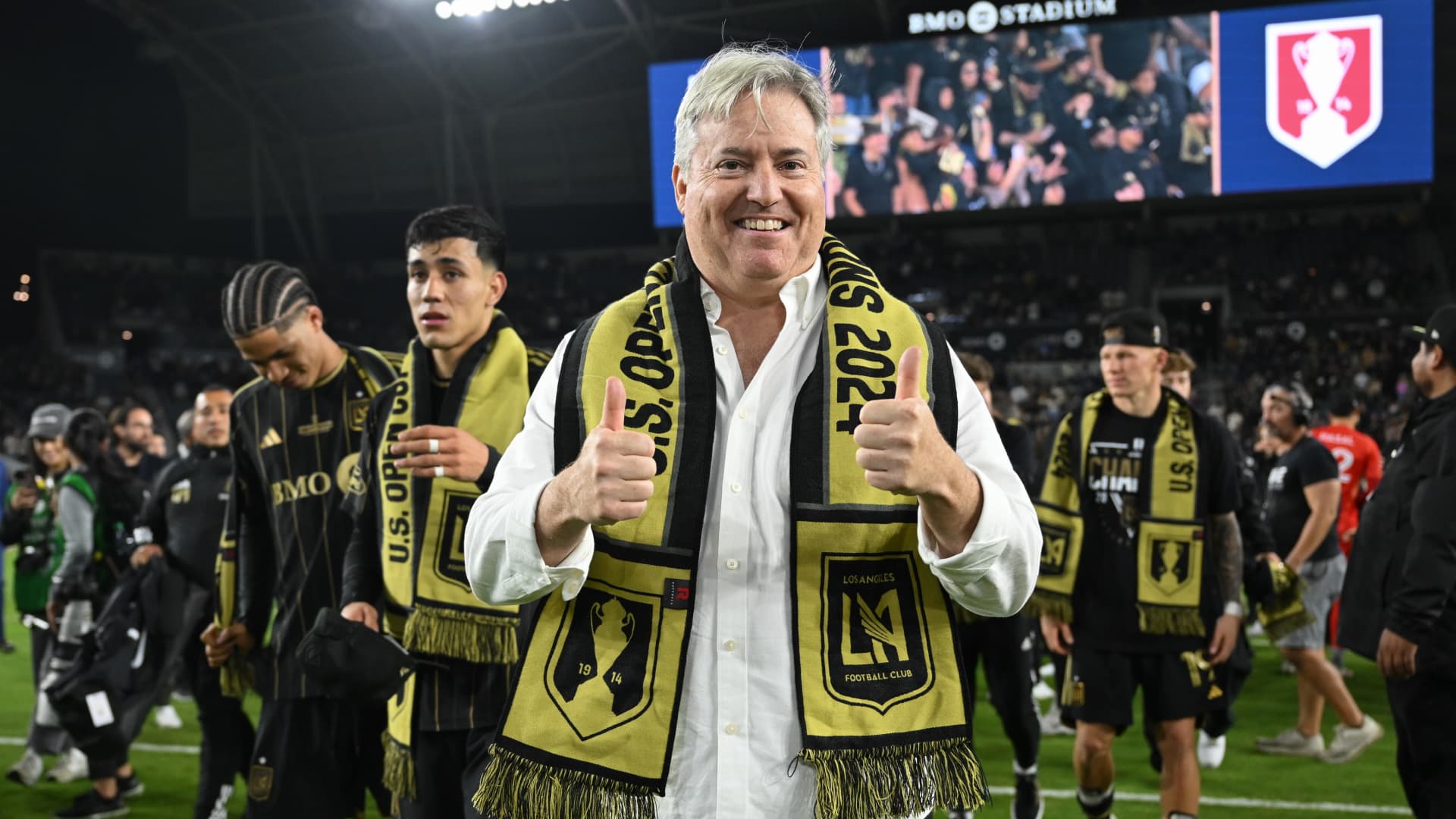
The appointment of Larry Berg as the next Major League Soccer commissioner marks a pivotal leadership transition for a sports entity that has dramatically escalated its market value. Succeeding Don Garber, Berg’s tenure will immediately confront high-stakes collective bargaining and media rights negotiations, setting the strategic direction for the league’s continued expansion and financial health.
🗝️ Corporate Strategy Insights
- Leadership Evolution. The league transitions from a long-serving, founding commissioner focused on initial growth to a leader with a strong financial background, signaling a shift towards sophisticated value maximization.
- Key Operational Challenges. Berg faces immediate, critical negotiations on both player agreements (CBA) and broadcasting rights, which are foundational to the league’s profitability and public visibility.
- Market Maturation Strategy. As MLS moves beyond its ‘startup’ phase into a multi-billion-dollar enterprise, Berg’s experience is critical for consolidating market gains and exploiting new revenue streams.
Larry Berg, currently co-owner of MLS’ Los Angeles Football Club (LAFC) and formerly a senior partner at Apollo Global Management, is set to become the next Major League Soccer commissioner, taking over from Don Garber in 2025. Garber, who has led the league since 1999, is credited with transforming MLS from a fledgling operation into a robust sports league valued in the billions. His strategic vision laid the groundwork, pushing the league through years of expansion and increasing its footprint across North America. Berg’s appointment, therefore, represents a handover at a crucial juncture for the league.
Berg’s financial background, particularly his experience at Apollo, suggests a potential strategic emphasis on optimizing existing assets and exploring new capital allocation opportunities. This shift is timely as the league has matured significantly; CNBC’s Official Global Soccer Team Valuations 2026 report highlighted seven MLS franchises among the world’s top 30, with Inter Miami leading at $1.6 billion. This financial prowess underscores the need for a leader adept at managing a sophisticated business enterprise rather than merely building one. Investors watching the broader stock markets should note the increasing institutional interest in sports as an asset class.
Immediate challenges for the incoming Major League Soccer commissioner include renegotiating the collective bargaining agreement (CBA) with MLS players, which expires at the end of January 2028. This negotiation will be a significant test of Berg’s leadership and his ability to balance player demands with league financial sustainability. Furthermore, he will oversee the crucial renewal of the league’s media rights, as its current deal with Apple concludes after the 2028-2029 season. These twin tasks are critical to the league’s revenue streams and its appeal to a broader audience.
- Elevated Financial Acumen: Berg’s private equity background indicates a focus on maximizing league and franchise valuations.
- Complex Negotiation Landscape: He steps into critical CBA and media rights talks, defining future revenue and operational structures.
- Sustained Growth Imperative: Building on Garber’s legacy, the league aims for continued expansion and international visibility.
The Strategic Ripple Effect on Competitive Landscape
Berg’s appointment and his immediate challenges will create a significant ripple effect across the sports business landscape. His financial expertise could lead to more aggressive strategies in media rights packaging and sponsorship deals, potentially driving up costs for broadcasters and marketing partners. This heightened commercialization could compel other professional sports leagues to re-evaluate their own revenue generation models, especially those in niche markets or emerging territories. For clubs within MLS, Berg’s leadership could translate into increased emphasis on operational efficiency and a more rigorous approach to profitability, influencing everything from player acquisition to stadium development. The market for sports company strategy will be watching closely.
The transition in Major League Soccer leadership from Don Garber to Larry Berg signifies a strategic pivot from foundational growth and expansion to an era demanding sophisticated financial management and aggressive commercial optimization. This move reflects the league’s maturation into a formidable economic entity within global sports.
Key League Valuation Indicators
Major League Soccer’s significant growth is underscored by robust franchise valuations, a direct outcome of Garber’s tenure and the league’s increasing popularity.
- Inter Miami CF Valuation: $1.6 billion (as per CNBC, 2026). This figure represents the highest valuation for an MLS team and demonstrates the league’s potential.
- Top 30 Global Franchises: Seven MLS teams now rank among the 30 most valuable soccer franchises globally. This indicates significant capital growth and market acceptance.
These metrics highlight the established financial strength that Larry Berg inherits, setting a high bar for continued capital appreciation under his leadership.
Major League Soccer Strategic Analysis: Future Growth Vectors
Under Berg, Major League Soccer is poised to explore new growth vectors beyond traditional expansion. His background suggests an inclination towards data-driven decisions that could optimize fan engagement through advanced analytics, refine ticketing and merchandise strategies, and unlock further value from the league’s extensive digital footprint. The successful navigation of the upcoming media rights negotiations will be paramount. A shrewd deal could dramatically increase the league’s reach and revenue, attracting a new generation of fans and advertisers. Furthermore, international partnerships and cross-league collaborations might become a focus, leveraging the global appeal of soccer to enhance MLS’s brand equity. This strategic horizon demands a blend of financial acumen and forward-thinking media savviness.
Major League Soccer Competitive Advantages in the Global Game
Major League Soccer holds several distinct competitive advantages in the global soccer landscape. Its primary strength lies in its positioning within the rapidly expanding North American sports market, a region with robust economic power and a growing interest in soccer. Unlike established European leagues, MLS operates with a single-entity structure, allowing for greater financial stability and controlled growth. This structure mitigates excessive spending and promotes competitive balance. The league also benefits from a relatively young fan base that is highly engaged with digital platforms, offering unique opportunities for content monetization. As Berg assumes leadership, these inherent advantages provide a solid foundation for further market penetration and long-term financial success, differentiating MLS from more volatile international leagues. Staying informed on these trends can be key for educational insights.
Major League Soccer’s Next Era: Navigating Growth and Valuation
Larry Berg’s appointment as Major League Soccer commissioner ushers in an era focused on financial optimization and strategic negotiation, building on the league’s substantial growth. His leadership will be defined by how effectively he tackles the impending CBA and media rights deals, which are critical for sustained profitability and market leadership.
- Financial Stewardship: Berg’s background hints at a keen focus on maximizing league assets and exploring new revenue streams.
- Stakeholder Management: Success will depend on adeptly managing relations with players, owners, and media partners during critical negotiations.
- Market Expansion: Continued growth, both domestically and internationally, remains a key objective to solidify its position in the global sports arena.
How will Berg’s financial expertise ultimately reshape the Major League Soccer’s operational blueprint and long-term valuation in a fiercely competitive global sports market?
📊 StockXpo Analyst’s View
Market Impact: Berg’s appointment is likely to be viewed positively by investors in sports media and related sectors. His private equity background suggests a pragmatic, value-driven approach that could lead to more disciplined capital allocation and potentially higher returns from media rights deals, influencing valuations for sports content providers. The emphasis on operational efficiency could also improve profitability for teams and the league overall, attracting further institutional investment into the sports ecosystem.
Sector To Watch: The immediate sectors to watch are sports broadcasting and digital media companies, especially those with existing or potential ties to major sports leagues. Technology companies like Apple, which holds significant media rights, will be under the microscope as new negotiations approach. Additionally, businesses involved in sports infrastructure and fan engagement technology could see increased activity as the league seeks to optimize its assets.
Financial Disclaimer:
StockXpo.com is a financial news aggregator and educational portal, not a registered investment advisor or broker-dealer. All information, news, and analysis provided herein are strictly for educational purposes and do not constitute investment, financial, legal, or tax advice. Investing in the stock market involves high risks, and past performance is not indicative of future results. StockXpo will not be liable for any financial losses or investment damages. Always consult a certified financial advisor before making market decisions.
MORE IN INSIDE BUSINESS

Paramount WBD Takeover: A Strategic Success Reshaping Media
Published: Tuesday, October 6, 2026 · 7:35 AM

Airline Profits Challenge: Why Rising Airfare Won’t Boost Bottom Lines
Published: Monday, October 5, 2026 · 7:48 AM


