Published: Friday, July 31, 2026 · 12:42 PM | Updated: Friday, July 31, 2026 · 12:42 PM
📊 122 views




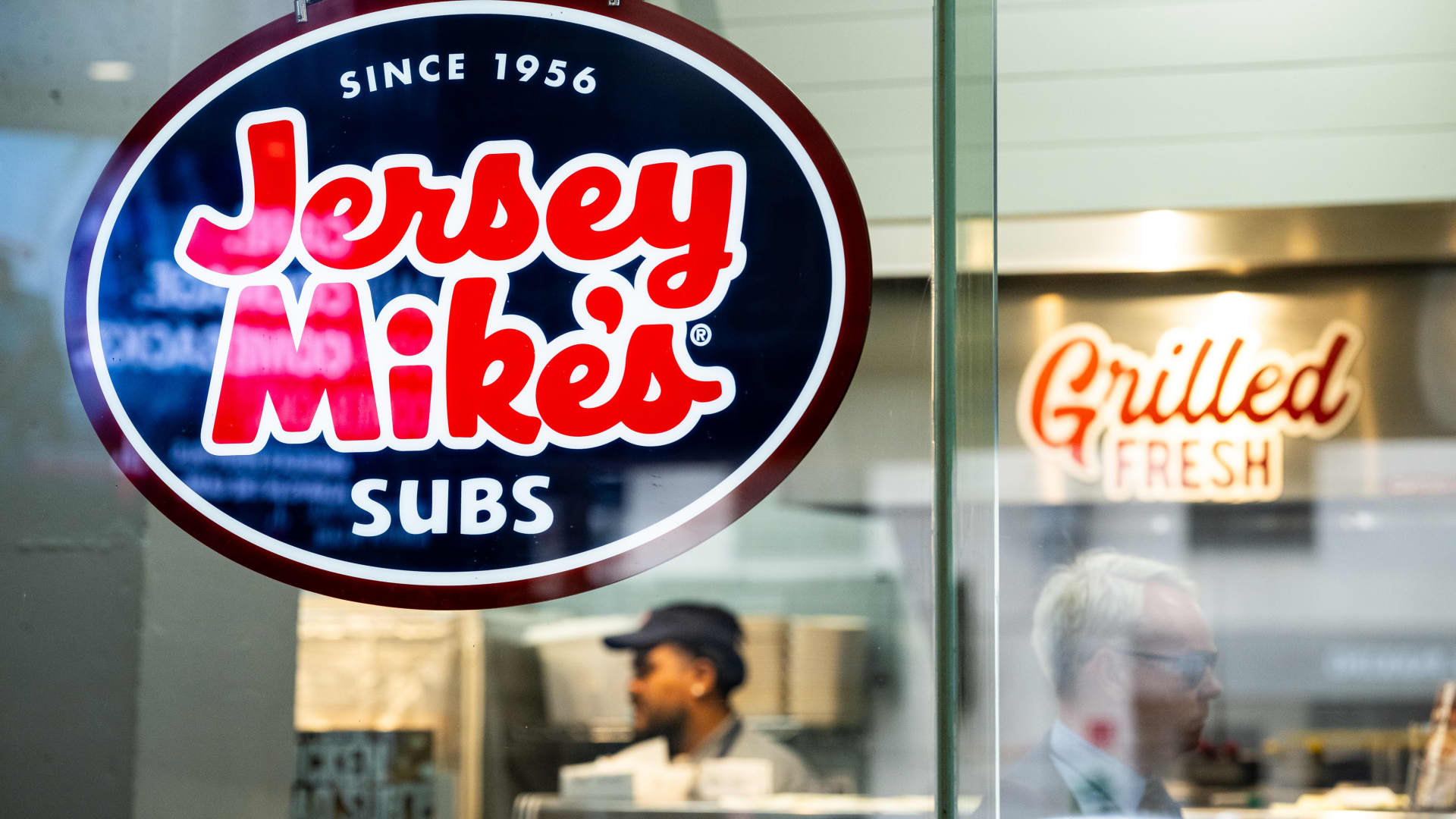
The post-2021 IPO frenzy has dramatically cooled, with consumer companies increasingly opting for private markets over public listings. This significant shift underscores evolving dynamics in market liquidity, asset valuation, and corporate risk management, as firms weigh the costs and benefits of public scrutiny against ample private capital.
💰 Financial Strategy & Market Insights
- IPO Market Contraction. Following a peak in 2021, public market debuts have significantly declined, with recent consumer IPOs like Jersey Mike’s and Reformation struggling to maintain initial valuations.
- Private Capital Abundance. The availability of deep private capital, driven by megafunds and family offices, reduces the urgency for companies to go public, offering liquidity without public market pressures.
- Regulatory Burden Weighs Heavily. The extensive compliance, reporting requirements, and constant scrutiny of quarterly earnings reports deter founders from seeking public listings, favoring private control.
The landscape for high-growth companies pursuing public offerings has undergone a stark transformation since the record-setting year of 2021. Back then, markets welcomed 743 IPOs on the Nasdaq and over $1 trillion in new market capitalization on the NYSE, fueled by blockbuster listings like Coinbase, Roblox, and Rivian. However, the prevailing trend now sees more consumer companies Staying Private Longer, a strategic decision driven by a confluence of market forces and corporate preferences.
Recent consumer sector IPOs underscore this shift. Both Jersey Mike’s and Reformation debuted this week with largely flat or negative performances, contrasting sharply with the robust investor appetite seen just five years prior. This tepid reception is not isolated but indicative of broader investor caution and a less forgiving public market environment for new listings. Mike Dinsdale, CEO of Powerlaw, a fund investing in private companies, observed that the number of public companies has nearly halved in 30 years, attributing this to increased access to private capital and the desire for less transparency.
The evolving market structure provides compelling reasons for this behavior. The proliferation of private capital, channeled through megafunds, venture capital firms, and increasingly, family offices, offers substantial liquidity without the stringent reporting and governance demands of public markets. This robust private ecosystem allows companies to mature, build stronger business models, and achieve higher valuations before even considering an IPO. According to Raymond James’ Sunaina Sinha Haldea, the secondary market now acts as a ‘pressure release valve’, effectively removing the imperative to rush to public markets.
- 2021 IPO Peak: Companies raised nearly $500 billion, double the capital from 2020.
- Recent IPO Performance: Jersey Mike’s closed down nearly 6% on debut, Reformation remained flat.
- Decline in Public Companies: Number of public companies nearly halved over 30 years, from 8,000 to under 4,000.
- Private Capital Growth: Surge in family office interest and deep secondary markets provides ample alternative funding.
Venture capital firm Patron’s co-founder, Jason Yeh, notes that public market volatility and stagnant performance of listed consumer companies further contribute to this hesitation. Large asset managers and hedge funds are increasingly willing to acquire later-stage stakes in private firms, offering a viable exit for early investors and extending the private runway. This robust private market infrastructure means companies can delay public offerings, waiting for more favorable macroeconomic conditions to maximize their valuation, as discussed in various financial sector analyses.
However, the appeal of an IPO remains for certain companies, particularly those with strong, cash-generative business models, as exemplified by SpaceX’s recent blockbuster listing that raised tens of billions. The ultimate decision often balances capital needs with the desire for control and autonomy. The prospect of regulatory changes, such as President Trump’s floated idea, backed by the SEC, to end mandatory quarterly earnings reports, could also reshape the calculus for companies considering public markets, reducing what many perceive as a significant ‘headwind’ to listing. This topic is frequently explored by experts providing market analysis.
Assessing the Trade-Offs: Public vs. Private
- Upside: Enhanced Strategic Flexibility. Staying Private Longer allows companies to prioritize long-term growth and innovation without the short-term pressures of quarterly earnings reports and investor scrutiny. Access to substantial private capital from megafunds and family offices provides ample funding for expansion.
- Upside: Valuation Control and Reduced Compliance Burden. Private firms can manage their valuation narrative more directly, avoiding public market volatility. They also circumvent the significant financial and resource costs associated with public reporting, governance, and potential litigation.
- Downside Risks: Limited Liquidity for Early Investors. While secondary markets offer some liquidity, they may not match the broad and deep access of public exchanges, potentially locking in earlier investors for longer periods.
- Downside Risks: Reduced Brand Visibility and Capital Access Ceiling. Public listing can significantly boost brand recognition and offer access to a much larger pool of institutional and retail capital for sustained growth or M&A activities, which private companies might miss out on.
“The regulatory burden, coupled with the constant public eye on quarterly earnings, represents a significant disincentive for many founders today. When there’s abundant private capital, the operational complexities and time commitment of being a public company simply don’t always justify the move, creating a preference for prolonged privacy,” noted a financial strategist on Forbes’ financial insights.
Key Metrics in the Evolving IPO Landscape
- 2021 IPO Capital Raised: Nearly $500 billion across U.S. exchanges, a significant increase from 2020.
- Nasdaq IPOs in 2021: 743 new listings.
- NYSE New Market Cap (2021): Over $1 trillion added.
- Public Company Decline: From nearly 8,000 thirty years ago to under 4,000 today.
- Recent IPO Performance Example: Jersey Mike’s opened $2 below IPO, closing down almost 6%.
Private Capital Liquidity Analysis
The rise of robust secondary markets has fundamentally altered the liquidity equation for private companies. Historically, an IPO was the primary exit for early investors and a pathway to scale. Today, the depth and sophistication of private secondary transactions, facilitated by institutional buyers and specialized funds, provide ample opportunities for shareholders to realize gains without mandating a public listing. This expanded private liquidity pool effectively extends the runway for companies, allowing them to defer the burdens of public life until optimal market conditions or strategic needs dictate otherwise. This trend is a key area of focus for educational financial insights.
Market Sentiment Tracker: IPO Hesitation
Current market sentiment regarding new public offerings is marked by caution. Investors are exhibiting a discerning approach, prioritizing profitability and sustainable growth over speculative potential, a stark contrast to the ‘growth at all costs’ mentality of 2021. The muted performance of recent IPOs like Jersey Mike’s and Reformation suggests a lack of immediate enthusiasm, pressuring companies to demonstrate stronger fundamentals before a public debut. This conservative sentiment dictates that only truly exceptional businesses, or those entering at a significantly discounted valuation, are likely to receive a warm welcome from public investors, a trend frequently highlighted in global market reports.
The Ripple Effect of Staying Private Longer on 2026 Markets
The prevalent trend of consumer companies Staying Private Longer signals a fundamental re-evaluation of public market entry, driven by robust private capital and a desire to avoid regulatory pressures. This paradigm shift affects both capital allocation strategies for institutional investors and the pathways to liquidity for high-growth enterprises.
- Delayed Public Access: Retail investors will have later opportunities to participate in the growth stories of innovative companies, as firms mature significantly behind closed doors.
- Increased Private Market Competition: The influx of capital seeking private deals could intensify competition for promising ventures, potentially inflating private valuations.
- Regulatory Review: Discussions around modifying quarterly reporting mandates highlight a potential path to make public markets more appealing in the future.
Will regulatory reforms and improved market conditions be enough to reverse the tide and rekindle the IPO fervor of past years?
📊 StockXpo Analyst’s View
Market Impact: The prolonged private phase for consumer companies shifts significant capital from public exchanges to private equity and venture capital. This reallocation means less supply of new, high-growth public companies, potentially concentrating investor attention on established public entities or driving more sophisticated investors towards less transparent private markets. This could impact overall public market liquidity and make active management even more critical.
Sector To Watch: Consumer discretionary, particularly fast-growing brands in retail and services, will remain a key battleground between public and private capital. Companies that do eventually go public, having matured privately, will need to demonstrate exceptional profitability and clear market dominance to attract investor interest, making sector-specific due diligence paramount.
Financial Disclaimer:
StockXpo.com is a financial news aggregator and educational portal, not a registered investment advisor or broker-dealer. All information, news, and analysis provided herein are strictly for educational purposes and do not constitute investment, financial, legal, or tax advice. Investing in the stock market involves high risks, and past performance is not indicative of future results. StockXpo will not be liable for any financial losses or investment damages. Always consult a certified financial advisor before making market decisions.
MORE IN INSIDE FINANCE
AI Stock Boom Fuels $67 Billion Equities Growth for Wall Street Giants
Published: Wednesday, October 21, 2026 · 11:03 AM
New Risks Emerge: Global Finance Chiefs Highlight Debt, AI, and Geopolitical Volatility
Published: Tuesday, October 20, 2026 · 2:12 AM