Published: Friday, July 31, 2026 · 12:41 PM | Updated: Friday, July 31, 2026 · 12:41 PM
📊 91 views




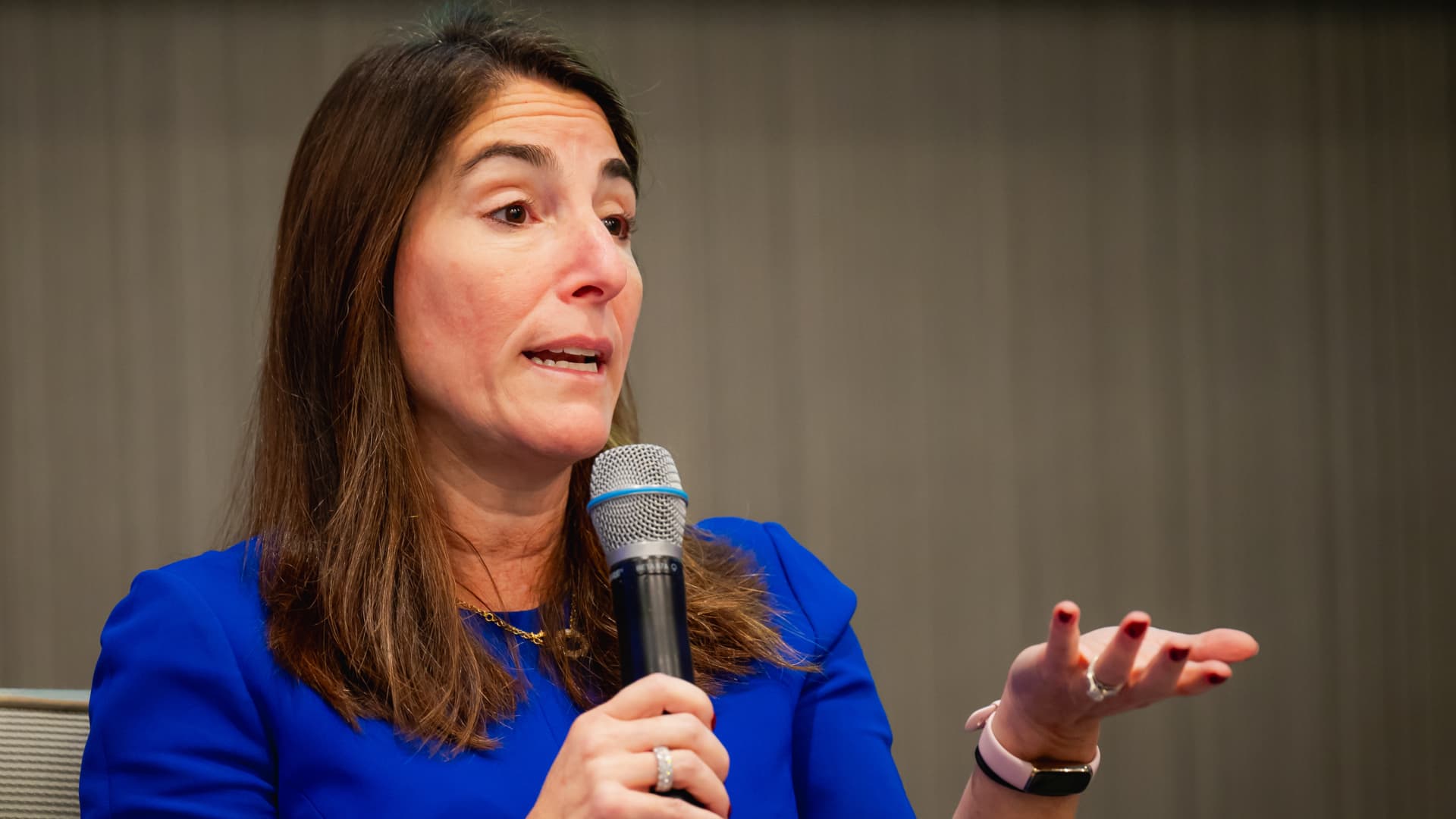
Three Federal Reserve officials recently voted against holding interest rates steady, forcefully arguing for immediate hikes to proactively combat persistent inflation. Their dissent highlights growing internal division within the FOMC regarding the urgency and appropriate timing of monetary policy tightening amidst a prolonged period of elevated prices.
💰 Financial Strategy & Market Insights
- Hawkish Stance Emerges. Cleveland Fed President Beth Hammack, Minneapolis Fed President Neel Kashkari, and Dallas Fed President Lorie Logan advocate for immediate rate increases, fearing entrenched price pressures.
- Preventative Monetary Tightening. Dissenters suggest ‘small policy moves now’ could avert ‘bolder actions’ later, drawing parallels to the 1970s and the ‘transitory inflation’ misjudgment.
- Dual Inflationary Pressures. While supply-side factors like energy costs are noted, officials increasingly cite demand-side contributions, suggesting monetary policy has a clear role to play.
The Federal Reserve’s recent decision to maintain its key overnight borrowing rate within the 3.5%-3.75% range, where it has sat all year following cuts in late 2025, was met with notable dissent from three influential members. Cleveland Fed President Beth Hammack, Minneapolis Fed President Neel Kashkari, and Dallas Fed President Lorie Logan publicly stated their preference for an immediate rate hike, signaling a growing urgency to address persistent inflation. This divergence of opinion within the Federal Open Market Committee (FOMC) underscores the complex economic landscape confronting policymakers.
Hammack emphasized the critical need for prompt action, stating, ‘In my view, now is the time for the [Federal Open Market Committee] to act to speed the return of PCE inflation to our 2 percent objective and deliver on our commitment to price stability for the American people.’ She cautioned that prolonged high inflation makes the eventual return to target more challenging and costly. Kashkari echoed this sentiment, arguing that ‘a potential series of small policy moves would be better than waiting and eventually concluding that even bolder actions were necessary,’ a clear reference to historical missteps in monetary policy responses.
Inflation has exceeded the Fed’s 2% target for over five years, experiencing renewed spikes recently attributed to the Iran war, President Donald Trump’s tariffs, and rising energy costs. Despite a brief easing in June, fears of tighter monetary policy are resurfacing as energy prices continue their ascent. While Fed Chairman Kevin Warsh voted for the hold, he reaffirmed his commitment to price stability, acknowledging that curbing five years of above-target inflation is not a quick fix. Hammack, however, expressed a lack of confidence that prices would return to the objective ‘on its own,’ pointing to both supply-side and demand-side inflationary pressures, a view gaining traction among hawkish officials.
- Hammack noted ‘pricing pressures as broadening rather than fading’ among her Cleveland constituents, reflecting widespread consumer despair over persistently higher prices.
- Kashkari explicitly linked current dynamics to the 1970s stagflation era and the ‘transitory’ inflation narrative post-Covid, stressing that monetary policy has an ‘important role to play in addressing a series of successive supply shocks that might lead to entrenched higher inflation.’
This internal debate suggests that future FOMC meetings could see increasing pressure for rate adjustments, particularly if economic data continues to show inflation remaining stubborn or accelerating. Investors closely monitoring these developments should consider the potential implications for various asset classes, with real-time market insights often reported by leading financial news services. For a deeper understanding of market movements, investors often consult comprehensive market analysis platforms.
Risk vs. Reward: Navigating the Fed’s Stance
The Fed’s internal debate presents a nuanced risk-reward profile for market participants:
- Upside:
- Proactive Inflation Control: Timely rate hikes could re-anchor inflation expectations, preventing a more severe economic downturn later.
- Stronger Dollar: Higher rates typically strengthen the dollar, benefiting import costs and potentially attracting foreign investment.
- Real Asset Protection: Early action might preserve the purchasing power of capital, protecting long-term investment value.
- Downside Risks:
- Economic Slowdown: Rate hikes, especially if aggressive, risk stifling economic growth, potentially leading to recessionary pressures.
- Market Volatility: Uncertainty around Fed policy can fuel equity market corrections and increased bond yield volatility.
- Credit Tightening: Higher borrowing costs could constrain corporate investment and consumer spending, impacting credit markets and corporate earnings.
The concept of “inflation expectations” is central to monetary policy. If consumers and businesses expect prices to continue rising significantly, they may demand higher wages and raise their own prices, creating a self-fulfilling prophecy. This makes it harder for the Fed to bring inflation down without causing greater economic pain.
Key Inflationary Indicators to Watch
While specific quantitative metrics on future inflation are subject to ongoing debate, key indicators shaping the Fed’s outlook include:
- Personal Consumption Expenditures (PCE) Inflation: The Fed’s preferred inflation gauge, which has consistently stayed above the 2% target for over five years.
- Energy Costs: Recent surges in oil and gas prices, partly due to geopolitical events, pose an immediate upside risk to headline inflation.
- Wage Growth: Strong wage growth can signal demand-side pressures contributing to inflation, though it can also reflect tight labor markets.
- Consumer Sentiment: Surveys indicating widespread ‘despair over persistently higher prices’ suggest inflation is deeply felt by the public, amplifying calls for action.
How Market Liquidity Adapts to Rate Hike Debates
The intensifying debate within the Federal Reserve directly impacts market liquidity, influencing how readily assets can be bought and sold without significant price disruption. When uncertainty about future interest rate policy is high, as it is now, investors tend to become more cautious. This often leads to reduced trading volumes and wider bid-ask spreads, especially in less liquid segments of the bond market. Financial institutions, anticipating potential shifts in short-term borrowing costs, may adjust their lending practices, affecting everything from corporate credit to consumer mortgages. A sudden policy pivot, or even strong signals of one, can trigger rapid repricing across fixed income and equity markets, temporarily draining liquidity as participants scramble to rebalance portfolios.
Asset Valuation in an Era of Persistent Inflation
Persistent inflation directly erodes the real value of future cash flows, a cornerstone of asset valuation. For equities, companies with strong pricing power and low capital intensity tend to outperform, as they can pass on rising costs and maintain margins. Conversely, growth stocks, whose valuations are heavily dependent on distant future earnings, can see their present value significantly diminished by higher discount rates. In fixed income, the threat of rising rates means existing bonds with lower yields lose appeal, pushing their prices down. Investors are increasingly evaluating assets through the lens of their inflation-hedging capabilities. Real assets, commodities, and certain inflation-linked securities are drawing attention, as detailed in various financial sector analyses.
The Ripple Effect of Inflation Calls on 2026 Markets
The vocal dissent from several Fed officials underscores a growing conviction that persistent inflation requires immediate and decisive action. This internal pressure is likely to shape future monetary policy discussions, potentially leading to earlier or more aggressive rate hikes than currently anticipated by broader markets. The longer inflation persists above target, the greater the risk of it becoming entrenched, necessitating even more painful measures down the line.
- The market should brace for increased volatility as the Fed’s internal debate becomes more public and influential.
- Asset allocation strategies will need to increasingly focus on inflation-hedging properties and resilience to higher interest rates.
- The possibility of policy missteps—either waiting too long or tightening too quickly—remains a key risk for investors.
How will the Federal Reserve balance the imperative to control inflation with the risks of stifling economic growth in the coming months?
### 📊 StockXpo Analyst’s View
Market Impact: The visible split within the FOMC on tackling inflation creates an environment of heightened uncertainty. This can lead to increased volatility in bond yields and equity markets, as investors price in varied probabilities of rate hikes. Expect a flight to quality in some segments, while other investors seek out inflation-protected assets. A strong dollar could emerge from tighter policy expectations, impacting commodity prices and international trade flows, as extensively covered by global financial wires.
Sector To Watch: Sectors with high debt loads or those sensitive to consumer discretionary spending might face headwinds from rising rates and persistent inflation. Conversely, financial institutions could see improved net interest margins from higher rates. Companies with robust pricing power in essential goods and services, as well as those involved in energy production, may show resilience, providing valuable financial insights for investors.
Financial Disclaimer:
StockXpo.com is a financial news aggregator and educational portal, not a registered investment advisor or broker-dealer. All information, news, and analysis provided herein are strictly for educational purposes and do not constitute investment, financial, legal, or tax advice. Investing in the stock market involves high risks, and past performance is not indicative of future results. StockXpo will not be liable for any financial losses or investment damages. Always consult a certified financial advisor before making market decisions.
MORE IN INSIDE FINANCE
AI Stock Boom Fuels $67 Billion Equities Growth for Wall Street Giants
Published: Wednesday, October 21, 2026 · 11:03 AM
New Risks Emerge: Global Finance Chiefs Highlight Debt, AI, and Geopolitical Volatility
Published: Tuesday, October 20, 2026 · 2:12 AM