
Published: Thursday, July 30, 2026 · 12:06 AM | Updated: Thursday, July 30, 2026 · 12:06 AM
📊 165 views




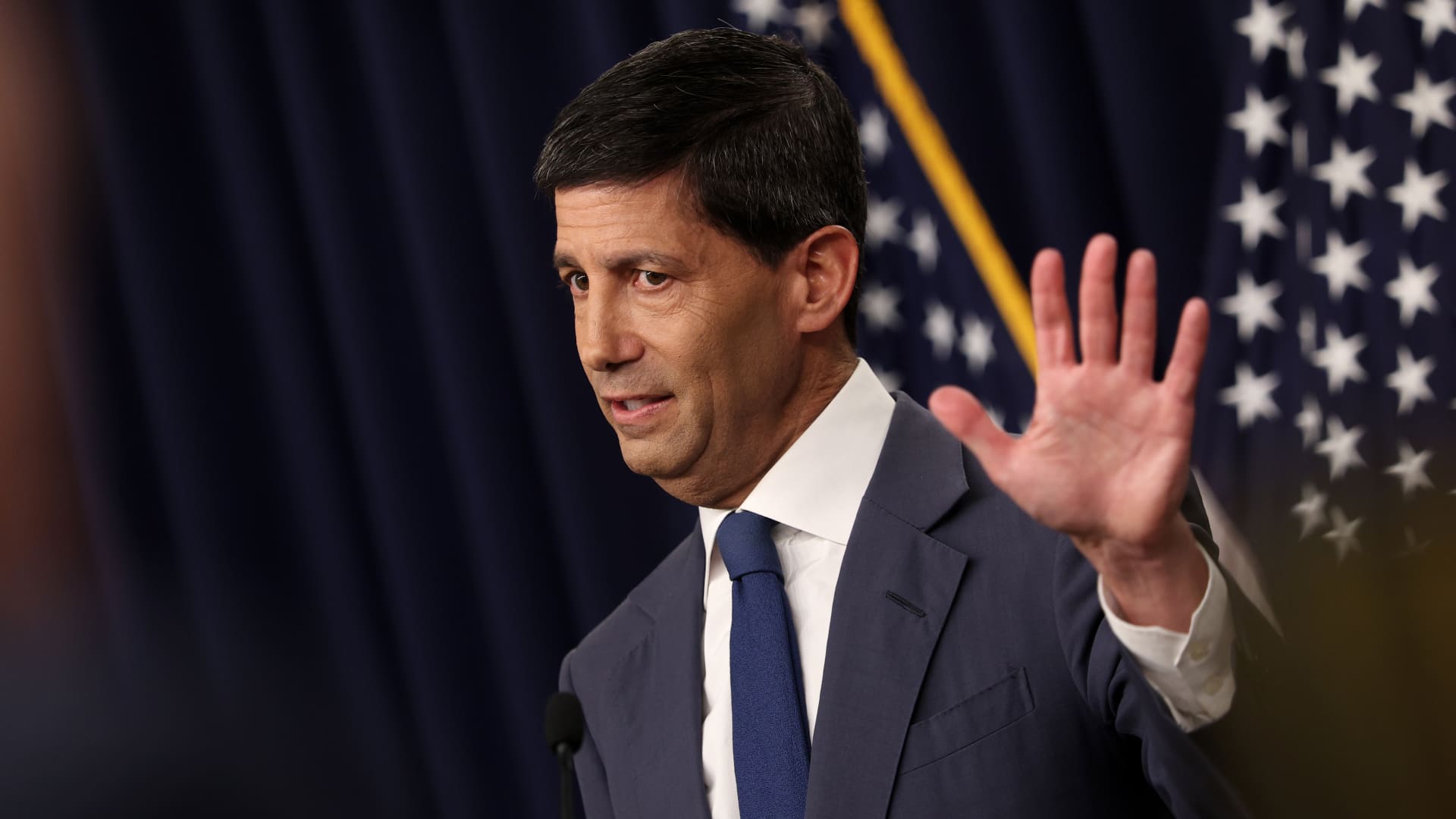
The recent Federal Reserve meeting has sent a clear signal to Wall Street: persistent inflation remains the paramount concern, and investors should brace for potential interest rate hikes. The central bank’s decision to hold rates steady, while anticipated, was underscored by notable dissent, suggesting a shift toward tighter monetary policy is increasingly likely.
📊 Macro-Economic Strategic Insights
- Hawkish Dissent Emerges. Three policymakers advocated for higher rates, the most since September 2016, indicating growing concern over inflation pressures.
- Market Pricing Shifts. Fed fund futures now show a greater than 57% probability of a rate hike in September, pushing market expectations forward.
- Inflation Remains Key. The Fed’s commitment to reaching its 2% inflation target will heavily influence future policy decisions, particularly in light of energy price shocks.
The Federal Reserve, under the leadership of Chairman Kevin Warsh, opted to maintain current interest rates for the second consecutive meeting. However, the dissenting voices within the committee were particularly noteworthy. Three policymakers favored an immediate rate increase, a level of hawkish sentiment not seen in years. This divergence suggests a growing internal debate about the appropriate response to stubbornly high inflation, which has been a central challenge for the U.S. economy.
Market participants are closely interpreting this dissent as a prelude to future tightening. Ian Lygen of BMO Capital Markets noted that while the majority aligns with Warsh’s cautious approach, the vocal ‘hawks’ are pushing for action. This sentiment is reflected in futures markets, where traders are increasingly pricing in a quarter-point rate hike at the upcoming September meeting. Ellen Zentner of Morgan Stanley Wealth Management concurs that the timing of the expected hike may have simply been accelerated, keeping September as a ‘live’ meeting.
The Fed’s pronouncements underscore a commitment to price stability. Chairman Warsh reiterated the goal of returning inflation to the preferred annual rate of 2%. However, achieving this objective, especially amidst ongoing energy price volatility, may necessitate a more aggressive policy stance. As Jeffrey Gundlach, CEO of DoubleLine Capital, pointed out, significant rate increases might be required to effectively curb inflation and restore the Fed’s credibility with bond markets.
The Federal Reserve’s Inflationary Tightrope
The central bank’s strategy hinges on carefully balancing inflation control with broader economic stability. Upcoming inflation reports will be critical in shaping the Fed’s next move. The market’s reaction to the ‘hawkish hold’ has been swift and negative, with major indices experiencing significant declines. This suggests investors are already recalibrating their portfolios in anticipation of a tighter monetary environment.
The S&P 500 saw its worst second ‘Fed day’ performance in recent history, tumbling 1.5%. The Dow Jones Industrial Average also fell sharply, marking its largest daily drop since trade tensions impacted markets in April 2025. The Nasdaq Composite, heavily weighted towards technology stocks, continued its downward trend, further highlighting investor risk aversion in the face of potential policy tightening.
The yield on the 30-year Treasury climbed to its highest level since July 2007, and the 10-year Treasury yield breached the 4.6% mark. These movements in the bond market are being interpreted as a clear signal from investors that the Fed must act decisively on inflation. This dynamic sets the stage for a potentially volatile period as markets react to evolving economic data and the Fed’s policy responses.
THE RIPPLE EFFECT
- Higher Interest Rates → Reduced Consumer & Business Spending → Slowdown in Economic Growth → Lower Inflationary Pressures
- Increased Policy Uncertainty → Investor Risk Aversion → Stock Market Volatility → Shift to Safer Assets
- Persistent Inflation → Reduced Purchasing Power → Potential Stagflationary Concerns
Understanding ‘Bond Market Vigilantes’: This term refers to investors in the bond market who, through their trading decisions, can exert significant pressure on governments and central banks to adhere to fiscal discipline or adopt specific monetary policies. When inflation concerns rise and bond yields increase sharply, it signals that these ‘vigilantes’ are demanding a stronger response from policymakers, particularly concerning inflation control.
| Economic Indicator | Current Value | Significance |
|---|---|---|
| Federal Funds Rate (Target Range) | Hold Steady | Indicates the Fed’s pause, but dissent signals future change. |
| Inflation Rate (Annualized) | Elevated (Implied) | The primary driver for potential rate hikes. Reaching 2% is the goal. |
| 30-Year Treasury Yield | Highest since July 2007 | Reflects long-term inflation expectations and bond market pressure. |
US Monetary Policy Shifts: Inflationary Risks
The Federal Reserve’s commitment to tackling inflation, even at the risk of slowing economic growth, presents a complex challenge for policymakers. The current environment, characterized by both inflationary pressures and potential headwinds for growth, necessitates a delicate balancing act. The ‘hawkish hold’ signals a willingness to tolerate some short-term economic deceleration to achieve long-term price stability. This approach aligns with broader trends observed in global economic policy, where central banks are increasingly prioritizing inflation control.
Global Benchmarking: Fed’s Inflation Battle
The Federal Reserve’s current stance on inflation control is a critical benchmark for other central banks worldwide. As energy prices continue to influence price levels, many economies are facing similar inflationary challenges. The Fed’s decision to signal potential rate hikes, despite dissent, underscores a unified, albeit debated, global approach to recalibrating monetary policy in the face of persistent price pressures. This careful navigation of economic forces is essential for maintaining market stability and fostering sustainable growth.
The Federal Reserve’s Path Forward
The Federal Reserve’s current trajectory suggests a firm commitment to combating inflation, even if it leads to market volatility. The divided nature of the committee highlights the complexities involved, but the overarching message is one of resolve. Investors should prepare for a period where monetary policy becomes a more significant driver of market movements, with a clear bias towards tightening if inflation does not abate.
- The Fed’s primary focus remains on achieving its 2% inflation target, with upcoming economic data being crucial for policy formulation.
- Expect increased market sensitivity to Fed communications and economic indicators as the probability of a rate hike rises.
- Investors may need to reassess portfolio allocations to mitigate risks associated with tightening monetary conditions and potential economic slowdown.
📊 StockXpo Analyst’s View
Market Impact: The current market sentiment reflects a clear risk-off tone, driven by the anticipation of higher borrowing costs. Investor confidence may be shaken, leading to greater volatility across asset classes as traders digest the Fed’s resolve on inflation. Market liquidity could tighten as the cost of capital increases.
Sector To Watch: Technology and growth-oriented sectors, which are typically more sensitive to interest rate hikes, may face headwinds. Conversely, sectors that benefit from higher interest rates, such as financials, and those with strong pricing power, might show relative resilience. For further insights into market dynamics, refer to our economic policy analysis.
Financial Disclaimer:
StockXpo.com is a financial news aggregator and educational portal, not a registered investment advisor or broker-dealer. All information, news, and analysis provided herein are strictly for educational purposes and do not constitute investment, financial, legal, or tax advice. Investing in the stock market involves high risks, and past performance is not indicative of future results. StockXpo will not be liable for any financial losses or investment damages. Always consult a certified financial advisor before making market decisions.
MORE IN INSIDE ECONOMY

Western Populations’ Shrinkage: A Looming Fiscal Warning by 2029
Published: Monday, October 5, 2026 · 3:15 AM

Labor Market Weakness: September Jobs Report Signals Economic Shift
Published: Friday, October 2, 2026 · 10:08 AM


