Published: Thursday, July 30, 2026 · 11:42 PM | Updated: Thursday, July 30, 2026 · 11:42 PM
📊 138 views




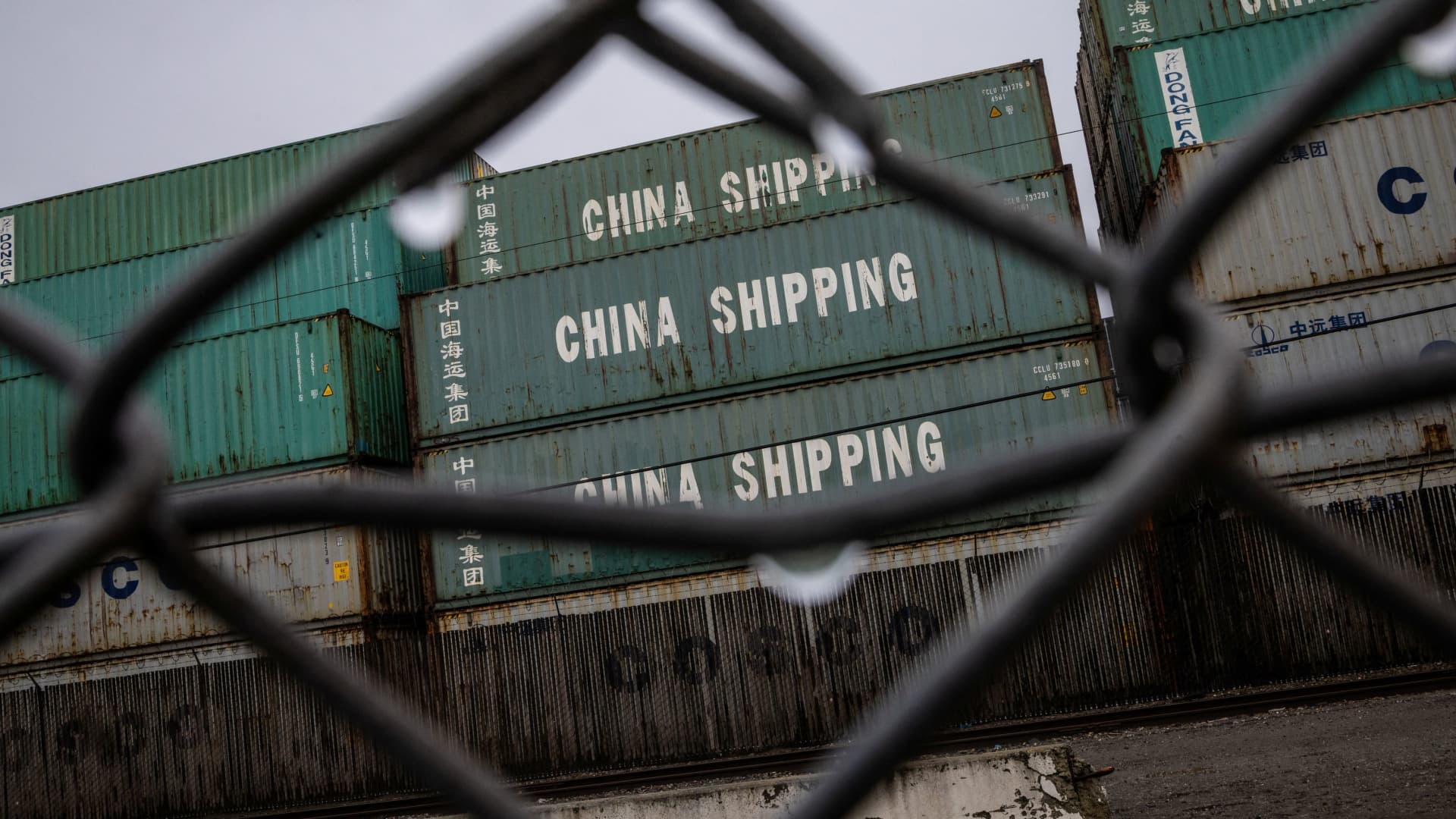
China’s U.S.-bound shipments experienced a notable dip in July, reversing a brief recovery and signaling a potential deceleration in one of the Chinese economy’s critical growth engines. This development, detailed in a recent survey by China Beige Book, raises questions about global trade dynamics and the resilience of export-driven economies.
💰 Financial Strategy & Market Insights
- Export Slowdown Detected. Following a surge in June, July data indicates a contraction in shipments destined for the U.S., impacting a key economic driver.
- Domestic Demand Emphasis. Beijing’s policy focus has shifted towards boosting internal consumption and international trade cooperation amidst external trade pressures.
- Manufacturing Sector Weakness. Factory activity decelerated, with employment in the manufacturing sector showing the most significant deterioration among surveyed industries.
The latest survey from China Beige Book, which polled 1,436 Chinese businesses between July 20 and 28, reveals that U.S.-bound shipments fell outright for the first time in several months. This contrasts sharply with the preceding month, where exports to the U.S. had surged by 14%, contributing to an overall export growth of 27%. This earlier uptick was largely attributed to businesses front-loading shipments in anticipation of higher U.S. tariffs and robust demand for China-made components, particularly for the burgeoning data center industry powering AI.
The July downturn underscores the sensitivity of Chinese exports to geopolitical trade tensions and potential shifts in global demand. The last recorded decline in March saw a substantial drop of over 26% year-on-year, aligning with a broader trend of double-digit declines since trade friction intensified in April 2025. The latest findings suggest that the brief respite observed in June may have been a temporary phenomenon rather than a sustained recovery.
Beyond trade figures, the survey also points to a broader economic deceleration within China. Factory activity weakened in July, with manufacturing experiencing its poorest performance in terms of employment growth. Across all surveyed sectors, job growth worsened compared to the previous year. Retail sales also declined month-on-month and year-on-year, with particularly sharp downturns reported in travel and restaurant services.
- The shift from export reliance to domestic demand is a crucial strategic pivot for Beijing.
- The semiconductor and AI infrastructure sectors remain key demand drivers for Chinese manufacturing inputs.
- Upcoming July trade data, due August 7, will provide official confirmation and a clearer picture of the trend.
Impact on Global Supply Chains
This contraction in Chinese exports to the U.S. has significant implications for global supply chains and the investment landscape. A sustained slowdown could lead to adjustments in inventory management for U.S. businesses and potentially pressure multinational corporations to diversify sourcing strategies. For investors, it highlights the increased volatility associated with trade-dependent assets and sectors.
Upside Risks:
- A potential de-escalation of trade tensions could reignite export growth.
- Successful implementation of domestic stimulus measures could offset external weakness.
- Increased demand from emerging markets could compensate for reduced U.S. shipments.
Downside Risks:
- Further escalation of trade disputes leading to additional tariffs.
- Global economic slowdown impacting overall demand for goods.
- Internal economic challenges within China exacerbating the downturn.
The interplay between trade policy and economic output is a critical consideration for understanding asset valuation. When export channels face contraction, it can lead to lower corporate earnings, reduced capital expenditure, and consequently, increased market volatility across various asset classes. Investors must closely monitor these shifts for effective risk management and portfolio adjustments.
| Metric | June 2026 (YoY Change) | July 2026 (Trend) |
|---|---|---|
| U.S.-bound Shipments | +14% | Declined |
| Overall Exports | +27% | Slowing |
| Factory Activity Employment | Improving | Decelerated |
| Retail Sales | Strong | Fell |
China’s Manufacturing Liquidity Analysis
The recent deceleration in factory activity and weakening employment figures within China’s manufacturing sector warrants close observation regarding liquidity. A sustained drop in export orders, particularly for U.S.-bound shipments, can lead to tighter working capital conditions for manufacturers. This reduced demand can impact revenue streams, potentially leading to slower inventory turnover and increased pressure on payment cycles. For businesses reliant on trade finance or short-term credit lines, this can translate into higher borrowing costs or restricted access to capital. Consequently, assessing the liquidity health of key manufacturing sub-sectors, especially those heavily exposed to U.S. markets, becomes paramount. Companies with robust balance sheets and diversified export markets are better positioned to navigate these liquidity challenges. Investors seeking to understand the broader market sentiment can find deeper insights by examining global market trends.
Global Trade Sentiment Tracker
The July decline in China’s U.S.-bound shipments is a significant indicator for the global trade sentiment tracker. It suggests a cooling in one of the world’s most crucial trade relationships, potentially signaling broader headwinds for international commerce. This sentiment shift can influence commodity prices, currency valuations, and the attractiveness of export-oriented economies. Businesses with significant international exposure, particularly those involved in direct trade with China or heavily reliant on components from the nation, will need to reassess their risk profiles. The emphasis placed by China’s policymakers on expanding domestic demand further underscores a strategic shift that could reshape global trade flows in the medium to long term. For comprehensive market analysis, exploring resources like Reuters’ finance section is advised.
July Slowdown Signals Shifting Trade Winds
The decrease in China’s U.S.-bound shipments during July points to a significant shift in international trade dynamics, impacting key economic indicators and investor confidence. The broader implications for capital flows and asset valuation are considerable, as export performance often serves as a barometer for global economic health. This slowdown may prompt a reassessment of investment strategies, with a greater focus on resilience and domestic market strengths.
- The contraction in U.S.-bound shipments highlights the fragility of export-led growth in the current geopolitical climate.
- Manufacturing employment weakness suggests potential challenges in labor markets and overall industrial output.
- Policy directives prioritizing domestic demand signal Beijing’s proactive approach to mitigate external pressures.
Will this July slowdown mark a sustained cooling of trade, or is it a temporary pause before renewed growth?
📊 StockXpo Analyst’s View
Market Impact: The decline in China’s U.S.-bound shipments introduces a layer of uncertainty, potentially dampening global growth expectations and increasing risk premiums for trade-sensitive assets. Market liquidity could tighten as businesses adjust their supply chains and inventory levels.
Sector To Watch: Industries heavily reliant on Chinese manufacturing inputs or exporting significantly to the U.S. may experience headwinds. Conversely, sectors focused on domestic consumption or alternative markets might see relative strength. Investors should closely monitor upcoming economic data from both nations for clearer directional signals on financial sector performance.
Financial Disclaimer:
StockXpo.com is a financial news aggregator and educational portal, not a registered investment advisor or broker-dealer. All information, news, and analysis provided herein are strictly for educational purposes and do not constitute investment, financial, legal, or tax advice. Investing in the stock market involves high risks, and past performance is not indicative of future results. StockXpo will not be liable for any financial losses or investment damages. Always consult a certified financial advisor before making market decisions.
MORE IN INSIDE FINANCE

Crypto Derivatives Trading: Blockchain.com’s Bold Move into U.S. Markets
Published: Friday, October 9, 2026 · 8:23 AM

China’s Real Estate Market: A Potential Turnaround Amid Policy Shifts
Published: Thursday, October 8, 2026 · 6:10 AM