Published: Thursday, July 16, 2026 · 5:45 AM | Updated: Thursday, July 16, 2026 · 5:45 AM
📊 245 views




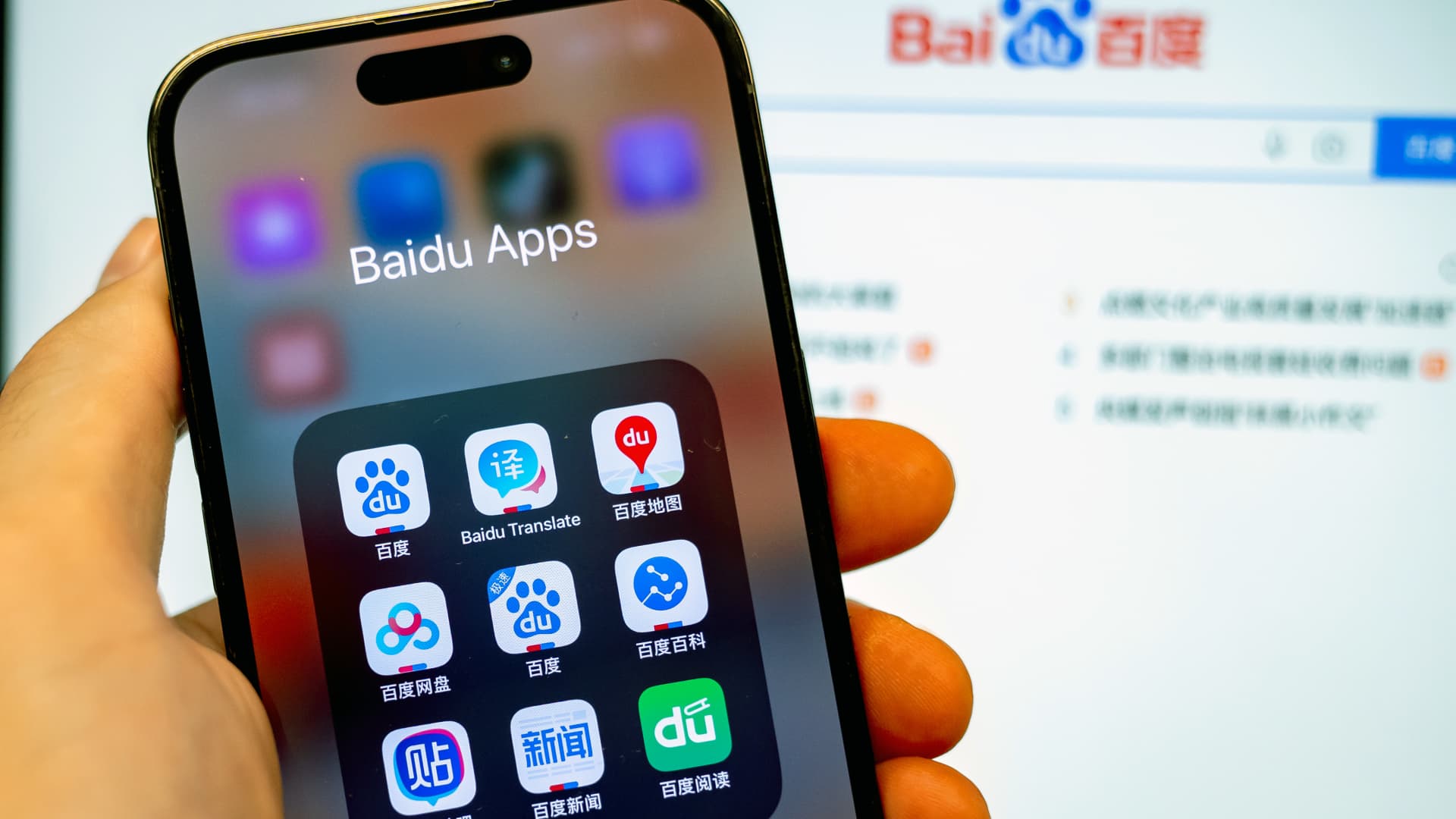
Hong Kong saw a surge in shares for Chinese tech giants Alibaba and Baidu, driven by confirmed partnerships with Apple to integrate their respective AI models into Apple Intelligence for users across China. This strategic collaboration underscores a significant shift in how global tech leaders navigate highly regulated markets to deliver advanced generative AI capabilities.
🚀 Tech Strategy & Market Disruptions
- Strategic AI Integration. Apple’s move to embed Alibaba’s Qwen and Baidu’s foundational AI models directly into iOS, iPadOS, macOS, and visionOS ensures broad user access to advanced generative AI capabilities within China.
- Regulatory Validation. The explicit approval by China’s Cyberspace Administration (CAC) for Apple Intelligence and other smartphone-based AI services provides crucial regulatory certainty, facilitating market entry and broader adoption.
- Enhanced Market Competitiveness. This partnership allows Alibaba and Baidu to scale their AI innovations to Apple’s vast user base, cementing their positions in a fiercely competitive global AI landscape and fostering innovation-driven growth.
The news, which saw Alibaba’s Hong Kong-listed shares climb 5% and Baidu’s gain 4%, highlights the critical role of the Apple AI partnership in shaping the future of digital services in China. Alibaba confirmed its Qwen AI model will be natively integrated into Apple Intelligence experiences, enabling users to leverage advanced text and image understanding and generation without toggling between applications. Similarly, Baidu announced its collaboration with Apple for Apple Intelligence features on iPhones in China.
This development comes amidst an escalating technological rivalry between China and the U.S. for AI dominance, with both nations keen on setting global standards and maintaining economic competitiveness, as highlighted by a RAND report. The Cyberspace Administration of China’s recent notice, which included Apple Intelligence among approved smartphone-based AI services, provides a clear regulatory pathway for these collaborations to flourish.
Beyond the immediate stock market reaction, the deeper implications revolve around the acceleration of AI adoption and the strategic positioning of these companies. Baidu’s AI chip unit, Kunlunxin, for instance, is reportedly targeting a $50 billion IPO in Hong Kong, signaling significant investment and innovation in underlying AI infrastructure. According to CNBC, an Alibaba spokesperson stated that the Qwen integration will allow users to ‘access the model’s capabilities, like text and image understanding and generation, without needing to jump between tools.’
Key aspects of this integration include:
- Seamless user experience with AI tools directly within Apple’s ecosystem.
- Leveraging local AI expertise for culturally and linguistically nuanced generative AI.
- Establishing a precedent for global tech companies partnering with regulated local AI providers.
This type of deep integration is essential for navigating the complexities of China’s digital economy, where foreign tech giants often rely on local partnerships to comply with data sovereignty and content regulations. For deeper insights into global technology market trends, StockXpo offers comprehensive analysis.
The integration of Alibaba’s Qwen AI and Baidu’s models into Apple Intelligence creates a powerful disruption flow. This direct embedding means Apple’s vast user base in China will gain immediate access to sophisticated generative AI, fostering increased engagement and reliance on AI-powered features. This leads to enhanced user productivity and creativity, driving demand for more advanced AI applications. Consequently, it bolsters the competitive stance of Alibaba and Baidu, enabling them to scale their AI innovations rapidly and solidify their market leadership, ultimately accelerating the pace of digital transformation across various sectors within China.
‘This collaboration fundamentally reshapes the landscape for AI model deployment within a hyper-regulated yet vast market, demonstrating how strategic alliances can overcome geopolitical and technological friction to drive innovation-driven growth,’ noted a senior StockXpo technology analyst.
The financial implications of this announcement were immediate and significant:
- Alibaba’s Hong Kong-listed shares rose 5% following the confirmation of Qwen AI integration.
- Baidu’s Hong Kong-listed shares climbed 4% as its partnership with Apple for iPhone AI features was verified.
- Baidu’s AI chip unit, Kunlunxin, is eyeing a potential $50 billion IPO in Hong Kong, reflecting robust investor confidence in its AI infrastructure.
Alibaba’s Qwen Platform Architecture: A Glimpse into Scalability
Alibaba Cloud’s Qwen large language model series, encompassing Qwen-Long, Qwen-VL, and Qwen-Audio, represents a robust and scalable platform architecture designed for multi-modal AI capabilities. The integration into Apple Intelligence will likely leverage Qwen’s distributed training frameworks and inference engines, optimized for low-latency responses and high-throughput processing. This architecture is built upon a foundation of extensive data pipelines and specialized hardware acceleration, allowing for the efficient handling of complex tasks like text generation, image understanding, and multimodal content creation directly on user devices or through cloud-based inference, depending on the specific implementation. This scalable design enables the seamless deployment of AI services across diverse hardware, from data centers to edge devices, a critical factor for global technology firms. For further analysis on global tech developments, visit Reuters Technology.
Baidu’s Ecosystem Expansion Potential Through AI
Baidu’s collaboration with Apple significantly enhances its ecosystem expansion potential, particularly in the competitive Chinese market. Beyond its established search engine and mapping services, Baidu operates a comprehensive suite of internet-based services, cloud offerings, and increasingly, AI-driven applications. The integration with Apple Intelligence provides an unparalleled channel to introduce Baidu’s AI capabilities, such as its Ernie Bot and related models, to a massive, affluent user base. This strategic move could accelerate user adoption of Baidu’s broader AI offerings, from smart home devices integrated with DuerOS to autonomous driving solutions powered by Apollo. By embedding its AI directly into Apple’s premium devices, Baidu is not just gaining market share but is also legitimizing its AI models as world-class, potentially influencing future global partnerships and solidifying its position among leading technology firms. This alignment offers educational tech insights into how strategic alliances can unlock new avenues for market penetration and innovation on complex issues surrounding emerging technologies.
The Ripple Effect of Apple AI Partnership on China’s Tech Future
The Apple AI partnership with Alibaba and Baidu is more than just a collaboration; it’s a strategic maneuver that signals maturity in the Chinese AI market and a pragmatic approach to innovation-driven growth amidst geopolitical tensions. By leveraging local AI champions, Apple ensures compliance and relevance, while Alibaba and Baidu gain access to a premium ecosystem, accelerating their models’ widespread adoption.
- The integration validates the advanced capabilities of Chinese AI models on a global stage.
- It sets a precedent for how Western and Chinese tech giants can collaborate in sensitive sectors under regulatory oversight.
- This move will likely intensify competition and spur further AI innovation within China’s domestic tech landscape.
Will this pragmatic alliance lead to a broader pattern of cross-border tech collaborations, or remain a singular exception in the race for AI dominance?
📊 StockXpo Analyst’s View
Market Impact: This partnership is a significant confidence booster for Chinese tech stocks, particularly those with strong AI portfolios. It suggests a pathway for global integration despite regulatory hurdles and technological rivalry, potentially drawing further foreign investment into China’s AI sector. Investor sentiment will likely remain positive towards companies demonstrating similar cross-border strategic agility.
Sector To Watch: The immediate beneficiaries are large language model developers and AI infrastructure providers. Beyond that, the consumer electronics and automotive sectors within China, which stand to integrate these enhanced AI capabilities into their products and services, will be critical to monitor for cascading innovation.
Financial Disclaimer:
StockXpo.com is a financial news aggregator and educational portal, not a registered investment advisor or broker-dealer. All information, news, and analysis provided herein are strictly for educational purposes and do not constitute investment, financial, legal, or tax advice. Investing in the stock market involves high risks, and past performance is not indicative of future results. StockXpo will not be liable for any financial losses or investment damages. Always consult a certified financial advisor before making market decisions.
MORE IN INSIDE TECHNOLOGY

Bond Yields Under Pressure: IMF Warns of ‘Disorderly’ Spike Driven by AI Debt and Inflation
Published: Tuesday, October 13, 2026 · 1:21 AM
AI Breakthroughs: TikTok CEO Predicts Major Scientific Leap Within Three Years
Published: Monday, October 12, 2026 · 2:40 AM