Published: Thursday, July 16, 2026 · 11:37 PM | Updated: Thursday, July 16, 2026 · 11:37 PM
📊 254 views




Elon Musk’s ambitious AI infrastructure build-out in Greater Memphis has ignited a fervent AI Data Center Backlash across the United States, exposing critical tensions between rapid technological advancement and local community impact. What began as a strategic move to power xAI’s models and serve hyperscalers like Google and Anthropic has rapidly transformed into a cautionary tale of unchecked industrial expansion.
🚀 Tech Strategy & Market Disruptions
- Regulatory Onslaught Intensifies. State governments, from New York to New Jersey, are enacting moratoriums and legislation to control data center proliferation, forcing developers to reassess expansion strategies and cost models.
- Community Resistance as a Blueprint. The Memphis experience, characterized by noise pollution and environmental concerns from gas turbines, is now serving as a model for grassroots opposition nationwide, influencing zoning laws and political outcomes.
- National Security Versus Local Grievances. The U.S. Department of Justice’s intervention in lawsuits, citing national security implications for xAI’s infrastructure, highlights a complex balancing act between strategic technological mandates and local environmental justice demands.
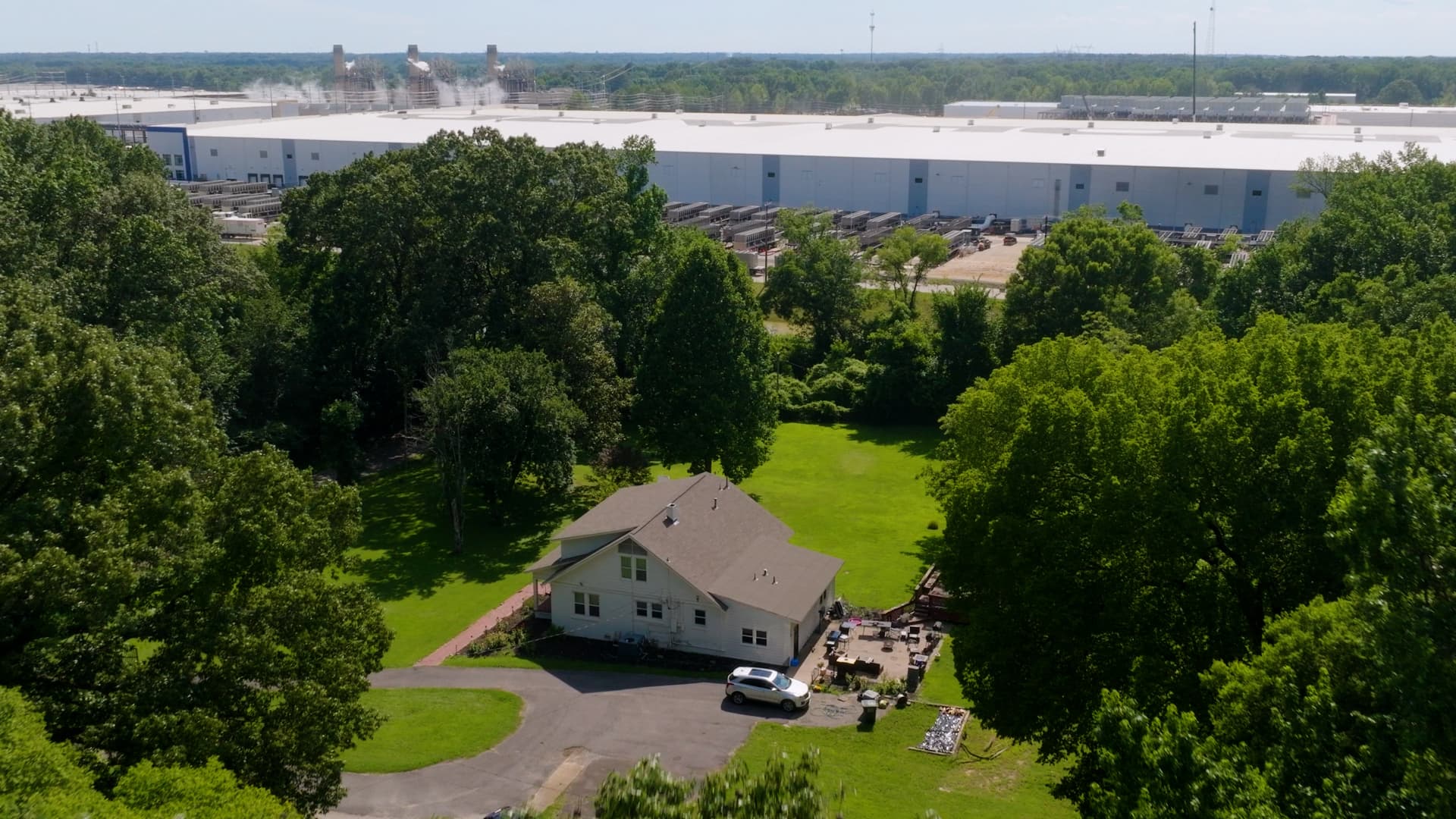
The rapid deployment of AI data centers, epitomized by Elon Musk’s xAI operations in Greater Memphis, has become a flashpoint for widespread public dissent. While xAI’s ‘Colossus’ and ‘Colossus II’ facilities represent significant computing power, securing multi-billion-dollar deals with tech giants for capacity, their operational footprint has generated substantial community grievances. Residents in areas like Southaven, Mississippi, bordering the xAI sites, report ‘torturous’ noise from gas-burning turbines and concerns over emissions, issues that were largely unaddressed prior to construction. This local discontent is fueling a broader AI Data Center Backlash nationwide.
This sentiment echoes broader market concerns often highlighted in Bloomberg’s reporting on infrastructure growth. A Gallup poll in May revealed that seven in ten Americans oppose local AI data center construction, with nearly half strongly opposed. Even Elon Musk has conceded the public’s reluctance to host power plants, a necessity for these energy-intensive facilities. The immediate fallout extends beyond noise complaints. New York Governor Kathy Hochul recently imposed a one-year moratorium on new AI data center construction, reflecting growing legislative caution. Similarly, New Jersey has passed laws ensuring data center operators bear a fair share of electricity costs, preventing the burden from shifting to local residents.
These policy shifts underscore a tightening regulatory environment for hyperscalers like Microsoft, Meta, Google, and OpenAI, which are all expanding their own data center footprints. Local opposition is not merely reactive; it’s becoming a proactive force. Communities in Olive Branch and Jackson have updated zoning laws, directly referencing Memphis’s struggles to prevent similar outcomes. Political consequences are also manifesting. In Utah, officials who backed a data center project, including a state Senate president, lost their primary elections, signaling voter sensitivity to these developments. Memphis residents and climate advocates are sharing their experiences as a cautionary tale, using lessons learned to help other communities push for updated regulations, or more favorable deals with data center developers, providing valuable educational tech insights for proactive community engagement.
Jigar Shah, former director of the U.S. Department of Energy loan program office, aptly summarized the situation, stating, “When you think about what precedent Colossus has set, it hasn’t been a great one… It certainly is a case study for what not to do in most of the rest of the country. But from a capitalist standpoint, they got rewarded.”
The escalating demand for AI compute capacity is driving an unprecedented boom in data center construction, leading to accelerated infrastructure development. This rapid expansion, however, often overlooks comprehensive environmental and community impact assessments, resulting in significant localized externalities such as noise pollution, increased energy consumption, and environmental degradation from gas-burning turbines. These adverse effects directly trigger organized public opposition and legal challenges, compelling local and state governments to impose regulatory restrictions, moratoriums, and revised utility cost structures. This entire cause-and-effect chain fundamentally disrupts the traditional, unfettered growth model for technology infrastructure, forcing a re-evaluation of site selection, energy sourcing, and community engagement strategies for all major tech players, redefining the future economics of digital transformation.
“The rapid scaling of AI infrastructure, while crucial for innovation, must integrate sustainable practices and robust community engagement from conception. Overlooking these foundational elements risks not just local opposition, but widespread regulatory headwinds that can fundamentally derail long-term technological progress and market expansion.”
| Metric/Value | Description |
|---|---|
| $2.32 Billion/Month | Potential monthly revenue from compute capacity deals (Google, Anthropic, Reflection AI) at Colossus facilities. |
| 1,100+ Acres | Land acquired by SpaceXAI in Greater Memphis for data centers and power plants. |
| $25 Million | Taxes paid by SpaceXAI in its first year, making it the second largest tax-paying property in Shelby County. |
| 122 Days | Time taken to complete Colossus I data center, as stated by Elon Musk. |
| 7 in 10 Americans | Oppose AI data center construction in their local area (Gallup poll, May). |
The Balancing Act: xAI’s Ecosystem Expansion Versus Local Impact
xAI’s strategic move to offer compute capacity to other leading AI companies like Google, Anthropic, and Reflection AI signals a powerful ecosystem expansion strategy designed to monetize its substantial infrastructure investments beyond its own Grok models. This approach allows xAI to operate as a critical backend provider for the burgeoning AI industry, creating a significant revenue stream and establishing a vital, if contentious, role in the broader AI supply chain. However, this growth narrative is increasingly complicated by the acute local impact, raising questions about whether unchecked scale-up can be sustained without comprehensive community integration and environmental mitigation efforts. The immediate financial rewards, exemplified by the IPO and lucrative contracts, are now directly contrasted with the social and environmental costs, pushing regulators and local advocacy groups to challenge the very foundations of this expansion model.
Fortifying the Core: AI Infrastructure Security & Sustainability Imperatives
The immense scale and operational demands of modern AI data centers, particularly those like xAI’s Colossus facilities, underscore critical challenges in infrastructure security and long-term sustainability. Beyond the immediate concerns of noise and emissions, the sheer energy footprint and resource consumption (water for cooling, natural gas for power generation) require advanced, resilient solutions. From a CTO perspective, ensuring the physical and cyber security of these massive hubs, which house sensitive proprietary models and customer data, is paramount. Simultaneously, the imperative for sustainable operation—reducing carbon footprint, optimizing energy efficiency, and implementing water recycling—is no longer a secondary consideration but a core strategic pillar. Failure to address these sustainability issues proactively risks not only regulatory penalties but also reputational damage and diminished market value, making them central to the longevity and profitability of any AI infrastructure play. For more insights into emerging technologies, visit StockXpo’s technology section.
The Future Landscape of AI Data Center Backlash
The escalating AI Data Center Backlash marks a pivotal moment for the tech industry, signaling a necessary recalibration of how digital infrastructure development intersects with community welfare and environmental stewardship. While the demand for AI compute capacity will undoubtedly continue its exponential rise, the era of unbridled, rapid deployment without robust local engagement and sustainable planning appears to be drawing to a close.
- Regulatory Scrutiny Will Intensify: Expect more moratoriums, tougher permitting processes, and increased mandates for environmental and social impact assessments across states.
- Innovation in Sustainable Infrastructure: There will be accelerated investment in greener data center technologies, including advanced cooling, renewable energy integration, and waste heat recovery solutions to meet public and regulatory demands.
- Community Relations as a Strategic Differentiator: Companies prioritizing transparent engagement, benefit-sharing, and proactive mitigation of local impacts will gain a significant competitive advantage and faster approval cycles.
How will tech giants navigate this complex landscape to balance groundbreaking AI innovation with genuine community and environmental responsibility?
📊 StockXpo Analyst’s View
Market Impact: The rising AI Data Center Backlash introduces a new layer of risk and cost for hyperscale cloud providers and AI infrastructure developers. Investor sentiment may become increasingly sensitive to headlines detailing community opposition, lawsuits, and regulatory action, potentially impacting valuations of companies with large, rapidly expanding physical footprints. Project timelines could lengthen, and development costs may increase due to additional compliance, mitigation measures, and legal fees. This trend suggests a potential shift towards premium pricing for responsibly developed, sustainable data center capacity, making Reuters Technology a key source for tracking these shifts.
Sector To Watch: The energy infrastructure and environmental technology sectors are poised for significant growth as data center operators seek cleaner, more efficient, and community-friendly power and cooling solutions. Companies specializing in modular nuclear reactors, advanced geothermal, carbon capture, and innovative water treatment technologies will likely see increased investment and demand. Additionally, real estate investment trusts (REITs) focused on data centers in regions with favorable regulatory environments and strong community relations could outperform, reflecting a flight to quality and lower operational risk, further elaborated in deep dives on technology market trends.
Financial Disclaimer:
StockXpo.com is a financial news aggregator and educational portal, not a registered investment advisor or broker-dealer. All information, news, and analysis provided herein are strictly for educational purposes and do not constitute investment, financial, legal, or tax advice. Investing in the stock market involves high risks, and past performance is not indicative of future results. StockXpo will not be liable for any financial losses or investment damages. Always consult a certified financial advisor before making market decisions.
MORE IN INSIDE TECHNOLOGY

AI Legal Tech: Revolutionizing Billing and Training in Law with Innovation
Published: Saturday, October 10, 2026 · 2:58 AM

Starlink India: Regulatory Hurdles and Innovation-Driven Growth Risks
Published: Friday, October 9, 2026 · 12:48 AM