Published: Saturday, August 8, 2026 · 1:14 PM | Updated: Saturday, August 8, 2026 · 1:14 PM
📊 98 views




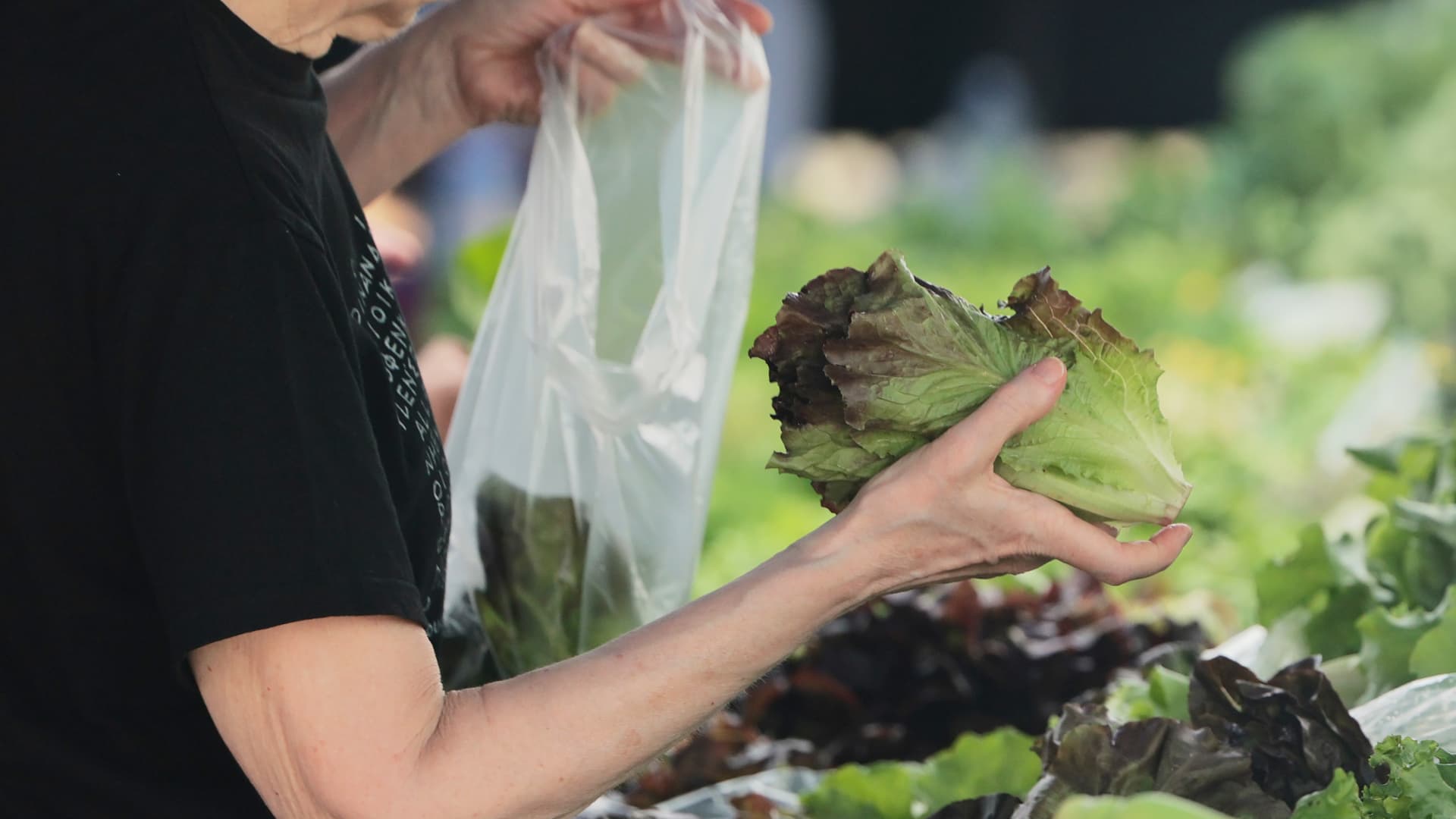
The recent surge in global stock markets has taken an unexpected turn for the food service industry, as widespread Cyclospora fears are prompting a significant downturn in salad sales. This health crisis, impacting major restaurant chains and grocery stores alike, underscores the critical vulnerabilities in fresh produce supply chains and forces a rapid strategic re-evaluation among market leaders.
🗝️ Corporate Strategy Insights
- Supply Chain Scrutiny. Brands are intensely re-evaluating sourcing, with an emphasis on local suppliers and stringent safety protocols to mitigate future contamination risks.
- Crisis Communication & Brand Trust. Proactive and transparent communication regarding food safety measures is crucial for rebuilding consumer confidence and protecting brand equity in a highly sensitive market.
- Menu Diversification Imperative. Companies heavily reliant on fresh produce like salads are compelled to diversify their menu offerings to reduce dependence on vulnerable ingredients and minimize future revenue volatility.
The recent cyclospora outbreak, linked primarily to iceberg lettuce from Taylor Farms’ central Mexico facility, has sent ripples of concern through the entire food service sector. Initially, fast-casual salad specialists bore the brunt. Chopt Creative Salad Co. experienced a 24% drop in traffic on July 18, immediately after the FDA’s announcement, as reported in various financial news reports. Sweetgreen, a prominent player in the healthy eating segment, subsequently lowered its full-year outlook, attributing a 6 percentage point impact on same-store sales in July directly to consumer apprehension. Even smaller chains like Salad and Go succumbed, filing for Chapter 11 bankruptcy and ceasing operations, a clear indicator of how quickly such health scares can exacerbate existing corporate growth strategies.
The disruption extends beyond specialized salad chains. Grocery stores reported a 14% plunge in dollar sales of prepackaged salads in the four weeks ending July 25, according to NielsenIQ data, highlighting a broad-based decline in consumer trust for ready-to-eat greens. While Yum Brands’ Taco Bell was identified as using contaminated lettuce, its business showed signs of recovery by late July, perhaps due to its menu’s broader appeal beyond salads. Conversely, Chipotle Mexican Grill, despite offering romaine lettuce and cilantro toppings, observed a softening of about 200 basis points in sales during the latter half of July, impacted by industry-wide business concerns.
- Placer.ai Data: Chopt Creative Salad Co. traffic fell 24% on July 18, following the FDA announcement.
- Sweetgreen Impact: About 6 percentage points on July same-store sales, leading to a cut in its full-year outlook.
- NielsenIQ Data: Prepackaged salad dollar sales in groceries plunged 14% for the four weeks ended July 25 year-over-year.
- Chipotle Sales Dip: Approximately 200 basis points softening in the second half of July, attributed to industry issues.
The strategic ripple effect of these cyclospora fears is multifaceted, forcing companies to react swiftly to protect their brands and bottom lines. For Sweetgreen, the immediate impact was a downward revision of its financial outlook, signaling a direct hit on revenue potential. This move could pressure competitors like Cava, whose earnings report is highly anticipated, to demonstrate robust food safety measures or face similar investor skepticism. The broader consequence is a shift in consumer behavior, potentially leading to a long-term preference for cooked alternatives or highly scrutinized fresh produce, thereby altering market share dynamics within the fast-casual and grocery sectors.
The cyclospora outbreak serves as a stark reminder of how fragile consumer trust can be, demanding that food service companies invest heavily in transparent, verifiable supply chain integrity to sustain market leadership and operational efficiency.
Sweetgreen and other chains have implemented immediate damage control strategies to reassure their customer base. Sweetgreen’s CEO emphasized that the chain has never served iceberg lettuce and sources all its greens from the U.S., a direct attempt to differentiate itself from the implicated suppliers. Similarly, Just Salad detailed its rigorous food safety protocols, including double washing and peeling outer leaves, while Chopt used social media to reaffirm its commitment to food safety. These actions are critical for mitigating reputational damage and preventing further erosion of market share in a highly competitive landscape, reflecting a broader shift in corporate strategy towards heightened transparency and direct consumer engagement on safety.
Sweetgreen Strategic Analysis
Sweetgreen’s response to the cyclospora outbreak highlights its strategic agility in crisis management, despite the immediate financial setback. By publicly disavowing iceberg lettuce and emphasizing U.S. sourcing, the company aimed to leverage its existing brand narrative around fresh, high-quality, and responsibly sourced ingredients. This strategic communication, while necessary, also underscores the challenge for a brand built on fresh produce to navigate health scares. Its future growth trajectory will heavily depend on its ability to not only maintain stringent food safety standards but also to effectively communicate these efforts to a wary public, ensuring that its competitive advantages in the health-conscious fast-casual segment remain intact. The incident could also accelerate exploration of alternative protein or non-leafy green menu items to diversify risk.
Chipotle Market Leadership
Chipotle Mexican Grill’s slight sales dip during the cyclospora scare, compounded by a separate salmonella recall, demonstrates even market leaders are not immune to supply chain vulnerabilities and consumer apprehension. Despite its strong brand equity and robust operational efficiency, these incidents underscore the constant vigilance required in the food industry. Chipotle’s expansive menu, which relies heavily on fresh ingredients like romaine and cilantro, means it must continuously reinforce its commitment to food safety. The ability of a dominant player like Chipotle to absorb such shocks, while still reporting strong overall earnings, solidifies its market leadership, but also pushes for even more rigorous internal and external auditing of its vast supply network to maintain customer trust and operational integrity.
Cyclospora Fears: Navigating the Future of Fresh Food
The cyclospora outbreak has undeniably reshaped consumer perceptions of fresh produce, compelling the food service industry to prioritize safety measures and transparent sourcing. This incident is a harsh lesson in operational resilience and the strategic importance of building consumer trust in a crisis, offering valuable educational insights on market trends.
- Enhanced food safety protocols are now a non-negotiable industry standard.
- Supply chain traceability and diversification will become key competitive differentiators.
- Companies must proactively manage public perception to mitigate financial and reputational damage.
As health departments signal a potential easing of the immediate threat, can the industry fully recover consumer confidence, or will these cyclospora fears permanently alter our appetite for fresh greens?
### 📊 StockXpo Analyst’s View
Market Impact: The immediate market reaction saw declines in stock prices for affected companies like Sweetgreen and Chipotle, signaling investor sensitivity to food safety risks. While some, like Yum Brands, showed quicker recovery due to diversified offerings, the broader market may now price in higher supply chain risk premiums for companies heavily reliant on fresh produce. This could lead to short-term volatility and a flight to perceived safer investments within the restaurant sector.
Sector To Watch: The food supply chain and quality assurance technology sectors are poised for significant growth. Companies offering advanced traceability solutions, pathogen detection, and enhanced processing technologies will likely see increased demand. Furthermore, the alternative protein and plant-based food industry, particularly those focusing on processed or cooked items, might experience a boost as consumers seek safer, less ‘raw’ options, driving investment towards innovation in food production and safety.
Financial Disclaimer:
StockXpo.com is a financial news aggregator and educational portal, not a registered investment advisor or broker-dealer. All information, news, and analysis provided herein are strictly for educational purposes and do not constitute investment, financial, legal, or tax advice. Investing in the stock market involves high risks, and past performance is not indicative of future results. StockXpo will not be liable for any financial losses or investment damages. Always consult a certified financial advisor before making market decisions.
MORE IN INSIDE BUSINESS

Saudi Arabia Flight Decision: Delta Weighs Safety Amid Regional Tensions
Published: Friday, October 9, 2026 · 7:21 AM

Skydance Vertical Win: Ellison’s Bold Strategy for Media Dominance
Published: Thursday, October 8, 2026 · 12:44 PM