Published: Wednesday, July 15, 2026 · 6:38 AM | Updated: Wednesday, July 15, 2026 · 6:38 AM
📊 209 views




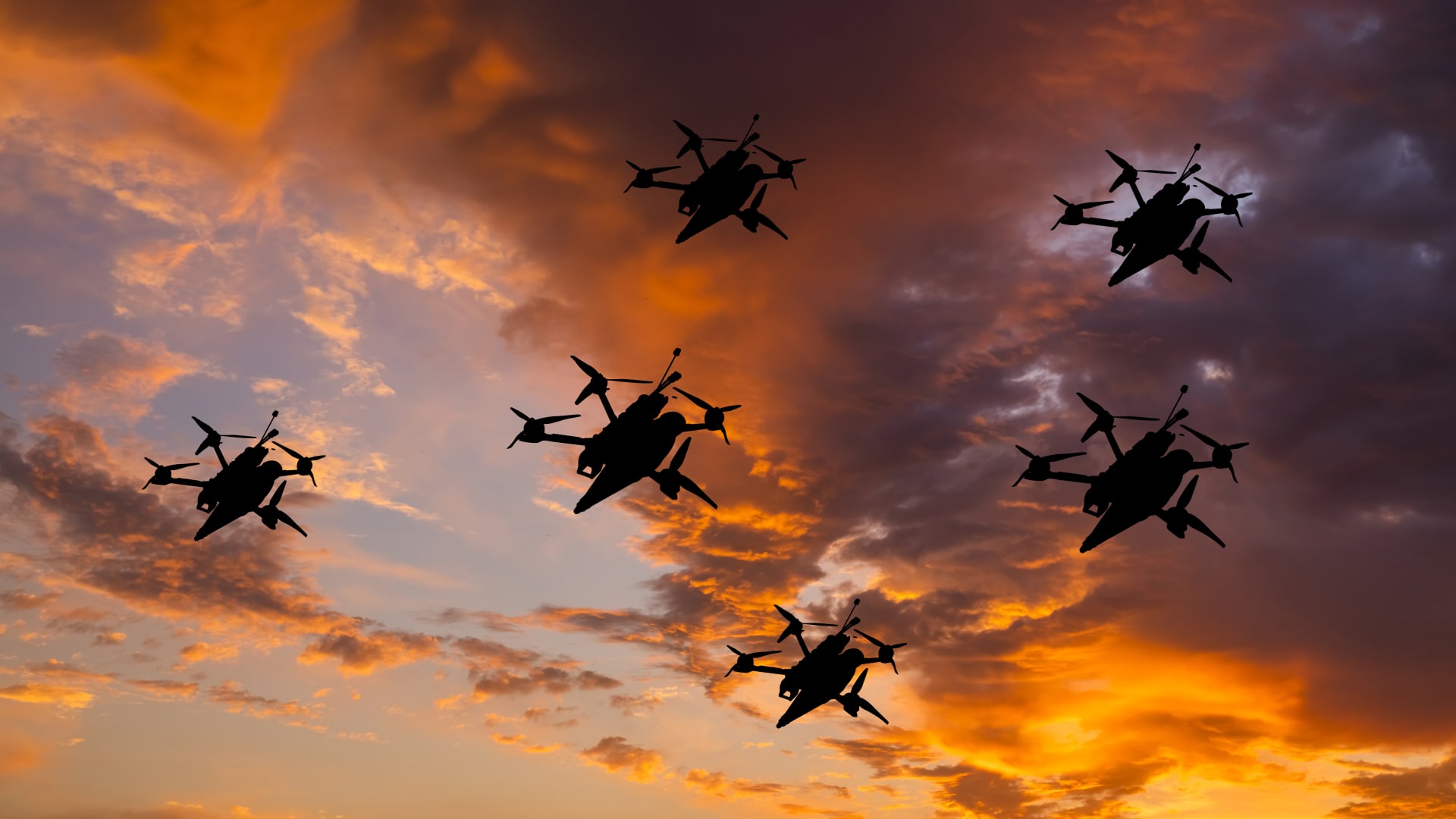
Europe is rapidly accelerating its investment in Europe drones and autonomous systems, driven by lessons from modern conflicts and a pressing need to redefine continental security. Recent commitments signal a profound shift, positioning drones from niche battlefield tools to a core pillar of future defense strategies, sparking innovation-driven growth across the tech sector.
🚀 Tech Strategy & Market Disruptions
- Massive Investment Wave. NATO pledges $40 billion, the U.K. earmarks £5 billion, and Germany procures 50,000 drones, showcasing a continent-wide commitment to drone technology.
- Software-Defined Warfare. Companies like Auterion are enabling drones to operate autonomously in contested environments, emphasizing the critical role of AI and sophisticated software over traditional hardware.
- Ecosystem Expansion. The surge in drone adoption is boosting demand for AI, secure communications, electronic warfare, and satellite intelligence, creating broad opportunities beyond drone manufacturing.
Europe’s strategic pivot towards unmanned aerial vehicles (UAVs) reflects a critical re-evaluation of modern defense capabilities, heavily influenced by the Russia-Ukraine war and Iran’s deployment of low-cost Shahed drones. This shift, unfolding at an unprecedented pace, is redefining military planning, moving autonomous systems from auxiliary support to central operational roles. NATO, for instance, has unveiled a new drone initiative, committing over $40 billion to develop counter-drone capabilities within the next five years, signaling a concerted effort to become “drone-ready,” as stated by Secretary General Mark Rutte.
The U.K. is mirroring this ambition with its Defence Investment Plan, allocating £5 billion ($6.7 billion) to a “UK drone transformation” program. This significant outlay aims to bolster its armed forces with advanced autonomous systems. Meanwhile, Germany recently confirmed a 90-million-euro order for 50,000 drones for Ukraine, developed jointly by defense software company Auterion and Ukrainian drone maker Skyfall. Auterion’s CEO, Lorenz Meier, highlighted how software is increasingly defining the battlefield, enabling drones to strike targets despite electronic jamming or operate below the radio horizon—capabilities critical for modern, contested environments. He also noted plans to introduce software for coordinated drone swarms, transforming individual aircraft into networked forces.
This burgeoning demand extends far beyond mere drone manufacturing. The complex operational requirements of these systems necessitate a robust ecosystem of supporting technologies. Morningstar analyst Loredana Muharremi emphasized that future defense demands secure communications, advanced battle management software, artificial intelligence, satellite-based intelligence, sophisticated sensors, and electronic warfare systems. This creates a multi-layered opportunity across the defense tech landscape.
- AI and machine learning for autonomous operation and real-time decision-making.
- Secure communication protocols for resilient, data-rich battlefield networks.
- Advanced battle management software for coordinated, networked force deployment.
- Electronic warfare systems to counter and neutralize enemy drone threats.
- Satellite-based intelligence and sensors for comprehensive situational awareness.
The integration of low-cost, AI-enabled drones with high-end conventional weapons is another emergent trend. This synergy allows for the distraction or overwhelming of enemy air defenses, enhancing the effectiveness and reach of military operations. This redefines not just how wars are fought, but also where investment flows in the defense sector, attracting significant venture capital interest in emerging technologies across Europe and North America, as detailed in recent global tech developments.
The rapid evolution in battlefield requirements, driven by real-world conflicts, has directly spurred unprecedented investment in next-generation autonomous systems. This surge in R&D, particularly in AI, advanced software, and specialized drone hardware, is not merely upgrading existing arsenals but fundamentally creating a “layered battlefield” paradigm. Such a paradigm inherently disrupts the traditional defense industry, fostering the emergence of new tech leaders capable of delivering software-defined warfare solutions and driving innovation within this technology market trends.
“The strategic imperative today is not merely hardware superiority, but software-defined resilience. A tank that can launch drones, receive real-time satellite intelligence, and integrate seamlessly into a networked force represents a complete re-architecting of defense. This shift demands deep technological integration, robust security, and agile development cycles to stay ahead of evolving threats.”
Recent financial data underscores the dramatic scale of this pivot toward drone and autonomous systems.
| Initiative/Company | Investment/Valuation | Context |
|---|---|---|
| NATO Drone Initiative | Over $40 Billion (5 years) | Counter-drone capabilities |
| UK Drone Transformation | £5 Billion ($6.7 Billion) | Strengthening armed forces with autonomous systems |
| Germany Drone Procurement | 90 Million Euro (50,000 drones) | Order for Ukraine (Auterion/Skyfall) |
| Helsing Funding Round | $18 Billion Valuation | Leading European defense tech startup |
| European Defense Tech VC (2021 vs. 2025) | €200 Million vs. €2.6 Billion | Accelerated venture capital investment |
Auterion’s Platform Architecture: Enabling Resilient Autonomy
Auterion’s operating system represents a critical advancement in drone resilience and capability. Its architecture focuses on enabling drones to maintain operational effectiveness even in highly contested electromagnetic environments. The system’s ability to allow drones to continue striking targets despite electronic jamming, by preserving targeting data even if video signals are lost, directly addresses a key vulnerability of conventional drone operations. Furthermore, the company’s foresight into developing software for coordinated drone swarms signifies a leap towards true network-centric warfare. This platform moves beyond individual drone control, providing operators with the tools to manage multiple autonomous units simultaneously, amplifying their collective impact and reducing human cognitive load in complex scenarios. Such architectural choices underscore a future where software intelligence is paramount in defining battlefield advantage.
Helsing’s Ecosystem Expansion Potential: Beyond Hardware
Munich-based Helsing’s impressive $18 billion valuation highlights the market’s confidence in its AI and autonomous software focus for military applications. While the company produces drones and underwater surveillance weapons, its core strength lies in building the intelligent layers that power these systems. This emphasis on software positions Helsing to drive significant ecosystem expansion. By developing adaptable AI and autonomy platforms, Helsing can potentially integrate with a wide array of existing and future defense hardware, becoming a critical enabler for various military applications—from reconnaissance and targeting to complex tactical maneuvers. This strategy suggests a vision where Helsing’s software could become a foundational element for a broad range of autonomous defense systems, fostering interoperability and accelerating innovation across the broader emerging technologies landscape, as frequently observed in the latest tech sector news.
The Ripple Effect of Europe Drones on Global Security Tech
The burgeoning investment in Europe drones signals a fundamental transformation in global defense strategies, moving beyond traditional hardware-centric approaches to embrace advanced AI and autonomous systems. This paradigm shift, driven by urgent geopolitical realities, positions software and integrated intelligence as the new battlegrounds for military advantage. As nations prioritize agile, networked capabilities, the implications for defense industries, technology firms, and venture capital remain profound.
- Investment in autonomous systems will drive cross-sector innovation, benefiting AI, software, and advanced materials.
- Software-defined capabilities are becoming a primary differentiator, fostering new partnerships and disrupting incumbent defense contractors.
- New defense tech startups, particularly those focused on AI and robotics, are poised for rapid growth and consolidation, attracting significant capital from investors seeking exposure to these educational tech insights.
How will this European push for drone superiority reshape international defense alliances and the future of military-grade innovation?
📊 StockXpo Analyst’s View
Market Impact: The surge in European drone investment is poised to significantly boost valuations for defense tech companies, particularly those specializing in AI, software, and autonomous systems. This capital inflow, including substantial VC funding, suggests a sustained period of growth, potentially leading to increased liquidity and M&A activity within the sector. Traditional defense contractors must rapidly adapt or risk market share erosion.
Sector To Watch: Investors should keenly observe the AI and machine learning sector, secure communications providers, and companies developing advanced sensor and electronic warfare systems. These areas are critical enablers for the next generation of Europe drones and autonomous defense, offering robust long-term growth prospects.
Financial Disclaimer:
StockXpo.com is a financial news aggregator and educational portal, not a registered investment advisor or broker-dealer. All information, news, and analysis provided herein are strictly for educational purposes and do not constitute investment, financial, legal, or tax advice. Investing in the stock market involves high risks, and past performance is not indicative of future results. StockXpo will not be liable for any financial losses or investment damages. Always consult a certified financial advisor before making market decisions.
MORE IN INSIDE TECHNOLOGY

AI’s Dual Edge: Innovation-Driven Growth Meets Global Economic Hazard
Published: Wednesday, October 7, 2026 · 3:12 AM

Anduril Navy Contract: A $2.9 Billion Breakthrough in Submarine Production
Published: Tuesday, October 6, 2026 · 9:36 AM