Published: Tuesday, July 14, 2026 · 8:30 PM | Updated: Tuesday, July 14, 2026 · 8:30 PM
📊 262 views




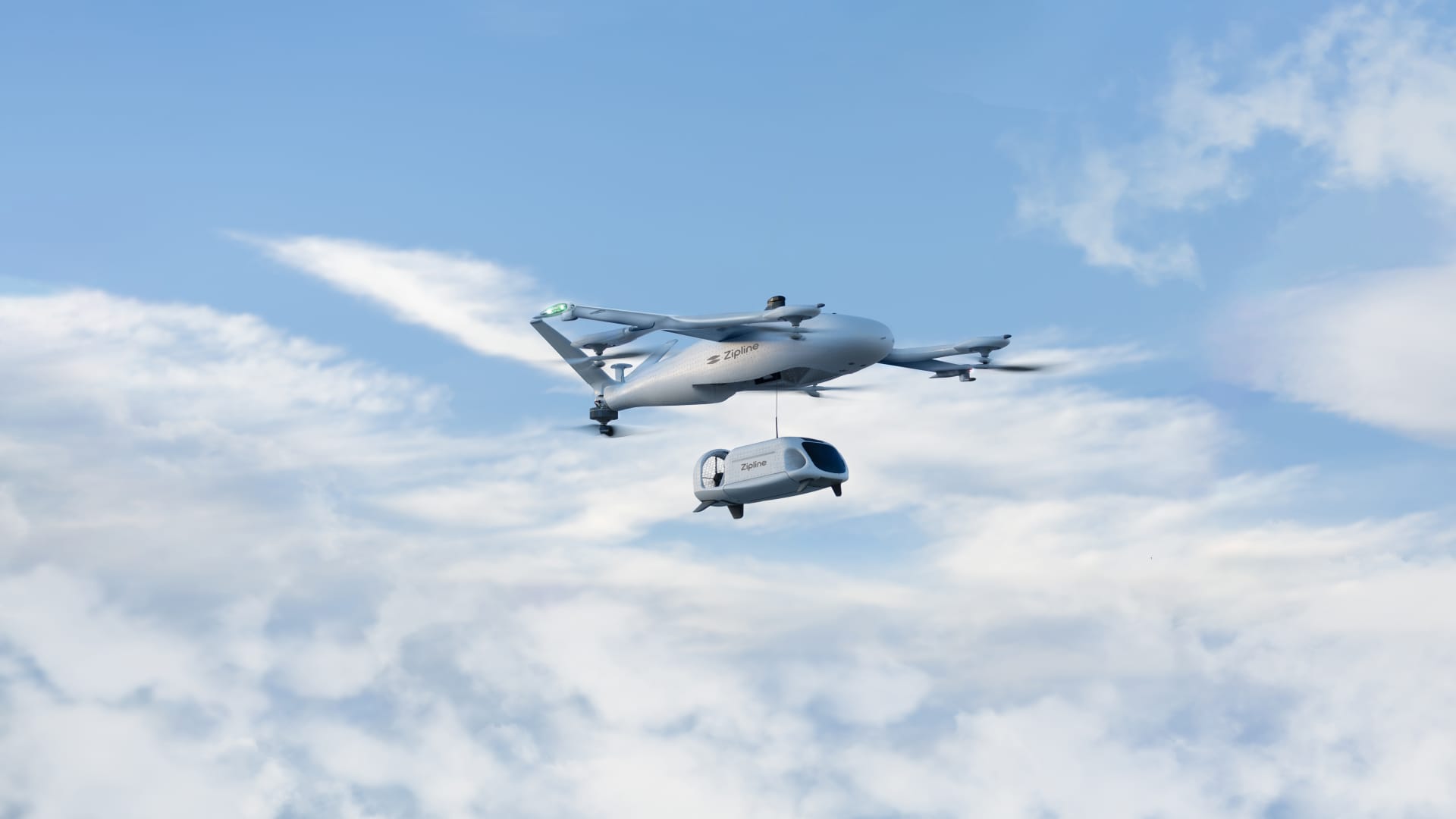
Zipline, a leader in autonomous logistics, is strategically bolstering its executive team with seasoned leaders from industry giants like Tesla, Uber, and Waymo. This move is a clear indicator of the company’s aggressive push to make drone delivery a ubiquitous reality across the United States and international markets.
🚀 Tech Strategy & Market Disruptions
- Talent Acquisition for Scalability. Zipline’s recruitment of former Tesla, Uber, and Waymo executives signals a focus on operational excellence and rapid scaling, essential for mainstream drone delivery adoption.
- Expanding Use Cases Beyond Healthcare. While initially focused on critical medical supplies, Zipline’s partnerships with entities like Little Caesars and Chipotle demonstrate a diversification into everyday consumer goods, broadening market appeal.
- Efficiency and Environmental Impact. The company’s autonomous electric drones offer a compelling alternative to traditional ground transport, promising reduced delivery times, lower carbon emissions, and potential mitigation of traffic congestion.
Zipline’s commitment to advancing the drone delivery landscape is underscored by its recent executive appointments. The addition of Sendil Palani, a former VP of Finance at Tesla, as CFO, and Kevin Vosen, who led legal at Waymo, signifies a strategic move to harness expertise honed at pioneering technology companies. Allen Penn, formerly of Uber Eats, steps in to spearhead commercial expansion, bringing invaluable experience in building and scaling delivery networks. This influx of talent is designed to propel Zipline’s mission to make deliveries as seamless as ‘teleportation,’ with some U.S. orders achieving delivery times as low as five minutes.
The company’s operational scale is already impressive, with over 2.5 million commercial deliveries completed and a current pace of one delivery every 20 seconds, a significant ramp-up from earlier periods. Approximately 70% of its daily volume now occurs in the U.S., marking a substantial shift from its foundational work in delivering medical essentials in Rwanda and Ghana. This expansion is not only organic but also supported by government initiatives, including the U.S. State Department, indicating growing mainstream acceptance and strategic partnerships.
Zipline’s Accelerated Market Penetration Strategy
The narrative of Zipline’s growth is a powerful testament to the maturation of the drone delivery sector. What was once considered a niche application for humanitarian aid is rapidly evolving into a core component of modern logistics. The company’s manufacturing capacity, capable of producing 24,000 drones annually, mirrors the mass-production efforts seen in the automotive industry’s transition to electric vehicles. This scalability is crucial as Zipline projects a 15-fold increase in its U.S. business this year alone and anticipates expansion into numerous new U.S. metros and significant international markets by 2027.
The competitive landscape is heating up, with rivals like Alphabet’s Wing, Flytrex, and Matternet also vying for market share. However, Zipline’s established track record and strategic executive hires position it strongly. PwC forecasts the U.S. drone market to grow by 65% annually from 2024 to 2034, with delivery volumes projected to surge from 13 million to over 800 million. This presents a ‘crazy inflection point’ where the once-novel concept of drone delivery is becoming an economically sensible and environmentally preferable alternative to traditional methods, a sentiment echoed by Zipline CEO Keller Rinaudo.
- The integration of former leaders from Tesla and Waymo points to a robust plan for scaling complex operations.
- Diversification into consumer goods delivery alongside healthcare expands Zipline’s addressable market significantly.
- Projected 15x growth in the U.S. market highlights a strong demand for efficient, autonomous delivery solutions.
The strategic infusion of executive talent from companies that have mastered mass-production and autonomous systems is a critical playbook for any deep-tech company aiming for widespread adoption. It bridges the gap between innovative technology and operational reality.
Zipline’s Operational Blueprint for Ubiquitous Delivery
Zipline’s approach to building out its delivery infrastructure involves a careful orchestration of manufacturing, logistics, and regulatory navigation. The company’s South San Francisco factory is a hub for its precision manufacturing capabilities, churning out autonomous drones ready to integrate into diverse supply chains. This vertical integration allows Zipline to maintain control over its technology and production scale, a key differentiator in a rapidly evolving market.
The company’s focus extends beyond just hardware. Software development for its delivery network, customer ordering app, and autonomous flight management are integral to its service offering. This comprehensive approach is vital for ensuring the reliability and efficiency required for high-volume drone delivery operations, as highlighted by their partnerships with major U.S. retailers and healthcare providers. The potential to overcome logistical hurdles posed by damaged roads or extreme weather further solidifies the strategic value of their autonomous aerial capabilities.
Zipline’s Path to Dominating the Skies
Zipline’s expansion into new U.S. markets like Austin and Houston, coupled with its ongoing operations in Dallas and Cleveland, demonstrates a methodical approach to market penetration. The company’s ambition extends to international markets as well, suggesting a global vision for its autonomous delivery network. This expansive strategy, fueled by significant venture capital and strategic leadership, positions Zipline at the forefront of what is rapidly becoming an essential component of modern commerce and emergency response.
The market’s readiness for widespread drone delivery is palpable. As Zipline continues to refine its technology and expand its operational footprint, it is not just building a delivery service; it is architecting a new paradigm for logistics. The company’s ability to attract top-tier talent from leaders in electric vehicles and autonomous transportation is a clear signal of its potential to redefine how goods are moved, making it a pivotal player in the future of supply chain innovation. To understand the broader implications for technology market trends, one might look to insights from technology market trends.
Zipline’s strategy appears sound, aiming to capture significant market share by leveraging a robust executive team and expanding its service offerings. The company’s emphasis on efficiency and environmental consciousness aligns with growing consumer and corporate demands for sustainable solutions. For a deeper dive into emerging technologies, exploring emerging technologies is highly recommended.
The company’s ability to execute its ambitious growth plans will be closely watched by competitors and investors alike. The sector is poised for substantial growth, as evidenced by market projections, and Zipline’s aggressive expansion strategy suggests it aims to be a primary beneficiary. Further educational tech insights can be found at educational tech insights.
Given the rapid advancements in autonomous systems and the increasing demand for faster, more efficient delivery, Zipline is well-positioned to capitalize on these trends. The challenges of regulatory approval and public acceptance, while significant, are being addressed through demonstrated success and strategic partnerships.
The potential for Zipline’s drone delivery network to revolutionize logistics is substantial. As they continue to scale and integrate their services across more urban and suburban environments, the impact on traditional delivery models will likely be profound.
Zipline’s Next Horizon: Dominating the Skies in 2027
Zipline is gearing up for a transformative period, with projections indicating a 15x growth in its U.S. operations within the next year and expansion into numerous new domestic and international markets by 2027. This aggressive scaling is backed by significant investment and a clear vision for making autonomous aerial logistics commonplace.
- The company is targeting extensive growth in the U.S. market, aiming for a 15x increase in operations this year.
- Significant expansion into new U.S. metropolitan areas and key international markets is planned for 2027.
- Zipline’s strategic leadership additions are set to manage this rapid scaling and operational complexity.
What does Zipline’s accelerated U.S. expansion imply for the broader regulatory framework governing autonomous aerial vehicles?
📊 StockXpo Analyst’s View
Market Impact: Zipline’s aggressive expansion and executive hires are creating significant positive sentiment, potentially driving increased investor interest in the autonomous logistics sector and boosting market liquidity for related technology companies. Competitors will face increased pressure to innovate and scale, potentially leading to market consolidation or intensified R&D efforts.
Sector To Watch: The direct-to-consumer (DTC) logistics and last-mile delivery sectors will be most profoundly impacted, alongside the healthcare and QSR industries looking to optimize their supply chains through rapid aerial transit. The aerospace and materials science sectors supporting drone manufacturing will also see increased demand.
Financial Disclaimer:
StockXpo.com is a financial news aggregator and educational portal, not a registered investment advisor or broker-dealer. All information, news, and analysis provided herein are strictly for educational purposes and do not constitute investment, financial, legal, or tax advice. Investing in the stock market involves high risks, and past performance is not indicative of future results. StockXpo will not be liable for any financial losses or investment damages. Always consult a certified financial advisor before making market decisions.
MORE IN INSIDE TECHNOLOGY

SK Hynix Shares Rebound: A Strategic Shift in Semiconductor Funding
Published: Friday, October 23, 2026 · 1:46 AM

AI Innovation Fuels Southeast Asia’s Digital Growth
Published: Thursday, October 22, 2026 · 12:36 AM