
Published: Tuesday, July 14, 2026 · 1:04 PM | Updated: Tuesday, July 14, 2026 · 1:04 PM
📊 221 views




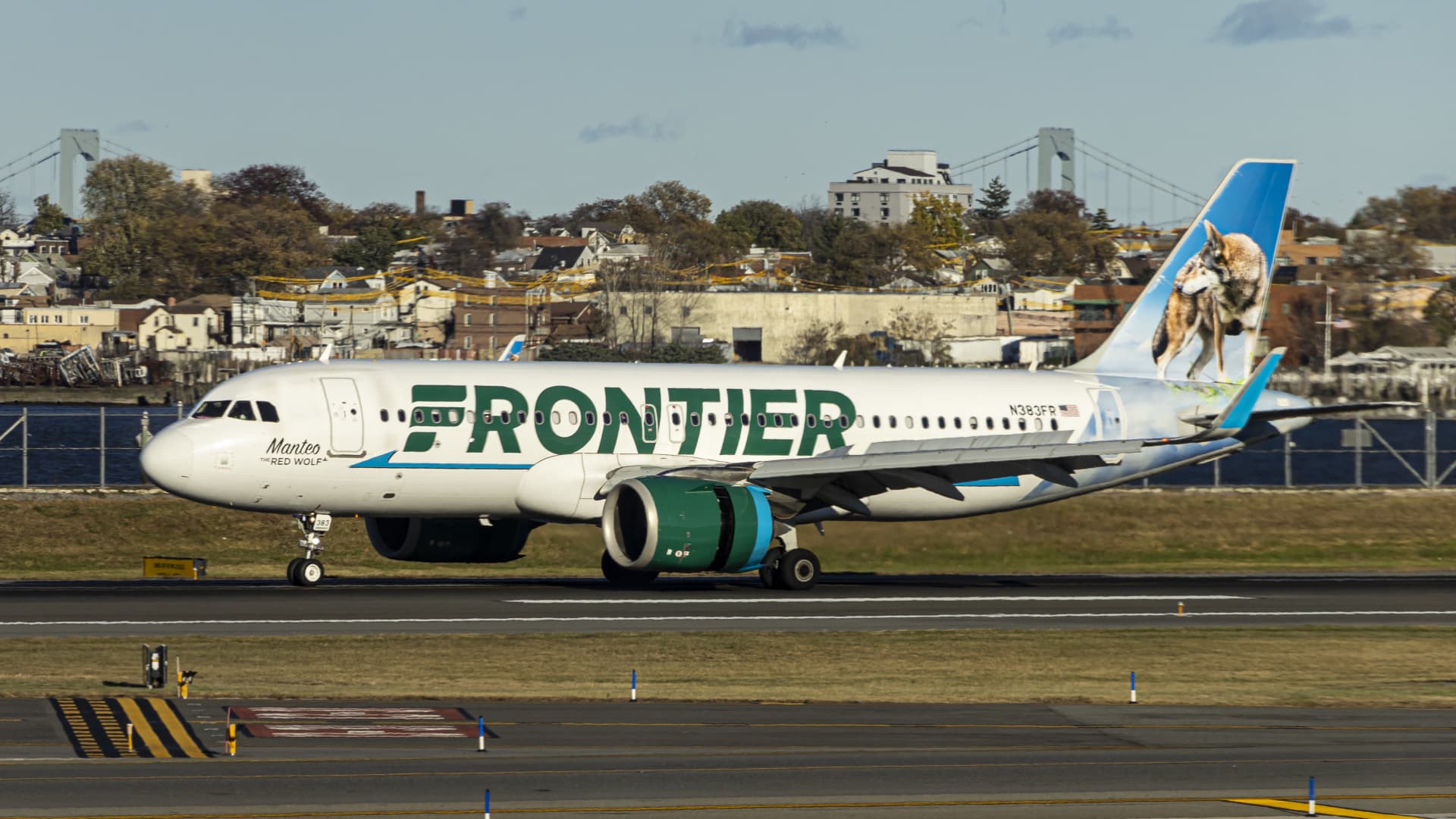
Frontier Airlines’ decision to finally integrate in-flight Wi-Fi via Starlink by 2027 represents a significant strategic pivot for the ultra-low-cost carrier model. This move, shared with four other budget airlines, signals a broader industry evolution where passenger expectations for connectivity are reshaping even the most cost-sensitive operations.
🗝️ Corporate Strategy Insights
- Market Pressure Drives Innovation. Budget carriers are adapting to rising passenger expectations and competition from full-service airlines.
- Operational Efficiency vs. Customer Experience. Frontier, once hesitant due to weight, now prioritizes enhancing customer experience, indicating a shift in its operational efficiency calculations.
- Consortium Approach with Indigo Partners. The collective adoption by five carriers linked to Indigo Partners suggests a coordinated strategy to leverage purchasing power and mitigate individual risk.
Frontier Airlines, alongside budget peers Volaris, Wizz, Jetsmart, and Cebu Pacific – all backed by private equity firm Indigo Partners – announced plans to introduce in-flight internet services from SpaceX’s Starlink by early 2027. This development comes after CNBC reported in 2022 on Frontier’s initial talks with Starlink, marking a departure from the airline’s long-standing reluctance to add Wi-Fi due to concerns over aircraft weight and associated fuel costs. The phased rollout, with Frontier’s first Starlink-equipped Airbus plane expected in early 2027, positions the carrier to meet evolving customer demands in an increasingly connected world.
Historically, Frontier, known for its no-frills model, has prioritized extreme cost-efficiency, often eschewing amenities considered standard on legacy carriers. Former CEO Barry Biffle articulated concerns about the added weight of Wi-Fi equipment. However, the current landscape sees major airlines like United and American already integrating Starlink Wi-Fi, often offering it complimentary to loyalty members, raising the bar for passenger expectations. This competitive pressure, coupled with the opportunity to potentially monetize a new service or enhance loyalty, appears to have tipped the scales.
Key aspects of this strategic shift include:
- Unified Approach: The collective deal involving five budget carriers under the Indigo Partners umbrella suggests a bulk purchasing agreement, potentially securing more favorable terms with SpaceX and improving overall economic viability.
- Enhanced Customer Value: Introducing reliable internet directly addresses a significant passenger demand, potentially improving customer satisfaction and attracting a broader demographic beyond traditional ultra-low-cost flyers.
- Revenue Diversification: While complimentary access for loyalty members is a model used by larger airlines, Frontier has yet to confirm its pricing strategy, opening avenues for ancillary revenue streams or a loyalty program boost.
Starlink’s growing dominance in the in-flight connectivity sector, with deals across more than 40 global carriers, underscores its technological prowess and scalable infrastructure, offering a robust solution that likely minimizes the weight and installation complexities that previously deterred Frontier. This expansion is critical for SpaceX’s strategy to broaden Starlink’s revenue base beyond consumer subscriptions.
Frontier’s adoption of Frontier Airlines Wi-Fi initiates a notable strategic ripple effect across the low-cost airline sector. The primary cause is heightened passenger expectation for connectivity, even within budget travel segments. This leads to a market expansion for in-flight Wi-Fi providers like Starlink and positions Frontier to compete more directly on customer experience rather than solely on price. The effect on competitors is a likely acceleration of Wi-Fi adoption across other budget carriers that have yet to offer the service, potentially eroding Frontier’s initial competitive edge if they delay. For larger rivals, this move by Frontier validates the demand for pervasive connectivity and might intensify their own efforts to differentiate service quality, potentially leading to further upgrades in their Wi-Fi offerings. This strategic upgrade is not just about connectivity; it’s a direct response to the ‘upmarket’ pressure on discounters, who are seeing legacy carriers capture more revenue from premium cabins, as highlighted by a report on global business trends.
The decision by Frontier Airlines to invest in Starlink Wi-Fi, alongside a planned debut of first-class seats, unequivocally signals a strategic repositioning of the airline model from pure ultra-low-cost to a hybrid offering that balances affordability with enhanced passenger amenities, a critical move to capture a wider market share.
Key operational and market indicators to monitor include:
- Ancillary Revenue Growth: The potential increase in non-ticket revenue from Wi-Fi sales or loyalty program enhancements will be crucial.
- Customer Satisfaction Scores: Post-2027, passenger feedback on Wi-Fi quality and accessibility will reflect the success of this strategic investment.
- Load Factors & Market Share: Any shifts in passenger volume and market penetration could indicate the effectiveness of the updated service offering in a competitive landscape.
- Operating Costs per Available Seat Mile (CASM): Despite initial weight concerns, the long-term impact on fuel efficiency and overall operational expenditure will be a key performance metric.
Each of these metrics provides a tangible measure of how this shift in strategy impacts Frontier’s financial performance and competitive standing, offering insights into the evolving landscape of corporate growth strategies in the airline industry.
Frontier Airlines Strategic Analysis: Charting a New Course
Frontier’s move to introduce Frontier Airlines Wi-Fi and first-class seating represents a calculated risk and a clear strategic pivot. For years, the carrier thrived on a minimalist approach, appealing primarily to price-sensitive travelers. This new direction acknowledges that even the budget segment is maturing, with passengers increasingly valuing convenience and a seamless digital experience. By adopting Starlink, Frontier is not just adding an amenity; it’s investing in future-proofing its service offering against rivals who have already embraced advanced connectivity. This shift, potentially driven by investor insights from Indigo Partners, aims to broaden Frontier’s appeal without abandoning its cost-conscious roots, striving for a sweet spot that combines affordability with improved comfort and service quality.
SpaceX’s Starlink: Expanding its Competitive Advantages
SpaceX’s Starlink is rapidly solidifying its position as a dominant force in the in-flight connectivity market. Its low-Earth orbit (LEO) satellite constellation offers superior bandwidth and lower latency compared to traditional geostationary systems, providing a significant competitive advantage. Deals with carriers like Frontier, United, and American demonstrate its ability to scale across diverse airline models, from full-service to ultra-low-cost. This widespread adoption enhances Starlink’s network effect, making its service more robust and economically viable, further entrenching its market leadership. For airlines, Starlink offers a compelling proposition of high-quality internet without the heavy infrastructure or complex installation challenges of previous generations, simplifying operational integration. The expansion into commercial aviation is a vital component of SpaceX’s broader strategy to diversify Starlink’s revenue streams and achieve global connectivity.
Frontier Airlines’ Digital Leap: A Defining Moment?
Frontier Airlines’ commitment to integrating Starlink Wi-Fi by 2027 marks a pivotal moment for the budget carrier, signaling a strategic evolution from a pure no-frills model to one that balances cost-efficiency with essential modern amenities. This move reflects a broader industry trend where passenger expectations, even in the low-cost segment, are demanding enhanced connectivity and service.
- The adoption of Starlink Wi-Fi positions Frontier to better compete with full-service airlines on customer experience.
- This strategic pivot, including planned first-class seats, indicates a pursuit of higher-value revenue streams and a broader market appeal.
- The collective deal with other Indigo Partners-backed airlines suggests a concerted effort to leverage scale in technology adoption.
Will this digital transformation enable Frontier to redefine the ultra-low-cost carrier model for the next decade?
📊 StockXpo Analyst’s View
Market Impact: This announcement is likely to be viewed positively by investors, signaling Frontier’s proactive response to competitive pressures and evolving consumer demands. It could lead to increased passenger loyalty and potential ancillary revenue growth, offering a fresh narrative for stock markets looking for airline industry innovation. However, execution risk and pricing strategy remain key variables.
Sector To Watch: The airline industry, particularly the ultra-low-cost segment, will be under scrutiny as this shift could trigger similar upgrades across other budget carriers globally. Furthermore, the in-flight connectivity market, led by Starlink, demonstrates strong growth potential, making aerospace communication providers a compelling sector to monitor for investment analysis.
Financial Disclaimer:
StockXpo.com is a financial news aggregator and educational portal, not a registered investment advisor or broker-dealer. All information, news, and analysis provided herein are strictly for educational purposes and do not constitute investment, financial, legal, or tax advice. Investing in the stock market involves high risks, and past performance is not indicative of future results. StockXpo will not be liable for any financial losses or investment damages. Always consult a certified financial advisor before making market decisions.
MORE IN INSIDE BUSINESS
Saudi Arabia Flight Decision: Delta Weighs Safety Amid Regional Tensions
Published: Friday, October 9, 2026 · 7:21 AM

Skydance Vertical Win: Ellison’s Bold Strategy for Media Dominance
Published: Thursday, October 8, 2026 · 12:44 PM


