Published: Tuesday, July 14, 2026 · 8:29 PM | Updated: Tuesday, July 14, 2026 · 8:29 PM
📊 201 views




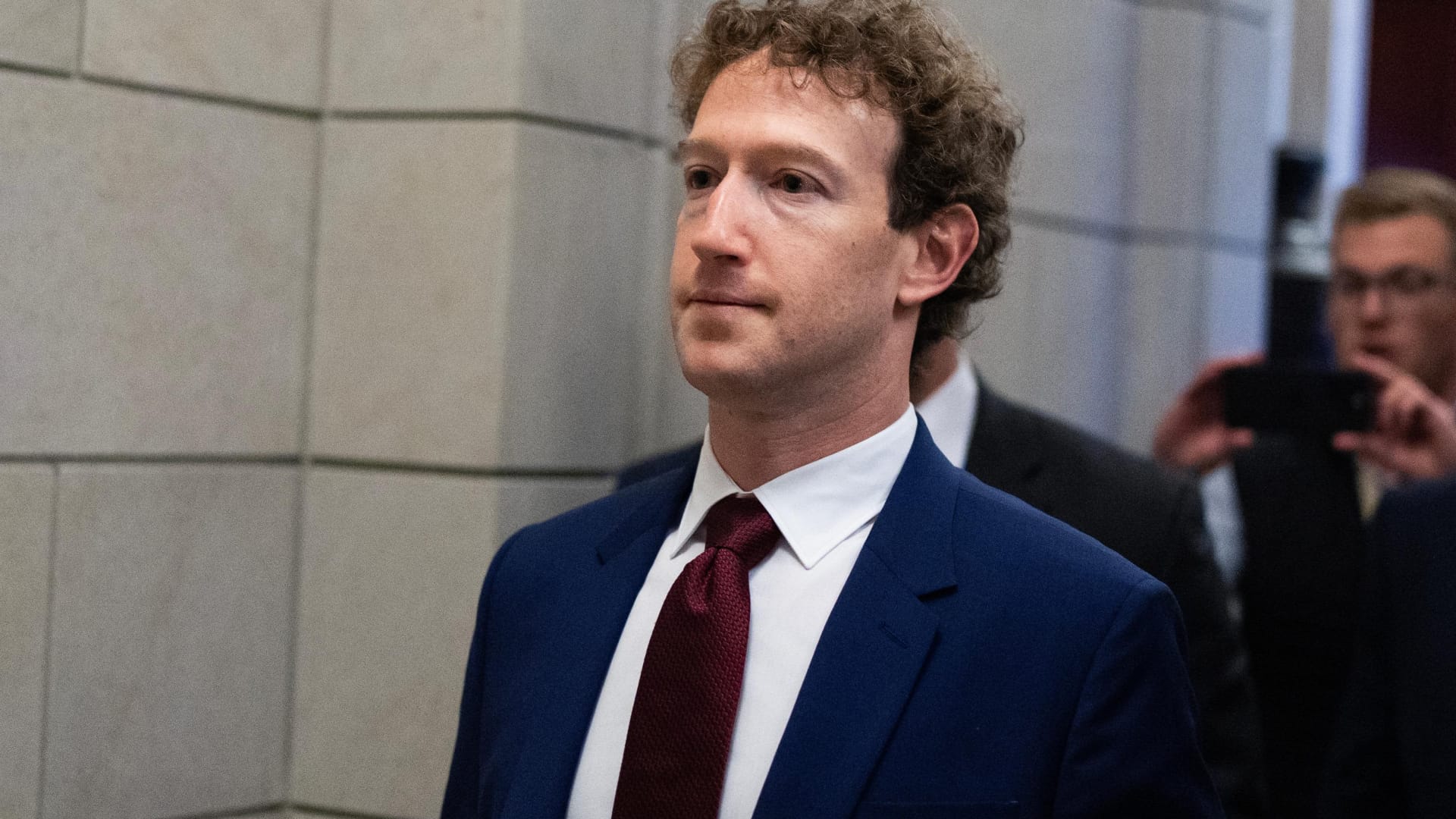
The social media giant Meta is currently embroiled in a significant legal challenge, with employees suing the company over allegations of AI discrimination in its recent workforce reduction. This development highlights critical ethical and operational risks associated with deploying artificial intelligence in sensitive human resource functions.
🚀 Tech Strategy & Market Disruptions
- Algorithmic Bias in HR. The core of the lawsuit centers on Meta’s AI systems potentially failing to account for protected leaves (pregnancy, disability) when assessing employee performance for layoffs, leading to discriminatory outcomes.
- Data Input Vulnerabilities. Plaintiffs argue that AI tools relying on metrics like performance ratings, calibration scores, and ‘AI-token consumption’ inherently disadvantage employees on leave, as these inputs cannot be accumulated during absences.
- Regulatory Scrutiny on AI Ethics. This lawsuit intensifies the ongoing debate and potential for increased regulatory oversight concerning the ethical deployment of AI in employment decisions, mirroring concerns seen in other AI hiring tools.
Twenty-six unnamed former and current Meta employees are at the forefront of this legal action, asserting that the company’s AI-driven decision-making process violated various protected-leave and discrimination acts. The core of their argument is that the AI models used for layoffs, which analyze performance ratings, calibration scores, productivity metrics, and AI-token consumption, are inherently flawed for employees on medical or family leave. These metrics, by their nature, cannot be accumulated by individuals taking approved time off, thereby unfairly penalizing them during the layoff selection process.
The plaintiffs contend that by using metrics such as ‘AI-token consumption’ as a proxy for AI usage, Meta’s systems inadvertently targeted employees who were on leave. This raises significant questions about the design, implementation, and auditing of AI systems used in critical workforce management decisions. Meta has refuted these claims, stating that ‘workforce management and organizational decisions were and are made by people, not AI,’ a position that will be tested in arbitration proceedings.
This legal challenge echoes similar concerns raised in other sectors regarding AI in hiring and employment. For instance, a recent ruling against tech firm Workday also involved allegations of AI bias in job screening tools. Such cases underscore the escalating tension between leveraging AI for efficiency and ensuring fairness, compliance, and ethical treatment of employees. The situation at Meta could serve as a critical precedent for how companies across industries approach AI in human resources.
- The lawsuit seeks a preliminary injunction to maintain the status quo of affected employees’ positions pending an independent audit of the AI selection process.
- This case highlights the broader societal anxiety surrounding AI’s impact on job security and the potential for algorithmic bias to exacerbate existing inequalities.
- Meta’s defense hinges on human oversight, but the plaintiffs’ detailed allegations about AI input metrics present a strong case for algorithmic accountability.
The AI Bias Audit Imperative for Workforce Analytics
The plaintiffs’ demand for an independent audit of Meta’s algorithmically assisted selection process points to a growing need for transparent and auditable AI systems in HR. As companies increasingly rely on AI for everything from recruitment to performance management and layoffs, the risk of embedding and scaling bias becomes a substantial business and ethical liability. Independent audits are crucial for validating that AI tools do not discriminate against protected groups and that their inputs and outputs are fair and equitable. This is not just a legal requirement but a foundational element of responsible innovation, ensuring that technological advancements serve to augment human capabilities rather than undermine fundamental rights. Exploring emerging technologies in emerging technologies will be key for companies looking to navigate these complexities.
The indiscriminate application of AI in workforce reduction, without robust safeguards for individuals on protected leave, represents a significant failure in ethical AI deployment and can lead to substantial legal and reputational damage. This isn’t just about legal compliance; it’s about building trust with employees and fostering a fair work environment.
Meta’s Platform Architecture & AI Governance
Meta’s internal AI systems, described as a ‘constellation,’ suggest a complex, interconnected architecture. The lawsuit implies that while individual components might be functional, the overarching integration and governance of these systems failed to account for the nuances of human resource management, particularly concerning protected leaves. This points to a potential gap in Meta’s AI governance framework, where the sophistication of AI tools outpaced the necessary ethical and legal considerations for their application in sensitive areas. Ensuring that AI governance frameworks are mature enough to handle edge cases and protected characteristics is paramount for large-scale AI deployments.
The Ripple Effect of AI Discrimination Claims on the Tech Market
This lawsuit against Meta, an industry leader, sends a clear signal about the increasing scrutiny on AI’s role in employment. The potential for widespread litigation and stricter regulatory frameworks could significantly alter the adoption trajectory of AI in HR tech. Companies are now under pressure to demonstrate that their AI solutions are not only effective but also fair and compliant with anti-discrimination laws. This development could lead to increased investment in AI ethics research, bias detection tools, and more robust human-in-the-loop oversight mechanisms. The broader implications for the technology market are substantial, potentially driving innovation in responsible AI development and auditing services.
The legal complaint filed in the U.S. Northern District Court of California underscores the plaintiffs’ intent to pursue their claims individually through arbitration. This approach allows for more focused examination of each claim, potentially uncovering specific instances of AI-driven discrimination. The outcome of this case will be closely watched by tech companies, HR professionals, and policymakers alike, shaping the future of AI in the workplace.
WATCH: Meta rebound should continue through July, says 3Fourteen’s Warren Pies.
Meta’s Workforce AI Governance Strategy
Meta’s defense suggests a strong belief in human agency overseeing AI-driven processes. However, the lawsuit’s detailed allegations about how AI metrics were used to identify candidates for layoffs cast doubt on the effectiveness of this oversight if the AI inputs themselves are flawed or biased. The company’s strategy must now contend with the possibility that its AI systems, even if managed by humans, can perpetuate discrimination if not rigorously designed and validated for fairness. This necessitates a proactive approach to AI governance, integrating ethical considerations from the design phase through deployment and continuous monitoring.
The Evolving Landscape of AI in Human Capital Management
The use of AI in human capital management is rapidly expanding, promising greater efficiency and data-driven decision-making. However, as the Meta lawsuit illustrates, it also introduces significant ethical and legal risks. Companies are increasingly expected to demonstrate not only the efficiency gains from AI but also their commitment to fairness and equity. The demand for specialized AI auditing services and tools that can identify and mitigate bias is set to grow, offering new opportunities within the emerging technologies sector. The implications for employee relations and corporate reputation are profound, making responsible AI deployment a critical component of modern business strategy.
Examining Meta’s AI for Layoff Decision-Making
The core of the dispute lies in how Meta’s AI systems processed employee data, particularly for those on protected leave. The plaintiffs assert that metrics such as ‘AI-token consumption’ unfairly penalized individuals who were absent due to medical or family reasons. This suggests a fundamental disconnect between the AI’s data inputs and the real-world complexities of employee circumstances, leading to potentially discriminatory outcomes. The lawsuit forces a critical look at whether AI tools designed for broad performance analysis are adaptable to the nuanced needs of protected employee groups.
Meta’s Employee AI Oversight: A Deep Dive
The employees’ suit against Meta raises critical questions about the oversight mechanisms for AI used in sensitive HR decisions. While Meta states that human decision-makers were ultimately responsible, the lawsuit alleges that the AI’s problematic metrics unduly influenced those decisions. This highlights a common challenge: how to ensure meaningful human oversight when the AI output itself might be flawed or biased. The potential for algorithmic bias to subtly shape human judgment is a key concern, necessitating transparency in AI models and their data inputs to ensure fairness and accountability in technology development.
The AI Discrimination Challenge for Tech Giants
This lawsuit serves as a stark reminder of the inherent risks of deploying AI without comprehensive ethical and legal safeguards. Meta’s situation underscores the urgent need for robust AI governance frameworks that address potential biases, particularly concerning protected classes. As AI becomes more integrated into business operations, companies must prioritize transparency, auditability, and fairness to mitigate legal liabilities and maintain employee trust. The outcome could drive significant shifts in how AI is developed and implemented in human resource functions across the entire industry, as detailed in our educational tech insights.
Navigating the AI Bias Minefield at Meta
The legal action against Meta underscores the complex interplay between advanced AI capabilities and fundamental employee rights. The allegations that AI systems failed to account for protected leaves in layoff decisions point to a critical need for ethical AI design and implementation. Companies must ensure their AI tools are sensitive to diverse employee situations and do not inadvertently create discriminatory outcomes. This case is likely to spur greater demand for AI ethics consulting and specialized auditing services within the tech sector.
📊 StockXpo Analyst’s View
Market Impact: This lawsuit could trigger a wave of regulatory scrutiny on AI usage in HR, potentially slowing down AI adoption in workforce management for risk-averse companies. It also increases the demand for AI auditing and bias detection services, benefiting specialized tech firms. Investor sentiment towards companies with less transparent AI governance may become cautious.
Sector To Watch: The HR Tech sector will see increased focus on compliance and ethical AI tools. Companies offering verifiable AI bias mitigation and audit solutions are poised for growth, while those relying on opaque AI algorithms may face challenges.
Financial Disclaimer:
StockXpo.com is a financial news aggregator and educational portal, not a registered investment advisor or broker-dealer. All information, news, and analysis provided herein are strictly for educational purposes and do not constitute investment, financial, legal, or tax advice. Investing in the stock market involves high risks, and past performance is not indicative of future results. StockXpo will not be liable for any financial losses or investment damages. Always consult a certified financial advisor before making market decisions.
MORE IN INSIDE TECHNOLOGY

Anthropic Pentagon Blacklisting: A Major Risk for AI’s Public Sector Role
Published: Wednesday, October 14, 2026 · 12:03 AM
Bond Yields Under Pressure: IMF Warns of ‘Disorderly’ Spike Driven by AI Debt and Inflation
Published: Tuesday, October 13, 2026 · 1:21 AM