Published: Tuesday, July 7, 2026 · 1:35 PM | Updated: Tuesday, July 7, 2026 · 1:35 PM
📊 191 views




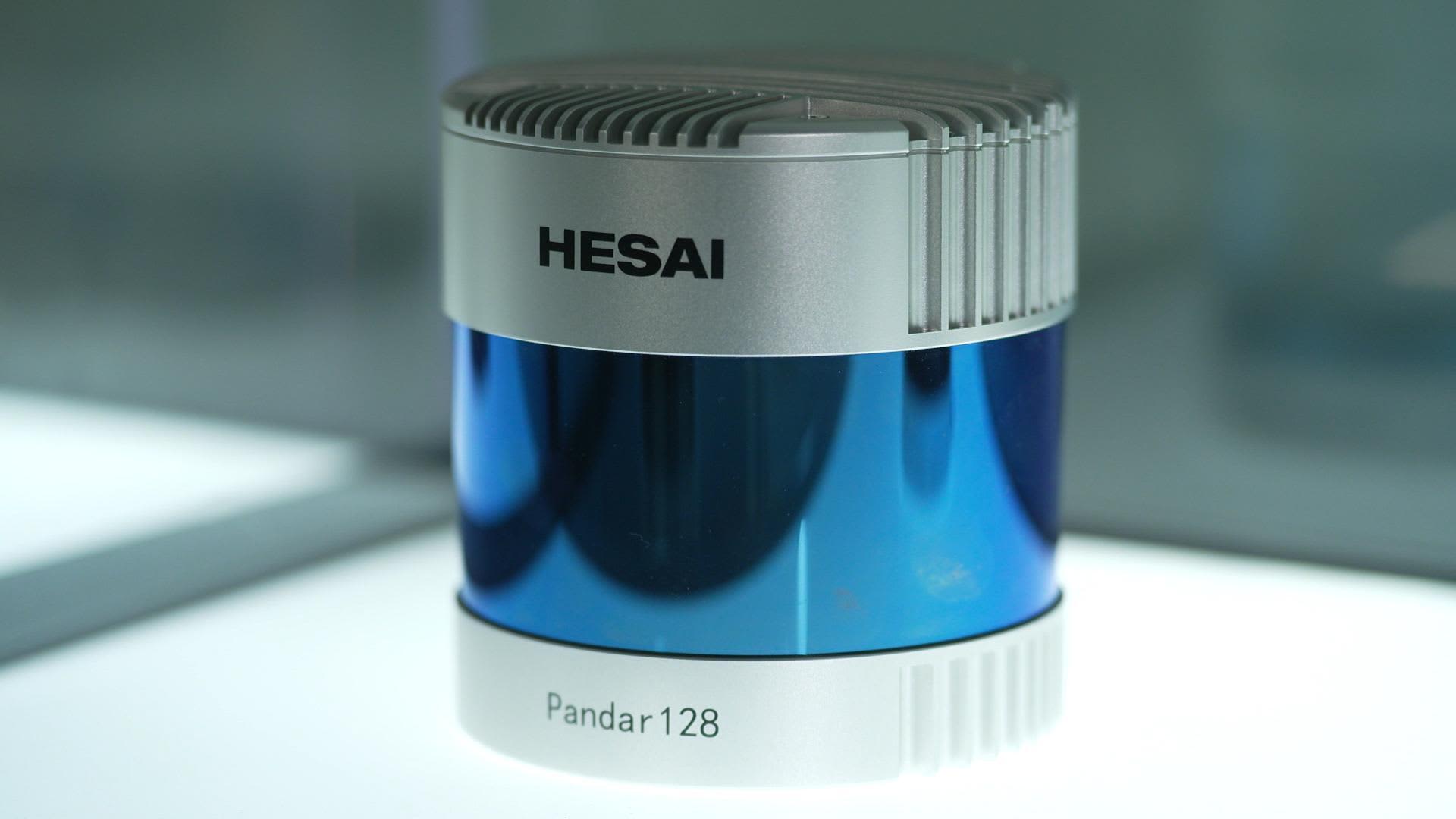
Recent U.S. national security concerns surrounding Chinese lidar manufacturer Hesai Technology threaten to reshape the burgeoning autonomous technology market, casting a shadow over innovation-driven growth. Despite its pivotal role in advanced robotics and self-driving platforms, Hesai’s designation as a potential cyber risk highlights the escalating geopolitical tensions influencing global tech supply chains. This scrutiny places major U.S. partners like Nvidia under increasing pressure to navigate complex ethical and security considerations.
🚀 Tech Strategy & Market Disruptions
- Geopolitical Friction Intensifies Lidar Cyber Risk. U.S. government blacklisting of Hesai Technology introduces significant uncertainty into autonomous system development, forcing a re-evaluation of supplier dependencies.
- Ecosystem Dependencies Under Scrutiny. Major tech players like Nvidia and Amazon’s Zoox, relying on Hesai’s cost-effective lidar, face strategic challenges in balancing innovation speed with national security directives.
- ‘Rip and Replace’ Precedent Looms Large. Past directives for Huawei and DJI suggest potential future mandates for Chinese lidar, incurring billions in replacement costs and delaying critical infrastructure upgrades.
Shanghai-based Hesai Technology, a dominant force in the global automotive lidar market, finds itself at the center of an escalating Lidar Cyber Risk controversy. Designated a ‘Chinese military entity’ by the U.S. Department of Defense in 2024, the company is accused of posing a national security threat through potential data access by Beijing. This blacklisting, while not prohibiting commercial use, fuels concerns that Hesai’s critical sensors could be weaponized or provide backdoors into sensitive U.S. infrastructure and data.
Despite these accusations, Hesai’s market presence continues to expand, driven by its ability to drastically reduce lidar unit costs from over $10,000 to less than $200. This pricing advantage has positioned Hesai as a key supplier for leading autonomous platforms, including Nvidia’s DRIVE Hyperion architecture, Amazon’s Zoox robotaxis, and systems used by autonomous trucking firms like Waabi and Kodiak. Nvidia’s CEO Jensen Huang has explicitly identified robotics, encompassing self-driving cars, as the company’s second most important growth category after artificial intelligence, underscoring the strategic importance of lidar technology.
U.S. officials and security experts, such as Craig Singleton from the Foundation for Defense of Democracies, argue that the proliferation of Chinese-made lidar could enable Beijing to ‘access sensitive U.S. data or disrupt critical operations,’ especially as these sensors integrate into defense nodes, utility grids, and airports. Hesai’s own SEC filings acknowledge that the Chinese government maintains ‘significant oversight’ and ‘may influence or intervene in our operations at any time,’ lending credence to these fears regarding mandated data sharing. However, Hesai’s co-founder and CEO, David Li, vehemently denies these claims, stating that the sensors lack memory capacity to store data and that firmware is open source for public analysis. He attributes his company’s cost advantage to innovation and manufacturing capabilities, refuting allegations of direct government subsidies, despite SEC filings detailing preferential tax rates and R&D deductions.
The controversy draws parallels to previous instances where U.S. companies adopted low-cost Chinese technology, only to later face mandates to ‘rip and replace’ products from entities like Huawei, DJI, and TP-Link due to national security concerns. This situation is reminiscent of broader trends often covered by global technology news outlets. The potential for similar actions against lidar systems represents a substantial risk for current adopters and the broader autonomous industry. Miroslav Pajic, a professor at Duke University studying lidar vulnerabilities, demonstrated how easily these sensors can be compromised with factory-inserted malware or firmware updates, leading to ‘phantom persons’ or the removal of real objects from a sensor’s view, which could have catastrophic implications for autonomous vehicle fleets. A recent firmware error by Hesai in 2024, which caused all its lidar sensors to stop working on a leap day, further illustrates the potential for widespread disruption, whether intentional or accidental. While Hesai fixed the issue within 24 hours and asserts redundant sensor systems in autonomous vehicles provide safeguards, the incident amplifies the security debate surrounding these critical components. For more insights on emerging technologies, explore StockXpo’s technology insights.
The increasing integration of blacklisted Chinese lidar into critical U.S. infrastructure creates a direct causal chain of potential disruption. This chain begins with the low-cost advantage of Hesai’s sensors, driving widespread adoption by U.S. companies seeking rapid innovation in autonomous systems. This widespread adoption, however, leads to increased supply chain dependency on a blacklisted entity. This dependency, combined with the U.S. government’s assessment of cyber risks and potential data exfiltration, generates regulatory pressure for intervention, potentially culminating in costly ‘rip and replace’ mandates. Such mandates would not only incur significant financial burdens but also induce a slowdown in autonomous deployment and innovation within affected sectors, ultimately impacting market growth and technological leadership.
‘The foundational trust in a sensing modality like lidar is paramount for truly autonomous systems. When that trust is compromised by geopolitical factors or unverified security vulnerabilities, it doesn’t just impact a single component; it erodes confidence in the entire safety architecture of self-driving vehicles and robotics, demanding a systemic re-evaluation of supplier provenance and verifiable integrity.’
Hesai’s market positioning and operational context are underpinned by several key factors:
- Market Share Dominance: Hesai claims one-third of the global automotive lidar market, indicating significant penetration.
- Aggressive Cost Reduction: Units reduced from over $10,000 to under $200, a key competitive differentiator.
- Government Incentives: Disclosed preferential tax rates (15% vs. standard 25%), below-benchmark borrowing rates, and 200% R&D cost deductions from the Chinese government.
- Operational Footprint: Headquarters in Shanghai’s Jiading district, an area cited by the Pentagon for its association with military-civil fusion initiatives.
- Supply Chain Ties: Former third-largest supplier was China Electronics Technology Group Corporation (CETC), a state-owned defense conglomerate.
Hesai’s Security & Infrastructure Strength
Hesai Technology’s defense against cyber risk allegations centers on its claimed architectural and operational safeguards. CEO David Li asserts that their lidar sensors are designed without memory, making them incapable of storing or transmitting data independently to Hesai or the Chinese government. Responsibility for data security, according to Li, lies entirely with Hesai’s partners, who integrate the sensors into their larger autonomous systems. Furthermore, Hesai states its firmware is published as open-source, allowing for public scrutiny and transparency—a crucial claim in mitigating trust deficits. The company also points to its compliance with international safety and cybersecurity standards, having met certifications from independent third-party testers Tüv Rheinland and Dekra. However, critics argue that the inherent nature of lidar, which generates precise 3D point cloud data, combined with Chinese laws that could compel data sharing, creates a persistent vulnerability, irrespective of the sensor’s individual storage capacity. The ability for malware to be embedded during manufacturing or via updates, as demonstrated by Duke University’s research, further complicates any simple assessment of a sensor’s ‘innate’ security.
Lidar’s Ecosystem Expansion Potential
Beyond autonomous vehicles, lidar technology’s applications are rapidly diversifying, promising significant ecosystem expansion and market growth. The core capability of creating highly accurate 3D spatial maps makes lidar invaluable across various sectors, from industrial robotics on factory floors to smart city infrastructure. Examples include monitoring passenger and traffic flow at major airports like JFK International, facilitating precision agriculture with autonomous farm equipment, and enabling new categories of consumer robotics, such as robotic dogs. McKinsey & Company projects the autonomous driving market alone to reach $300 billion to $400 billion by 2035, underscoring the immense commercial potential. This broad adoption necessitates robust, secure, and cost-effective lidar solutions. The challenge lies in ensuring that the foundational components of this expanding ecosystem do not introduce systemic risks, forcing a delicate balance between driving innovation and safeguarding national interests. As the applications for lidar continue to grow, understanding these complex dynamics will be vital for future technological advancements and market stability across various sectors, a topic frequently covered by financial news leaders like Bloomberg Technology. For more insights into emerging technologies and market trends, visit StockXpo’s main platform.
Navigating the Future of Lidar Cyber Risk in Autonomous Systems
The ongoing dispute surrounding Hesai Technology illuminates a critical juncture for the autonomous vehicle and robotics industries. Balancing rapid technological advancement with stringent national security protocols presents a complex challenge, one where economic incentives often collide with geopolitical realities. The precedent set by past ‘rip and replace’ orders for Chinese tech giants suggests a similar future for lidar components, potentially forcing a costly overhaul for companies that have integrated Hesai’s sensors.
- The U.S. government’s firm stance signals a broader strategy to de-risk critical supply chains from potential foreign adversary influence.
- Industry leaders, including Nvidia and Amazon, must proactively diversify their lidar suppliers and enhance their own cybersecurity frameworks to withstand future scrutiny.
- The episode underscores the necessity for transparent and verifiable security protocols for all components in autonomous systems, regardless of origin.
How will global innovation in autonomous technology proceed under the increasing weight of geopolitical trust deficits?
📊 StockXpo Analyst’s View
Market Impact: This escalating Lidar Cyber Risk narrative is likely to introduce significant investor apprehension towards companies heavily reliant on blacklisted or potentially blacklisted Chinese technology. While the immediate impact on stock prices for partners like Nvidia or Amazon might be limited due to their diversified portfolios, long-term operational costs and supply chain re-engineering could create headwinds. Smaller autonomous tech developers face higher risks of disruption, potentially slowing market adoption as they navigate uncertain regulatory landscapes and seek alternative, higher-cost suppliers. This also creates opportunities for Western lidar manufacturers who can demonstrate robust security and transparent supply chains.
Sector To Watch: The autonomous vehicle (AV) sector, particularly L4 and L5 applications, will be under intense scrutiny. Beyond AVs, industrial robotics, smart infrastructure projects (e.g., airports, logistics hubs), and agricultural automation firms deploying lidar for critical functions should be closely monitored for shifts in procurement strategies and potential government mandates. Investors should also pay attention to policy developments from the House Select Committee on the Chinese Communist Party, as new legislation could dramatically reshape market dynamics. To gain broader perspectives on market disruptions, read our latest blog articles.
Financial Disclaimer:
StockXpo.com is a financial news aggregator and educational portal, not a registered investment advisor or broker-dealer. All information, news, and analysis provided herein are strictly for educational purposes and do not constitute investment, financial, legal, or tax advice. Investing in the stock market involves high risks, and past performance is not indicative of future results. StockXpo will not be liable for any financial losses or investment damages. Always consult a certified financial advisor before making market decisions.
MORE IN INSIDE TECHNOLOGY
 $11B Productivity Breakthrough featured image" style="width: 100%; height: auto;" />
Construction Robots: Innovation Driving a $11B Productivity Breakthrough
Published: Saturday, September 12, 2026 · 10:07 AM

AI Self-Improvement: Unpacking the Existential Risk for Tech Giants
Published: Friday, September 11, 2026 · 7:22 AM