Published: Tuesday, July 7, 2026 · 2:06 PM | Updated: Tuesday, July 7, 2026 · 2:06 PM
📊 199 views




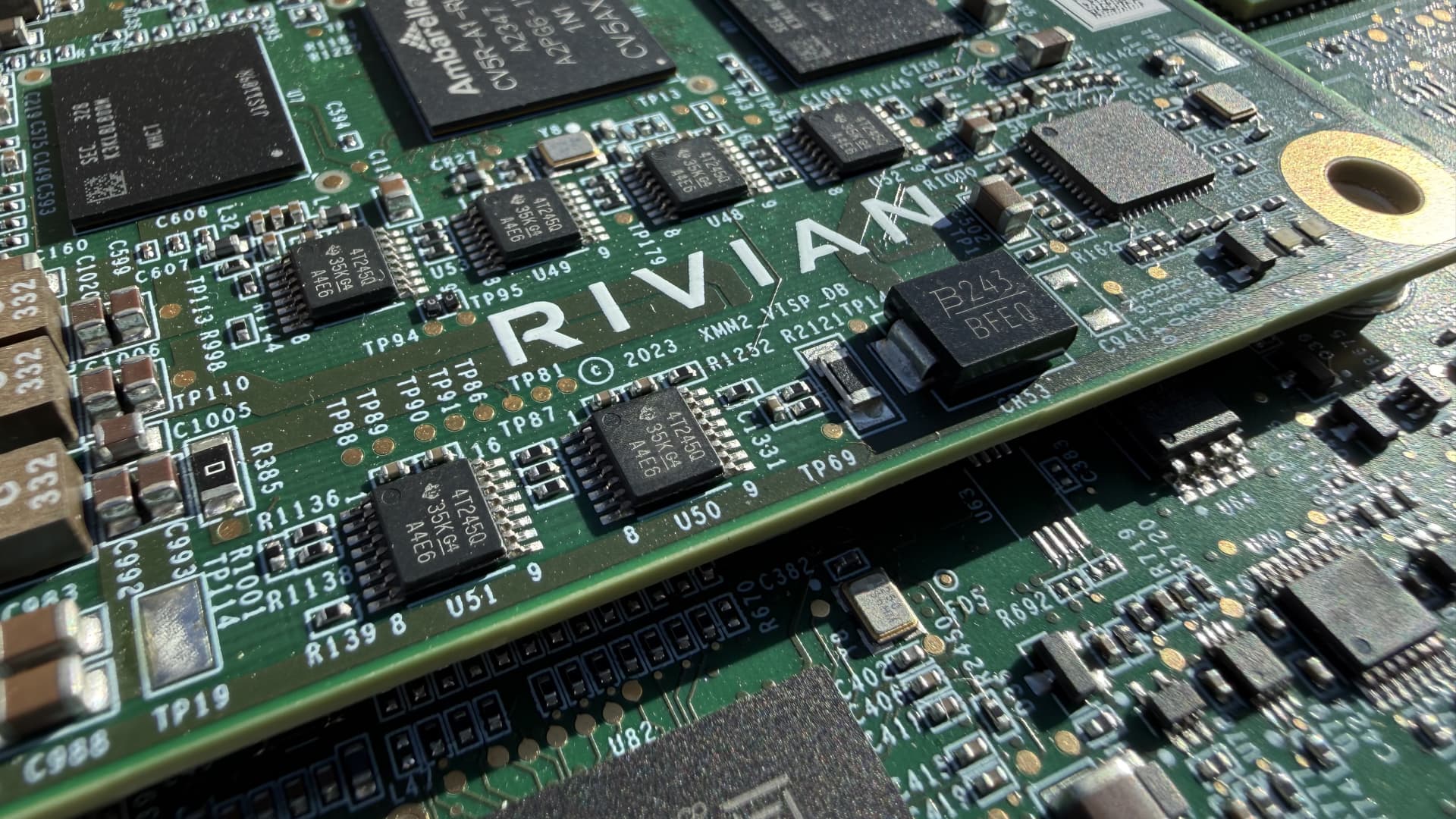
Rivian Automotive’s decision to launch a public offering of 75 million Class A common shares, despite an immediate double-digit stock decline, signals a critical strategic maneuver for the electric vehicle manufacturer. This capital injection is poised to underpin the company’s ambitious product roadmap and bolster its financial position amidst intense market competition, making it a pivotal moment for the EV sector.
🗝️ Corporate Strategy Insights
- Strategic Capital Raise. Rivian initiated a significant public offering to secure approximately $1.51 billion, crucial for funding its equity contributions related to a Department of Energy loan agreement and mitigating cash burn for future development.
- Investment in Future Technologies. The move directly supports increased research and development spending, particularly for autonomous driving capabilities and next-generation vehicle platforms, key areas for long-term competitiveness.
- Market Launch of R2 SUV. Fresh capital directly coincides with the launch of the new R2 midsize SUV, a vehicle critical to Rivian’s strategy for achieving profitability towards the end of the decade and expanding its addressable market.
The announcement of the **Rivian Share Offering** led to a more than 10% plunge in its stock during early Tuesday trading, contrasting sharply with an 8.1% rise the previous day and a 19% gain over the prior week. This immediate market reaction underscores investor sensitivity to dilution, even when capital is raised for strategic purposes. At Monday’s closing price of $20.14 per share, the offering is projected to raise approximately $1.51 billion, with underwriters retaining an option for an additional 11.25 million shares over 30 days.
Rivian’s strategic rationale for this capital infusion is explicitly tied to its financial commitments and future product development. The proceeds are earmarked for equity contributions as part of a loan agreement with the U.S. Department of Energy, a critical partnership for the company’s ongoing operational and expansion plans, including its Georgia plant adjustments. This comes after the EV maker recently suspended its 2027 profitability target, acknowledging an anticipated surge in R&D expenditure for advanced autonomy features and next-generation vehicle technologies. The long-term vision for electric vehicle manufacturers often requires substantial, sustained investment, a reality highlighted by this capital raise as noted by industry analysts on key business news outlets.
The timing of this financing aligns with the highly anticipated launch of Rivian’s R2 midsize SUV, a model the company is banking on to drive significant sales volumes and propel it towards profitability by the decade’s end. The success of the R2 will be instrumental in demonstrating the company’s ability to scale production efficiently and penetrate a broader consumer market. For deeper understanding of such corporate growth strategies, investors often refer to specialized resources.
- Rivian’s estimated Q2 revenue is between $1.55 billion and $1.65 billion, surpassing LSEG’s analyst consensus of $1.45 billion. This indicates strong operational execution in revenue generation, mitigating some concerns about cash burn.
- The company’s cash, cash equivalents, and short-term investments balance is projected to be $5.3 billion at the end of Q2, an increase from $4.8 billion at the close of Q1. This bolstered cash position provides a crucial liquidity cushion for accelerated R&D and manufacturing scale-up.
The Strategic Ripple Effect on EV Competition
Rivian’s capital raise initiates a significant ripple effect across the competitive landscape of the electric vehicle market. This influx of capital directly supports the accelerated development of the R2 platform and advanced autonomous features. This Product Development → Enhanced Product Portfolio → Increased Market Competitiveness chain directly intensifies pressure on rivals like Tesla, which dominates the midsize EV segment, and traditional automakers transitioning to electric, such as Ford and General Motors.
By securing funding for R&D and manufacturing scaling, Rivian aims to shrink the timeline for bringing its next-generation vehicles to market, potentially seizing greater market share, especially in the crucial mid-market SUV category. This proactive capital allocation ensures Rivian maintains technological parity and a competitive edge, preventing rivals from gaining significant ground in innovation and production efficiency.
“Rivian’s latest share offering is a clear signal of its long-term strategic commitment to product innovation and market penetration, accepting near-term dilution for sustained future competitiveness in the rapidly evolving EV sector.”
| Metric | Value (Estimated/Proposed) | Strategic Importance |
|---|---|---|
| Shares Offered | 75 million Class A | Primary source of fresh capital, leads to share dilution. |
| Capital Raised (Est.) | $1.51 billion | Funds DOE loan equity and R&D for future growth. |
| Q2 Revenue (Est.) | $1.55B – $1.65B | Exceeds analyst estimates, indicates strong demand & production. |
| Q2 Cash Balance (Est.) | $5.3 billion | Enhanced liquidity, critical for operational runway and investments. |
Rivian’s Strategic Analysis: Navigating a Capital-Intensive Future
Rivian’s strategic direction, particularly with this significant capital raise, underscores a clear focus on long-term value creation over immediate profitability metrics. The decision to suspend the 2027 profitability target, in favor of increased R&D spending, illustrates a commitment to technological leadership in autonomy and next-generation vehicle platforms. This strategy, while potentially unsettling for short-term investors due to dilution, positions Rivian to compete effectively in a market that demands constant innovation. By investing heavily now, Rivian aims to secure its place as a leader in the premium EV segment and expand into more accessible markets with models like the R2.
This approach aligns with how many disruptive technology companies choose to prioritize market share and product superiority in their early growth phases, often requiring substantial external funding. Staying ahead in fast-moving stock markets requires understanding these long-term plays. The company’s ability to attract and secure a DOE loan agreement also speaks to the strategic importance of its technology and manufacturing capabilities to national interests.
Rivian’s Competitive Advantages: Beyond the Initial Shock
Despite the immediate market reaction to the share offering, Rivian maintains several inherent competitive advantages that could be strengthened by this capital infusion. Its differentiated product lineup, particularly the R1T pickup and R1S SUV, has carved out a niche in the adventure-focused premium EV market. The company’s vertically integrated manufacturing model, including in-house battery and software development, also provides greater control over its supply chain and product quality. This helps Rivian to better compete with established players and to understand broader market trends.
The development of the R2 platform is key to expanding Rivian’s reach beyond its current premium segment into a more mainstream, higher-volume market. This diversification, backed by fresh capital for scaling production and innovation, is crucial for sustained growth. The focus on enhancing autonomous capabilities further positions Rivian to offer a superior user experience, a critical differentiator in an increasingly commoditized EV market, enabling it to better attract discerning consumers.
Rivian’s Path Forward: Balancing Growth and Market Expectations
Rivian’s latest financial moves highlight a delicate balancing act between aggressive growth ambitions and managing market expectations. The **Rivian Share Offering**, while ensuring vital capital, tested investor confidence in the short term. However, the stronger-than-expected Q2 revenue estimates and increased cash reserves provide a foundation for optimism.
This capital injection is not merely about survival; it’s about accelerating the path to market leadership in key segments. Rivian is betting on its technological prowess and expanded product portfolio to deliver long-term value, even if it means foregoing near-term profitability. How will Rivian successfully translate this substantial capital into tangible market share gains and operational efficiencies in the highly competitive EV space?
📊 StockXpo Analyst’s View
Market Impact: The immediate dip in Rivian stock due to dilution is a common reaction to capital raises. However, the strengthened balance sheet and funding for critical R&D and expansion should provide a more stable foundation for long-term growth. This move could instill confidence among institutional investors looking for companies with clear funding for strategic initiatives. Overall market liquidity for high-growth, capital-intensive stocks might see a slight re-evaluation.
Sector To Watch: The electric vehicle sector, particularly manufacturers focused on next-generation platforms and autonomous driving, will be impacted. Companies that fail to secure adequate funding for their ambitious R&D roadmaps could fall behind, while well-capitalized players like Rivian, despite short-term stock volatility, are better positioned to innovate and capture future market share. This development signals a continued demand for capital to fuel innovation within the EV ecosystem. Read more for educational insights into market dynamics on our blog.
Financial Disclaimer:
StockXpo.com is a financial news aggregator and educational portal, not a registered investment advisor or broker-dealer. All information, news, and analysis provided herein are strictly for educational purposes and do not constitute investment, financial, legal, or tax advice. Investing in the stock market involves high risks, and past performance is not indicative of future results. StockXpo will not be liable for any financial losses or investment damages. Always consult a certified financial advisor before making market decisions.
MORE IN INSIDE BUSINESS

Airline Profits Challenge: Why Rising Airfare Won’t Boost Bottom Lines
Published: Monday, October 5, 2026 · 7:48 AM
Chick-fil-A’s Unwavering Family Strategy Fuels Expansion and Market Leadership
Published: Sunday, October 4, 2026 · 9:09 AM