Published: Thursday, July 2, 2026 · 3:24 PM | Updated: Thursday, July 2, 2026 · 3:24 PM
📊 387 views




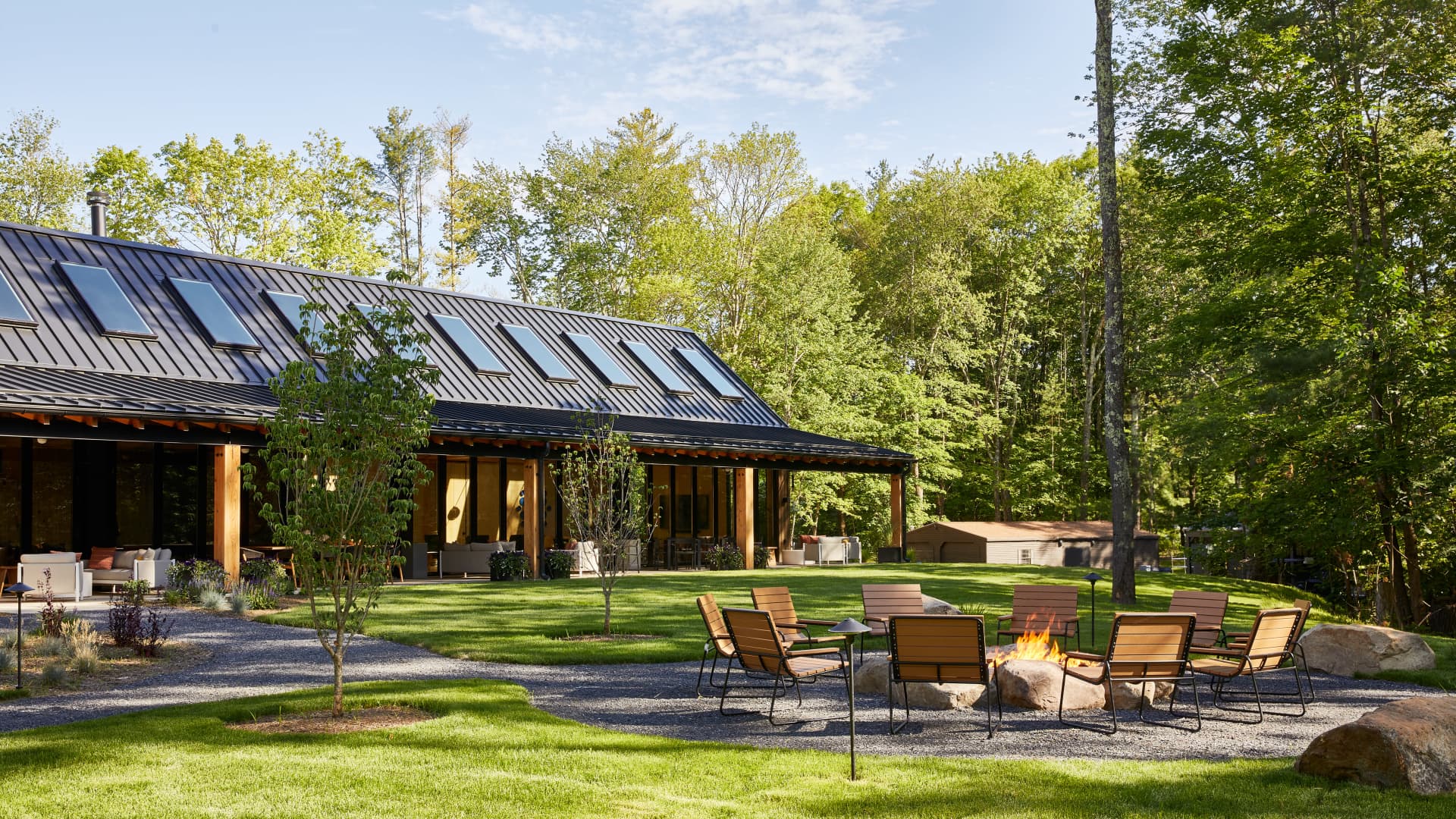
The outdoor hospitality sector is witnessing significant evolution, and AutoCamp is strategically positioned at its forefront. The high-end camping brand, known for its Airstream suites and design-forward amenities, is experiencing robust operational performance and has recently leveraged an innovative crowdfunding model to fuel its continued AutoCamp growth. This move underscores a broader industry shift towards experiential travel and the power of customer-centric capital allocation.
🗝️ Corporate Strategy Insights
- Operational Efficiency Drives Revenue. AutoCamp reports a 20% year-over-year room revenue increase and 90% occupancy for a key holiday weekend, indicating strong demand and effective capacity management in its high-end outdoor offerings.
- Innovative Capital Allocation through Crowdfunding. The company raised $1.2 million from 353 investors, primarily past guests, within 30 days via DealMaker. This strategy not only secures capital but also transforms loyal customers into brand advocates and shareholders.
- Strategic Partnerships Expand Market Reach. AutoCamp’s collaboration with Hilton has resulted in a 30% rise in direct bookings, with nearly half utilizing Hilton Honors points, effectively tapping into a vast loyalty program and expanding its customer acquisition channels.
AutoCamp, a boutique outdoor hospitality brand, is capitalizing on the burgeoning demand for nature-centric travel experiences across the United States. With nine strategically located properties ranging from California’s Joshua Tree to Massachusetts’ Cape Cod, the company offers a unique blend of luxury and rustic charm through Airstream suites and polished cabins. Recent operational metrics highlight significant momentum, including a reported 20% surge in room revenue compared to the previous year. Heading into the busy Fourth of July weekend, the portfolio achieved an impressive 90% occupancy rate, accompanied by a 15% increase in average daily room rates (ADR). This strong performance is partly attributed to its appeal as a convenient, high-end camping option that alleviates the logistical burdens of traditional camping.
The company’s Chief Commercial Officer, Bryan Terzi, emphasizes the brand’s ability to tap into nostalgia while creating new family memories, a value proposition resonating deeply with consumers. This sentiment is echoed across the travel industry; Airbnb, for instance, noted a 35% increase in searches for stays ‘near a national park’ for 2026, positioning nature and outdoor experiences as a top-booked category. Hilton’s 2026 trends report further corroborates this, with 37% of travelers citing nature as a primary travel motivation. AutoCamp’s strategic partnership with Hilton exemplifies a broader industry trend of hotel giants investing in experiential offerings, proving beneficial for both parties as Hilton has seen a 30% rise in direct bookings for AutoCamp properties, with a significant portion fueled by Hilton Honors points. These strong indicators reinforce the resilience and potential for sustained AutoCamp growth in the specialized travel segment.
- AutoCamp’s operational efficiency is evident in its strong revenue and occupancy figures, showcasing effective market positioning and consumer demand capture.
- The partnership with Hilton provides a robust distribution channel, leveraging an established loyalty program to drive bookings and enhance brand visibility.
- Crowdfunding allows AutoCamp to diversify its capital sources beyond traditional venture models, engaging its customer base directly as financial stakeholders.
AutoCamp’s innovative capital raise strategy—turning guests into investors—creates a powerful ripple effect across its business model and the broader hospitality sector. This direct engagement fosters an unprecedented level of customer loyalty, transforming consumers into brand evangelists. The initial crowdfunding round, which successfully secured $1.2 million from 353 investors, predominantly loyal customers, within 30 days through the DealMaker platform, demonstrates this phenomenon. This unique approach means that customer investment directly leads to heightened brand advocacy, where shareholders, having a vested interest, are more inclined to promote AutoCamp to their networks. This organic, word-of-mouth marketing is highly cost-effective and generates superior customer acquisition, translating into increased bookings and sustained revenue growth. For a deeper understanding of corporate growth strategies, readers can visit StockXpo’s business insights.
Competitors in the outdoor hospitality space, from traditional hotel chains expanding into ‘glamping’ to online booking platforms like Airbnb emphasizing nature stays, must now contend with a model that intertwines capital generation with customer relationship management. While larger players may have more extensive resources, AutoCamp’s strategy provides a distinct competitive moat by creating a community of financially invested brand ambassadors. This alignment between consumer behavior and investment, as highlighted by DealMaker CEO Rebecca Kacaba, is increasingly appealing to retail investors. The financial incentives, such as bonus shares and gift cards for higher investment tiers, further solidify this symbiotic relationship, potentially drawing capital away from more traditional investment avenues in a sector ripe for disruption.
The integration of customer loyalty with capital generation through crowdfunding represents a groundbreaking approach in the hospitality sector, transforming passive consumers into active stakeholders and powerful growth drivers.
AutoCamp has demonstrated compelling operational and financial indicators that underpin its strategic direction:
- Room Revenue Growth: Up 20% year-over-year. This metric signifies strong market demand for AutoCamp’s unique offering and effective pricing strategies, directly impacting profitability.
- Occupancy Rate (Holiday Weekend): 90%. High occupancy rates, especially during peak travel periods, indicate optimal utilization of assets and robust customer appeal.
- Average Daily Room Rate (ADR) Increase: Up 15%. This shows AutoCamp’s pricing power and the perceived value of its luxury outdoor experiences, contributing significantly to overall revenue expansion.
- Crowdfunding Capital Raised: $1.2 million from 353 investors. This non-traditional capital injection diversifies funding sources and deepens customer engagement, providing a unique financial advantage.
These metrics collectively paint a picture of a company successfully navigating market trends and leveraging operational strengths to drive its expansion.
AutoCamp’s Competitive Advantages in Outdoor Hospitality
AutoCamp has meticulously carved out a significant niche in the rapidly expanding luxury outdoor hospitality market, distinguishing itself through several key competitive advantages. Firstly, its brand positioning as a ‘high-end camping’ provider, featuring Airstream suites and architecturally designed cabins, appeals to a demographic seeking comfort and curated experiences without the logistical hassle of traditional camping. This segment, often termed ‘glamping,’ is less susceptible to basic price competition and values the premium amenities and design aesthetics AutoCamp offers. Secondly, the strategic placement of its nine U.S. locations near iconic outdoor destinations like Joshua Tree and Cape Cod provides access to high-demand natural attractions, enhancing the intrinsic value of its offerings.
Furthermore, AutoCamp’s innovative approach to capital raising through customer crowdfunding not only secures funding but also converts loyal guests into brand advocates. This shareholder-guest dynamic creates a powerful, self-reinforcing marketing loop, where investors, having a vested interest, actively promote the brand. This form of community-based financing builds a competitive moat that extends beyond mere product differentiation, fostering a deeper connection with its customer base. Finally, the strategic partnership with Hilton extends AutoCamp’s reach to a vast network of loyalty program members, providing a robust distribution channel and customer acquisition avenue that smaller, independent players often struggle to replicate. This multi-faceted approach to market entry, customer engagement, and capital strategy positions AutoCamp for sustained market leadership in its segment. For breaking news and market analysis, investors often turn to Reuters business coverage.
AutoCamp Industry Benchmarking: Redefining Experiential Travel
Benchmarking AutoCamp against broader industry trends reveals its alignment with, and leadership within, several critical shifts in the travel and hospitality sector. The company’s focus on nature and outdoor experiences directly corresponds with reported surges in demand, as noted by Airbnb’s 35% increase in national park searches and Hilton’s finding that 37% of travelers prioritize time in nature. This indicates AutoCamp is not merely reacting to market shifts but is a significant player in defining the experiential travel category. Its success in attracting guests who seek unique, memorable stays rather than conventional hotel amenities reflects a broader consumer preference for authentic experiences over standardized accommodations.
The ‘glamping’ market, which AutoCamp inhabits, is a high-growth sub-segment of hospitality. By offering pre-set, luxurious accommodations, AutoCamp addresses the desire for outdoor immersion without sacrificing comfort, effectively bridging the gap between camping and traditional lodging. This model allows for higher average daily rates compared to standard camping, while offering a novel experience that differentiates it from conventional hotel stays. The company’s ability to drive significant direct bookings through its Hilton partnership, nearly half using loyalty points, also benchmarks it against large hospitality groups in terms of loyalty program integration and distribution effectiveness. This blend of direct customer engagement, strategic partnerships, and a focus on a high-demand niche positions AutoCamp as a bellwether for the evolving landscape of experiential and sustainable travel. Keeping abreast of dynamic investment analysis provides crucial context, which can be found on StockXpo’s investment analysis section.
AutoCamp’s Trajectory: Blending Hospitality with Community Capital
AutoCamp’s recent performance metrics and innovative fundraising efforts signify a potent model for growth in the specialized travel market. By seamlessly blending luxury outdoor experiences with a unique crowdfunding strategy, the company is not only securing vital capital but also cultivating a dedicated community of customer-investors. This dual approach underpins a resilient business model poised to capitalize on ongoing shifts in consumer preferences towards experiential and nature-based travel.
- AutoCamp effectively harnesses strong operational performance metrics, including rising room revenue and high occupancy, to validate its premium market positioning.
- The crowdfunding model differentiates AutoCamp by transforming loyal guests into vested shareholders, enhancing brand advocacy and providing a novel capital source.
- Strategic partnerships, such as with Hilton, are expanding AutoCamp’s market reach and tapping into significant loyalty program ecosystems for accelerated customer acquisition.
Can this community-driven capital model become a new standard for high-growth niche hospitality brands?
For comprehensive insights, check out StockXpo’s blog.
### 📊 StockXpo Analyst’s View
Market Impact: AutoCamp’s success with crowdfunding could spark wider interest in alternative financing for consumer-facing brands, potentially diversifying capital sources beyond traditional venture capital. This approach can lead to more resilient business models tied to direct consumer loyalty, offering a unique risk profile for investors seeking exposure to the experience economy. Investors should watch for similar models emerging in other niche hospitality and lifestyle brands.
Sector To Watch: The “experience economy” and specialized outdoor hospitality sectors are showing robust growth. Companies like AutoCamp that combine unique offerings with strong community engagement and diversified funding will likely outperform. Traditional hotel groups that fail to adapt or acquire such experiential brands may find themselves losing market share to more agile, niche players. For financial market trends and analysis, you can refer to Bloomberg Markets.
Financial Disclaimer:
StockXpo.com is a financial news aggregator and educational portal, not a registered investment advisor or broker-dealer. All information, news, and analysis provided herein are strictly for educational purposes and do not constitute investment, financial, legal, or tax advice. Investing in the stock market involves high risks, and past performance is not indicative of future results. StockXpo will not be liable for any financial losses or investment damages. Always consult a certified financial advisor before making market decisions.
MORE IN INSIDE BUSINESS
American Airlines loss forecast: Strategic Capacity Slowdown Expected
Published: Thursday, October 22, 2026 · 8:40 AM
United Airlines Profit Outlook Slashed Amid Fuel Costs, Strong Demand Persists
Published: Wednesday, October 21, 2026 · 7:30 AM