Published: Thursday, July 23, 2026 · 8:52 PM | Updated: Thursday, July 23, 2026 · 8:52 PM
📊 201 views




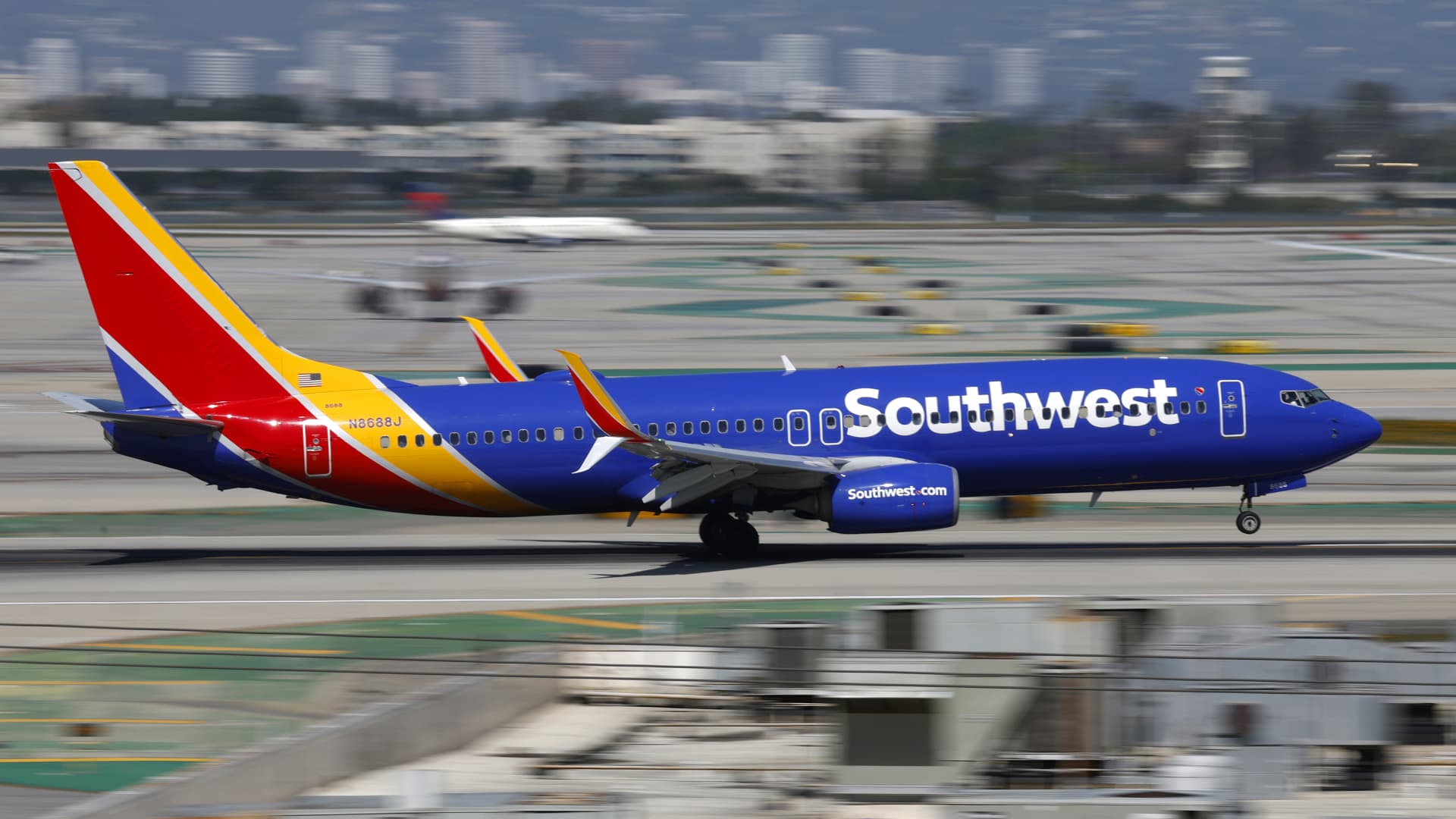
In an unprecedented move to navigate volatile fuel markets and address supply concerns, Southwest Airlines has employed a maritime strategy, shipping jet fuel from Texas to California for the first time. This initiative underscores the significant operational challenges and strategic adaptations the airline industry is undertaking in response to geopolitical instability and fluctuating energy prices.
🗝️ Corporate Strategy Insights
- Unconventional Logistics. Southwest Airlines chartered a vessel to transport approximately 12.6 million gallons of jet fuel from Houston to Los Angeles, bypassing traditional pipeline and trucking methods.
- Supply Chain Resilience. This action directly addressed critical supply constraints on the West Coast, ensuring a week’s worth of fuel during a period of heightened risk following geopolitical events.
- Regulatory Agility. The airline leveraged a temporary waiver of the Jones Act, a U.S. maritime law, demonstrating an ability to adapt to evolving regulatory landscapes for critical supply chain needs.
Southwest Airlines Tackles Fuel Price Headwinds
The decision by Southwest Airlines to ship jet fuel by sea highlights the extreme volatility gripping energy markets this year. Chief Financial Officer Tom Doxey stated that the shipment, which arrived in Los Angeles on May 28 after transiting the Panama Canal, provided essential supply when it was most constricted. This strategic move comes as Southwest reported a nearly $900 million increase in fuel expenses for the second quarter compared to the previous year. Historically, U.S. airlines have reduced their reliance on hedging strategies as domestic supply kept prices in check, but the current global climate has necessitated more direct and unconventional approaches to fuel procurement.
The West Coast’s greater dependence on imported fuel made it particularly susceptible to price spikes and supply disruptions, exacerbated by tensions with Iran and restrictions on exports by some nations. While these concerns have somewhat eased, the market remains sensitive. For context, the 12.6 million gallons transported represent a fraction of Southwest’s total quarterly consumption of 564 million gallons, but its strategic timing in securing a week’s supply underscores the urgency.
- The airline’s reliance on this unconventional method points to potential long-term supply chain vulnerabilities for carriers serving regions with less robust domestic fuel infrastructure.
- Competitors like United Airlines are also grappling with fuel price volatility, with UAL noting significant impacts on earnings per share forecasts for the third quarter due to fluctuating jet fuel costs.
- Airlines are responding to increased fuel costs and other inflationary pressures by moderating capacity growth, a move that has contributed to higher airfares which, despite consumer price sensitivity, are being sustained by strong travel demand.
The Strategic Ripple Effect of Maritime Fueling
Southwest’s initiative could set a precedent for other airlines facing similar supply challenges. The reliance on a Jones Act waiver demonstrates how regulatory flexibility can unlock critical logistical solutions. If fuel supply disruptions persist or re-emerge, other carriers might explore similar intermodal transportation strategies, potentially increasing demand for specialized shipping capacity and impacting the economics of regional fuel markets. This could also intensify scrutiny on the Jones Act and its applicability during national supply chain emergencies.
The bold decision by Southwest Airlines to charter a ship for jet fuel delivery underscores the critical need for diversified and resilient supply chains in the face of escalating global energy market instability.
Key Operational Metrics
Understanding the financial implications of fuel is crucial for airline profitability. Southwest’s reported increase in fuel expenses highlights the sensitivity of airline operating costs to energy prices:
| Metric | Impact | Significance |
|---|---|---|
| 2Q Fuel Expense Increase (YoY) | +$900 million | Directly impacts profitability and operational costs. |
| Q3 Fuel Impact (UAL Estimate) | $1.12 per share (Adjusted EPS) | Illustrates the widespread effect of fuel price volatility on airline earnings. |
Southwest Airlines’ Operational Agility
Southwest Airlines’ strategic decision to employ a ship for jet fuel transport exemplifies its commitment to operational adaptability. This move goes beyond traditional cost-saving measures, focusing instead on securing essential resources during a period of significant market uncertainty. The airline’s ability to pivot to unconventional logistics demonstrates a proactive approach to managing one of its largest variable expenses.
Southwest Airlines Competitive Advantages
While fuel cost management is a universal challenge, Southwest’s proactive, albeit unconventional, solution highlights a potential competitive advantage in operational creativity. By securing a vital supply during a pinch, the airline may avoid flight disruptions and maintain its schedule reliability, which is a cornerstone of its brand. This contrasts with competitors who may be more exposed to traditional supply chain bottlenecks and face higher immediate cost impacts.
Navigating the Turbulent Skies of Fuel Procurement
The innovative approach taken by Southwest Airlines in securing jet fuel signals a new era of operational strategy in the aviation sector. Facing persistent geopolitical risks and volatile commodity prices, airlines must increasingly look beyond conventional methods to ensure supply chain stability and mitigate financial exposure. This adaptability is becoming a key differentiator.
- The company’s willingness to explore novel logistical solutions showcases a strong bias for action in managing critical operational dependencies.
- This strategic maneuver highlights the potential for greater intermodal transportation integration within the airline industry’s supply chain.
- The successful execution of this plan could lead to renewed discussions about the strategic role of maritime transport in aviation fuel logistics.
Will this innovative approach to fuel procurement become a standard strategy for U.S. airlines navigating future supply chain volatilities?
📊 StockXpo Analyst’s View
Market Impact: This bold move by Southwest Airlines highlights the increasing fragility of traditional energy supply chains and signals a heightened risk premium for the airline sector. Investor sentiment may cautiously favor carriers demonstrating superior logistical resilience.
Sector To Watch: Expect increased investor focus on airline operational efficiency and supply chain management. Companies involved in bulk liquid transport and specialized logistics infrastructure could see renewed interest.
Financial Disclaimer:
StockXpo.com is a financial news aggregator and educational portal, not a registered investment advisor or broker-dealer. All information, news, and analysis provided herein are strictly for educational purposes and do not constitute investment, financial, legal, or tax advice. Investing in the stock market involves high risks, and past performance is not indicative of future results. StockXpo will not be liable for any financial losses or investment damages. Always consult a certified financial advisor before making market decisions.
MORE IN INSIDE BUSINESS
Wonder’s Ambitious Strategy: Texas Expansion, Automation, and an IPO Path
Published: Sunday, October 25, 2026 · 9:32 AM

Young Airplane Scrapping: A $17 Million Engine Crisis Reshaping Aviation
Published: Saturday, October 24, 2026 · 8:26 AM