Published: Friday, June 26, 2026 · 1:05 AM | Updated: Friday, June 26, 2026 · 1:05 AM
📊 241 views




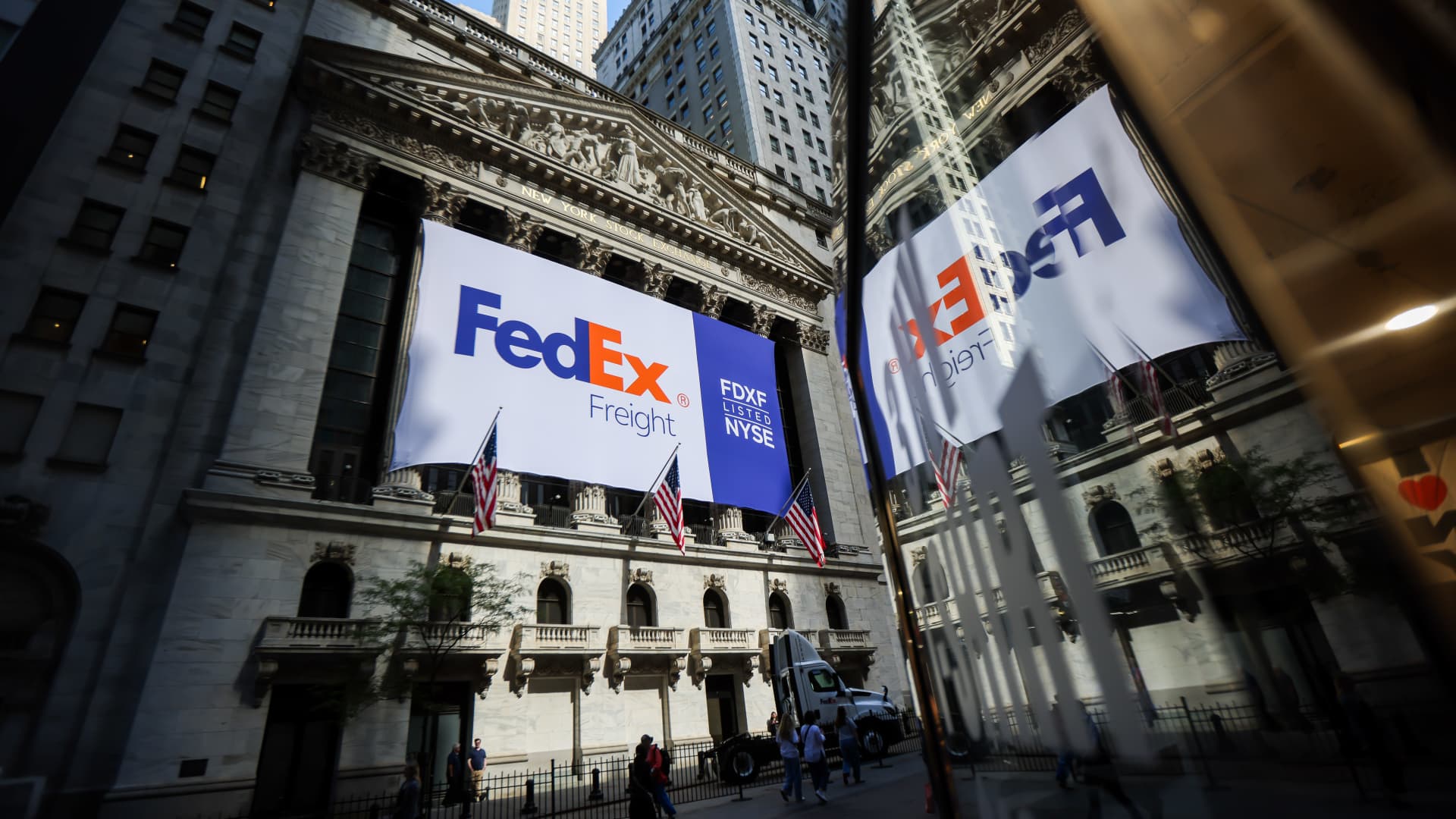
FedEx Freight has officially commenced its independent operations following a successful spin-off from FedEx Corporation. The company has demonstrated early signs of progress, reporting better-than-expected segmented results for its fiscal fourth quarter of 2026, a development that merits a closer look from investors seeking value in the transportation sector.
💎 Strategic Investment & Portfolio Insights
- Independent Focus Drives Profitability. The spin-off allows FedEx Freight management to concentrate on optimizing operations and pursuing profitable growth strategies previously constrained within the larger corporate structure.
- Margin Expansion Potential. A key tenet of the investment thesis lies in the company’s projected margin improvement from 12.6% to approximately 15%, driven by yield enhancement and cost efficiencies.
- Favorable Industry Inflection. The broader freight cycle appears to be turning, with improving manufacturing indicators and stabilizing demand trends providing a supportive backdrop for FedEx Freight’s turnaround efforts.
FedEx Freight reported fiscal fourth-quarter 2026 revenue of $2.4 billion, surpassing the $2.26 billion consensus forecast. Adjusted operating income, though down 24% year-over-year to $363 million, also edged past expectations of $359 million. These results, while positive, were somewhat anticipated as they were previewed within FedEx Corporation’s earlier earnings release. The company’s focus now shifts to executing medium-term targets set at its investor day: compound annual revenue growth of 4-6% and adjusted operating income growth of 10-12%. This strategic objective hinges critically on expanding operating margins, a feat management believes is achievable given the leadership’s track record in improving operating ratios. The company’s success will depend on its ability to enhance its customer mix towards higher-yielding segments, implement efficiency initiatives, and streamline its cost structure, including expediting the termination of transition service agreements (TSAs) with its former parent.
FedEx Freight’s Path to Superior Operating Ratios
The operational blueprint for FedEx Freight involves a multi-pronged approach to margin enhancement. By strategically acquiring more profitable customers and sharpening its focus on cost-to-serve efficiencies, the company aims to drive profitable growth. Investments in automation and technology tailored for its less-than-truckload (LTL) operations are also planned. This internal drive for efficiency is complemented by an emerging positive trend in the broader freight market. After a prolonged downturn triggered by pandemic-induced capacity imbalances and subsequent shifts in consumer spending, signs of recovery are becoming apparent. Management has noted sequential improvements in demand, supported by positive signals from manufacturing indicators and contractually driven rate increases. This turnaround in the freight cycle, detailed in market analysis, provides a tailwind for FedEx Freight’s strategic initiatives.
As North America’s largest LTL carrier, FedEx Freight is positioned to leverage its scale. While Old Dominion Freight Line remains the industry benchmark for operating efficiency, FedEx Freight’s strategic repositioning under experienced leadership aims to narrow that gap. The independence gained from the spin-off is crucial, enabling a more focused execution of these growth and profitability strategies. Investors who previously held FedEx Corporation for its impending breakup may find continued appeal in both entities as they unlock their respective values. The company has provided guidance for a seven-month transition period ending December 31, forecasting revenue growth of 4-6% and GAAP operating income between $475 million and $515 million. This industry trend indicates a potentially robust recovery ahead.
“The critical factor for FedEx Freight’s success will be its ability to translate operational improvements and a recovering freight cycle into tangible margin expansion. Investors should monitor the execution of its yield enhancement and cost control strategies closely as key indicators of its independent trajectory.”
| Metric | FY2026 (Reported) | Transition Period Guidance (June-Dec 2026) | Importance |
|---|---|---|---|
| Adjusted Operating Margin | 12.6% | 11.5% – 12.0% | Indicates profitability from core operations, key for margin expansion thesis. |
| Revenue Growth (CAGR Target) | N/A | 4% – 6% (Medium Term) | Measures the company’s ability to increase sales organically. |
| Adjusted Operating Income Growth (CAGR Target) | N/A | 10% – 12% (Medium Term) | Reflects the company’s capacity to grow profits faster than revenue. |
FedEx Freight’s Independent Trajectory
The separation from FedEx Corporation marks a significant turning point for FedEx Freight. Management’s commitment to delivering on its investor day promises, particularly the ambitious margin expansion targets, positions the company for potentially strong operating income and earnings growth. The intrinsic value of FedEx Freight is now increasingly tied to its independent operational performance rather than its integration within a larger conglomerate. Investors are encouraged to examine the company’s ability to execute its self-help initiatives against the backdrop of a gradually improving freight environment. The company’s focus on core LTL capabilities and efficiency should provide a pathway to narrowing the competitive gap with industry leaders.
FedEx Freight Competitive Benchmarking
In the LTL sector, FedEx Freight faces stiff competition, notably from industry leader Old Dominion Freight Line (ODFL). ODFL consistently demonstrates superior operating ratios and margins, setting a high bar for efficiency and profitability. However, FedEx Freight’s strategic separation and renewed focus under experienced leadership aim to close this performance gap. The company’s ability to attract higher-yielding customers, optimize its network, and leverage technology will be critical in challenging ODFL’s dominance and improving its own market standing. The broader market sentiment toward the logistics sector, particularly LTL, will also play a role in its competitive positioning.
FedEx Freight’s Next Growth Phase: What We Think
The independent journey of FedEx Freight presents a compelling case for focused operational improvement and margin expansion. The company’s ability to execute its strategic plan, coupled with a favorable shift in the freight cycle, suggests a potentially lucrative period ahead for investors. Shareholders are advised to monitor key performance indicators related to yield, efficiency, and customer mix. The portfolio strategy should consider the increasing importance of standalone operational efficiency in this segment.
- Focus on Margin Expansion: The core of the investment thesis lies in FedEx Freight’s ability to significantly improve its operating margins, a goal supported by management’s strategy and historical performance.
- Industry Cycle Tailwinds: A potential inflection point in the freight industry provides a supportive macro environment for the company’s turnaround efforts.
- Independent Execution: The spin-off grants FedEx Freight the autonomy to pursue its objectives with undivided attention, a crucial factor for unlocking its intrinsic value.
Will FedEx Freight successfully carve out its niche and achieve its ambitious profitability targets in the competitive LTL landscape?
📊 StockXpo Analyst’s View
Market Impact: The successful spin-off and positive initial results from FedEx Freight could lead to increased investor confidence in dedicated logistics players and signal a healthier freight market. This may influence investor sentiment towards other transportation and logistics companies, potentially improving market liquidity for the sector as specialized pure-play opportunities emerge. We see potential for a rotation into companies that demonstrate clear operational focus and margin-improvement strategies.
Sector To Watch: The less-than-truckload (LTL) sector is a key area to watch, as FedEx Freight’s performance and strategy could influence competitive dynamics and investment interest. Companies focused on efficiency, technology adoption, and customer yield management within LTL services are likely to gain prominence.
Financial Disclaimer:
StockXpo.com is a financial news aggregator and educational portal, not a registered investment advisor or broker-dealer. All information, news, and analysis provided herein are strictly for educational purposes and do not constitute investment, financial, legal, or tax advice. Investing in the stock market involves high risks, and past performance is not indicative of future results. StockXpo will not be liable for any financial losses or investment damages. Always consult a certified financial advisor before making market decisions.
MORE IN INSIDE INVESTMENT NEWS
Costco’s Membership Momentum: A Bullish Signal for Portfolios
Published: Thursday, September 24, 2026 · 10:26 PM

Cat Owners’ Spending Surge: A Portfolio Bullish Signal
Published: Thursday, September 24, 2026 · 12:19 PM