
Published: Wednesday, June 24, 2026 · 3:56 PM | Updated: Wednesday, June 24, 2026 · 3:56 PM
📊 247 views




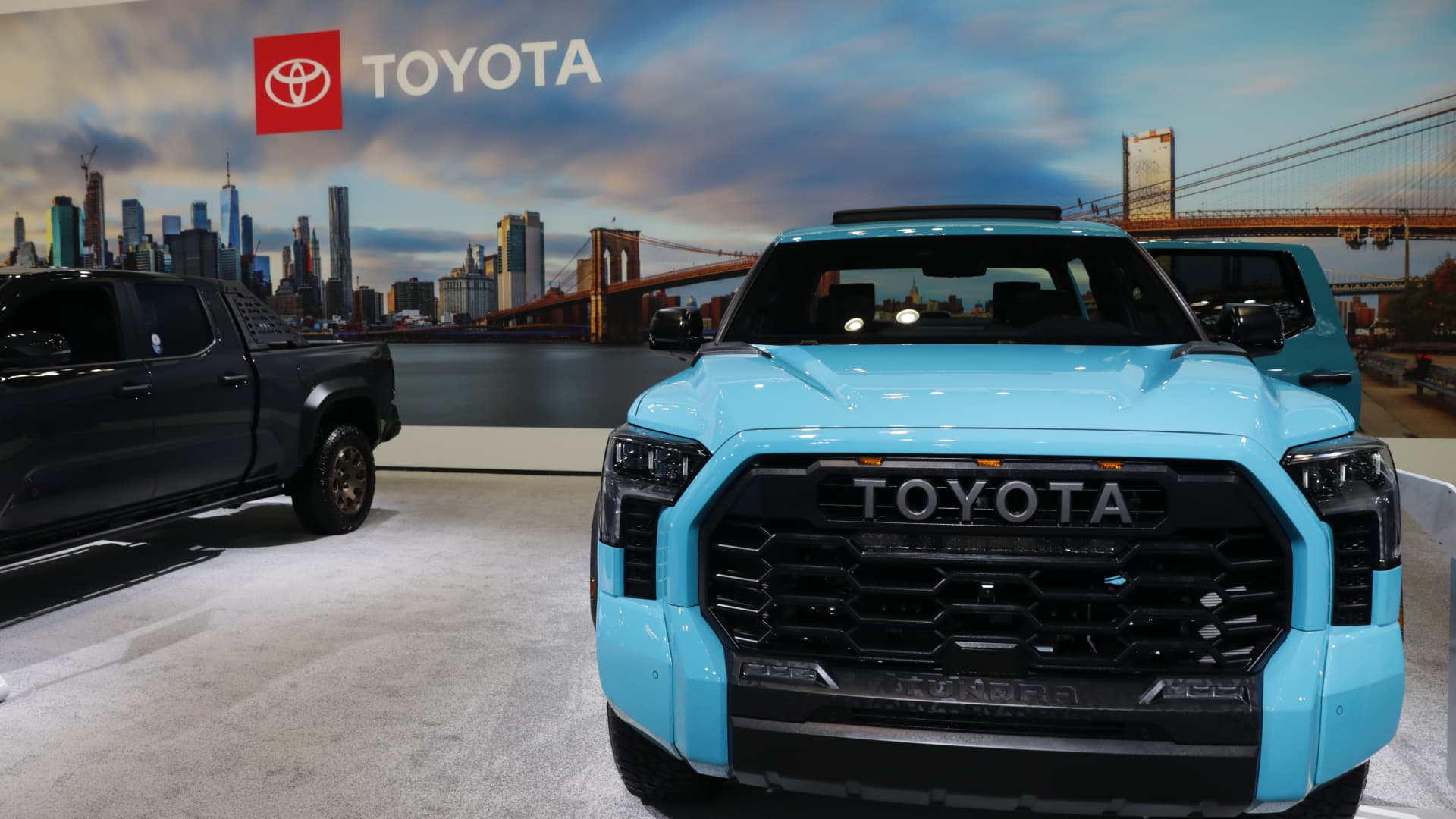
In a significant development for the automotive landscape, Toyota Motor is narrowing the sales gap with General Motors in the crucial U.S. market. This shift is largely attributed to the growing consumer demand for hybrid vehicles, a segment where Toyota has long held a dominant position, while the broader market grapples with a slowdown in all-electric vehicle adoption.
🗝️ Corporate Strategy Insights
- Hybrid Dominance. Toyota’s sustained focus and leadership in hybrid technology are proving to be a strategic advantage as consumer preferences lean towards fuel efficiency and established performance.
- EV Market Headwinds. General Motors’ aggressive pivot to an all-electric vehicle strategy is facing unexpected challenges, particularly with slower-than-anticipated EV adoption and consumer hesitancy.
- Market Share Fluctuation. The narrowing sales gap highlights the dynamic nature of the auto industry, where strategic product planning and adaptation to market trends can rapidly alter competitive standings.
According to a new forecast from Cox Automotive, Toyota is projected to see a nearly 1% increase in U.S. sales for the first half of the year, reaching 1.25 million vehicles. In contrast, General Motors is expected to experience a 7.2% decline, delivering 1.33 million units. This trend suggests a potential shift in market leadership, a scenario not seen consistently since Toyota first surpassed GM in U.S. sales in 2021, a feat largely influenced by pandemic-induced supply chain disruptions.
Cox Automotive’s senior economist, Charlie Chesbrough, noted the concerning trend for General Motors, indicating that Toyota could indeed overtake them as the top-selling manufacturer in the U.S. by year’s end. While not a definitive forecast, the narrowing sales difference underscores a significant strategic divergence between the two automotive giants.
- Toyota’s strategy of offering a balanced portfolio, which includes continued innovation in hybrids alongside the introduction of electric vehicles, appears to resonate more strongly with current market demand.
- General Motors’ heavy investment in all-electric vehicles, with hybrids often relegated to a ‘transitional’ technology, may be misaligned with the immediate purchasing behavior of a significant portion of U.S. consumers.
- The data suggests that the current market environment favors established, fuel-efficient technologies, presenting a challenge for automakers heavily committed to a pure EV transition.
This evolving market dynamic has broader implications for the industry’s capital allocation strategies. While long-term EV investments remain crucial, the current reality points to the importance of retaining and optimizing existing, high-demand powertrain technologies. Companies that can effectively manage this dual focus are likely to maintain market leadership.
Other automakers like Honda, Volkswagen, and Stellantis are anticipated to report sales gains in the second quarter, demonstrating a varied market response. Conversely, Tesla, Ford, and GM are forecast to see the largest sales declines, further emphasizing the competitive pressures and differing market impacts across the sector.
Toyota’s Hybrid Advantage: Fueling Market Leadership
Toyota’s continued success in the U.S. market, especially its strong performance against a historical giant like General Motors, can be directly linked to its decades-long strategic commitment to hybrid vehicle technology. While many competitors were hesitant or delayed in their hybrid offerings, Toyota systematically built out its lineup, earning consumer trust and brand loyalty in this segment. This proactive approach now translates into a significant competitive advantage as fuel prices fluctuate and environmental consciousness grows, but practicality remains a top consumer concern. The narrative is clear: hybrids are experiencing a resurgence, and Toyota is perfectly positioned to capitalize on this trend.
General Motors’ strategy, which heavily prioritized a rapid transition to an all-electric future, has encountered a more challenging path. The current market environment, characterized by increasing consumer interest in hybrid efficiency and ongoing debates about charging infrastructure and EV costs, has created headwinds for GM’s EV-centric approach. The limited hybrid offerings from GM, with the Corvette being a notable exception, contrasts sharply with Toyota’s comprehensive hybrid range, impacting their ability to capture a broader spectrum of consumer demand in the short to medium term.
Toyota’s success in this period is a powerful testament to the strategic value of catering to evolving, yet pragmatic, consumer needs rather than solely chasing future-defining technologies without a robust transitional plan.
| Automaker | Projected H1 Sales Change (YoY) | Projected H1 Volume (Millions) |
|---|---|---|
| Toyota | +0.9% | 1.25 |
| General Motors | -7.2% | 1.33 |
Explanation of Metrics: The projected Year-over-Year (YoY) sales change indicates the momentum of each automaker in the U.S. market. The projected H1 Volume provides a snapshot of their current market share. These metrics are critical for understanding shifts in competitive positioning and future revenue potential.
Toyota’s Operational Efficiency Fuels Market Gains
Toyota’s manufacturing prowess, deeply rooted in the Toyota Production System (TPS), has historically been a cornerstone of its operational efficiency. This system emphasizes continuous improvement (Kaizen), waste reduction (Muda), and just-in-time (JIT) inventory management. These principles allow Toyota to maintain high quality while controlling production costs, a critical factor in its ability to offer competitive pricing and a consistent supply of vehicles, even during industry-wide disruptions. This operational excellence is not just about building cars; it’s about a strategic approach to capital allocation that prioritizes long-term stability and customer satisfaction, directly translating into market share gains. The company’s ability to adapt its production lines for hybrid models without significant disruption further underscores its manufacturing agility.
Toyota’s Market Leadership Potential: Beyond Sales Numbers
While sales volume is a key indicator, Toyota’s potential for sustained market leadership in the U.S. extends beyond just unit sales. The brand enjoys a strong reputation for reliability, durability, and resale value – all crucial factors that build enduring customer loyalty and attract new buyers. This reputation acts as a powerful competitive moat, making it difficult for rivals to dislodge Toyota from its strong market position. Furthermore, Toyota’s strategic investments in diverse powertrain technologies, including hydrogen fuel cells, signal a forward-looking approach that aims to capture future mobility trends, even as it leverages its current hybrid strength. This balanced approach to innovation and market responsiveness is what positions Toyota for continued dominance in the evolving automotive landscape.
Toyota’s Hybrid Momentum Driving U.S. Market Share
Toyota’s current surge in U.S. sales, potentially eclipsing General Motors, signals a significant shift in automotive market dynamics. The company’s strategic emphasis on hybrid technology is clearly resonating with consumers seeking fuel efficiency and proven reliability.
- The data indicates a strong consumer preference for hybrid vehicles over a full EV transition in the current market climate.
- General Motors faces a critical challenge in adapting its strategy to meet immediate consumer demand while continuing its long-term EV objectives.
- Toyota’s sustained focus on operational excellence and customer-centric product development solidifies its competitive moat and market leadership prospects.
Will Toyota’s hybrid advantage translate into sustained long-term market leadership, or will automotive competitors adapt quickly enough to regain ground?
📊 StockXpo Analyst’s View
Market Impact: This development is likely to influence investor sentiment towards automakers with strong hybrid portfolios, potentially shifting capital allocation away from pure EV plays towards more balanced strategies. It highlights the importance of agility in product development and response to immediate consumer needs, impacting overall market liquidity for automotive stocks.
Sector To Watch: The automotive sector, particularly companies with diversified powertrain offerings and robust supply chain management, will be under increased scrutiny. Investors should also monitor component suppliers specializing in hybrid technology, as demand for these systems is expected to grow.
Financial Disclaimer:
StockXpo.com is a financial news aggregator and educational portal, not a registered investment advisor or broker-dealer. All information, news, and analysis provided herein are strictly for educational purposes and do not constitute investment, financial, legal, or tax advice. Investing in the stock market involves high risks, and past performance is not indicative of future results. StockXpo will not be liable for any financial losses or investment damages. Always consult a certified financial advisor before making market decisions.
MORE IN INSIDE BUSINESS

Skydance Vertical Win: Ellison’s Bold Strategy for Media Dominance
Published: Thursday, October 8, 2026 · 12:44 PM

Used Car Prices Signal Market Shift: A Strategic Warning for Auto Dealers
Published: Wednesday, October 7, 2026 · 11:15 AM


