Published: Wednesday, June 24, 2026 · 6:04 PM | Updated: Wednesday, June 24, 2026 · 6:04 PM
📊 215 views




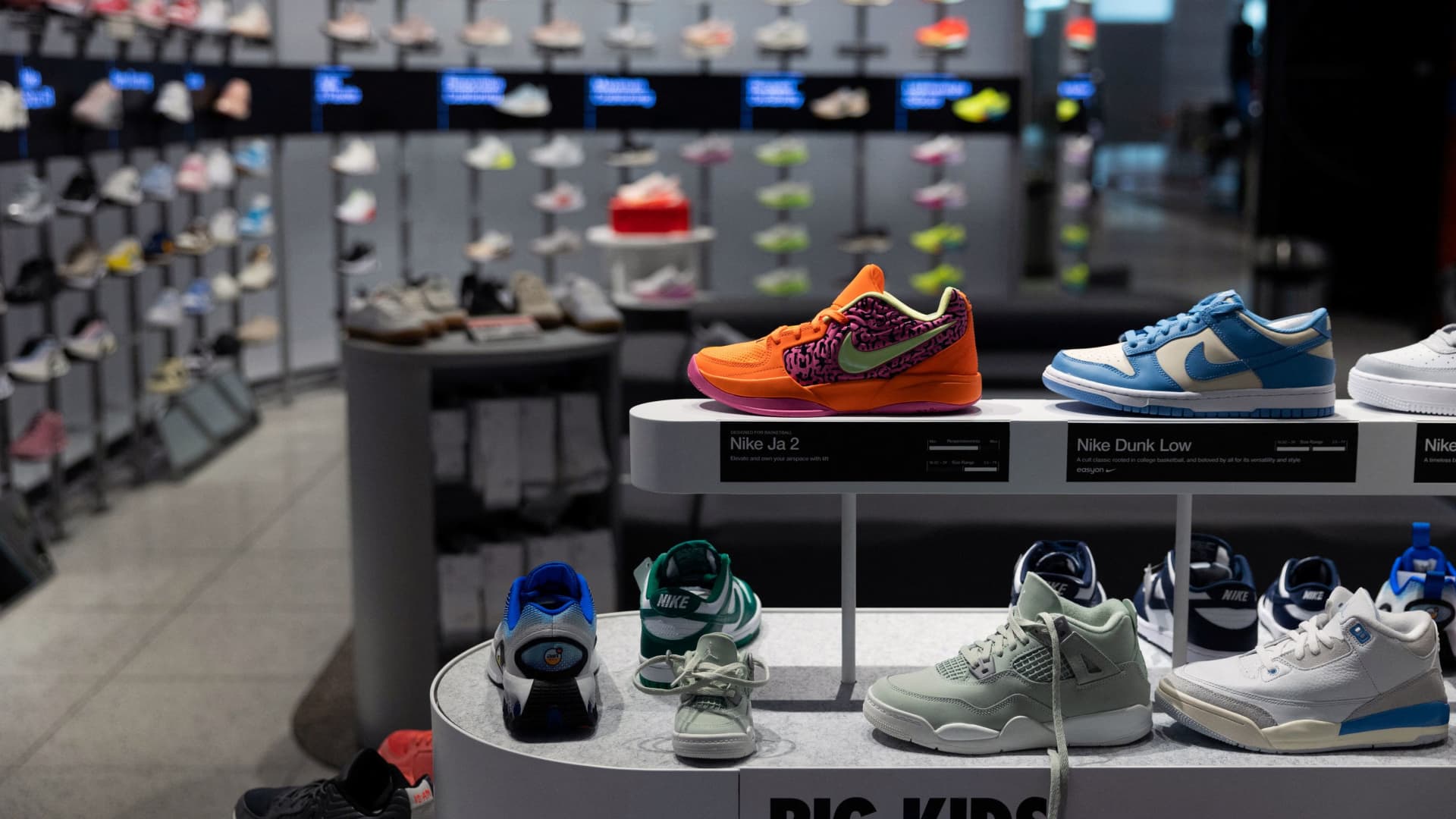
Nike, the global athletic footwear and apparel giant, recently announced a significant leadership transition in its finance department, appointing David Denton as its new Chief Financial Officer. This executive change arrives as the broader market experiences a rebound, yet Nike stock dipped following the news, prompting investors to closely scrutinize the company’s future trajectory ahead of its upcoming earnings report.
🚀 Tech Strategy & Market Disruptions
- Leadership Transition for Operational Efficiency. Nike’s new CFO, David Denton, brings a strong background in cost management, signaling a potential focus on optimizing digital operational workflows and supply chain technology.
- Market Divergence Amidst Economic Shifts. While falling energy prices sparked a broader market rally, boosting interest-rate sensitive sectors, Nike’s shares faced headwinds, highlighting company-specific factors influencing investor sentiment.
- Alphabet’s Dow Inclusion: A Symbolic Tech Milestone. Alphabet’s entry into the Dow Jones Industrial Average underscores the growing recognition of big tech’s importance to the economy, though analysts view its immediate market impact as largely symbolic rather than a direct investment catalyst for innovation-driven growth.
The announcement of David Denton, an executive with a track record at Lowe’s and Pfizer, succeeding Matthew Friend as CFO, led to a nearly 2% decline in Nike’s shares on Wednesday. This dip occurred despite a generally positive market day where the S&P 500 and Nasdaq Composite sought to recover from recent losses. The CNBC Investing Club with Jim Cramer, while acknowledging Denton’s operational acumen, indicated that this development alone wouldn’t alter their current stance on the stock, emphasizing that the crucial factor remains Nike’s guidance for future quarters. Concerns linger among analysts and investors that the company might again temper expectations, a move that could prompt an exit from what has been termed a ‘disappointing investment’.
Meanwhile, the broader market experienced an uplift, propelled by falling West Texas Intermediate crude prices below $70 a barrel, a level not seen since early March. This decline in energy costs translated into lower Treasury yields, which in turn provided a tailwind for interest-rate sensitive sectors, including housing and home improvement, with Home Depot shares advancing over 5%. Separately, Google parent Alphabet is set to replace Verizon in the Dow Jones Industrial Average, a move seen as largely symbolic by analysts like Jeff Marks, recognizing the company’s economic significance rather than generating substantial passive investment flows. For more on how market trends impact investment strategies, exploring broader technology market trends can offer deeper insights.
From a strategic perspective, the appointment of a new finance chief often signals an internal re-evaluation of financial controls and operational efficiencies. In an enterprise as vast and globally integrated as Nike, this can lead to a cause-and-effect chain that impacts its digital transformation journey:
- **CFO Transition → Operational Efficiency Review:** A new finance leader often instigates a comprehensive review of existing financial operations, seeking areas for cost optimization and improved performance.
- **Operational Review → Technology Investment Prioritization:** This naturally leads to scrutinizing existing technology stacks that support finance, supply chain, and retail operations. Investments in modern ERP systems, advanced analytics, and AI-driven forecasting tools might be accelerated to enhance decision-making.
- **Enhanced Tech Investment → Optimized Digital Supply Chain:** Improved financial oversight and strategic tech investments directly feed into optimizing Nike’s complex digital supply chain, from manufacturing to last-mile delivery. This could translate into reduced costs, faster inventory turns, and more responsive customer fulfillment.
- **Optimized Supply Chain → Market Competitiveness & Shareholder Value:** Ultimately, a more efficient, digitally-enabled operation directly bolsters Nike’s competitive edge in the fast-paced athletic wear market, potentially leading to improved margins and increased shareholder value, directly influencing investor confidence in the Nike stock.
As a CTO, I see leadership changes like Nike’s CFO appointment as pivotal moments for reassessing enterprise-wide technology strategy. A new finance chief’s focus on cost management and operational execution often translates into a mandate for technology leaders to drive deeper digital transformation, optimizing everything from backend systems to consumer-facing platforms for efficiency and agility. It’s about leveraging tech to convert financial strategy into tangible business outcomes.
Examining the market movements on the day of Nike’s CFO announcement reveals a mixed landscape for major players:
- Nike (NKE): Down nearly 2% following CFO announcement.
- Home Depot (HD): Advanced over 5%, benefiting from lower Treasury yields and interest-rate sensitive sector rebound.
- FedEx (FDX): Down around 1% after a volatile earnings report, though off its session lows.
- Alphabet (GOOGL): Rose 1.7% on news of Dow Jones Industrial Average inclusion.
- West Texas Intermediate Crude: Dropped below $70 a barrel, a key driver for broader market sentiment.
Decoding Nike’s Digital Commerce Strategy
Nike’s direct-to-consumer (DTC) strategy, heavily reliant on its digital platforms, represents a core pillar of its future growth. A new CFO with a background in operational execution could significantly influence how Nike invests in and optimizes these digital channels. This isn’t just about sales; it involves robust e-commerce architecture, personalized user experiences driven by data analytics, and scalable cloud infrastructure to handle peak demand. The ability to manage costs effectively within these high-growth, high-investment digital ventures will be critical for maintaining profitability and market leadership. Understanding these dynamics is essential for those keen on emerging technologies in retail.
Nike’s Supply Chain Resiliency and Tech Edge
Modern supply chains are intrinsically linked to advanced technology. For a global powerhouse like Nike, operational execution, a key focus for Denton, means leveraging AI for demand forecasting, blockchain for supply chain transparency, and IoT for real-time inventory tracking. The goal is to build a resilient, agile supply chain that can navigate geopolitical shifts, logistical challenges, and evolving consumer demands while minimizing costs. Any strategic shift under new financial leadership will undoubtedly impact the prioritization and funding of these critical technological advancements, reflecting a broader trend observed by financial publications like Reuters Technology.
Nike’s Next Phase: Navigating Future Guidance
Nike’s latest CFO appointment arrives at a critical juncture for the company, with investors keenly awaiting clarity on its financial outlook. While the market reaction to the leadership change was muted, the broader narrative hinges on Nike’s ability to demonstrate sustainable growth and cost control in an evolving consumer landscape.
- The focus shifts to Nike’s upcoming earnings report and management’s tone on future guidance.
- Denton’s expertise in operational efficiency could signal a renewed push for profitability improvements.
- Investor confidence will depend on clear strategies to navigate inventory levels, digital commerce investments, and global market dynamics.
Will Nike’s new financial stewardship provide the catalyst needed to overcome recent investor skepticism and propel the brand into a new phase of robust market performance?
📊 StockXpo Analyst’s View
Market Impact: The immediate dip in Nike stock post-CFO announcement reflects a degree of investor uncertainty, typical during executive transitions. However, the broader market’s positive momentum, driven by macro factors like falling oil prices, suggests that company-specific news is currently weighed against a more favorable economic backdrop. This divergence highlights the importance of scrutinizing individual company fundamentals even during wider market rallies. Investors should pay close attention to Nike’s strategic narrative regarding digital expansion and supply chain optimization under the new CFO.
Sector To Watch: The consumer discretionary sector, particularly athletic wear and digital retail, will be keenly observed. While Nike navigates leadership changes, competitors’ strategies in DTC and tech integration will become even more critical. Additionally, the home improvement sector, bolstered by lower interest rate expectations, demonstrates how macro-economic shifts can create unexpected tailwinds, prompting a look at how companies like Home Depot capitalize on these opportunities compared to global brands like Nike as seen through educational tech insights.
Financial Disclaimer:
StockXpo.com is a financial news aggregator and educational portal, not a registered investment advisor or broker-dealer. All information, news, and analysis provided herein are strictly for educational purposes and do not constitute investment, financial, legal, or tax advice. Investing in the stock market involves high risks, and past performance is not indicative of future results. StockXpo will not be liable for any financial losses or investment damages. Always consult a certified financial advisor before making market decisions.
MORE IN INSIDE TECHNOLOGY

Data Centers Face Global Headwinds: A $119 Billion Investment at Risk
Published: Saturday, October 3, 2026 · 2:48 AM

AI Cyberattacks: Interpol Warns of Escalating Speed and Risk
Published: Friday, October 2, 2026 · 1:18 AM