Published: Wednesday, June 24, 2026 · 8:39 PM | Updated: Wednesday, June 24, 2026 · 8:39 PM
📊 242 views




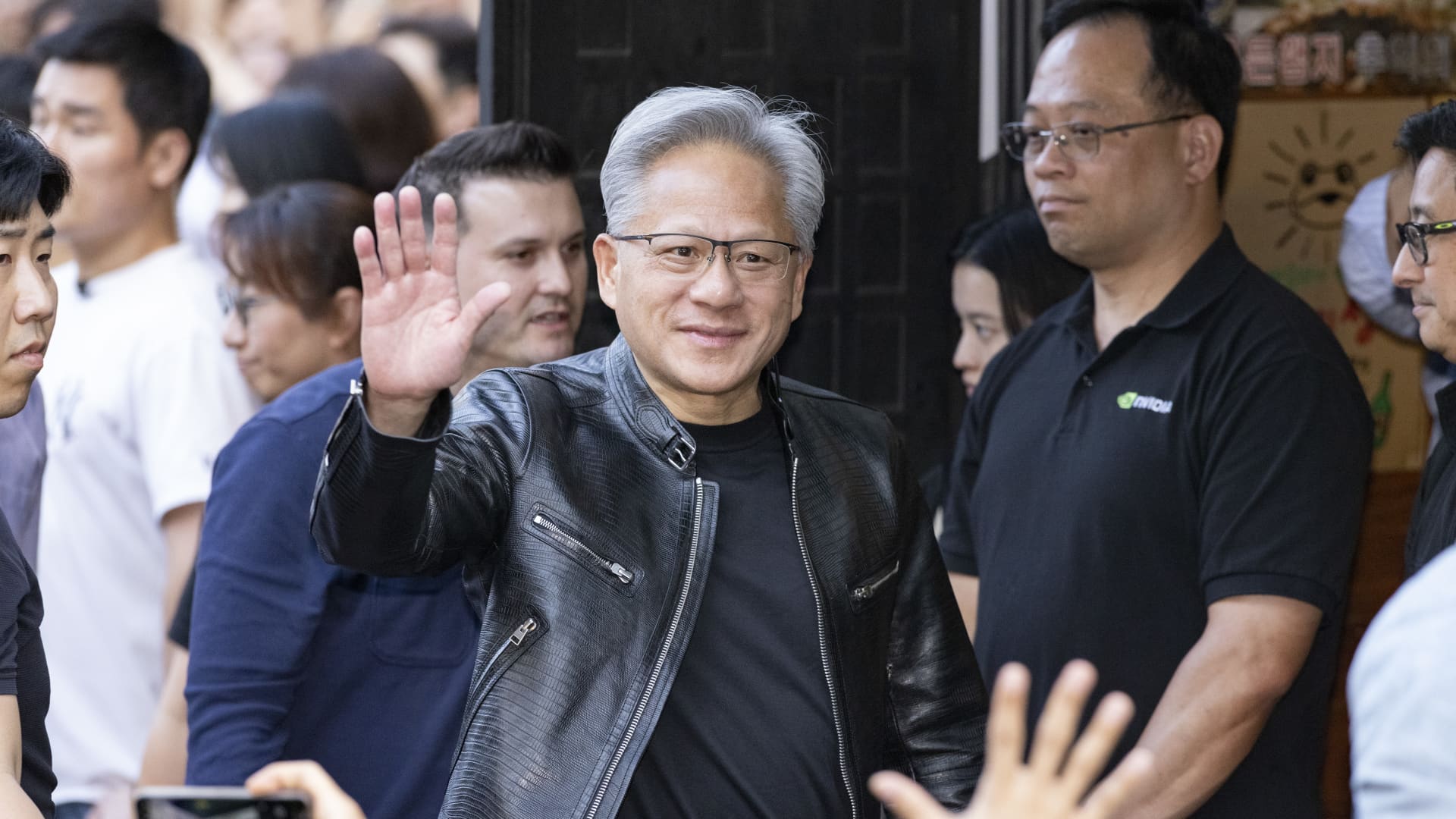
Nvidia CEO Jensen Huang recently delivered a stark warning to shareholders, asserting that constructing advanced AI data centers with smuggled components is ultimately a futile endeavor. His remarks underscore a deepening geopolitical fault line in the global technology market, where national security interests are increasingly dictating the flow of critical hardware.
🚀 Tech Strategy & Market Disruptions
- National Security First. Nvidia prioritizes U.S. national security, refusing support for systems built with illegally acquired chips, effectively rendering them inoperable for advanced AI workloads.
- Integrated System Complexity. Modern AI data centers demand trusted hardware, software, networking, and continuous support, making ‘cobbling together’ illicit components a technical and operational impossibility.
- Export Controls’ Long Shadow. Despite approved licenses for specific chips, export controls continue to reshape Nvidia’s revenue streams, illustrating the profound impact of geopolitical tensions on global technology market trends.
Huang’s statement on Wednesday highlighted that if a commercial opportunity clashes with U.S. national security, American interests would always take precedence. This firm stance comes amidst escalating concerns from Washington regulators regarding the export of advanced AI software and hardware to nations like China, perceived as potential national security threats. Nvidia, a linchpin in the AI revolution, has been navigating U.S. export controls on its chips since 2022, leading to the development of China-specific models to comply with government benchmarks. While the U.S. recently cleared Nvidia’s H200 chip for export to the region, actual revenue generation remains uncertain as China’s import policies are yet to fully unfold.
The complexity of modern AI data centers extends far beyond individual components. These are colossal, interconnected ecosystems demanding trusted hardware, sophisticated software stacks, robust networking infrastructure, and ongoing technical support. Without these foundational elements and Nvidia’s direct backing, any attempt to build AI infrastructure from smuggled parts, particularly for high-performance computing, is indeed a dead end. This reality was underscored by the recent government directive that led Anthropic, an Nvidia chip user, to disable access to its advanced models, illustrating the enforcement power of these export controls.
The ripple effect of export restrictions on emerging technologies creates a direct disruption flow: U.S. government export controls restrict the sale of cutting-edge Nvidia AI chips to certain regions → Illicit attempts to procure or smuggle components for building AI data centers arise → Nvidia’s refusal to provide software updates, driver support, or essential maintenance for such systems → The resulting lack of integrated functionality, security patches, and performance optimization renders these “black market” systems unstable, inefficient, and ultimately unusable for serious AI development, significantly impeding technological progress in affected areas.
CTO Insight: “The true power of an AI data center isn’t just in its silicon, but in its holistic integration – from firmware to cloud orchestration. Without a fully supported, legally sourced ecosystem, the most advanced hardware becomes an expensive paperweight. This highlights the critical role of trusted supply chains in global digital transformation.”
While the technical hurdles for unsanctioned systems are immense, Nvidia’s financial health remains robust. Huang reassured stockholders about the significant return-on-investment in AI, citing examples like GitHub’s pull requests nearly tripling due to AI assistance. The company generated over $96 billion in free cash flow in fiscal 2026 and plans to return 50% of this to investors through share repurchases and dividends.
Here are key financial highlights from Nvidia’s recent performance:
- Approximately 9% of Nvidia’s fiscal 2026 revenue originated from China, including Hong Kong, a decline from previous years.
- The company achieved over $96 billion in free cash flow during fiscal 2026, demonstrating strong operational efficiency.
- Nvidia is committed to returning 50% of its free cash flow to shareholders via buybacks and dividends over the next few years.
Nvidia Security & Infrastructure Strength
Nvidia’s dominance in the AI chip market isn’t solely due to its hardware prowess but also its comprehensive software ecosystem, including CUDA, cuDNN, and TensorRT. This integrated stack provides crucial performance optimizations, security features, and development tools that are indispensable for large-scale AI training and inference. Deploying an AI data center involves intricate configurations, constant software updates, and rigorous cybersecurity protocols to protect intellectual property and sensitive data. Without legitimate access to Nvidia’s full software suite and ongoing support, any system assembled from smuggled parts would be inherently vulnerable, inefficient, and prone to critical failures. This ecosystem strength is a key deterrent against unauthorized usage, reinforcing the company’s control over how its technology is deployed globally.
Nvidia Market Adoption Challenges
Despite Nvidia’s clear technological leadership, the company faces significant market adoption challenges beyond export controls. Intense competition from internal chip development efforts by hyperscalers like Google and Amazon, along with emerging startups, could fragment the AI hardware market. Furthermore, the sheer cost and power consumption of advanced AI data centers necessitate massive capital investments, potentially limiting broader adoption to only the largest enterprises and nation-states. Navigating these dynamics while maintaining its competitive edge requires not only continuous innovation in silicon but also strategic partnerships and a flexible approach to global regulatory landscapes, as explored in various educational tech insights. This complex environment demands Nvidia to continually evolve its product roadmap and business strategies.
Nvidia’s Strategic Gambit in the Face of Geopolitical Realities
Nvidia’s firm stance on national security and its implications for black market operations signal a new era where technological leadership is inseparable from geopolitical alignment. The company’s resilience, underscored by strong free cash flow and a commitment to shareholder returns, positions it uniquely at the intersection of innovation and international policy. This strategy aims to ensure long-term stability in key markets.
- Nvidia is reinforcing its commitment to U.S. national security, potentially setting a precedent for other critical tech providers.
- The technical complexity and support requirements for AI data centers act as a natural barrier to illicit component use.
- Despite geopolitical headwinds, Nvidia’s financial performance and AI ROI narrative remain robust, appealing to long-term investors.
How will this tightening integration of tech and geopolitics redefine global supply chains and foster alternative AI ecosystems?
📊 StockXpo Analyst’s View
Market Impact: Nvidia’s clear message regarding national security and the impracticality of black market data centers reinforces investor confidence in the company’s legitimate market operations and compliance. This clarity can mitigate risks associated with illicit trade, ensuring that legitimate customers receive full support, thereby stabilizing the market for high-performance AI hardware. The emphasis on system integrity also highlights the value of integrated solutions, potentially dampening speculative interest in gray market components and supporting the premium pricing of fully compliant systems.
Sector To Watch: The semiconductor and cloud infrastructure sectors are paramount. As companies like Nvidia solidify their stance, legitimate cloud providers and data center operators that adhere to strict compliance will see increased demand. Furthermore, the broader implications for global tech narratives and critical industry intelligence suggest that nations prioritizing secure, supported AI infrastructure will accelerate their domestic development efforts, leading to potential shifts in regional AI capabilities and investments in compliant technology market trends.
Financial Disclaimer:
StockXpo.com is a financial news aggregator and educational portal, not a registered investment advisor or broker-dealer. All information, news, and analysis provided herein are strictly for educational purposes and do not constitute investment, financial, legal, or tax advice. Investing in the stock market involves high risks, and past performance is not indicative of future results. StockXpo will not be liable for any financial losses or investment damages. Always consult a certified financial advisor before making market decisions.
MORE IN INSIDE TECHNOLOGY

SoftBank AI Investment: Malaysia’s $50 Billion Innovation Surge
Published: Monday, October 26, 2026 · 2:37 AM
SpaceX AI Chips: $40 Billion Deal Fuels Innovation-Driven Growth
Published: Sunday, October 25, 2026 · 9:35 PM