Published: Tuesday, June 23, 2026 · 9:32 PM | Updated: Tuesday, June 23, 2026 · 9:32 PM
📊 452 views




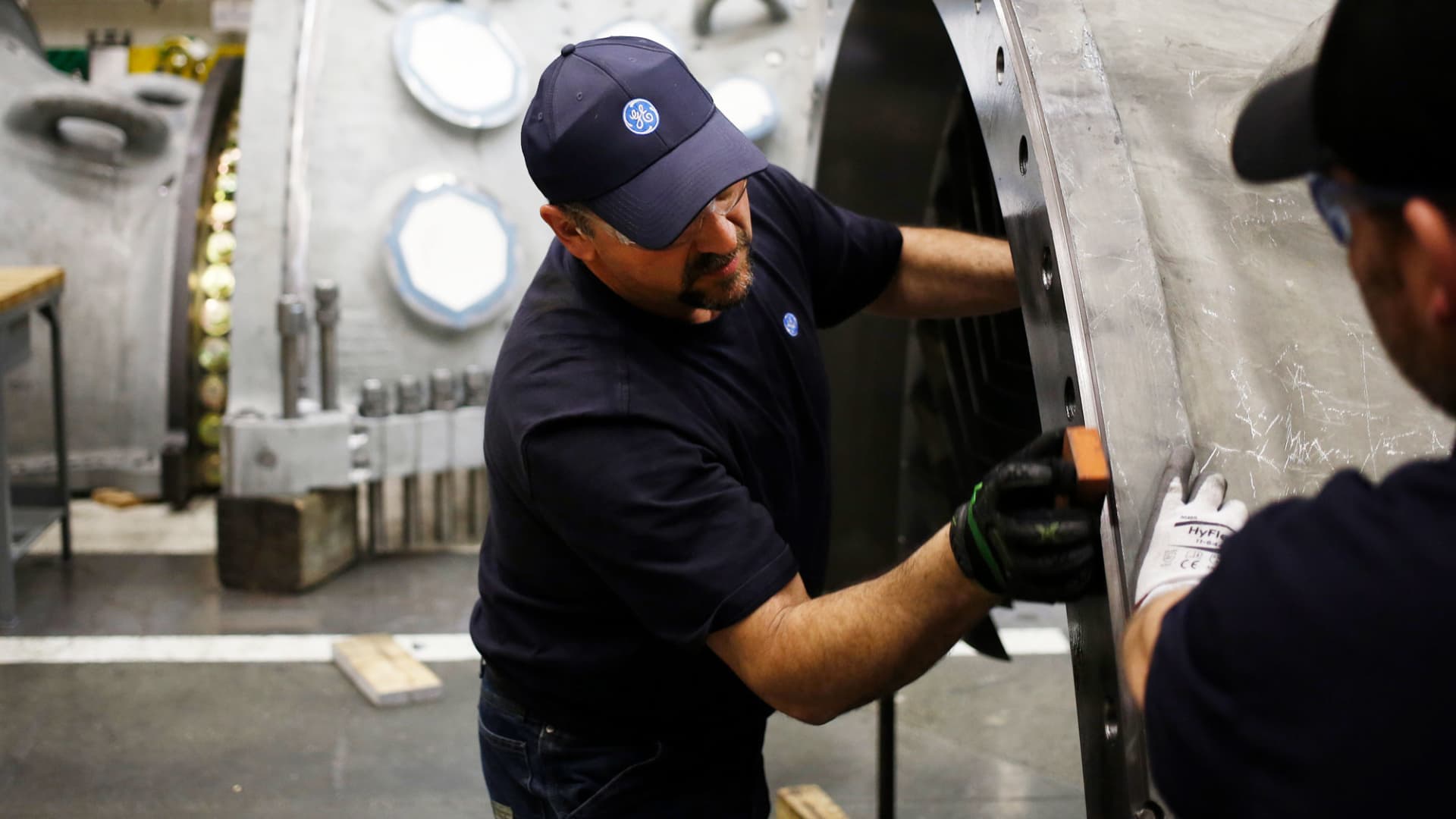
The burgeoning demand for AI workloads is redefining infrastructure needs, pushing companies towards innovative energy solutions. A landmark off-grid power project in West Texas, spearheaded by Chevron and fueled by GE Vernova’s turbines for a new Microsoft data center, signals a significant shift in how large-scale computing facilities are powered. This initiative not only promises robust, independent energy for hyperscalers but also validates GE Vernova’s pivotal role in the future of electrification.
🚀 Tech Strategy & Market Disruptions
- Hyperscaler Energy Independence. Microsoft’s long-term energy purchase from Chevron’s planned off-grid plant lessens reliance on public grids, a strategic move for AI data centers.
- GE Vernova’s Turbine Dominance. The company’s heavy-duty natural gas turbines are a top choice for ‘behind-the-meter’ energy, securing a substantial backlog amidst increasing power demand for AI.
- Mitigating Grid Strain & Political Resistance. By co-locating power generation with data centers, this model addresses local grid stress and aims to alleviate community concerns over massive energy consumption.
The recent announcement by Chevron, revealing a long-term energy purchase agreement with Microsoft for its new West Texas data center, underscores a critical evolution in powering AI infrastructure. Dubbed Project Kilby, this facility will largely be energized by natural gas turbines supplied by GE Vernova and will operate independently of the public grid, a crucial design choice aimed at mitigating stress on local power networks. This off-grid power project serves as a significant proof of concept for GE Vernova, particularly as the company navigates increasing competition and market fluctuations. Analysts at Wells Fargo, while acknowledging market concerns like rising competition from rivals such as Mitsubishi and a slowdown in AI trade activity, maintain a positive outlook on GE Vernova, citing its substantial market share—estimated at 25% of the world’s electricity generation—and a robust order backlog.
This collaboration highlights a growing trend among hyperscalers to secure dedicated, localized power sources for their energy-intensive AI workloads. The co-location of the power plant and data center, expected to deliver approximately 2.7 gigawatts of capacity, effectively bypasses traditional grid infrastructure limitations and local resistance often associated with new data center developments. Jeff Gustavson, president of Chevron New Energies, emphasized that this approach avoids competition with local electricity consumers, with future plans to feed excess power back into the grid for stabilization. The project, expected to supply power by 2028, also signals the immense demand for heavy-duty machinery, with GE Vernova’s turbines sold out through at least 2028, and limited capacity stretching into 2029 and 2030.
- Growing Hyperscaler Demand: The deal validates the need for dedicated energy solutions for massive AI computing needs.
- Pricing Power for Equipment Makers: Increased competition for equipment like GE Vernova’s turbines is driving higher pricing.
- Strategic Decentralization: Moving power generation closer to consumption points reduces transmission losses and grid congestion.
Bernstein analyst Sunaina Ocalan noted that Project Kilby is ‘just another proof point of the enormous power demand that we’re seeing’ in the AI boom, translating into better pricing power and margin expansion for GE Vernova. This sentiment resonates with broader industry observations regarding how emerging technologies are reshaping energy consumption. The strategic significance of attracting a hyperscaler like Microsoft to Project Kilby is not lost on market observers, who anticipate a ‘domino effect’ where one major deal can spur others, echoing similar patterns seen with companies like Corning and its fiber optic agreements with Meta, Nvidia, and Amazon. These developments illustrate a critical juncture for the technology market trends and the infrastructure supporting it.
The shift towards dedicated, behind-the-meter power plants like Project Kilby represents a significant disruption flow in energy infrastructure for technology.
New AI-driven computational demands → Increased, localized power consumption → Strain on existing grid infrastructure and political resistance → Development of co-located, off-grid power plants → Reduced reliance on public grids, enhanced energy resilience, and validated demand for specialized generation equipment like GE Vernova’s turbines → Accelerates innovation in decentralized energy solutions and drives market share for key suppliers.
‘Behind-the-meter energy generation, exemplified by Project Kilby, isn’t merely about power independence; it’s a strategic infrastructure play that fundamentally de-risks large-scale digital transformation initiatives. By minimizing external grid dependencies and enhancing operational resilience, it creates a new paradigm for data center deployment, enabling faster scaling and more predictable operational costs crucial for AI innovation.’
| Metric | Value | Context |
|---|---|---|
| Project Kilby Capacity | 2.7 Gigawatts | Equivalent to powering 2 million households for Microsoft’s data center. |
| GE Vernova Current Backlog | $163 Billion | As of end of March, reflecting high demand for turbines. |
| GE Vernova Expected Backlog | $200 Billion | By end of 2027, a year earlier than previous expectations. |
| GE Vernova Global Electricity Share | ~25% | Company’s estimated contribution to world’s electricity generation. |
GE Vernova Market Adoption Challenges
While Project Kilby offers a clear validation of GE Vernova’s technology, the broader market landscape presents its own set of challenges. The company faces stiff competition from rivals such as Mitsubishi, particularly in the heavy-duty turbine sector. This competitive pressure, coupled with potential slowdowns in the overall artificial intelligence trade—as evidenced by recent Nasdaq movements—could impact future order pipelines if not managed strategically. Furthermore, the political resistance to large-scale data center construction, highlighted by Wells Fargo, necessitates a delicate balance between technological innovation and community engagement. Overcoming these hurdles will require not only superior technology but also effective stakeholder management and adaptable business models.
Project Kilby Ecosystem Expansion Potential
The success of Project Kilby could pave the way for a new model of data center power infrastructure, creating significant ecosystem expansion potential. As more hyperscalers recognize the benefits of energy independence and grid stability, the demand for integrated power solutions is likely to surge. This could lead to further collaborations between energy providers, turbine manufacturers, and tech giants, fostering innovation in areas like carbon capture for natural gas plants, integration with renewable energy sources, and advanced grid stabilization technologies when excess power is pushed back into the public grid. Such projects could become blueprints for sustainable and resilient digital infrastructure globally, shaping how future high-demand computing centers are conceptualized and deployed, as detailed in many educational tech insights.
The Strategic Implications of Off-grid Power for GE Vernova
The Project Kilby agreement is a decisive victory for GE Vernova, reinforcing its critical position in the rapidly evolving energy landscape driven by AI demand. This flagship off-grid power project not only bolsters the company’s significant backlog but also solidifies its reputation as a preferred partner for hyperscale infrastructure.
- The deal validates GE Vernova’s strategy in providing ‘behind-the-meter’ power solutions, essential for the future of AI data centers.
- The long-term nature of the Microsoft agreement enhances revenue predictability and strengthens pricing power for GE Vernova’s heavy-duty turbines.
- It sets a precedent for how energy companies and tech giants can collaborate to meet massive, localized power demands while mitigating grid impact.
Will Project Kilby spark a rapid acceleration of similar off-grid partnerships, further cementing GE Vernova’s leadership in the energy transition?
### 📊 StockXpo Analyst’s View
Market Impact: This partnership demonstrates a clear commitment by tech giants to secure resilient, dedicated energy for their AI ambitions, potentially shifting capital deployment towards localized power infrastructure. It signals robust demand for industrial power generation equipment, insulating key suppliers like GE Vernova from broader market volatility and driving sustained investor interest in related sectors.
Sector To Watch: Investors should closely monitor the industrial power generation and utilities sectors, particularly companies specializing in gas turbines, modular power solutions, and energy infrastructure development. The long-term contracts and substantial backlogs indicate a multi-year growth runway, making these segments compelling in the context of the accelerating AI buildout.
Financial Disclaimer:
StockXpo.com is a financial news aggregator and educational portal, not a registered investment advisor or broker-dealer. All information, news, and analysis provided herein are strictly for educational purposes and do not constitute investment, financial, legal, or tax advice. Investing in the stock market involves high risks, and past performance is not indicative of future results. StockXpo will not be liable for any financial losses or investment damages. Always consult a certified financial advisor before making market decisions.
MORE IN INSIDE TECHNOLOGY

AI Legal Tech: Revolutionizing Billing and Training in Law with Innovation
Published: Saturday, October 10, 2026 · 2:58 AM

Starlink India: Regulatory Hurdles and Innovation-Driven Growth Risks
Published: Friday, October 9, 2026 · 12:48 AM