Published: Tuesday, June 16, 2026 · 7:22 AM | Updated: Tuesday, June 16, 2026 · 7:22 AM
📊 267 views




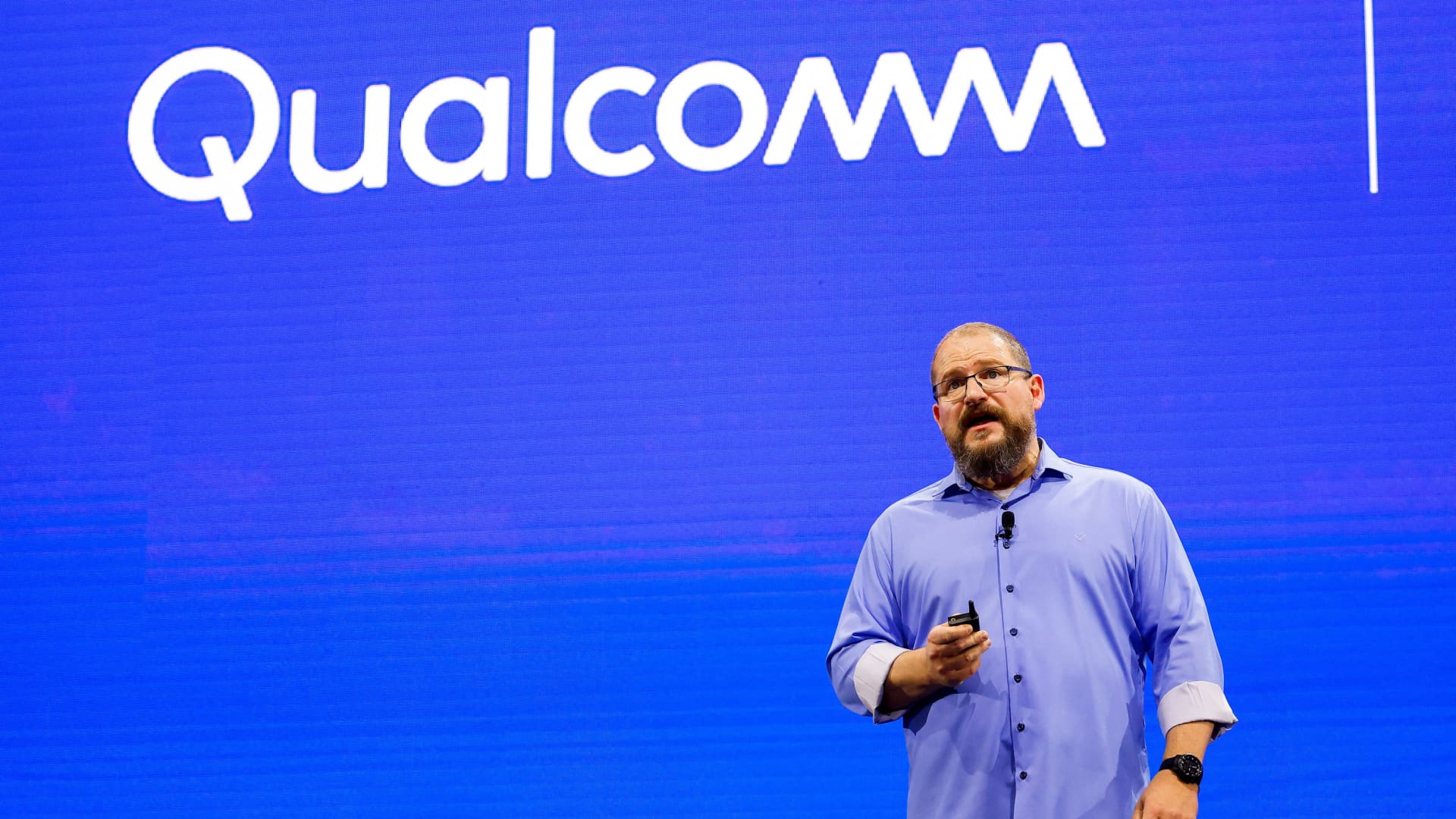
Qualcomm is spearheading a significant shift in consumer electronics, with CEO Cristiano Amon asserting that AI agents are poised to fundamentally reshape how users interact with devices, potentially eclipsing traditional apps. The chipmaking giant is actively developing over 40 new AI-powered hardware designs, signaling a broad reorientation of the digital ecosystem.
🚀 Tech Strategy & Market Disruptions
- Agent-Centric Future. Qualcomm envisions AI agents replacing apps as the primary interface, shifting the focus from individual applications to intelligent, context-aware assistants that perform complex tasks across services.
- Device Form Factor Evolution. The company is innovating beyond smartphones, exploring new wearable devices like smart glasses, AI-equipped jewelry, earbuds with cameras, and pins to serve as endpoints for these advanced agents.
- New Hardware Market Entrants. The drive for context-rich data and specialized AI experiences is attracting software-centric companies, such as OpenAI, into consumer hardware, intensifying competition with established players like Apple and Samsung.
Qualcomm CEO Cristiano Amon recently revealed that the company is engaged in developing more than 40 distinct designs for new AI-enabled devices. This aggressive push underlines a strategic bet on a future where traditional apps are superseded by sophisticated AI agents, capable of executing intricate, multi-step tasks across various digital services. Amon’s insights, shared on CNBC’s ‘The Tech Download’ podcast, indicate a profound shift in device interaction, challenging the long-standing dominance of the smartphone-app paradigm.
The envisioned future places AI agents at the core of user experience, allowing for seamless interactions like booking an entire holiday or instantly retrieving specific banking transactions without navigating multiple applications. While Amon clarified that “apps are not dead,” he stressed they would “change,” evolving into interfaces that support these intelligent agents rather than being the direct point of interaction. This could redefine how major players like Apple and Samsung approach their ecosystem strategies, potentially forcing them to adapt their hardware and software architectures to accommodate this agent-centric model. This evolution, extensively discussed across technology market trends, points to a future where personal AI agents become the primary conduit for digital interaction.
This transformation is not limited to software; it’s driving a significant hardware evolution, similar to broader technology market trends. Qualcomm is exploring diverse form factors beyond the smartphone, including smart glasses, AI-powered jewelry, camera-equipped earbuds, and smart pins. The unifying principle behind these devices is their ability to be continuously worn, providing constant context about the user’s environment, which is crucial for AI agents to operate effectively. These wearables would serve as direct access points, allowing users to converse with and command their agents intuitively. Amon’s outlook suggests that smart glasses, in particular, could scale to “hundreds of millions” of shipments annually within a few years, potentially rivaling smartphones in market penetration, a claim supported by the rapidly evolving emerging technologies in augmented reality and pervasive computing.
- The industry is witnessing a profound re-evaluation of device architecture, moving away from monolithic applications towards modular, agent-driven services.
- This shift demands more powerful yet energy-efficient chips, a core area of focus for Qualcomm across its entire product roadmap.
- The proliferation of these new form factors also promises an exponential increase in contextual data, vital for training the next generation of highly personalized AI models.
The rise of advanced AI agents, capable of proactive and multi-application task execution, directly leads to a reduced reliance on individual apps for specific functions. This causes a fundamental disruption in user interface design and device interaction, pushing hardware manufacturers to innovate beyond traditional smartphone form factors. Consequently, new wearable devices, designed as continuous endpoints for these agents, will proliferate, shifting the center of digital gravity from the smartphone to the agent itself, thus transforming the competitive landscape for consumer electronics and opening avenues for new market entrants.
“The transition from an app-centric to an AI agent-centric model represents a profound architectural shift. It mandates not just advanced on-device AI capabilities but also a seamless, secure integration across disparate device types, fundamentally altering how we conceive of personal computing and data interaction at the edge.”
Here are key market and development metrics highlighted by Qualcomm’s CEO:
- Qualcomm is actively working on over 40 designs for new AI-powered devices, indicating a broad strategic investment.
- Current annual shipments of smart glasses are in the “multiple tens of millions,” with projections to reach “hundreds of millions” in a few years.
- In comparison, 1.26 billion smartphones were shipped in 2025, underscoring the potential scale smart glasses could achieve.
- OpenAI’s acquisition of Jony Ive’s hardware startup, io, signifies a growing trend of AI companies directly entering the consumer device market.
Qualcomm Ecosystem Expansion Potential
Qualcomm’s aggressive pursuit of diverse AI-powered form factors, from smart glasses to intelligent jewelry, positions it at the forefront of a burgeoning ecosystem beyond conventional mobile. This strategy not only broadens its silicon market but also fosters a rich environment for developers to build agent-first services. By enabling a wide array of devices to serve as AI endpoints, Qualcomm encourages greater innovation in contextual computing and personalized digital experiences. This expansive approach could cement its role as a foundational technology provider for a fragmented yet interconnected intelligent edge, attracting more partners to leverage its Snapdragon platforms.
Qualcomm Platform Architecture Advancements
The vision of ubiquitous AI agents necessitates a dramatic evolution in chip architecture. Qualcomm’s existing Snapdragon platforms already integrate dedicated AI engines, but the scale and complexity of future agent tasks demand even greater leaps in processing power, energy efficiency, and security. Amon’s statement that “Our entire roadmap is in a process of upgrade right now” highlights the need for a radical rethinking of how silicon handles constant, context-aware AI operations in small form factors. This includes specialized neural processing units (NPUs), enhanced power management, and robust on-device security features to protect personal data flowing through these always-on agents, as highlighted in Reuters technology reports. The goal is to deliver responsive, seamless AI experiences without compromising battery life or privacy, a monumental engineering challenge.
Qualcomm’s AI-First Strategy: Defining the Next-Gen Device Landscape
Qualcomm’s strategic pivot towards AI agents and a diverse portfolio of AI-powered devices marks a pivotal moment in consumer technology. This proactive stance aims to redefine digital interaction beyond the confines of the traditional app model, positioning the company as a key enabler of the ambient computing era. The success of this vision hinges on widespread adoption of new form factors and the seamless integration of sophisticated AI capabilities at the device edge.
- The emphasis on AI agents signifies a departure from app-centricity, focusing on intuitive, task-oriented interactions across devices.
- Qualcomm’s extensive work on over 40 new device designs demonstrates a commitment to diversifying beyond smartphones, with smart glasses emerging as a potential next major platform.
- The influx of AI-first companies into hardware underscores the strategic value of device endpoints for data collection and bespoke AI model training.
Will this agent-driven paradigm truly democratize access to advanced AI, or will it create new complexities for privacy and platform control?
📊 StockXpo Analyst’s View
Market Impact: Qualcomm’s aggressive push into AI agents and diversified hardware positions it strongly in the evolving AI landscape. This could bolster its long-term revenue streams beyond smartphone chips, putting pressure on competitors like Apple and Samsung to accelerate their own AI hardware initiatives. Investor sentiment will likely favor companies demonstrating clear innovation pathways in the burgeoning edge AI market, potentially driving re-evaluations of chipmaker valuations.
Sector To Watch: The consumer electronics and semiconductor sectors are ripe for disruption. Watch for companies specializing in advanced sensors, low-power AI processing, and secure edge computing, as they will be critical enablers of this agent-centric future. Furthermore, firms focused on educational tech insights into AI ethics and data governance will become increasingly vital as these devices gather more personal context.
Financial Disclaimer:
StockXpo.com is a financial news aggregator and educational portal, not a registered investment advisor or broker-dealer. All information, news, and analysis provided herein are strictly for educational purposes and do not constitute investment, financial, legal, or tax advice. Investing in the stock market involves high risks, and past performance is not indicative of future results. StockXpo will not be liable for any financial losses or investment damages. Always consult a certified financial advisor before making market decisions.
MORE IN INSIDE TECHNOLOGY

Porsche Profit Rebounds: A Bold Strategic Shift in Global Markets
Published: Tuesday, October 27, 2026 · 6:31 AM

SoftBank AI Investment: Malaysia’s $50 Billion Innovation Surge
Published: Monday, October 26, 2026 · 2:37 AM