Published: Monday, June 8, 2026 · 5:28 PM | Updated: Monday, June 8, 2026 · 5:28 PM
📊 223 views




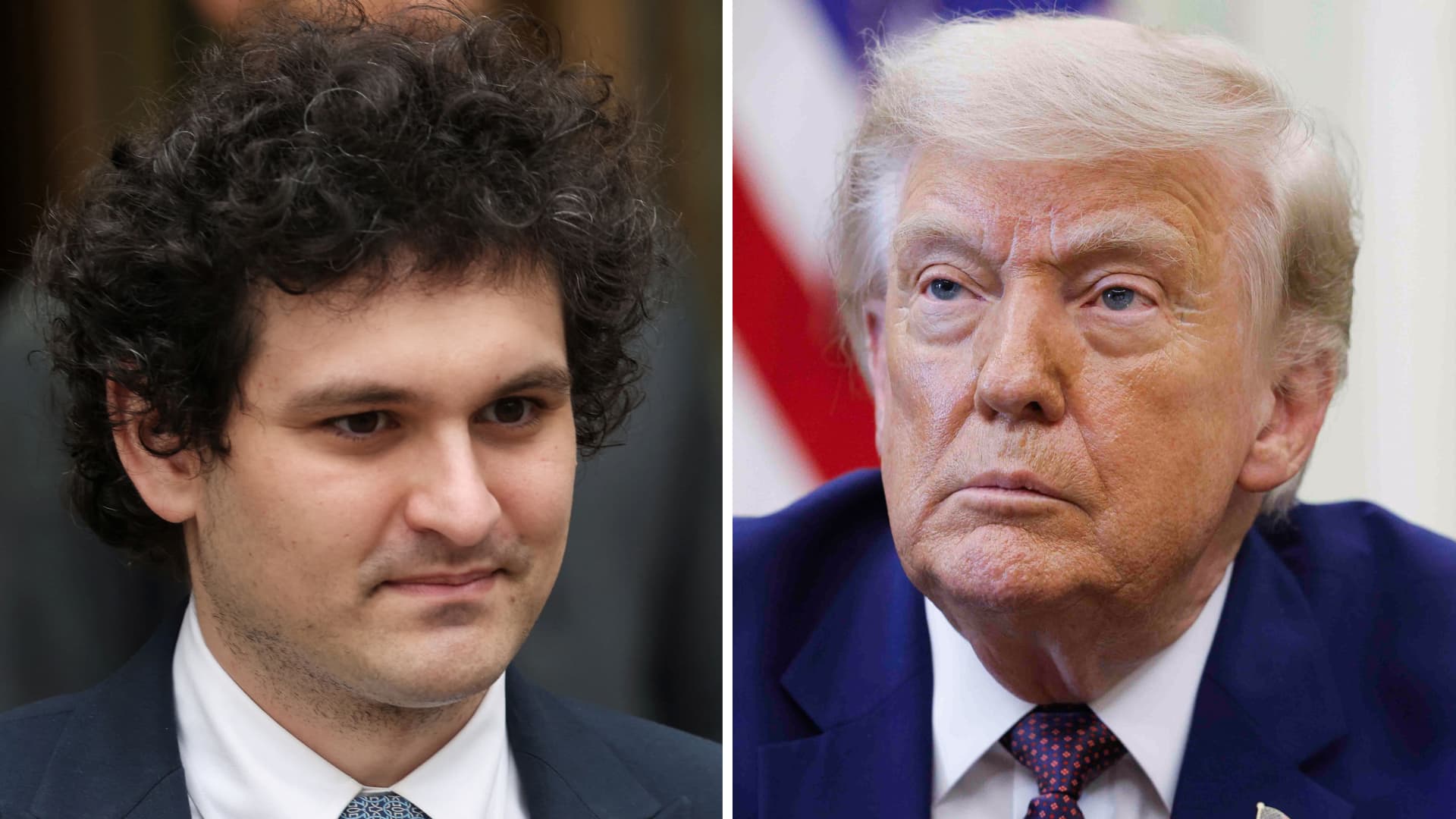
Sam Bankman-Fried, the disgraced co-founder of the collapsed FTX crypto exchange, has formally filed a request for a presidential pardon, according to the U.S. Department of Justice. This development emerges as he serves a 25-year federal prison sentence for orchestrating a multi-billion dollar fraud, reigniting discussions around accountability within the digital asset space and the broader implications for the rule of law in emerging technology sectors.
🚀 Tech Strategy & Market Disruptions
- Regulatory Scrutiny Deepens. The high-profile nature of the FTX collapse and subsequent fraud conviction continues to fuel calls for more stringent global regulation of digital assets and centralized exchanges.
- Crypto Market Sentiment Impact. This pardon request, regardless of its outcome, could further influence investor and public trust in the stability and ethical governance of the broader cryptocurrency market.
- Governance and Accountability Benchmarks. The legal process surrounding figures like Bankman-Fried sets crucial precedents for how digital entrepreneurs are held accountable for financial misconduct in rapidly evolving tech ecosystems.
News from the U.S. Department of Justice Office of the Pardon Attorney indicates that the request for a ‘pardon after completion of sentence’ was submitted in 2026 and remains pending, though the exact filing date is not specified. This move by Bankman-Fried, currently incarcerated for his role in misusing billions of customer funds from FTX and its affiliated trading firm Alameda Research, introduces a complex political and legal dimension to an already contentious case. Public perception and the integrity of the justice system are now at the forefront, especially given the scale of financial devastation caused by the FTX collapse.
Former President Donald J. Trump had previously stated in a January interview with The New York Times his ‘no intention of pardoning’ several high-profile individuals, including Bankman-Fried. Trump’s past actions, which include 147 pardons and commutations in his second term and 238 in his first, notably encompassed all January 6-related cases, highlight the broad discretionary power of the presidency in such matters. However, the political landscape surrounding a potential Sam Bankman-Fried pardon is highly charged, with significant public and industry opposition.
This unfolding scenario casts a long shadow over the future of crypto regulation and investor protection. The very notion of a potential pardon, even if unlikely, serves to underscore the perceived vulnerabilities within the digital asset ecosystem and the urgent need for robust frameworks. For those tracking broader technology market trends, the legal aftermath of FTX’s implosion continues to shape the narrative around responsible innovation and consumer safeguards within burgeoning sectors, as often highlighted by Reuters’ reporting on industry dynamics. The request for clemency could inadvertently fuel renewed public and legislative pressure for greater transparency and accountability in the burgeoning digital economy, impacting how emerging technologies are integrated into traditional finance. The ripple effect extends to investor confidence, potentially influencing capital allocation in blockchain ventures and other innovative financial technologies.
“The Sam Bankman-Fried pardon request, while seemingly a legal long shot, serves as a stark reminder of the governance gaps that enabled the FTX fraud. As CTOs, we must push for decentralized trust mechanisms and immutable audit trails, minimizing reliance on centralized human oversight that has repeatedly proven vulnerable. This isn’t just about criminal justice; it’s about rebuilding trust in the technological frameworks that underpin our digital economy.”
While direct technical metrics are not central to a pardon request, the context of FTX’s operational failures provides critical insights into the vulnerabilities that led to the fraud. Key contributing factors included:
- Lack of robust internal controls and financial transparency, allowing funds to be commingled and misused.
- Inadequate segregation of duties between the exchange (FTX) and its affiliated trading firm (Alameda Research).
- Highly centralized decision-making with insufficient independent oversight, bypassing standard corporate governance protocols.
- Systemic failures in risk management frameworks, leading to unchecked leverage and exposure.
The Broader Implications for Crypto Market Adoption Challenges
The ongoing saga, including the Sam Bankman-Fried pardon request, significantly exacerbates the existing challenges for mainstream crypto adoption. A lack of trust, stemming from high-profile collapses like FTX, remains a primary barrier. Enterprise blockchain solutions and institutional investors demand stability and regulatory clarity, which are consistently undermined by events that highlight systemic risks and ethical lapses within the crypto industry. Building robust frameworks for compliance and consumer protection is paramount for sustainable growth, as emphasized by experts monitoring emerging technologies. The perception of a wild west, where accountability can be skirted, directly impacts investment decisions and regulatory receptiveness.
FTX’s Security & Infrastructure Strength (Past Failures)
Despite presenting itself as a cutting-edge platform, FTX’s underlying security and infrastructure proved critically flawed, contributing to its downfall. The commingling of customer funds, a fundamental breach of financial security principles, points to severe architectural and operational deficiencies. For any technology platform aiming for market disruption, the integrity of its data management, financial segregation, and internal audit mechanisms must be unassailable. FTX’s failure wasn’t just a financial one; it was a profound failure of technical governance and security implementation at the core of a purported leading exchange, highlighting how crucial the often-overlooked aspects of infrastructure robustness are for safeguarding assets.
The Sam Bankman-Fried Pardon Saga: Implications for Digital Trust
The formal request for a Sam Bankman-Fried pardon introduces an unprecedented twist in one of the digital asset industry’s most high-profile legal battles. Regardless of the outcome, this development will undoubtedly influence public perception of accountability and justice within the rapidly evolving technological landscape. For more educational tech insights, StockXpo regularly covers these critical intersections.
- The request keeps the FTX scandal in the public discourse, reinforcing the need for stronger regulatory oversight in crypto.
- It underscores the political dimension of high-stakes financial crime, adding layers of uncertainty to judicial outcomes.
- The decision on such a pardon could set a significant precedent for how future digital entrepreneurs involved in fraud are treated.
How will the final resolution of this pardon request shape the future of regulatory frameworks and investor confidence across the digital economy?
📊 StockXpo Analyst’s View
Market Impact: The prospect, however remote, of a Sam Bankman-Fried pardon adds another layer of uncertainty to the crypto market. While unlikely to cause immediate price volatility, it reinforces concerns around regulatory arbitrage and the potential for influential figures to escape full accountability, potentially dampening institutional interest and broader market liquidity for less regulated digital assets. This scenario could lead to a flight to more established or well-regulated platforms, impacting smaller, less compliant entities.
Sector To Watch: We anticipate increased scrutiny on centralized exchanges (CEXs) and decentralized finance (DeFi) governance models. Investors will likely prioritize platforms with transparent financial reporting, robust internal controls, and clear regulatory compliance pathways. Cybersecurity and compliance technology providers stand to gain as platforms seek to reinforce their defenses against both external threats and internal malfeasance, a trend often analyzed through expert analysis on digital transformation.
Financial Disclaimer:
StockXpo.com is a financial news aggregator and educational portal, not a registered investment advisor or broker-dealer. All information, news, and analysis provided herein are strictly for educational purposes and do not constitute investment, financial, legal, or tax advice. Investing in the stock market involves high risks, and past performance is not indicative of future results. StockXpo will not be liable for any financial losses or investment damages. Always consult a certified financial advisor before making market decisions.
MORE IN INSIDE TECHNOLOGY

SK Hynix Shares Rebound: A Strategic Shift in Semiconductor Funding
Published: Friday, October 23, 2026 · 1:46 AM

AI Innovation Fuels Southeast Asia’s Digital Growth
Published: Thursday, October 22, 2026 · 12:36 AM