Published: Monday, June 8, 2026 · 5:59 PM | Updated: Monday, June 8, 2026 · 5:59 PM
📊 278 views




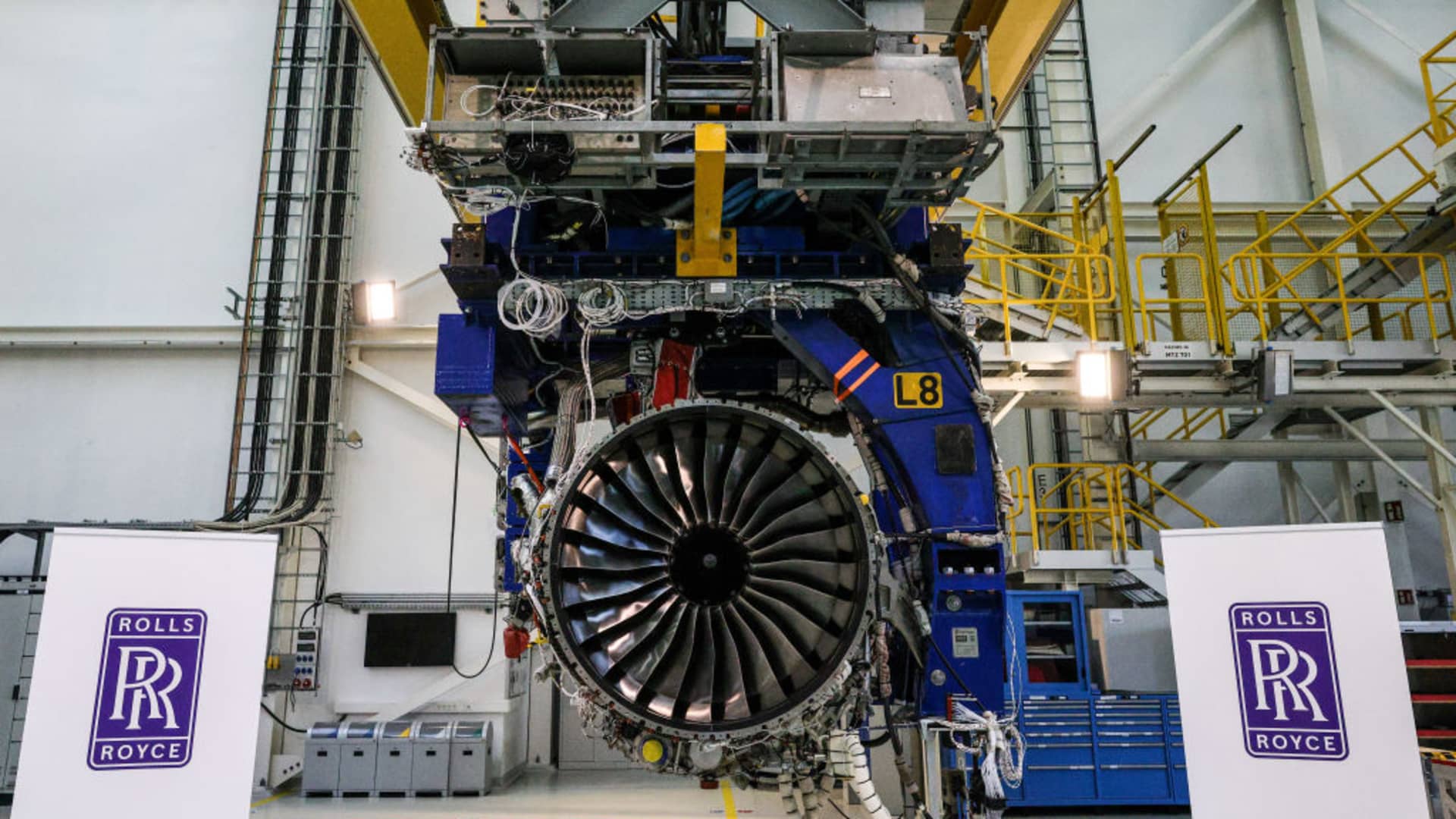
The airline industry finds itself in a paradoxical situation: while next-generation aircraft engines promise significant fuel savings, their real-world reliability issues are driving up maintenance costs and grounding planes. This unforeseen challenge is vexing major carriers globally, eroding anticipated profit margins and raising serious questions for manufacturers like GE Aerospace and Pratt & Whitney.
🗝️ Corporate Strategy Insights
- Fuel Savings Eroded. New, fuel-efficient engines demand higher, unplanned maintenance, often negating the anticipated operational cost benefits for airlines.
- Operational Disruptions. Increased engine shop visits lead to grounded aircraft, reducing available capacity and foregone revenue amidst robust travel demand.
- Supplier Accountability. Major carriers are openly criticizing engine manufacturers for failing to meet promised reliability targets, challenging long-term supplier relationships and future product development strategies.
Airline executives gathered at the International Air Transport Association’s annual assembly expressed deep frustration over the performance of new engines. While initially lauded as ‘engineering marvels’ for their purported 15% or more fuel efficiency gains, these advanced powerplants are proving less reliable than their predecessors. Carriers like WestJet, led by CEO Alexis von Hoensbroech, report engines requiring unscheduled maintenance far more frequently, directly impacting operational efficiency and financial forecasts. The core issue lies in hotter-burning designs that, while more fuel-efficient, lead to faster wear and tear, necessitating earlier and more frequent overhauls.
This trend is particularly problematic given the current economic climate, where a $100 billion surge in fuel bills this year is already squeezing airline profit prospects. Grounded aircraft represent significant money left on the table for carriers that are currently enjoying strong travel demand. The scarcity of functional engines and the extended turnaround times at maintenance facilities further exacerbate the problem. According to reporting from CNBC, this has propelled engine overhaul and maintenance into a business exceeding $58 billion annually, reflecting a lucrative but challenging landscape for engine manufacturers and third-party maintenance providers alike.
- Fuel-efficient designs operating at higher temperatures contribute to faster wear and tear, exacerbating maintenance needs and extending time-on-wing beyond expectations.
The ripple effect of these engine reliability issues extends far beyond individual airlines, influencing the entire aerospace supply chain and market dynamics. For engine manufacturers, failing to meet promised performance metrics risks damaging customer trust and future order pipelines. Airlines, meanwhile, are forced to adjust fleet management strategies, potentially delaying aircraft retirements or slowing capacity expansion plans, which in turn impacts aircraft manufacturers like Boeing and Airbus. The increased demand for maintenance and parts has also led to a surge in prices for older, more reliable engines, illustrating the acute operational pressures faced by the industry.
Willie Walsh, the outgoing Director General of IATA, bluntly stated, ‘My message to the engine [original equipment manufacturers] is simple: Stop gouging us and get back to making great engines that work and that last.’
Key performance indicators reveal the extent of the challenge:
- Older Engine Values: A CFM56 engine (GE Aerospace/Safran), powering older Boeing 737s, saw its value jump 17% since 2019 to $9.2 million. The Pratt & Whitney PW1127 for newer Airbus narrow-body planes increased over 57% in the same period, according to IBA Group. This upward trend highlights the desperate demand for operational engines, regardless of age, as airlines struggle with new engine availability and reliability issues.
- Maintenance Market Growth: The engine overhaul and maintenance sector has grown into a more than $58 billion business, reflecting the substantial capital allocation towards keeping existing fleets airworthy and the costs associated with the premature servicing of advanced engines.
GE Aerospace Strategic Analysis: Navigating Performance Challenges
GE Aerospace, a dominant player in the aircraft engine market with its CFM joint venture powering Boeing’s 737 Max and options on Airbus A320s, finds itself at a critical juncture. The company acknowledges the reliability concerns, stating it has made ‘significant investments to enhance time-on-wing, reduce cost of ownership, and increase output.’ While United Airlines CEO Scott Kirby praised GE for making improvements, the broader industry sentiment remains one of concern regarding consistent performance. GE’s strategy involves heavy R&D into material science and component durability, alongside increasing maintenance capacity. This dual approach aims to address immediate operational feedback while ensuring long-term product competitiveness. However, the current challenges underscore the immense pressure on engine OEMs to deliver on performance promises, not just fuel efficiency. The market is increasingly demanding a balance of technological advancement and robust, predictable operational lifecycles, a critical component of corporate growth in the aerospace sector.
United Airlines’ Operational Imperatives: Battling Engine Constraints
For major carriers like United Airlines, engine availability and reliability have emerged as the single largest constraint for the next five years. CEO Scott Kirby highlighted a severe shortfall in critical parts, such as forgings and castings, which are essential for both new engine production and existing engine repairs. This challenge forces airlines to manage fleets with reduced flexibility, impacting route planning, capacity deployment, and ultimately, market share. United’s strategic response will likely involve a multi-pronged approach: working closely with manufacturers, potentially investing in its own MRO capabilities, and adjusting aircraft acquisition timelines. The emphasis is on building greater resilience into its operational model to mitigate the impact of external supply chain shocks. The ability of airlines to secure reliable engines will be a defining factor in their competitive positioning and their capacity to capitalize on sustained travel demand.
New Engines’ Operational Dilemma for Carriers
The current struggle with new engines presents a significant operational and financial dilemma for airlines, directly impacting their ability to capitalize on strong travel demand. Manufacturers are under immense pressure to enhance reliability and streamline maintenance, moving beyond initial fuel efficiency promises to deliver durable products. The longer these issues persist, the greater the drag on airline profitability and fleet utilization, forcing strategic adjustments across the industry.
- Airlines face a direct trade-off between advanced fuel efficiency and unexpected maintenance costs, eroding projected savings.
- The ongoing reliability issues create bottlenecks in fleet deployment, leading to grounded aircraft and lost revenue opportunities.
- The situation underscores a critical need for closer collaboration and accountability between engine manufacturers and airline operators to ensure long-term product viability.
Will this operational friction fundamentally reshape future aircraft procurement strategies and the balance of power between airlines and their engine suppliers?
### 📊 StockXpo Analyst’s View
Market Impact: This news could temper investor enthusiasm for airline stocks, particularly those heavily reliant on specific next-generation engine models, due to the direct impact on operational costs and aircraft utilization. Conversely, the aerospace maintenance, repair, and overhaul (MRO) sector, including companies specializing in parts manufacturing like forgings and castings, may see continued tailwinds. The scarcity of engines also indirectly supports older aircraft values, affecting asset-based financing and leasing markets.
Sector To Watch: Investors should closely monitor the aerospace manufacturing sector, specifically engine makers like GE Aerospace and RTX (parent of Pratt & Whitney), for their progress in addressing reliability issues and supply chain constraints. The MRO and aviation parts suppliers are poised for continued strong demand, representing a resilient segment within the broader aerospace industry. For broader stock markets, this highlights the ongoing supply chain vulnerabilities in capital-intensive industries. Look for more insights on these trends on the StockXpo blog.
Financial Disclaimer:
StockXpo.com is a financial news aggregator and educational portal, not a registered investment advisor or broker-dealer. All information, news, and analysis provided herein are strictly for educational purposes and do not constitute investment, financial, legal, or tax advice. Investing in the stock market involves high risks, and past performance is not indicative of future results. StockXpo will not be liable for any financial losses or investment damages. Always consult a certified financial advisor before making market decisions.
MORE IN INSIDE BUSINESS

American Express Workforce Cuts: A Strategic AI Preparation
Published: Friday, October 23, 2026 · 9:50 AM
American Airlines loss forecast: Strategic Capacity Slowdown Expected
Published: Thursday, October 22, 2026 · 8:40 AM