Published: Thursday, June 4, 2026 · 11:03 PM | Updated: Thursday, June 4, 2026 · 11:03 PM
📊 247 views




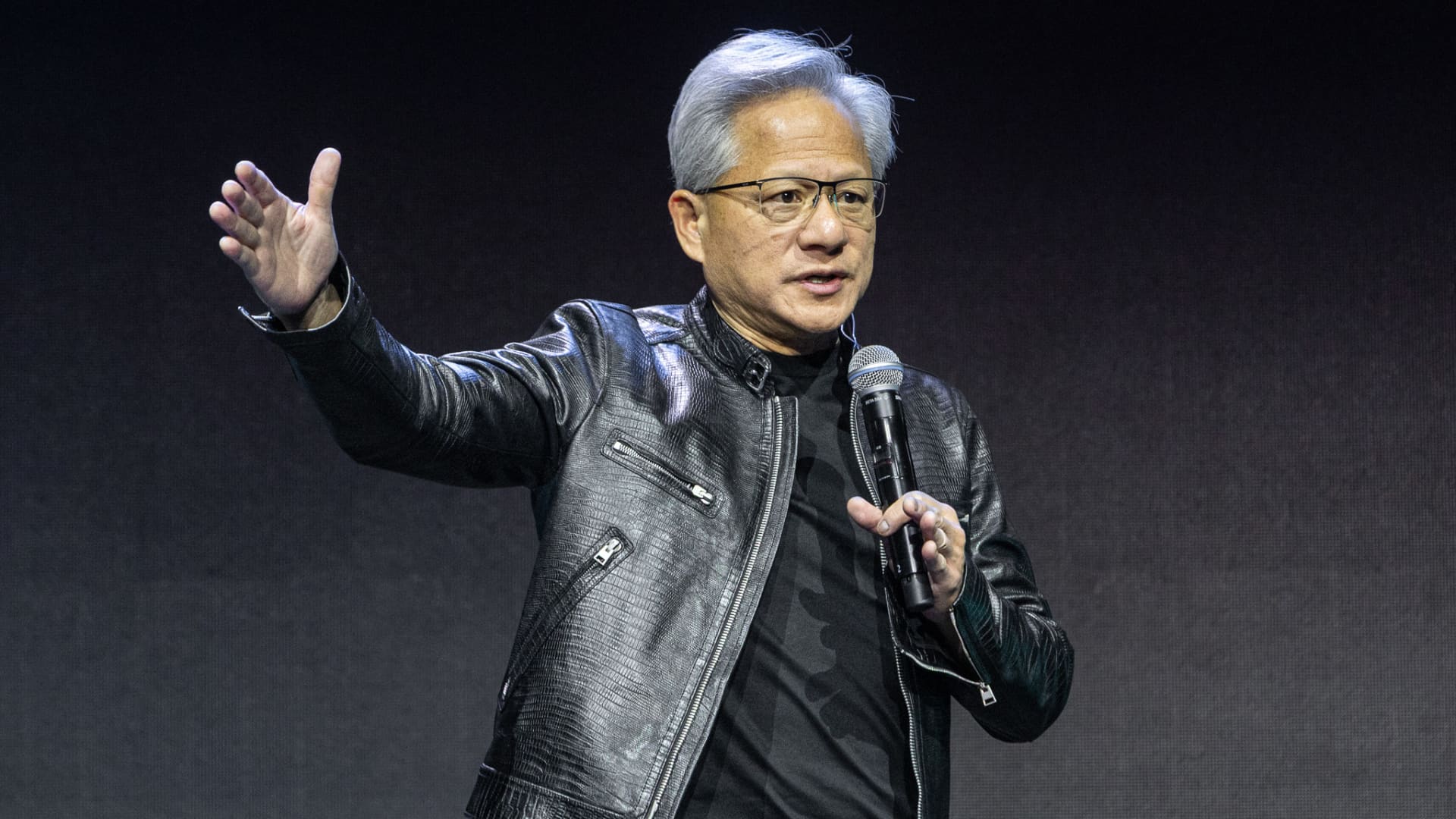
Senator Elizabeth Warren has summoned Nvidia CEO Jensen Huang to testify before the Senate Banking Committee, signaling a significant escalation in governmental scrutiny over the chip giant’s operations in China. The invitation centers on the critical nexus of advanced AI chip sales, U.S. export control laws, and the burgeoning global artificial intelligence boom.
🚀 Tech Strategy & Market Disruptions
- Geopolitical AI Tensions Intensify. U.S. lawmakers are increasingly concerned that advanced AI chips sold to China could bolster its military and surveillance capabilities, creating a direct national security risk.
- Nvidia’s Balancing Act. The company faces pressure to navigate complex export controls while maintaining its dominant market position, potentially impacting future revenue streams and innovation cycles.
- Broader AI Economic Impact. Beyond national security, the rapid advancement and adoption of AI technologies, powered by companies like Nvidia, are raising questions about workforce disruption and the need for new economic support structures.
The invitation to Huang, set for June 11, comes at a pivotal moment for the semiconductor industry, which is at the heart of global AI development. Warren’s letter explicitly frames the opportunity for Huang to address Nvidia’s perspective on U.S. export regulations and its business dealings within China. This move underscores a bipartisan and bicameral concern regarding the dual-use nature of high-performance computing chips, which are instrumental for developing cutting-edge AI models but also possess potential military applications. The emphasis on Nvidia China Sales highlights the direct line lawmakers are drawing between commercial interests and national security imperatives.
Nvidia has been a primary beneficiary of the AI surge, with its chips powering the vast data centers that train and deploy sophisticated AI. However, this dominance has attracted significant attention from national security apparatus and legislative bodies alike. Both the Biden and Trump administrations have previously implemented measures to restrict China’s access to such advanced technologies. Nvidia, in turn, has argued that overly stringent controls could hinder U.S. technological leadership and push customers towards alternative solutions, potentially undermining American competitiveness in the long run. This complex interplay of national interest, corporate strategy, and technological advancement is at the core of the upcoming Senate inquiry.
The Senate’s focus mirrors efforts in the House, where members of the Energy and Commerce Committee are also investigating what they perceive as China’s attempts to impede U.S. AI and data-center development. Senator Warren articulated her broader worries on CNBC’s ‘Squawk Box,’ expressing concern that U.S. companies might be inadvertently contributing to technologies that could weaken American security. She specifically noted that these advanced chips are being used for military purposes in China, a point that likely will be central to the Senate hearing.
Huang’s testimony offers a critical window for senators to probe Nvidia’s strategy concerning China and its adherence to export controls. This comes shortly after Huang’s participation in a high-profile summit with Chinese President Xi Jinping. The hearing is poised to shed light on the intricate challenges faced by global technology leaders operating at the forefront of a technology race fraught with geopolitical implications. Understanding the intricacies of technology market trends in such a landscape is crucial.
Warren’s concerns extend beyond national security, as she has also highlighted the potential for AI to cause widespread disruption for workers, advocating for an excise tax on data centers to fund social programs. This dual focus on security and societal impact underscores the multifaceted challenges presented by AI’s rapid proliferation.
Examining Nvidia’s Strategic Global Footprint
Nvidia’s position as the de facto provider of AI-accelerated computing power places it at the center of global technological and geopolitical discussions. The company’s ability to develop and supply chips that are essential for both commercial AI advancements and potentially sensitive state applications creates a delicate balancing act. The Senate hearing will likely delve into how Nvidia assesses and mitigates the risks associated with its product sales in markets where national security concerns are paramount. This situation also prompts a broader examination of how other tech companies navigate similar cross-border complexities in their pursuit of innovation and market expansion. Exploring emerging technologies requires a keen understanding of their global implications.
The Architecture Behind AI’s Geopolitical Leverage
At its core, Nvidia’s technological prowess lies in its advanced GPU architecture, designed for parallel processing that is exceptionally suited for deep learning and AI workloads. This underlying architecture, while driving unprecedented computational power for commercial applications, also makes these chips highly valuable for military-grade simulations, intelligence analysis, and advanced weapons system development. The U.S. government’s export control policies aim to slow China’s acquisition of these specific high-performance capabilities. However, the rapid pace of technological development means that China is actively pursuing indigenous chip development and seeking alternative suppliers, complicating enforcement efforts. The question is how robust Nvidia’s internal compliance and risk assessment frameworks are to prevent diversion of its technology.
The current geopolitical landscape demands that technology companies like Nvidia not only innovate at breakneck speed but also implement rigorous internal governance to ensure their products do not inadvertently undermine national security interests, especially when dealing with dual-use technologies critical to AI. This dual mandate is becoming increasingly central to long-term corporate viability and market trust.
Nvidia’s semiconductor technology is not merely about processing power; it’s about enabling complex AI models that can interpret data, make decisions, and perform tasks previously exclusive to human cognition. This capability has transformative potential across industries, from healthcare and finance to autonomous vehicles and national defense. The challenge for policymakers is to foster continued innovation while safeguarding against misuse, a complex task that requires nuanced understanding of both technological capabilities and geopolitical dynamics. Examining this dynamic provides valuable educational tech insights.
The Global AI Chip Market’s Evolving Landscape
The global market for AI chips is intensely competitive and strategically vital. Nvidia currently holds a dominant share, but rivals are investing heavily to capture market share. Companies in China, such as Huawei, are also striving to develop their own advanced AI chips to reduce reliance on foreign suppliers. Recent reports suggest that China is learning to build AI capabilities without Nvidia, indicating a shift in the market landscape. This competition, coupled with regulatory pressures, creates a volatile environment for all players. The impact of these developments on global supply chains and technological sovereignty is profound.
Navigating Nvidia’s China Market Challenges
Nvidia’s business in China presents a multifaceted challenge. On one hand, China represents a significant market for AI solutions and data center expansion. On the other, it is a primary focus of U.S. national security concerns regarding advanced technology transfers. Nvidia has previously stated it has largely conceded the AI chip market to Huawei within China. The company’s ability to adapt its product offerings, such as developing less advanced chips that comply with export restrictions, demonstrates a proactive approach to navigating these complexities. However, the ongoing scrutiny highlights the tightrope walk the company must perform to balance profitability with compliance and security mandates.
Nvidia’s Path Forward Amidst Regulatory Storms
The invitation to Jensen Huang for a Senate hearing is more than a procedural step; it represents a critical juncture for Nvidia and the broader AI industry. It underscores the increasing intersection of technological innovation, international relations, and national security. The outcomes of these discussions could influence regulatory frameworks, shape future export control policies, and impact Nvidia’s market strategy and investor confidence. The company’s ability to articulate its position effectively and demonstrate responsible stewardship of its technology will be crucial in navigating this complex terrain. For those looking at the broader semiconductor market, the insights from Reuters often provide valuable context on supply chain dynamics and competitive pressures.
The AI Chip Regulatory Crossroads: What Comes Next for Nvidia?
The Senate’s engagement with Nvidia CEO Jensen Huang signals a critical moment in the ongoing debate surrounding AI chip exports and national security. As the U.S. seeks to maintain its technological edge while mitigating risks, companies like Nvidia are under intense pressure to align their business strategies with geopolitical imperatives.
- Heightened Regulatory Scrutiny: Expect continued and potentially stricter oversight of AI chip sales to nations deemed strategic competitors, impacting product development and market access.
- Innovation vs. Security Trade-offs: Companies will need to demonstrate robust compliance and risk management frameworks, potentially leading to a bifurcation of product lines for different markets.
- Emergence of Domestic Capabilities: The focus on export controls will likely accelerate efforts by nations to build their own domestic semiconductor industries and AI ecosystems.
📊 StockXpo Analyst’s View
Market Impact: This development introduces a layer of regulatory risk to Nvidia’s growth narrative, potentially impacting its valuation and near-term revenue forecasts. Investor sentiment may shift towards companies with clearer regulatory pathways or those less exposed to geopolitical tensions.
Sector To Watch: Companies focused on AI infrastructure, cybersecurity for supply chains, and alternative semiconductor development in allied nations are poised to benefit from increased demand and strategic investment.
Financial Disclaimer:
StockXpo.com is a financial news aggregator and educational portal, not a registered investment advisor or broker-dealer. All information, news, and analysis provided herein are strictly for educational purposes and do not constitute investment, financial, legal, or tax advice. Investing in the stock market involves high risks, and past performance is not indicative of future results. StockXpo will not be liable for any financial losses or investment damages. Always consult a certified financial advisor before making market decisions.
MORE IN INSIDE TECHNOLOGY
SoftBank AI Investment: Malaysia’s $50 Billion Innovation Surge
Published: Monday, October 26, 2026 · 2:37 AM
SpaceX AI Chips: $40 Billion Deal Fuels Innovation-Driven Growth
Published: Sunday, October 25, 2026 · 9:35 PM