Published: Wednesday, June 3, 2026 · 10:02 PM | Updated: Wednesday, June 3, 2026 · 10:02 PM
📊 264 views




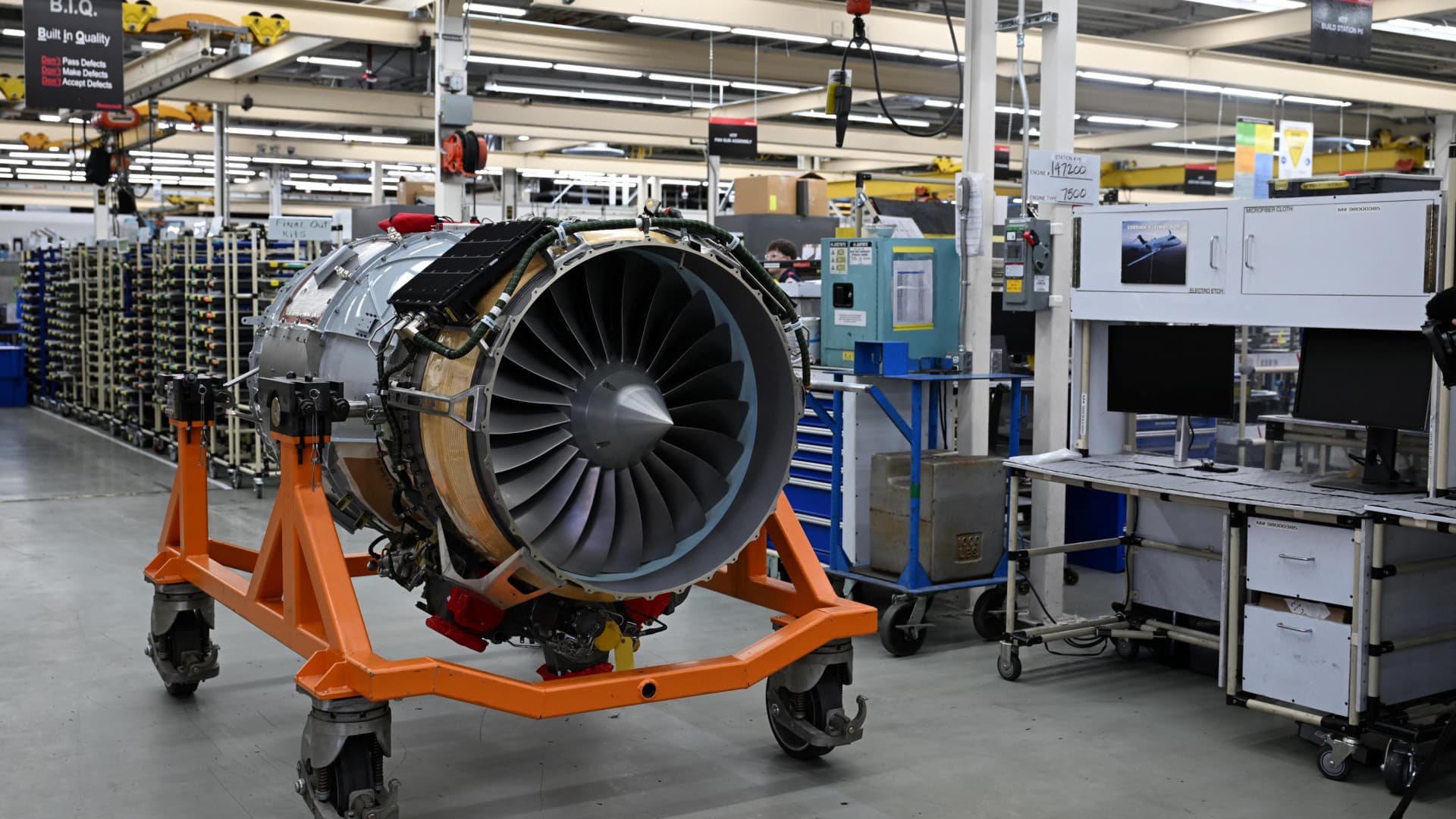
Honeywell Aerospace is on the cusp of charting its own course as a standalone entity, with its CEO projecting substantial growth driven by a renewed focus on capital allocation and a purpose-built management team. This strategic separation from its conglomerate parent is poised to unlock significant value by concentrating efforts on the high-demand sectors of commercial aviation and defense.
🗝️ Corporate Strategy Insights
- Focused Management Team. A dedicated leadership team solely focused on aerospace objectives, free from the constraints of a diversified conglomerate structure, is expected to drive operational efficiency and strategic agility.
- Targeted Growth Markets. The company is prioritizing expansion in the commercial transport, defense, and space sectors, leveraging its established strengths in avionics, engine control systems, and aircraft components.
- Capital Allocation Strategy. As an independent entity, Honeywell Aerospace anticipates improved capital allocation, which is seen as a key driver for accelerating growth and enhancing shareholder returns.
The impending spin-off of Honeywell Aerospace signifies a pivotal moment for the division, which has long been a significant contributor to its parent conglomerate. CEO Jim Currier emphasized during an investor day that the new structure will enable a singular focus on its mission, distinguishing it from the disparate objectives of a conglomerate. This sharpened focus is expected to propel aggressive advancements in its core technologies, from cockpit avionics to tail-mounted auxiliary power units, across commercial, business, and military aircraft.
Looking ahead, the company has set ambitious financial targets. For the full year 2026, Honeywell Aerospace forecasts adjusted earnings before interest and taxes (EBIT) between $4.65 billion and $4.75 billion. Moreover, the second half of 2026 is projected to yield free cash flow between $1 billion and $1.5 billion. The long-term vision extends to 2030, with targets of at least $6.5 billion in annual earnings and a minimum of $4 billion in full-year free cash flow. These projections underscore a confident outlook on sustained growth and profitability.
The most significant growth opportunities for Honeywell Aerospace are identified in the commercial transport and defense and space markets. Currier highlighted that the company is strategically positioned with its product portfolio and technological capabilities to capitalize on these burgeoning areas. Notably, the company boasts a strong order backlog from major aircraft manufacturers such as Airbus and Boeing, signaling robust demand for its offerings.
The decision to separate Honeywell Aerospace stems from a desire to unlock shareholder value that had been masked by the performance of the broader Honeywell International conglomerate. While the aerospace division itself demonstrated strong profitability, generating over $4.2 billion in profits with a 24.5% margin last year, its performance was overshadowed by the parent company’s struggles to match market benchmarks and competitor stock returns. Over the past year, Honeywell’s stock appreciation has lagged significantly behind the S&P 500, prompting the restructuring into three distinct entities: Solstice Advanced Materials, Honeywell Technologies, and Honeywell Aerospace.
Honeywell Aerospace’s Path to Market Leadership
For investors, the standalone Honeywell Aerospace presents a clear opportunity to invest directly in the growth trajectory of the aviation and defense sectors. This focused approach mirrors the success seen by competitors like GE Aerospace, which has experienced substantial stock gains since its own separation. Honeywell Aerospace’s strategy hinges on capitalizing on anticipated sustained global demand for air travel and robust defense spending. The company is targeting organic annual sales growth of 6% to 8% through 2030, coupled with annual earnings growth of 9%.
Despite the optimistic outlook, Honeywell Aerospace has navigated some recent supply chain challenges, particularly impacting its engines and control systems divisions in early 2024. These temporary disruptions were attributed to geopolitical factors, specifically the war in the Middle East. However, company executives have stated that these supplier issues have since been resolved. Analysts are expected to scrutinize the company’s supply chain resilience during upcoming discussions.
The path forward involves not only meeting growth targets but also converting potential skepticism from industry specialists into investor confidence. The company’s ability to leverage its technological prowess and strong customer relationships will be crucial in asserting its market leadership in a competitive landscape.
Honeywell Aerospace’s separation is a strategic move designed to unlock intrinsic value by concentrating management attention and capital on its core strengths in high-growth aviation and defense markets.
| Financial Metric | Target (2026) | Target (2030) | Significance |
|---|---|---|---|
| Adjusted EBIT | $4.65B – $4.75B | At least $6.5B | Indicates operating profitability and core business health. |
| Free Cash Flow (H2 2026) | $1B – $1.5B | At least $4B (Full Year) | Reflects the company’s ability to generate cash after operating expenses and capital expenditures, crucial for shareholder returns and reinvestment. |
| Annual Sales Growth | N/A | 6% – 8% (Organic) | Measures the expansion of revenue from core operations, indicating market traction and demand for products. |
| Annual Earnings Growth | N/A | 9% | Shows the rate at which the company’s profits are increasing, a key indicator of financial performance and efficiency. |
Honeywell Aerospace’s Growth Engine
The strategic decision to become a standalone entity positions Honeywell Aerospace to more effectively capture market share and optimize capital allocation. By shedding the complexities of a conglomerate, the company can channel resources directly into R&D, manufacturing enhancements, and market expansion, areas critical for maintaining its competitive edge in the aerospace and defense sectors. This singular focus is expected to translate into greater operational agility and a more direct response to market dynamics.
Honeywell Aerospace’s Competitive Advantages
Honeywell Aerospace possesses inherent strengths that provide a solid foundation for its standalone growth strategy. Its extensive history and deep integration within aircraft manufacturing pipelines, particularly with major players like Boeing and Airbus, create significant barriers to entry. The company’s established reputation for reliability, coupled with its advanced technological capabilities in critical systems such as flight management and engine controls, positions it as a preferred partner. Furthermore, its presence across commercial, business, and defense aviation segments diversifies its revenue streams and resilience against sector-specific downturns.
Honeywell Aerospace’s Next Growth Phase: Charting the Future
Honeywell Aerospace is embarking on a strategic path aimed at accelerating its growth trajectory. The company’s management is focused on leveraging its established market position and technological innovations to capture a larger share of the expanding aerospace and defense markets. This initiative is expected to enhance shareholder value through improved financial performance and greater operational efficiency.
- Enhanced Focus on Core Strengths. The separation allows for concentrated efforts on aerospace technologies and markets.
- Optimized Capital Deployment. Independent capital allocation is anticipated to drive targeted investments for maximum growth impact.
- Clear Market Play. Investors gain a direct opportunity to capitalize on the growth trends within the global aviation and defense industries.
Will this focused strategy enable Honeywell Aerospace to outpace its peers and redefine market leadership in the coming years?
### 📊 StockXpo Analyst’s View
Market Impact: The spin-off of Honeywell Aerospace is likely to enhance investor sentiment towards specialized industrial companies, potentially attracting capital away from diversified conglomerates. This move could signal a broader trend of de-conglomeration as companies seek to unlock value through focused operations.
Sector To Watch: The aerospace and defense sector is a key area to monitor, especially for companies with strong backlogs and technological innovation. Investors will also watch related supply chain industries for potential ripple effects.
Financial Disclaimer:
StockXpo.com is a financial news aggregator and educational portal, not a registered investment advisor or broker-dealer. All information, news, and analysis provided herein are strictly for educational purposes and do not constitute investment, financial, legal, or tax advice. Investing in the stock market involves high risks, and past performance is not indicative of future results. StockXpo will not be liable for any financial losses or investment damages. Always consult a certified financial advisor before making market decisions.
MORE IN INSIDE BUSINESS

Assortment Trimming: Retailers Redefine Growth Through Operational Efficiency
Published: Saturday, October 10, 2026 · 8:31 AM

Saudi Arabia Flight Decision: Delta Weighs Safety Amid Regional Tensions
Published: Friday, October 9, 2026 · 7:21 AM