Published: Monday, June 1, 2026 · 8:43 PM | Updated: Monday, June 1, 2026 · 8:43 PM
📊 281 views




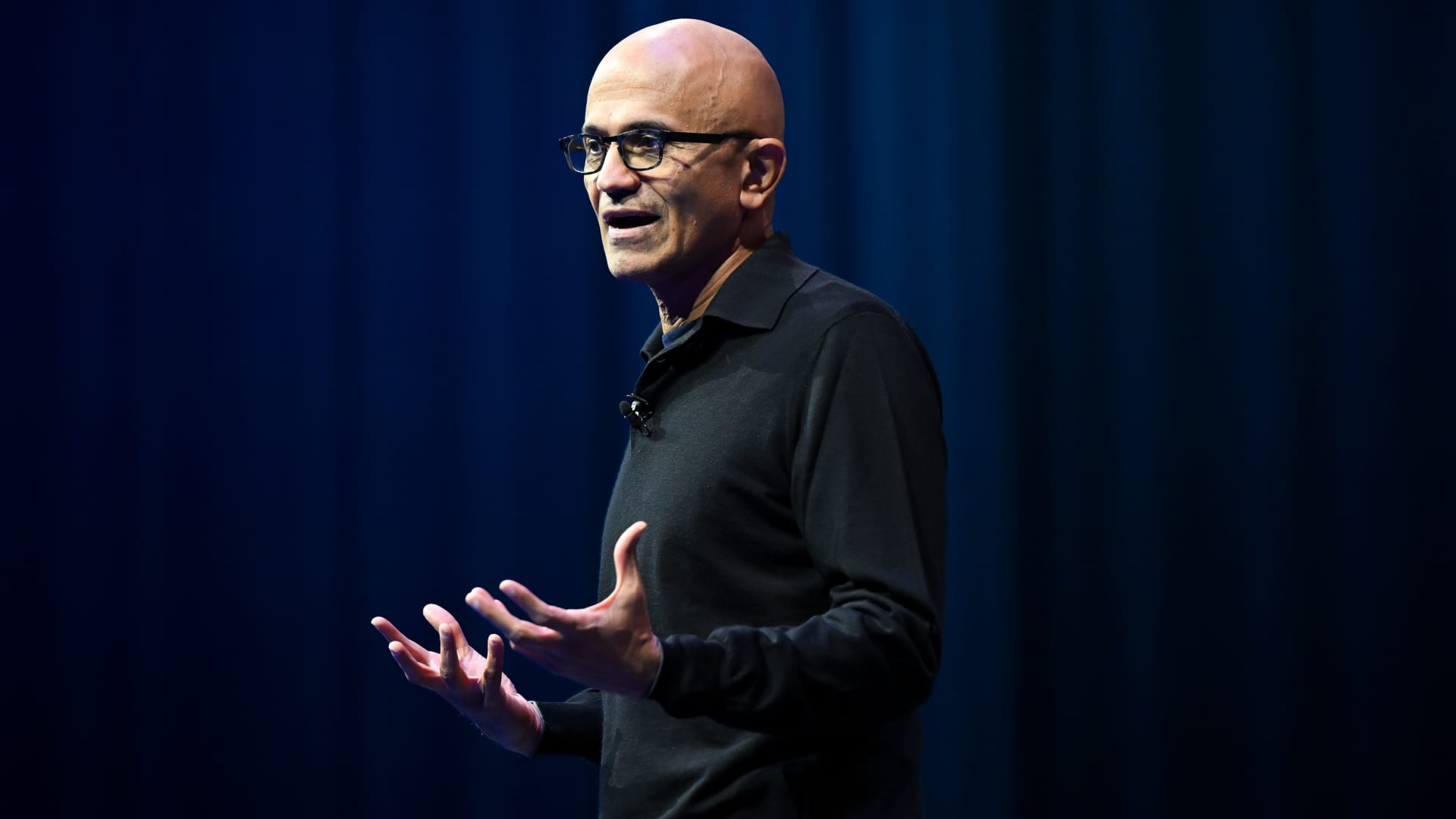
In a rapidly evolving landscape, tech giants Microsoft and Google are making significant strategic moves to capture the burgeoning AI coding market, a sector where early leaders like Anthropic have already established a strong presence. Despite being perceived as late entrants, their massive resources and established cloud infrastructures position them as critical players aiming to redefine developer tools and workflows.
🚀 Tech Strategy & Market Disruptions
- AI Coding as the Next Frontier. The focus on AI coding assistants by major tech players signals a significant shift in software development, aiming to boost productivity and democratize code creation.
- Cloud Infrastructure as a Differentiator. Microsoft and Google are leveraging their extensive cloud platforms (Azure and Google Cloud) to offer integrated AI coding solutions, driving adoption and creating sticky ecosystems.
- Developer Ecosystem Lock-in Strategy. By providing powerful AI coding tools, these companies aim to attract and retain developers, thereby increasing usage of their cloud services and AI models.
The generative AI market, particularly for coding assistants, is experiencing explosive growth, with Anthropic’s Claude Code leading the charge. This success has prompted OpenAI to pivot its Codex offering towards enterprise clients. Now, Google and Microsoft are aggressively entering this arena, utilizing their substantial financial reserves and expansive cloud businesses to woo developers. Google, at its recent developer conference, heavily emphasized agentic AI, showcasing advancements like Antigravity 2.0 designed to orchestrate multiple AI agents for parallel tasks, including coding and asset generation. The company also highlighted its Gemini 3.5 Flash model for its capabilities in agentic AI and coding.
Microsoft, set to unveil its own coding model at its Build conference, is reportedly focusing on a lower price point compared to existing alternatives for its Copilot offering. This move underscores the intense competition and the strategic importance of cost-effectiveness in attracting widespread adoption. Mordor Intelligence forecasts the AI code tools market to expand by 26% annually, reaching approximately $30 billion by 2031. This substantial market potential is not just about revenue; it’s about embedding developers within their respective cloud ecosystems, thereby enhancing the training and sophistication of their AI models.
Market analysts emphasize the critical nature of this competition for both Microsoft and Google. Tomasz Tunguz, founder of Theory Ventures, has identified AI coding as the most attractive segment within generative AI, predicting that AI could eventually account for 30% to 60% of research and development spending. This outlook suggests that dominance in AI coding tools could translate into significant long-term market advantages.
- The AI code tools market is projected to grow from $9.3 billion to $30 billion by 2031.
- Google’s Antigravity 2.0 orchestrates multiple AI agents for complex tasks.
- Microsoft is reportedly planning a cost-competitive AI coding model for Copilot.
- Anthropic has secured significant funding and confidentially filed for an IPO, highlighting the market’s dynamism.
The competitive landscape is dynamic, with emerging players like Cursor signing substantial agreements, such as a potential $60 billion acquisition by SpaceX. This level of valuation and strategic interest underscores the perceived value and transformative potential of AI coding assistants. Companies are increasingly experimenting with multiple AI tools, indicating a low vendor lock-in period, which puts pressure on providers to continually innovate and offer compelling value propositions. For instance, MongoDB utilizes a mix of internal tools and third-party AI coding assistants, including Claude Code, showcasing a pragmatic approach to adopting the best available solutions.
The integration of AI coding tools into developer workflows is becoming a key driver of productivity. Tools like GitHub Copilot, initially a pioneer, now face stiff competition from specialized offerings. The ability of these AI assistants to handle complex, long-horizon tasks and instruction following is a significant factor. As companies like Google reset token quotas and Microsoft introduces usage-based pricing for Copilot, the economic models are adjusting to the high computational costs associated with these advanced AI services. This suggests a mature market actively seeking sustainable and scalable solutions.
The push by Microsoft and Google into AI coding is not merely about capturing market share; it’s a fundamental strategy to deepen their integration into the software development lifecycle. By becoming indispensable to developers, they reinforce their cloud dominance and create powerful feedback loops for AI model improvement.
The Architecture Behind AI Code Generation
Microsoft’s strategy appears multi-pronged, aiming to offer proprietary models while also facilitating access to third-party AI solutions through platforms like GitHub. This approach seeks to balance innovation with ecosystem breadth. The company’s ability to leverage insights gained from competing with and sometimes losing early share to rivals like Cursor and Anthropic could be instrumental in developing its next generation of AI coding tools. The success of these initiatives will depend on their capacity to deliver unique value propositions beyond mere cost savings, appealing directly to the developer community’s need for cutting-edge capabilities.
Microsoft’s Ecosystem Expansion Potential
The integration of AI coding capabilities into Microsoft’s extensive product suite, including Azure and GitHub, presents a significant opportunity for ecosystem expansion. By offering developers powerful tools that enhance productivity and streamline workflows, Microsoft aims to solidify its position as a leading platform for software creation and deployment. This strategy not only drives adoption of its cloud services but also fosters a community of developers increasingly reliant on its integrated AI solutions, potentially creating a powerful network effect that competitors will find difficult to overcome. This move is central to their ongoing technology market trends.
Google’s challenge, as acknowledged by CEO Sundar Pichai, lies in matching the current pace of agentic coding advancements. However, the company’s aggressive pricing strategies and ongoing development of its Gemini models, coupled with strategic acquisitions like Windsurf’s technology, demonstrate a strong commitment to closing this gap. The aim is to make AI coding more accessible and affordable, thereby accelerating adoption and generating valuable usage data that further refines their AI offerings. The market’s fluidity means that companies must remain agile, readily adopting superior solutions as they emerge, underscoring the importance of flexible, short-term commitments for software procurement.
The competitive pressure is immense, as evidenced by Anthropic’s substantial valuation and IPO filing, alongside the rapid growth of specialized firms like Cursor. This intense environment necessitates constant innovation and strategic adaptation. For Microsoft, leveraging its vast developer base through GitHub is a key advantage, allowing it to pilot and scale new AI coding tools effectively. The question remains whether Microsoft will primarily be a distributor of AI models or a significant provider of its own proprietary solutions. The path forward involves balancing infrastructural investments with groundbreaking product development to maintain a competitive edge in this transformative market, echoing sentiments found in emerging technologies.
Ultimately, the developers’ choice will hinge on the combination of functionality, cost, and integration capabilities. The significant investment by both Google and Microsoft in AI coding reflects a broader trend where AI is no longer a separate tool but an intrinsic component of the software development lifecycle. This integration promises to reshape how software is built, tested, and deployed, driving innovation and efficiency across the tech industry.
The competition in AI coding is intensifying, with both Microsoft and Google leveraging their extensive resources and cloud infrastructure to capture developer mindshare. This strategic battle is crucial for their future growth, as dominance in developer tools often translates into broader ecosystem control and AI model advancement.
- Microsoft and Google are making significant investments in AI coding assistants.
- The market for AI code tools is expected to grow substantially in the coming years.
- Developer adoption and ecosystem integration are key strategic priorities for both tech giants.
Will the intense competition between Microsoft and Google accelerate the democratization of advanced AI development, or will it lead to increased market consolidation under a few dominant players?
📊 StockXpo Analyst’s View
Market Impact: The ongoing AI coding race between tech behemoths is injecting significant volatility and opportunity into the software sector. Investor sentiment may shift towards companies that demonstrate strong integration capabilities and clear AI-driven productivity gains, potentially benefiting cloud infrastructure providers and AI model developers. The intense competition could also suppress margins for AI coding tools in the short term, forcing a focus on user acquisition and ecosystem lock-in.
Sector To Watch: Companies heavily reliant on software development, such as FinTech, HealthTech, and SaaS providers, stand to benefit immensely from enhanced developer productivity. Conversely, traditional software vendors that are slow to adopt or integrate these AI coding advancements might face challenges in maintaining their competitive edge.
Financial Disclaimer:
StockXpo.com is a financial news aggregator and educational portal, not a registered investment advisor or broker-dealer. All information, news, and analysis provided herein are strictly for educational purposes and do not constitute investment, financial, legal, or tax advice. Investing in the stock market involves high risks, and past performance is not indicative of future results. StockXpo will not be liable for any financial losses or investment damages. Always consult a certified financial advisor before making market decisions.
MORE IN INSIDE TECHNOLOGY
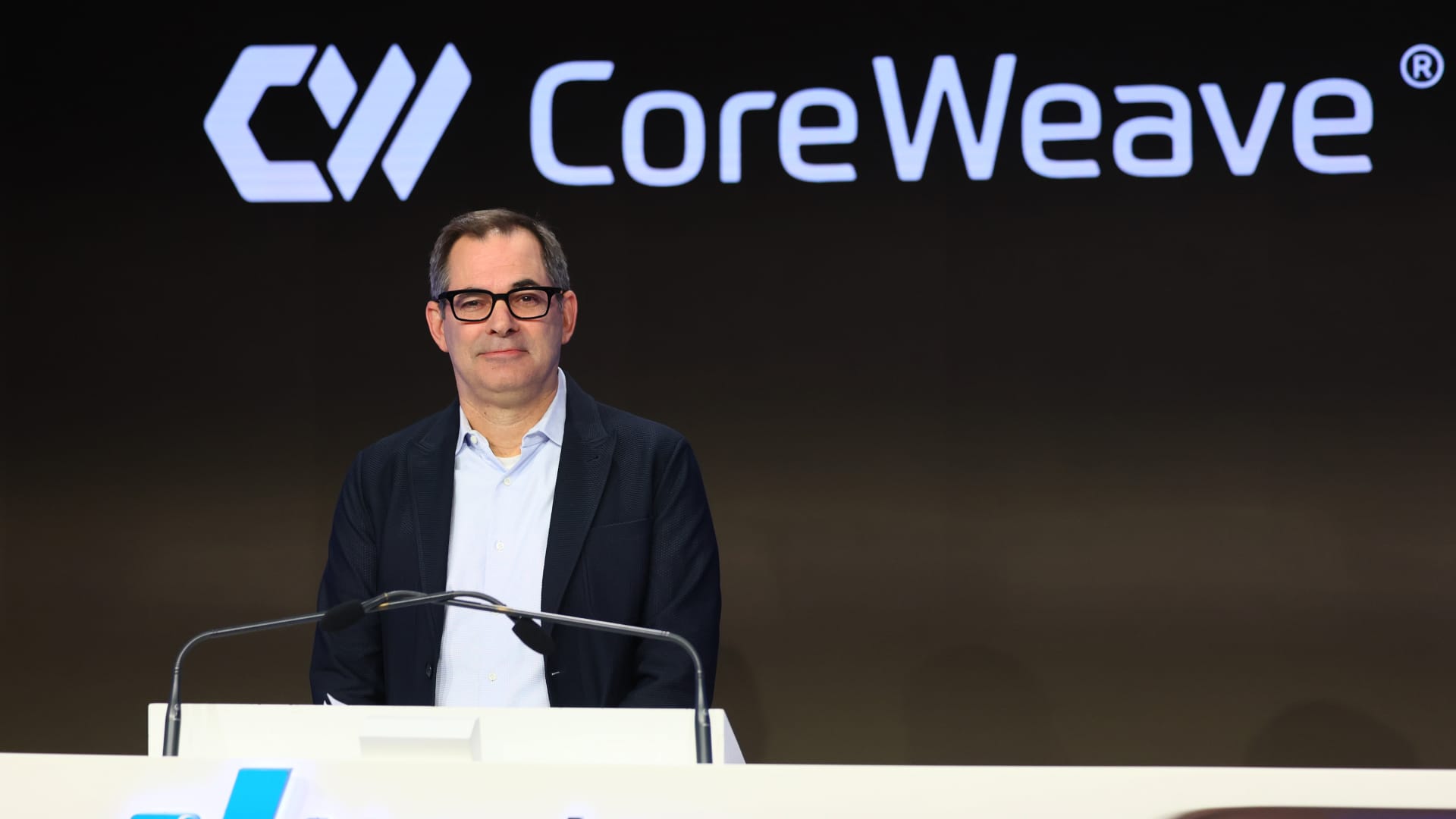
AI Buildout Hits Credit Headwinds: Neoclouds Under Pressure
Published: Saturday, October 24, 2026 · 12:23 AM

SK Hynix Shares Rebound: A Strategic Shift in Semiconductor Funding
Published: Friday, October 23, 2026 · 1:46 AM