
Published: Thursday, May 28, 2026 · 2:40 PM | Updated: Thursday, May 28, 2026 · 2:40 PM
📊 229 views




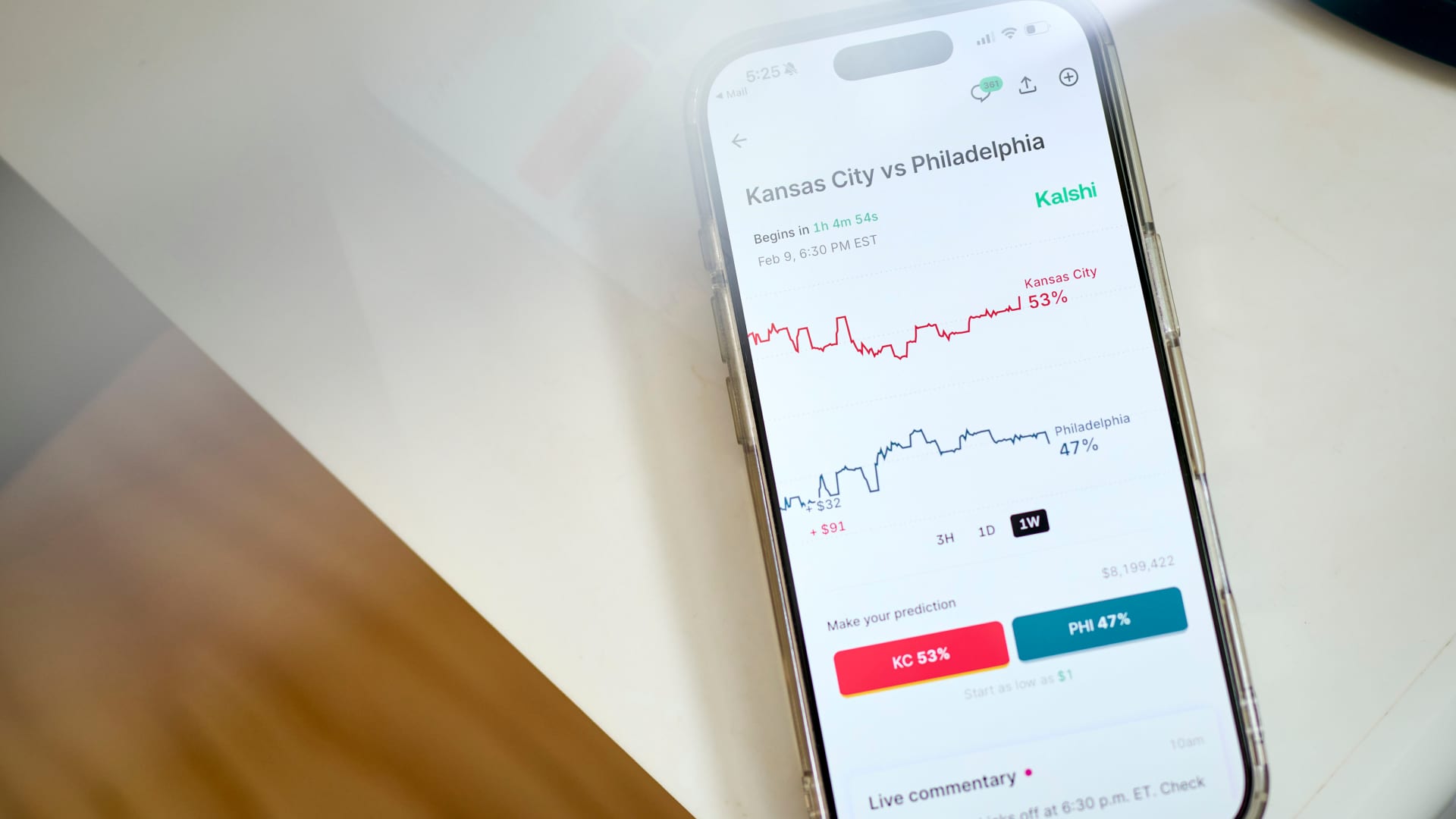
The American Gaming Association (AGA) has sounded the alarm, estimating that states are missing out on over $1 billion in crucial tax revenue due to the proliferation of prediction markets. This significant financial shortfall has direct consequences for public services and community projects funded by gambling taxes, highlighting a growing regulatory dispute between states and federal bodies.
💰 Financial Strategy & Market Insights
- Revenue Erosion. Unregulated prediction markets are diverting substantial tax revenue from states, impacting funds earmarked for public services and tribal initiatives.
- Regulatory Arbitrage. A key point of contention is the classification of prediction markets: states view them as disguised sports betting subject to local oversight, while the CFTC considers them derivatives.
- Market Ambiguity. The debate over whether prediction markets offer genuine economic utility or are primarily vehicles for sports gambling creates uncertainty for investors and regulators alike.
The $1 Billion Question: Regulation or Revenue Loss?
Bill Miller, President and CEO of the AGA, articulated the association’s concern, branding prediction markets as a form of ‘backdoor sports betting’ that operates outside the stringent regulatory frameworks governing traditional sportsbooks. This lack of regulation, he argues, allows these platforms to generate substantial revenue without contributing their fair share to state coffers.
The dispute centers on how these platforms are categorized. States contend that contracts based on sports event outcomes are, in essence, wagers that should fall under their existing gambling laws. However, the Commodity Futures Trading Commission (CFTC) asserts jurisdiction, viewing these instruments as swaps and derivatives within its purview. This jurisdictional clash has led to legal battles, with states suing prediction market operators and the CFTC, in turn, taking action against states it believes are overstepping their regulatory boundaries.
- The AGA’s estimate highlights a potential shortfall of over $1 billion in state and tribal tax revenues.
- This revenue could otherwise fund essential community projects and services.
- The core issue is the classification of prediction market contracts as gambling or financial derivatives.
While platforms like Kalshi argue that their offerings extend beyond gaming to include contracts on macroeconomic and political events, Miller counters that the dominant volume of their business stems from sports-related contracts. This suggests that their primary function, in practice, aligns more closely with sports betting than with genuine financial speculation.
Prediction Markets vs. Traditional Investments: A Risk Overview
- Upside: Potential for novel investment vehicles tied to real-world outcomes, offering diversification and unique speculative opportunities. Market participants could benefit from efficient price discovery on future events.
- Downside Risks: Significant regulatory uncertainty, potential for market manipulation, lack of consumer protection compared to regulated gambling, and the risk of assets being deemed illegal gambling. States could impose harsh penalties on operators and users.
The core of the financial strategy debate lies in distinguishing between genuine financial instruments with economic utility and platforms that exploit regulatory loopholes for gambling-like activities. Investors must critically assess the underlying asset and regulatory environment before committing capital.
| Indicator | Value | Implication |
|---|---|---|
| Estimated State Tax Revenue Lost | $1 Billion+ | Significant fiscal pressure on state budgets, impacting community funding. |
| Regulatory Body Involvement | CFTC vs. State Governments | Jurisdictional ambiguity creating market uncertainty and potential legal battles. |
| Market Volume Dominance | Sports Event Contracts | Suggests primary function leans towards gambling rather than diversified financial speculation. |
Prediction Market Liquidity Analysis
The liquidity of prediction markets is directly influenced by the ongoing regulatory debate. As states and federal bodies clash over jurisdiction, investor confidence can waver. A definitive regulatory framework, whether by the CFTC or through state legislation, would be crucial for establishing clearer liquidity pathways. For now, the uncertainty surrounding classification and potential legal challenges creates a volatile environment for these nascent markets. Investors seeking stable returns in this space may find traditional financial markets more predictable, though potentially less innovative.
The Political Play: White House Review and Future Direction
Adding another layer to the regulatory landscape, the Office of Management and Budget is reportedly reviewing a proposal that would grant the CFTC further regulatory authority over prediction markets. Former President Donald Trump also weighed in, emphasizing the importance of maintaining the CFTC’s jurisdiction. These political developments underscore the high-stakes nature of the debate and suggest that significant shifts in regulatory oversight could be on the horizon, impacting the operational landscape for platforms and the investment potential for users. This regulatory flux can create significant market volatility.
The Forecast for Prediction Market Tax Revenue
The ongoing regulatory tug-of-war is directly impacting the potential for states to capture tax revenue from prediction markets. Until a clear consensus or a definitive ruling emerges, the $1 billion figure represents a significant lost opportunity for public funding. The industry’s ability to foster legitimate economic utility, beyond sports betting, will be key to its long-term acceptance and taxability. For those seeking deep dives into market dynamics, our educational financial insights offer valuable context.
The trajectory of prediction markets hinges on resolving the regulatory ambiguity. Will they evolve into regulated financial instruments or remain in a contested gray area? What new forms of market interaction will emerge from this ongoing debate?
### 📊 StockXpo Analyst’s View
Market Impact: The revelation of substantial lost tax revenue from prediction markets creates pressure on regulatory bodies and state governments to clarify their stance. This could lead to increased enforcement actions or new legislative frameworks, impacting market participants and potentially shifting capital towards more regulated sectors. The uncertainty may deter institutional investment while attracting more speculative capital.
Sector To Watch: The traditional casino and sports betting industries, along with regulatory technology (RegTech) firms, are key sectors to watch. As clarity emerges, companies offering compliance solutions or those poised to benefit from regulated digital betting platforms may see increased opportunities. Conversely, unregulated prediction market operators face significant headwinds.
Financial Disclaimer:
StockXpo.com is a financial news aggregator and educational portal, not a registered investment advisor or broker-dealer. All information, news, and analysis provided herein are strictly for educational purposes and do not constitute investment, financial, legal, or tax advice. Investing in the stock market involves high risks, and past performance is not indicative of future results. StockXpo will not be liable for any financial losses or investment damages. Always consult a certified financial advisor before making market decisions.
MORE IN INSIDE FINANCE

AI Stock Boom Fuels $67 Billion Equities Growth for Wall Street Giants
Published: Wednesday, October 21, 2026 · 11:03 AM
New Risks Emerge: Global Finance Chiefs Highlight Debt, AI, and Geopolitical Volatility
Published: Tuesday, October 20, 2026 · 2:12 AM


