Published: Thursday, May 28, 2026 · 1:37 PM | Updated: Thursday, May 28, 2026 · 1:37 PM
📊 245 views




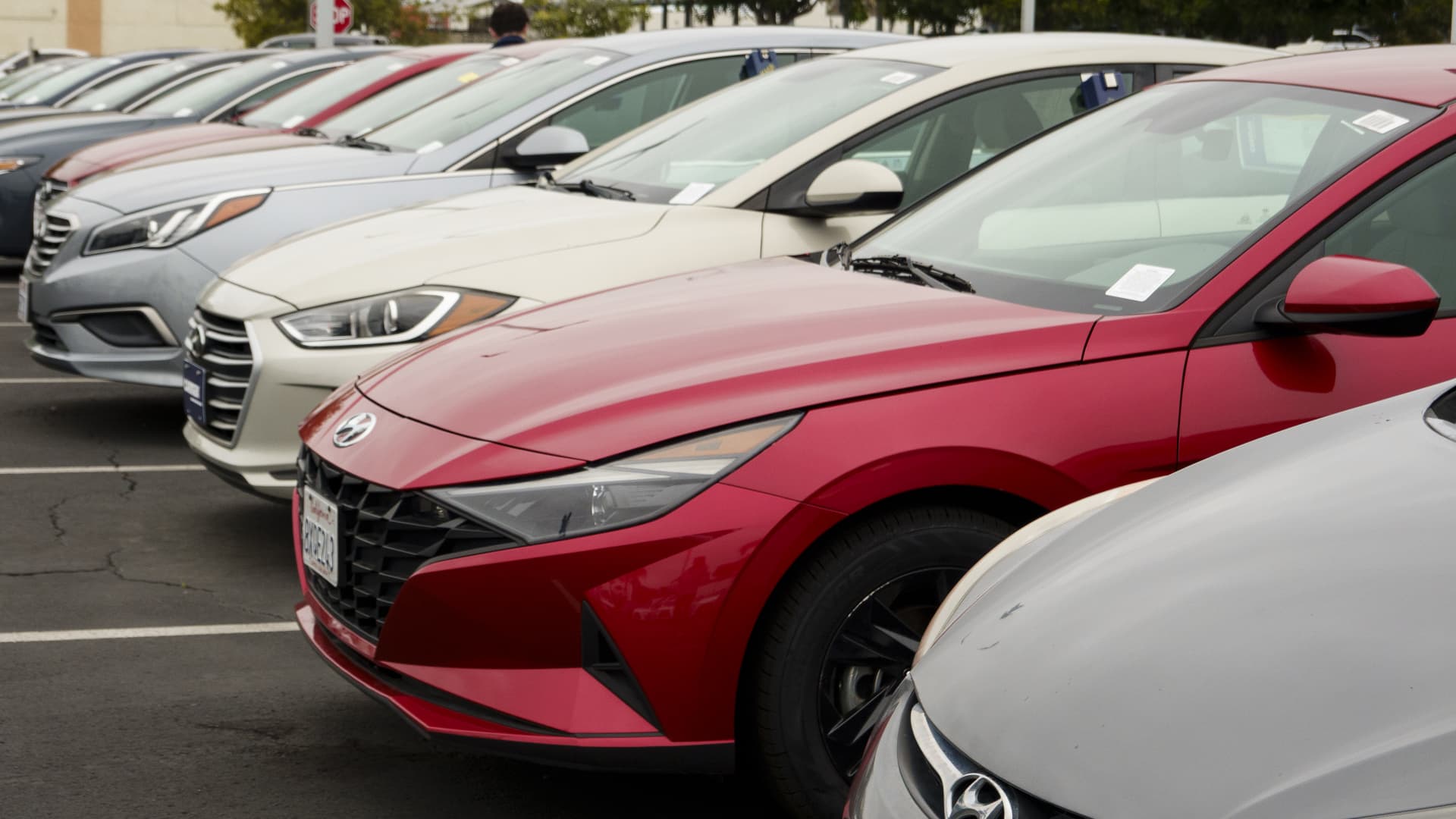
New data reveals a striking shift in the automotive finance landscape: a significant portion of monthly auto loan payments now exceed $1,000, and surprisingly, the majority are not for luxury vehicles. This trend signals a fundamental change in consumer spending habits and the economics of vehicle ownership across the United States.
🗝️ Corporate Strategy Insights
- Profit-Driven Production Prioritization. Automakers like Ford, General Motors, and Stellantis strategically focused on higher-margin trucks and SUVs during the chip shortage, inadvertently normalizing elevated pricing for core models.
- Consumer Adaptability to Debt Loads. A growing segment of consumers appears to be adjusting to and accepting significantly higher monthly vehicle financing commitments, altering the perceived affordability threshold for new cars and trucks.
- Lending Risk Segmentation. While overall delinquency rates remain manageable, the concentrated increase in defaults within the subprime market highlights distinct credit risk profiles and potential vulnerabilities for certain lending portfolios.
Recent analysis from Experian Automotive highlights a notable increase in **High Auto Loan Payments**, with nearly 19% of new vehicle loans now requiring a monthly outlay of $1,000 or more during the first quarter. This marks an increase from roughly 17.4% year-over-year and a dramatic leap from just 5.4% five years ago. What stands out most is that approximately 74% of these substantial payments are for non-luxury models, predominantly popular pickup trucks such as the Ford F-150, Chevrolet Silverado 1500, and Ram 1500.
The genesis of this trend can be traced back to the global chip shortage of 2021-2022, which prompted automakers to prioritize the production of higher-end, more profitable models. This strategy, while boosting corporate revenues, led to a surge in vehicle prices and, consequently, the average amount borrowed for auto loans. According to Experian, the average new vehicle loan now stands at an all-time high of $43,952, with the average monthly payment reaching $770.
* The prolonged period of elevated pricing has seemingly recalibrated consumer expectations, with many now accustoming themselves to the prospect of a $1,000-plus monthly car payment, a perception shift that benefits manufacturers and lenders.
* While delinquency rates for payments over 30 and 60 days late have edged up, they remain below 2018 levels. This suggests a relatively robust market, though the increases are largely concentrated within the subprime lending segment, posing specific challenges for credit risk management. Investors closely monitor the overall health of consumer credit, a key indicator for broader market stability and future economic sentiment.
The Strategic Ripple Effect on the Auto Market
This trend of elevated auto loan payments is creating significant ripples throughout the automotive sector and beyond. For manufacturers like Ford (F) and General Motors (GM), the ability to command higher average selling prices (ASPs) for their most popular trucks and SUVs directly translates into enhanced revenue potential. This focus on premium, feature-rich models drives robust margins, allowing for greater investment in future technologies like electric vehicles and autonomous driving. However, it also raises the barrier to entry for many consumers, potentially shrinking the addressable market for new vehicle sales over time. This pricing power, developed during periods of supply constraint, has become a core element of current automotive business strategy.
Competitors, including international players, must now contend with an environment where established domestic brands have successfully anchored consumer expectations at a higher price point for utility vehicles. This could force a re-evaluation of product mix and pricing strategies across the board, pushing all automakers towards more profitable segments or innovative financing solutions to maintain market share. The enduring strength in vehicle sales, even amidst these higher costs, suggests a resilient demand curve, but also a growing burden on household budgets that could impact other retail spending or increase personal debt levels. Delinquencies, though contained, act as an early warning for credit market fragility, particularly for those analyzing broader trends in household debt and consumer credit health on reliable platforms like Bloomberg’s market insights.
“The normalization of four-figure auto loan payments for mainstream vehicles underscores a critical shift in consumer finance, demanding strategic foresight from automakers to balance profitability with long-term market accessibility and credit health.”
Key Auto Finance Indicators
* New Vehicle Loans > $1,000/month: 19% (up from 5.4% five years ago). This indicates a significant increase in the financial commitment required for new vehicle ownership.
* Non-Luxury Share of >$1,000 Loans: 74%. Challenging the perception that high payments are exclusive to premium segments, highlighting broad market impact.
* Average Amount Borrowed: $43,952 (all-time high). Reflects rising vehicle prices and the need for larger loans.
* Average Monthly Payment: $770 (all-time high). A direct consequence of increased borrowing amounts and interest rates.
* 30-Day Delinquency Rate: 2% (below 2018 levels). Suggests that while some stress exists, it’s not at historical crisis levels, though the trend warrants observation for signs of weakness in overall consumer spending power and a balanced approach to stock markets.
Ford’s Strategic Analysis Amidst Shifting Auto Finance
Ford Motor Company has successfully capitalized on the strong demand for high-margin trucks and SUVs, particularly its F-series, during this period of rising prices. By focusing production on these lucrative models, Ford has optimized its operational efficiency and boosted profitability. This strategy, while effective for bottom-line growth, places a greater financial burden on its customer base, leading to higher average loan payments. Ford’s challenge moving forward will be to maintain this pricing power and brand loyalty without alienating a significant segment of potential buyers as borrowing costs continue to fluctuate. Their ability to innovate within these core segments, potentially through more flexible financing options or hybrid powertrain solutions, will be critical for sustained market leadership.
General Motors’ Competitive Advantages in the Truck Segment
General Motors (GM) benefits from a similar strategic position, with its Chevrolet Silverado 1500 remaining a top seller contributing significantly to the trend of elevated auto loan payments. GM’s diversified portfolio, which includes a strong presence in both traditional gasoline and emerging EV markets, provides a hedge against market shifts. Their competitive advantage lies in deep market penetration, strong brand recognition, and extensive dealer networks, which help to absorb higher vehicle costs through a perceived value proposition. However, as the overall cost of vehicle ownership increases, GM must carefully navigate the balance between premium pricing and accessibility to ensure long-term demand and avoid an overreliance on a segment of consumers who might become overextended.
High Auto Loan Payments: Navigating the New Normal for Auto Industry Stability
The persistence of high auto loan payments for mainstream vehicles marks a new normal in the U.S. automotive market, driven by post-pandemic supply dynamics and evolving consumer expectations. This shift presents both opportunities for automakers to maintain strong margins and risks related to consumer affordability and rising delinquencies, particularly within the subprime sector.
* Automakers will need to innovate financing solutions to sustain demand without compromising profitability.
* The trend could exacerbate wealth disparities, making new vehicle ownership less accessible for lower-income segments.
* Market stability hinges on maintaining low delinquency rates, despite the increasing financial burden on consumers.
Can the automotive industry sustain this trajectory of rising prices and loan payments without facing significant demand erosion or increased credit defaults in the long term? For more on corporate growth strategies and industry shifts, visit StockXpo Business.
### 📊 StockXpo Analyst’s View
Market Impact: The sustained trend of **High Auto Loan Payments** suggests a resilient consumer base, albeit one potentially stretching its financial capacity. This could translate to continued strength for automakers’ revenues and earnings in the short term, but also signals a potential squeeze on discretionary spending in other sectors. Investors should observe consumer confidence and personal savings rates closely for early indicators of market fatigue. For educational insights and market analysis, see StockXpo Blog.
Sector To Watch: The financial sector, particularly auto lenders and subprime credit providers, requires diligent monitoring. While overall delinquency rates are below 2018 levels, any accelerated increase could signal broader credit market stress. Companies like Synchrony Financial or Capital One, with significant auto loan exposure, will be key to watch for insights into the health of this segment. Further analysis on market trends can be found at Reuters Business.
Financial Disclaimer:
StockXpo.com is a financial news aggregator and educational portal, not a registered investment advisor or broker-dealer. All information, news, and analysis provided herein are strictly for educational purposes and do not constitute investment, financial, legal, or tax advice. Investing in the stock market involves high risks, and past performance is not indicative of future results. StockXpo will not be liable for any financial losses or investment damages. Always consult a certified financial advisor before making market decisions.
MORE IN INSIDE BUSINESS

Dollar General Overcharges Lawsuit: A Warning on Consumer Trust
Published: Monday, October 26, 2026 · 3:55 PM
Wonder’s Ambitious Strategy: Texas Expansion, Automation, and an IPO Path
Published: Sunday, October 25, 2026 · 9:32 AM