Published: Thursday, May 28, 2026 · 10:57 AM | Updated: Thursday, May 28, 2026 · 10:57 AM
📊 276 views




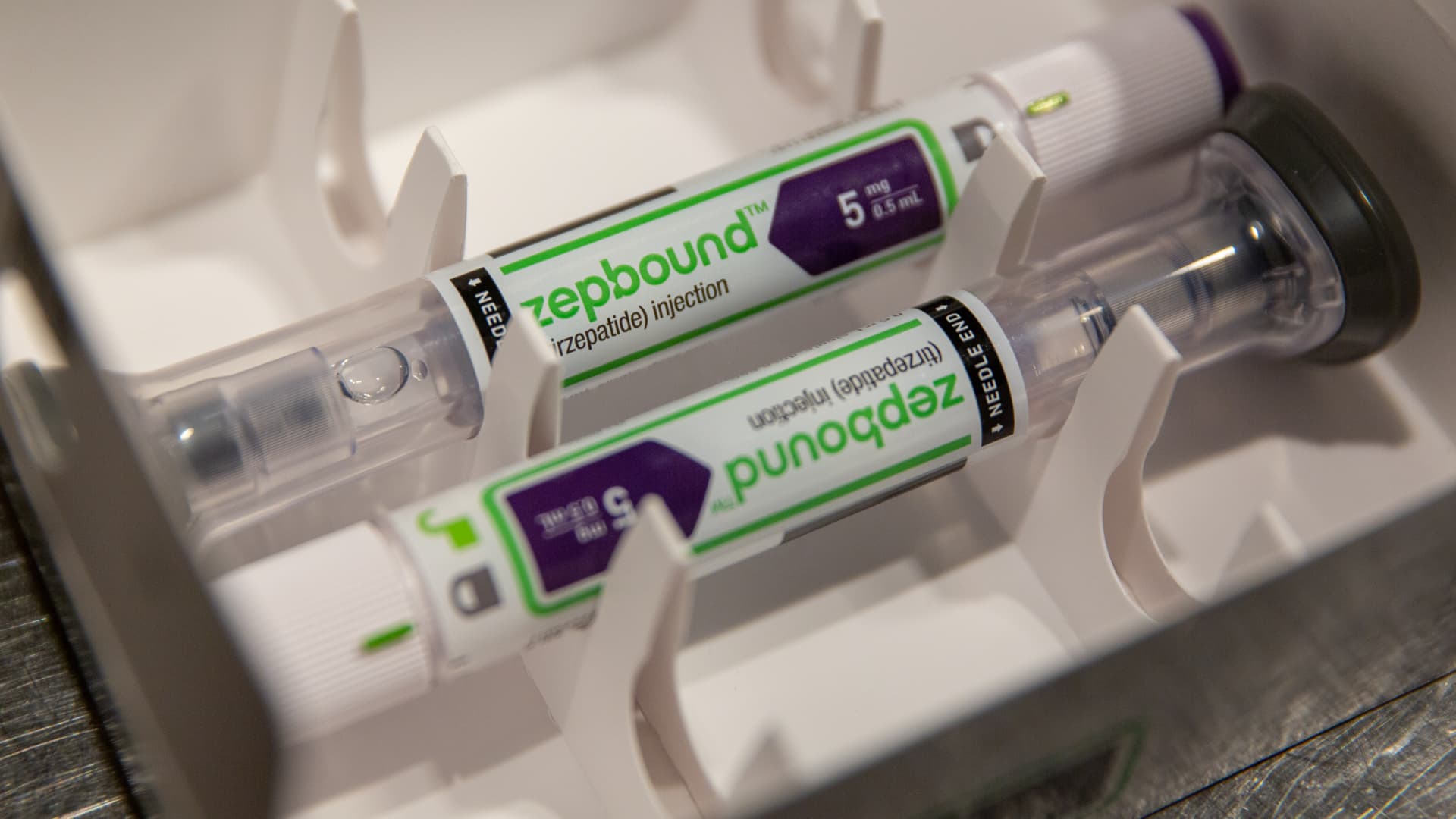
CVS Health recently announced it would restore CVS Zepbound coverage and add Eli Lilly’s new obesity pill, Foundayo, to its standard drug plans. This pivotal decision marks a significant strategic shift within the highly competitive weight loss drug market, intensifying the rivalry between pharmaceutical giants Eli Lilly and Novo Nordisk and reshaping access for millions of patients.
The move comes a year after CVS had made Novo Nordisk’s Wegovy the preferred obesity treatment on its standard plans, effectively sidelining Zepbound. Now, both Lilly and Novo Nordisk’s GLP-1 medications will achieve co-preferred status, demonstrating CVS’s substantial leverage as a pharmacy benefit manager (PBM).
🗝️ Corporate Strategy Insights
- Enhanced Market Competition. CVS’s restoration of Zepbound coverage puts Eli Lilly’s blockbuster drug on equal footing with Novo Nordisk’s Wegovy, fostering direct competition in the burgeoning GLP-1 market. This strategic repositioning aims to drive down costs through aggressive negotiations with drug manufacturers.
- PBM Leveraged Negotiation Power. CVS Caremark, as one of the nation’s largest pharmacy benefit managers, has successfully utilized its considerable market influence to negotiate more favorable pricing. This leadership move seeks to “bend the cost curve” in the expensive weight management category.
- Expanded Patient Access & Portfolio Diversification. The decision significantly expands access for 25-30 million Americans on Caremark’s standard commercial formulary template. Furthermore, adding Lilly’s newly approved oral obesity pill, Foundayo, diversifies treatment options and could capture a broader patient base preferring non-injectable solutions.
Beginning October 1, Zepbound will be covered, followed by Foundayo on June 1. This re-inclusion places Lilly’s offerings squarely back in contention for a substantial portion of the American patient population, intensifying the battle for market share in the booming GLP-1 segment. CVS has publicly touted its aggressive negotiation tactics, stating that last year’s deal with Novo Nordisk was the initial step by a major PBM to spur competition and make GLP-1s more affordable.
Ed DeVaney, CVS Caremark president, highlighted the company’s proactive approach: ‘We acted boldly through active engagement and negotiation with our drug manufacturer partners to tackle affordability and access for our customers and their members.’ This assertion underscores CVS’s role in actively shaping the pharmaceutical landscape rather than merely reacting to market dynamics. While plan sponsors adopting Caremark’s standard formulary can still opt out of covering GLP-1s for weight loss, the default inclusion provides a significant tailwind for both Lilly and Novo Nordisk.
- CVS Caremark will ensure a seamless transition for customers, consultants, providers, and members, aiming to integrate the new coverage options efficiently.
This dynamic interplay between PBMs and pharmaceutical manufacturers has profound implications, dictating drug accessibility and pricing. Novo Nordisk has expressed satisfaction that its Wegovy injection and pill will retain preferred status, signaling a truce in the formulary wars, at least for now, that benefits both pharmaceutical giants.
The Strategic Ripple Effect on Pharma Giants
CVS’s decision to restore CVS Zepbound coverage and incorporate Foundayo triggers a significant cause-and-effect chain across the pharmaceutical industry. The immediate effect is a more balanced competitive landscape where Eli Lilly’s Zepbound can now directly compete with Novo Nordisk’s Wegovy on major formularies. This parity forces both drugmakers to maintain competitive pricing and potentially innovative patient programs to secure or expand their market share.
For Eli Lilly, this move is a clear win, bolstering its efforts to challenge Novo Nordisk’s established dominance in the weight loss arena. The addition of Foundayo, an oral option, could prove to be a crucial differentiator, catering to patient preferences and expanding Lilly’s addressable market. The market impact will likely manifest in increased demand for both companies’ GLP-1 products, but also heightened pressure on their gross-to-net pricing as PBMs like CVS continue to flex their negotiation muscles. This strategic shift demonstrates strong operational efficiency in managing complex formularies to achieve significant cost savings for CVS and its clients.
CVS’s re-evaluation of its formulary strategy is a testament to the immense power PBMs wield in drug access and pricing, effectively forcing pharmaceutical giants to the negotiation table for affordability.
Key Market Indicators to Watch
- Coverage Start Date (Zepbound): October 1, 2024. This signals the renewed market entry timeframe.
- Coverage Start Date (Foundayo): June 1, 2024. Indicates the availability of Eli Lilly’s oral option.
- Estimated Formulary Reach: 25-30 million Americans. Represents the potential patient base impacted by this policy.
- Projected Savings for CVS: 10-15% across the weight management category. A direct measure of the PBM’s negotiation success and operational efficiency.
Eli Lilly Strategic Analysis: Bolstering Market Dominance
Eli Lilly’s strategy in the GLP-1 market is clearly geared towards not just competing, but dominating. The re-establishment of CVS Zepbound coverage provides a significant boost to their injectable offering. However, the introduction of Foundayo, a new oral obesity pill, represents a crucial diversification. Oral medications typically offer greater convenience and can overcome needle-aversion, potentially broadening the appeal of GLP-1 therapies to a wider demographic. This dual-front approach allows Lilly to cater to different patient preferences and expand its overall market footprint, making it a formidable contender against Novo Nordisk’s established portfolio. Their focus on both injectable and oral formats demonstrates a comprehensive market attack strategy.
CVS Market Leadership: A PBM’s Power Play
CVS Caremark’s recent formulary adjustments are a clear display of its market leadership as a pharmacy benefit manager. By initially favoring Wegovy and then re-introducing Zepbound as a co-preferred option, CVS has effectively played both sides of the highly competitive GLP-1 market to its advantage. This tactic created leverage, forcing both Eli Lilly and Novo Nordisk into renewed pricing negotiations to secure broad access. This operational efficiency in managing drug costs and maximizing competition underscores how PBMs drive industry-wide trends in pharmaceutical pricing and patient access. CVS isn’t merely a retailer; it’s a critical gatekeeper influencing billions in drug spend, as reported by outlets like Reuters business news.
The Future of CVS Zepbound Coverage and Pharma Dynamics
CVS’s decision to reinstate CVS Zepbound coverage is more than just a formulary change; it’s a powerful statement on the evolving dynamics between PBMs and pharmaceutical companies. This move signals a new era of aggressive negotiation and expanded patient choice in the blockbuster weight loss drug market. It underscores the PBM’s ability to drive competition and affordability.
- The shift points to continued pressure on drug manufacturers to justify pricing amidst strong PBM influence.
- It significantly broadens treatment access for millions of Americans, potentially improving public health outcomes.
- This enhanced competition could accelerate innovation and pricing strategies within the GLP-1 segment, affecting investment analysis across various sectors.
How will this renewed competition influence long-term drug pricing and pharmaceutical R&D strategies, especially for oral alternatives?
📊 StockXpo Analyst’s View
Market Impact: This move from CVS, a major PBM, will likely be a bellwether for other insurers, potentially leading to broader GLP-1 coverage and increased competition in the pharmaceutical benefits space. Investor sentiment towards both Eli Lilly and Novo Nordisk may see short-term volatility as the market digests the implications of intensified competition, though expanded access could drive overall market growth. This strategic positioning could also influence broader stock markets.
Sector To Watch: Pharmaceutical companies focusing on chronic disease management, particularly obesity and diabetes, will face continued pressure on pricing and formulary access. Pay close attention to drug development pipelines and PBM negotiation outcomes, as these will dictate future market leadership and profitability. Healthcare services and managed care providers may also benefit from increased prescription volumes.
Financial Disclaimer:
StockXpo.com is a financial news aggregator and educational portal, not a registered investment advisor or broker-dealer. All information, news, and analysis provided herein are strictly for educational purposes and do not constitute investment, financial, legal, or tax advice. Investing in the stock market involves high risks, and past performance is not indicative of future results. StockXpo will not be liable for any financial losses or investment damages. Always consult a certified financial advisor before making market decisions.
MORE IN INSIDE BUSINESS
Wonder’s Ambitious Strategy: Texas Expansion, Automation, and an IPO Path
Published: Sunday, October 25, 2026 · 9:32 AM

Young Airplane Scrapping: A $17 Million Engine Crisis Reshaping Aviation
Published: Saturday, October 24, 2026 · 8:26 AM