Published: Thursday, May 28, 2026 · 12:28 PM | Updated: Thursday, May 28, 2026 · 12:28 PM
📊 241 views




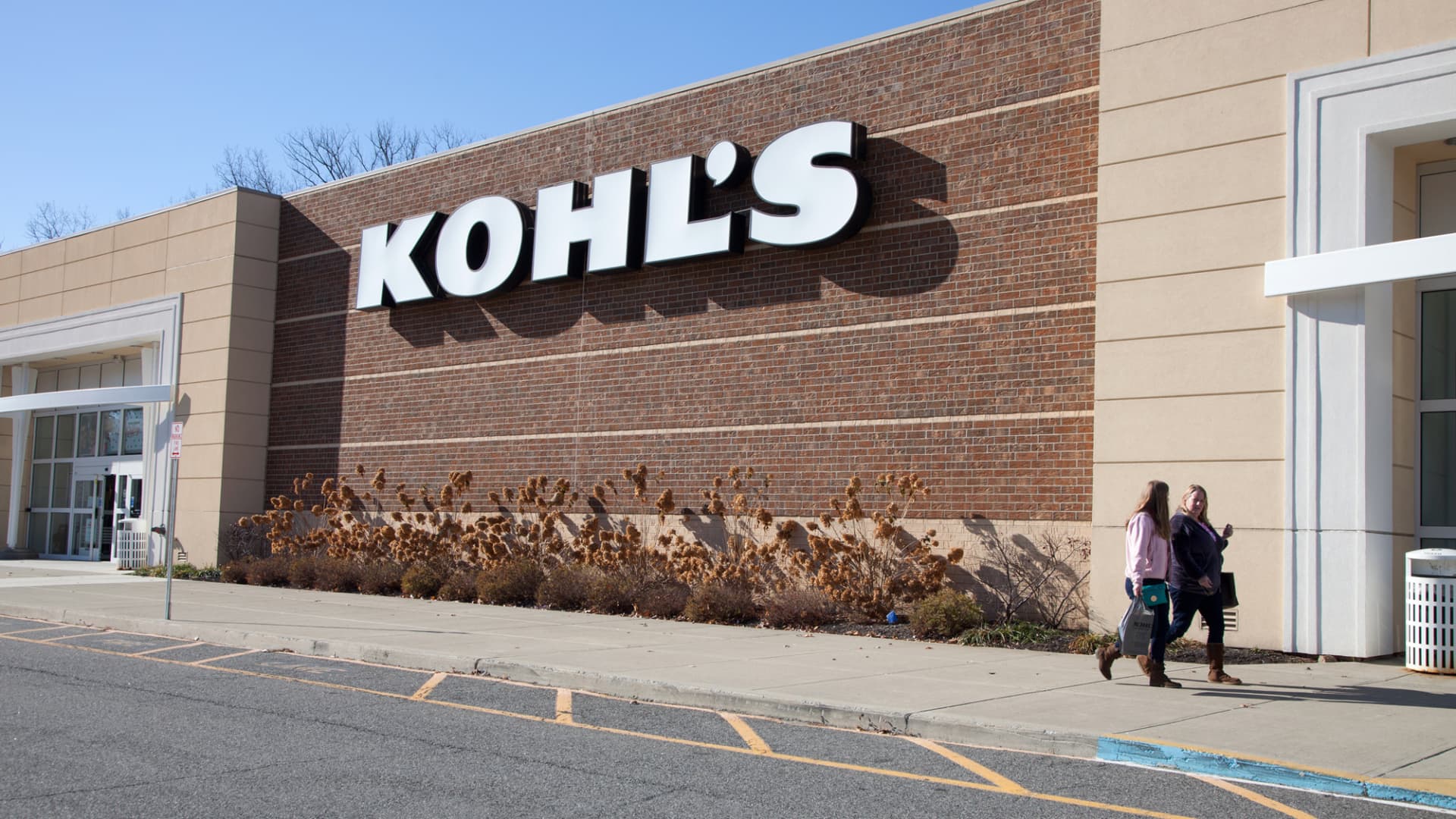
Kohl’s Corporation (KSS) witnessed a significant premarket surge, with its stock price jumping 10% following the release of its fiscal first-quarter results. The embattled retailer reported its best comparable sales performance in four years, signaling potential green shoots in its ongoing turnaround efforts.
While net sales and comparable sales still declined, the figures surpassed Wall Street’s expectations, prompting investors to re-evaluate the company’s trajectory amidst persistent macroeconomic headwinds and competitive pressures.
💎 Strategic Investment & Portfolio Insights
- Sales Trend Reversal Ahead? Kohl’s reported its best comparable sales performance in four years, suggesting that operational initiatives may finally be gaining traction after prolonged struggles.
- Efficiency Driving Bottom Line Outperformance. The retailer’s narrower loss per share and revenue beat indicate effective expense management and disciplined inventory control, improving profitability metrics despite sales declines.
- Reaffirmed Outlook Provides Stability. Maintaining full-year guidance in a challenging retail environment offers some level of predictability and investor confidence in management’s revised strategy.
Kohl’s reported a net sales decrease of 1.7% and comparable sales slide of 1.1% for the fiscal first quarter ending May 2. While still negative, these figures mark a considerable improvement from the prior quarter’s 2.8% comparable sales drop and comfortably beat analyst consensus compiled by LSEG. The company’s net loss stood at $14 million, or 13 cents per share, outperforming expectations for a 19-cent loss per share, demonstrating better-than-anticipated cost control.
Revenue for the period reached $3 billion, slightly ahead of the $2.99 billion expected by analysts. CEO Michael Bender highlighted these “progressive improvements,” attributing them to key initiatives, strong expense management, cleaner inventories, and an improved balance sheet. Despite these positive indicators, Kohl’s stock had previously seen a decline of over 35% year-to-date, reflecting deep skepticism from the market regarding its ability to execute a sustainable turnaround amid intense competition and shifting consumer preferences. For deeper market analysis, investors can visit StockXpo.
- Key Q1 F.Y.2026 Metrics vs. Expectations: Kohl’s reported a loss per share of 13 cents, significantly better than the expected 19 cents. Revenue came in at $3 billion, slightly exceeding the $2.99 billion forecast.
The Ripple Effect on Retail Portfolios
Improved operational metrics from a struggling retailer like Kohl’s can trigger a nuanced re-evaluation within diversified portfolios. The unexpected beat, particularly in comparable sales and earnings per share, may lead to a modest re-rating of the stock, drawing attention from value investors seeking turnaround stories. This development could prompt a slight rebalancing in sector-specific funds, with some managers potentially increasing exposure to beaten-down retail plays if broader retail market trends, as reported by Bloomberg Markets, show signs of stabilization. However, sustained performance is critical for any long-term allocation shift, influencing where capital is deployed across the retail landscape.
“Kohl’s Q1 results offer a glimmer of hope, proving that disciplined execution can yield initial results even in a tough retail environment. For our portfolios, this signals a need to watch for sustained improvements rather than reacting to a single quarter. The focus remains on cash flow generation and market share stabilization as key drivers of intrinsic value.”
Kohl’s Q1 Fiscal 2026 Performance Snapshot
These metrics are crucial for assessing the company’s financial health and its trajectory against market expectations, highlighting the effectiveness of management’s strategies.
| Metric | Actual Q1 F.Y.26 | Analyst Expectations | Why it Matters |
|---|---|---|---|
| Loss per Share | $0.13 | $0.19 | Better-than-expected loss indicates improved cost control and operational efficiency. |
| Revenue | $3.00 Billion | $2.99 Billion | Slight revenue beat suggests some resilience in sales despite overall decline. |
| Comparable Sales Change | -1.1% | Lower decline expected | Best performance in four years, a key indicator of turnaround initiative effectiveness. |
Kohl’s Risk-Reward Matrix
Investing in Kohl’s stock at this juncture presents a distinct risk-reward profile, typical of a turnaround story. On the reward side, if the company’s strategic initiatives, such as enhancing omnichannel capabilities and optimizing product assortment, continue to yield tangible improvements, there could be significant upside potential from its currently depressed valuation. Sustained positive comparable sales trends, coupled with further expense discipline, could lead to a re-rating of the stock multiple. However, the risks are substantial. The highly competitive retail landscape, fluctuating consumer discretionary spending, and macroeconomic uncertainties pose continuous threats. Execution risk remains high, and any misstep in inventory management or marketing could quickly erode the recent gains. Investors must weigh the potential for a return to sustainable profitability against the inherent volatility and sector-specific challenges.
Kohl’s Competitive Benchmarking
In the fiercely competitive department store sector, Kohl’s constantly vies for market share against giants like Macy’s, Nordstrom, and increasingly, discounters and online pure-plays. While its Q1 performance showed relative improvement, it’s crucial to benchmark this against peers. Many traditional department stores are struggling with declining foot traffic and intense pricing pressure. Kohl’s strategy, focusing on partnerships like Sephora and optimizing store layouts, aims to differentiate it. However, the overall industry trend points towards smaller, more agile retailers or those with stronger e-commerce presence gaining traction. Kohl’s success hinges on its ability to carve out a unique niche and execute its turnaround faster and more effectively than its rivals, particularly in attracting younger demographics while retaining its core customer base. For portfolio strategy insights, consider exploring StockXpo Investment.
Kohl’s Path Forward: Can Momentum Last?
The better-than-expected first-quarter results provide a much-needed morale boost for Kohl’s and its investors, suggesting that the retailer’s strategic overhaul might finally be yielding fruit. The positive reaction from the market, evidenced by the jump in recent business headlines, highlights the hunger for good news in the beleaguered department store segment. However, the path to sustained profitability and robust growth for Kohl’s stock is far from guaranteed.
- The reaffirmed full-year guidance for flat to down 2% sales indicates management remains cautiously optimistic about the ongoing turnaround.
- Continued improvements in inventory management and expense control will be paramount for protecting margins in a promotional environment.
- The ultimate success hinges on whether Kohl’s can consistently attract customers and grow market share in a fiercely competitive retail landscape.
Will this quarter’s performance be the turning point that solidifies Kohl’s position for long-term alpha generation, or merely a temporary reprieve in its battle for relevance?
📊 StockXpo Analyst’s View
Market Impact: The positive surprise from Kohl’s could inject a cautiously optimistic sentiment into the broader retail sector, particularly for value-oriented investors. While not a game-changer for the entire market, it demonstrates that well-executed turnaround strategies can still yield short-term gains, potentially easing some pressure on similar struggling retailers. This might encourage a re-evaluation of beaten-down consumer discretionary stocks.
Sector To Watch: The discount retail and general merchandise sectors will be particularly interesting to watch. If Kohl’s can maintain this trajectory, it suggests that physical retail, coupled with a disciplined approach to inventory and costs, still has a role. This could draw investor attention to other players in the middle-market retail space, prompting a closer look at their operational efficiencies and turnaround efforts, offering valuable educational market insights.
Financial Disclaimer:
StockXpo.com is a financial news aggregator and educational portal, not a registered investment advisor or broker-dealer. All information, news, and analysis provided herein are strictly for educational purposes and do not constitute investment, financial, legal, or tax advice. Investing in the stock market involves high risks, and past performance is not indicative of future results. StockXpo will not be liable for any financial losses or investment damages. Always consult a certified financial advisor before making market decisions.
MORE IN INSIDE INVESTMENT NEWS

AI Funding Fears Rattle Wall Street: Adjusting for Alpha and Preservation
Published: Saturday, October 24, 2026 · 12:28 PM

Volvo Cars Plunge: Alpha Warning as China Sales Slump Hits Earnings
Published: Friday, October 23, 2026 · 6:18 AM