Published: Saturday, June 20, 2026 · 12:56 PM | Updated: Saturday, June 20, 2026 · 12:56 PM
📊 106 views




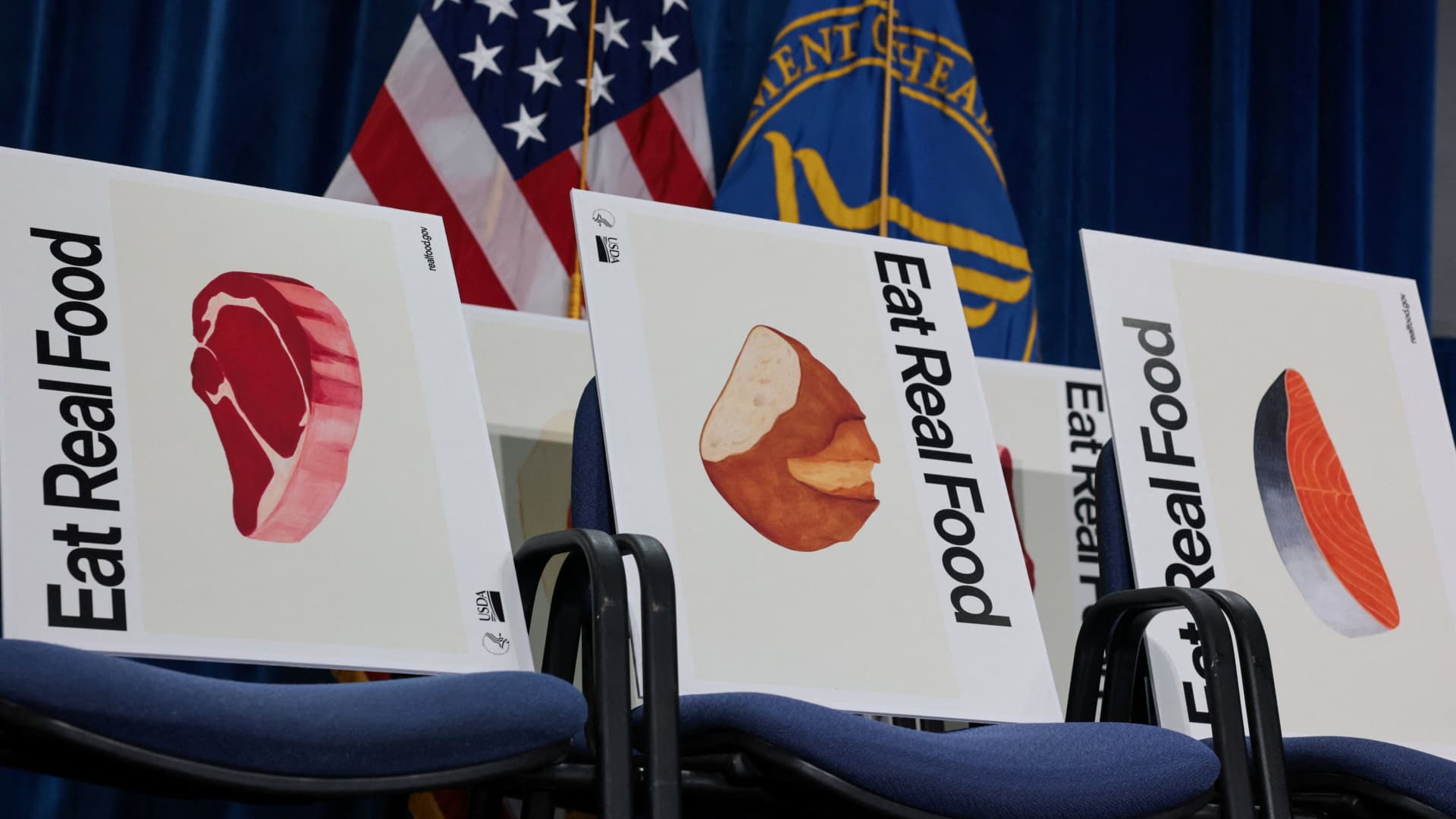
The evolving landscape of federal food aid is presenting a significant challenge to America’s largest food and beverage manufacturers and retailers. New SNAP restrictions on purchasing certain products, ranging from sugary drinks to highly processed snacks, are prompting a fundamental re-evaluation of corporate strategy and product portfolios across the industry. This shift could reallocate hundreds of millions in consumer spending, directly impacting bottom lines.
🗝️ Corporate Strategy Insights
- Market Reallocation. Numerator estimates an $830 million shift in food and beverage sales as beneficiaries adjust to new product limitations.
- Product Reformulation Drive. Major players like Nestle, General Mills, and Kraft Heinz are accelerating efforts to remove artificial dyes and unhealthy additives to comply with evolving regulations and consumer preferences.
- Retailer Exposure Risks. Walmart, capturing roughly a quarter of national SNAP grocery dollars, faces direct revenue impact from changes in purchasing habits, followed by Kroger, Costco, and Amazon.
Across 23 states, the U.S. Department of Agriculture has approved waivers restricting Supplemental Nutrition Assistance Program (SNAP) benefits, directly impacting nearly a third of all program participants. These policies, often driven by the “Make America Healthy Again” (MAHA) initiative, are primarily targeting sugar-sweetened beverages and confectionery products, as seen with Iowa’s recent legislative measures banning certain synthetic dyes from school meals and restricting SNAP purchases of soda and candy. This tightening regulatory environment means major food and beverage companies must now meticulously track shifting shopper behavior.
Companies like Hershey are already on the ground in states like Texas, conducting in-store interviews to understand how shoppers are adapting to new restrictions. This proactive approach highlights the uncertainty surrounding product substitutions and budget trade-offs. While J.M. Smucker’s CEO, Mark Smucker, expressed a muted concern, suggesting the current environment isn’t drastically different from past shifts, brands like Hostess could still face headwinds if restrictions broaden to include “highly processed snacks” beyond current sugary drink and candy limits.
The broader implications extend beyond product categories. The shrinking pool of SNAP recipients—an estimated 3.5 million people losing aid since recent legislative changes—means fewer dollars overall flowing into the consumer packaged goods sector. This creates a dual challenge for companies: not only are specific product categories under threat, but the total addressable market for SNAP-eligible purchases is also contracting.
Major companies most exposed to these shifts include Kraft Heinz, PepsiCo, Coca-Cola, General Mills, Nestle, and Hershey, all of whom produce significant volumes of the affected categories. Simultaneously, the retail giants are feeling the direct impact. Kroger CEO Greg Foran noted that reduced SNAP benefits, alongside higher gas prices, are “squeezing budgets” for customers, leading to more cautious spending. Retailers like Walmart, with its substantial share of SNAP grocery dollars, are on the front lines of this change, making their operational efficiency and ability to adapt critical for maintaining market leadership. The overall shift in market dynamics presents both risks and opportunities for innovation within the sector, pushing companies to explore new product lines and healthier alternatives to retain consumer loyalty.
- Companies are accelerating product reformulations to align with healthier guidelines and consumer preferences, a trend amplified by these new regulations.
- The political discourse, exemplified by HHS Secretary Robert F. Kennedy Jr.’s support for a junk-food advertising ban, signals a potential for further regulatory action.
The immediate cause-and-effect chain stemming from intensified SNAP restrictions is clear: state-level policy changes directly alter consumer purchasing power and preferences, which in turn forces food manufacturers into strategic product reformulation, eventually leading to a reordering of market share within specific food categories. For example, a ban on Red 40 and Yellow 5, prevalent in many popular snacks and beverages, compels companies like PepsiCo (Doritos, Fanta) and Kraft Heinz (Kool-Aid) to either eliminate these dyes or risk losing market access among SNAP beneficiaries. This operational challenge leads to increased R&D investment and potential supply chain adjustments, impacting profitability in the short term but potentially enhancing brand reputation and long-term market sustainability. Retailers, as intermediaries, face the complexity of inventory management and adjusting shelf space to cater to evolving demand for approved products, potentially shifting sales from processed goods to healthier alternatives, impacting their category mix and margins. Competitors already offering “clean label” products might gain an advantage, while those heavily reliant on restricted items could see market share erosion unless they quickly pivot.
‘The real strategic imperative for food and beverage companies now is not just about product reformulation, but a fundamental reassessment of their entire portfolio’s alignment with public health initiatives and evolving consumer wellness demands, lest they risk losing a significant portion of their market.’
To illustrate the significant exposure of major retailers to SNAP spending, Numerator’s analysis provides clear insights into market share. This data underscores why adjustments to SNAP policies directly affect these companies’ top lines.
| Retailer | Share of National SNAP Grocery Dollars |
|---|---|
| Walmart | ~25% |
| Kroger | ~8% |
| Costco | ~6% |
| Amazon | ~5% |
These metrics are critical because they highlight the direct revenue exposure retailers face from changes in SNAP policy and consumer purchasing patterns, making their strategic responses to policy shifts a key determinant of future financial performance.
Kraft Heinz Strategic Analysis: Navigating Health Trends
Kraft Heinz (KHC), a titan in packaged foods, finds itself at a critical juncture where decades-old product lines face renewed scrutiny under health-focused initiatives. The company’s vast portfolio, including processed cheese products, sugary beverages, and convenience meals, positions it directly in the crosshairs of evolving SNAP regulations. Its strategy must balance maintaining brand loyalty with a significant push towards healthier reformulations, potentially requiring substantial R&D investment and aggressive marketing to reposition flagship products. Success will hinge on operational efficiency in transitioning manufacturing lines and effectively communicating the benefits of new, healthier offerings to a cost-sensitive consumer base.
PepsiCo Competitive Advantages: Diversification as a Shield
PepsiCo (PEP) possesses a key competitive advantage in its diversified portfolio, which spans both beverages and convenient foods. While its sugary drinks (Pepsi, Mountain Dew) and snack brands (Doritos, Cheetos) are directly targeted by SNAP restrictions and health movements, the company also owns healthier options and a robust international presence. This diversification acts as a shield, allowing it to absorb hits in specific categories while leveraging growth in others. Furthermore, PepsiCo’s extensive distribution network and marketing prowess enable it to quickly adapt product messaging and introduce new, compliant offerings to the market more efficiently than smaller, less agile competitors. Maintaining operational excellence in product innovation will be crucial. For more insights on diverse corporate growth strategies, consider visiting our business section.
SNAP Restrictions: What’s Next for the Consumer Staples Sector
The tightening of SNAP restrictions is not merely a fleeting challenge but a fundamental recalibration for the consumer staples sector, particularly for food and beverage companies and the retailers that distribute their products. This shift compels companies to prioritize agile portfolio management and operational efficiency in reformulating products to align with healthier consumption trends. The long-term winners will be those who can innovate rapidly while maintaining competitive pricing for low-income consumers.
- Proactive product reformulation will become a standard operational necessity, rather than a differentiator.
- Retailers will need sophisticated data analytics to manage inventory and merchandising for changing SNAP-eligible product demand.
- The emphasis on “healthier options” creates new market opportunities for smaller, agile brands and private labels.
How quickly can legacy food giants truly innovate their core offerings to meet these new market demands while sustaining profitability?
📊 StockXpo Analyst’s View
Market Impact: This regulatory shift could introduce volatility for consumer staple stocks heavily invested in processed foods and sugary beverages. Investors will closely watch earnings calls for updates on reformulation progress and sales impacts. The re-allocation of an estimated $830 million in sales, as reported by Reuters business news, signifies a measurable impact on revenue streams.
Sector To Watch: The healthy food and organic sectors are poised for potential growth, as consumers seek compliant alternatives. Retailers with strong private-label programs in healthier categories may also outperform. This is a crucial area for broader investment analysis on stock markets and for understanding emerging trends and educational insights, visit our blog for market perspectives. For a deeper dive into global market trends, explore external financial news.
Financial Disclaimer:
StockXpo.com is a financial news aggregator and educational portal, not a registered investment advisor or broker-dealer. All information, news, and analysis provided herein are strictly for educational purposes and do not constitute investment, financial, legal, or tax advice. Investing in the stock market involves high risks, and past performance is not indicative of future results. StockXpo will not be liable for any financial losses or investment damages. Always consult a certified financial advisor before making market decisions.
MORE IN INSIDE BUSINESS

World Cup Spending Soars: Host Cities See Late-Stage Economic Surge
Published: Tuesday, July 14, 2026 · 1:05 PM

Frontier Airlines Wi-Fi: A Strategic Shift Towards Premium Amenities
Published: Tuesday, July 14, 2026 · 1:04 PM