Published: Wednesday, May 27, 2026 · 1:58 PM | Updated: Wednesday, May 27, 2026 · 1:58 PM
📊 268 views




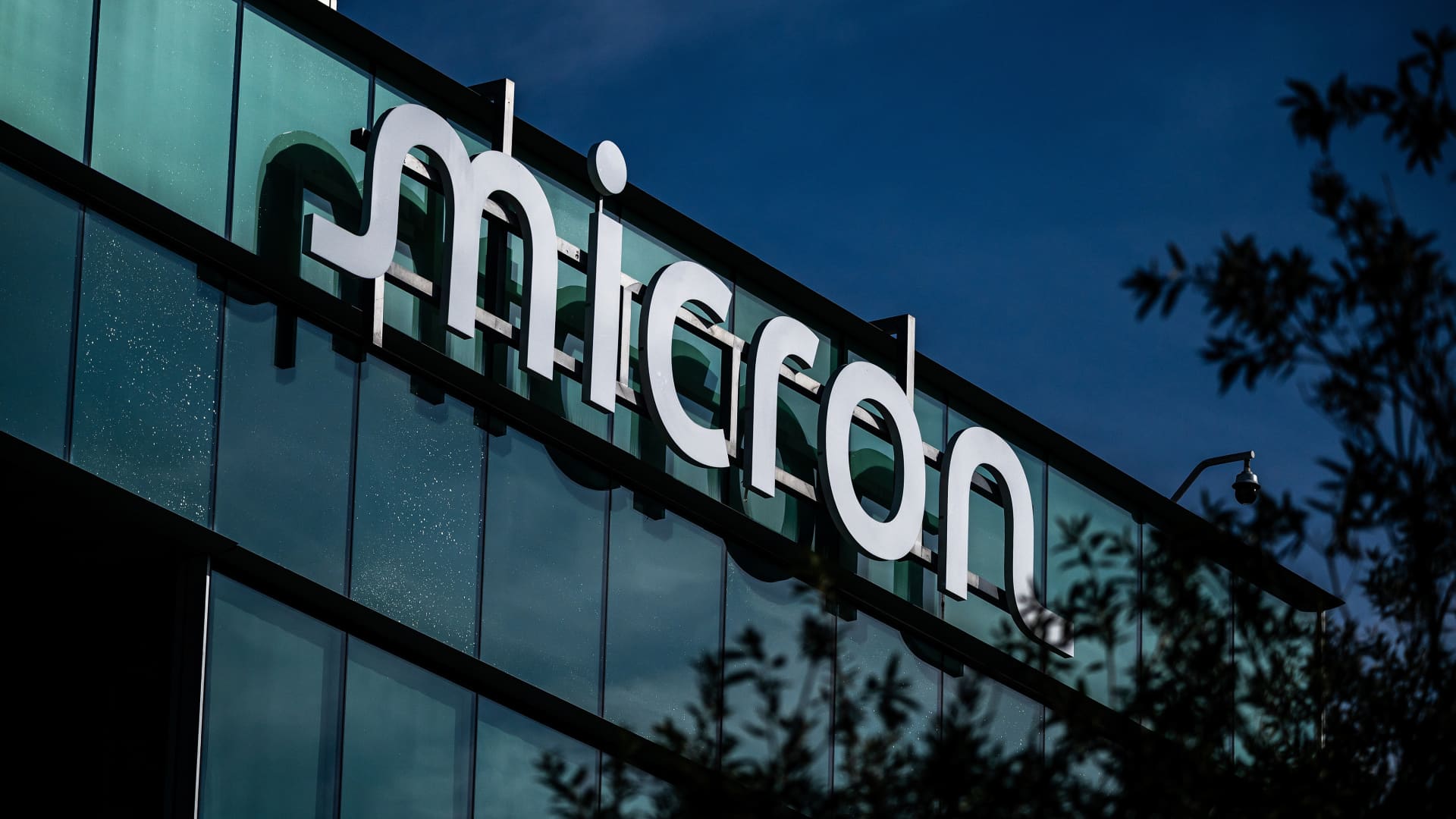
The semiconductor industry is experiencing a seismic shift, highlighted by Micron’s remarkable surge to a $1 trillion market capitalization. This milestone not only underscores the escalating demand for high-performance memory but also signals a broader re-evaluation of valuation in the artificial intelligence sector, driving a wave of innovation and investment across the tech landscape.
🚀 Tech Strategy & Market Disruptions
- Semiconductor Rally Fuels AI Bets. Micron and SK Hynix cross $1 trillion market caps, driven by insatiable AI demand.
- Tech Convergence Intensifies. SpaceX and Tesla merger talks, coupled with Starlink’s expanding enterprise adoption, signal deeper cross-sector integration.
- Economic Headwinds Persist. Inflation, rising energy costs, and geopolitical tensions influence consumer spending and corporate earnings, notably affecting retail.
The unprecedented ascent of Micron Technology to a $1 trillion market capitalization marks a pivotal moment for semiconductor innovation, catalyzing a broader rally across technology stocks. This significant milestone, which saw the memory chipmaker’s shares jump over 19% in a single session, directly contributed to the S&P 500 and Nasdaq Composite hitting new record highs. The ripple effect was immediate, with the Roundhill Memory ETF (DRAM) also reaching a fresh peak, and South Korean giant SK Hynix mirroring Micron’s success by entering the $1 trillion club, underscoring the intense investor confidence in AI-linked semiconductor names. This enthusiasm, however, did not extend universally, as AutoZone experienced its worst trading day since 2022 despite beating earnings expectations, and Ferrari’s U.S. shares slid following its electric vehicle launch.
Beyond the technology sector, broader market sentiment is being shaped by political and economic currents. The Texas Republican Senate primary saw Ken Paxton defeat incumbent Sen. John Cornyn, setting the stage for a high-stakes 2026 midterm election amidst concerns over persistent inflation and surging gas prices. These economic pressures are creating headwinds for the incumbent party, irrespective of who occupies the White House. Meanwhile, geopolitical tensions escalated after U.S. ‘self-defense’ strikes on Iran, leading to Tehran’s promise of retaliation and a more than 3% jump in Brent crude prices, with analysts at Piper Sandler predicting months-long closure of the Strait of Hormuz and new oil highs this summer.
Corporate earnings also presented a mixed picture, reflecting diverse challenges and strategic plays. Dick’s Sporting Goods reported an earnings miss for the first quarter, primarily due to substantial expenses incurred from its acquisition of Foot Locker last year. While Foot Locker itself showed positive comparable sales growth for the first time since fiscal 2024, the associated costs, including severance and store closings totaling $96.5 million, significantly impacted Dick’s bottom line. This highlights the complex financial engineering and integration challenges associated with major acquisitions in the retail sector, even when underlying business units show signs of recovery.
In the realm of disruptive technology, Elon Musk’s ventures continue to capture headlines. Speculation about a potential merger between SpaceX and Tesla has resurfaced, with employees reportedly discussing the synergies already apparent in their shared engineering challenges related to power and compute limits. SpaceX’s recent acquisition of xAI further solidifies its ambition in artificial intelligence. Moreover, the expansion of Starlink’s in-flight internet service gained momentum, with American Airlines announcing its adoption on over 500 planes, joining United Airlines and Southwest Airlines in leveraging satellite internet connectivity to enhance the passenger experience.
Finally, the ethical dimension of technological advancement entered the spotlight with Pope Leo XIV’s call for AI regulation, creating a distinct schism within the White House on how to balance innovation with societal responsibility. This high-level discussion underscores the growing global imperative to govern emerging technologies thoughtfully.
The exponential growth in AI computational demand is directly fueling the surge in high-bandwidth memory (HBM) and dynamic random-access access memory (DRAM) chips. This increased demand → propels semiconductor manufacturers like Micron and SK Hynix to achieve record valuations → which in turn attracts greater investment into R&D and manufacturing capacity → leading to faster innovation cycles and potentially more affordable, powerful AI infrastructure → ultimately driving broader digital transformation across industries and enabling new AI-powered services.
‘The pursuit of greater profits cannot justify choices that systematically sacrifice jobs, because the human person is an end, not a means, and the economic order must remain subordinate to human dignity and the common good,’ a sentiment from Pope Leo XIV, critically defines the ethical parameters for AI development and deployment, urging technologists to consider societal welfare alongside economic gain.
- Micron Technology (MU): Market cap topped $1 trillion, stock jumped >19% (initially), another 9% pre-bell.
- SK Hynix (HXSCL): Joined the $1 trillion club overnight.
- Dick’s Sporting Goods (DKS): Reported Q1 earnings of $2.90 per share (vs. $2.92 expected), with $96.5 million in Foot Locker acquisition charges.
- Brent Crude: Prices surged >3% following U.S.-Iran tensions.
Micron’s Ecosystem Expansion Potential
Micron’s recent market performance is not merely a reflection of HBM demand but also its strategic positioning within the broader AI hardware ecosystem. The company’s ability to innovate at the memory layer directly impacts the performance ceiling of AI accelerators from Nvidia, AMD, and Intel. As AI models grow in complexity and size, the bottleneck often shifts from computational power to memory bandwidth and capacity. Micron’s advancements in next-generation DRAM and HBM solutions, therefore, are critical enablers for the future of AI. This focus positions Micron to expand its influence beyond traditional computing, securing its role as a foundational technology provider in burgeoning fields like edge AI, autonomous systems, and high-performance computing, driving significant technology market trends. Furthermore, collaborations with major cloud providers and enterprise AI solution developers will be key to unlocking new revenue streams and consolidating its market leadership, offering broader insights into global tech movements.
SpaceX Platform Architecture and Market Adoption
SpaceX’s multi-faceted approach, encompassing reusable rocket technology, satellite internet (Starlink), and deep-space exploration, demonstrates a powerful platform architecture strategy. The potential merger talks with Tesla, alongside its xAI acquisition, highlight a vision to integrate diverse technologies – from energy and AI to aerospace and connectivity – under a unified engineering and operational umbrella. This vertical integration strategy seeks to leverage shared expertise in power management, computational limits, and manufacturing efficiency across seemingly disparate domains. The increasing adoption of Starlink for in-flight internet by major airlines like American, United, and Southwest validates the robustness and scalability of its satellite constellation and ground infrastructure. This enterprise-level adoption signals a significant market shift towards ubiquitous, high-speed global connectivity, bypassing traditional terrestrial limitations and opening new avenues for emerging technologies in remote and mobile environments.
Micron’s Ascent: Navigating the Future of Memory and AI
The semiconductor sector, spearheaded by Micron’s unprecedented valuation, is unequivocally at the forefront of innovation-driven growth, deeply integrated with the accelerating adoption of artificial intelligence. While other sectors like retail grapple with acquisition costs and broader economic pressures, the underlying demand for advanced computing components continues to drive profound market shifts.
- The AI arms race is directly translating into record valuations for memory and chip manufacturers.
- Tech convergence, as seen with SpaceX and Tesla, is redefining corporate structures and innovation pathways.
- Economic and geopolitical factors continue to introduce volatility, impacting diverse sectors from energy to consumer retail.
How will the relentless pursuit of AI advancements reshape global economic priorities and regulatory landscapes in the coming years?
📊 StockXpo Analyst’s View
Market Impact: The surge in semiconductor stocks, particularly Micron and SK Hynix, reflects a sustained investor confidence in the long-term growth trajectory of AI. This momentum is likely to drive capital further into technology plays, potentially reallocating funds away from sectors facing inflationary pressures or significant integration costs. Market liquidity remains robust for high-growth tech investments, tracking industry-wide shifts.
Sector To Watch: The semiconductor and AI infrastructure sectors are primed for continued expansion, but attention should also be paid to the satellite communications and aerospace industries, particularly as Starlink expands its commercial footprint. Furthermore, companies navigating complex digital transformation initiatives will be crucial to track, and you can explore more educational tech insights on our platform.
Financial Disclaimer:
StockXpo.com is a financial news aggregator and educational portal, not a registered investment advisor or broker-dealer. All information, news, and analysis provided herein are strictly for educational purposes and do not constitute investment, financial, legal, or tax advice. Investing in the stock market involves high risks, and past performance is not indicative of future results. StockXpo will not be liable for any financial losses or investment damages. Always consult a certified financial advisor before making market decisions.
MORE IN INSIDE TECHNOLOGY
AI Buildout Hits Credit Headwinds: Neoclouds Under Pressure
Published: Saturday, October 24, 2026 · 12:23 AM

SK Hynix Shares Rebound: A Strategic Shift in Semiconductor Funding
Published: Friday, October 23, 2026 · 1:46 AM