
Published: Sunday, May 24, 2026 · 1:02 PM | Updated: Sunday, May 24, 2026 · 1:02 PM
📊 298 views




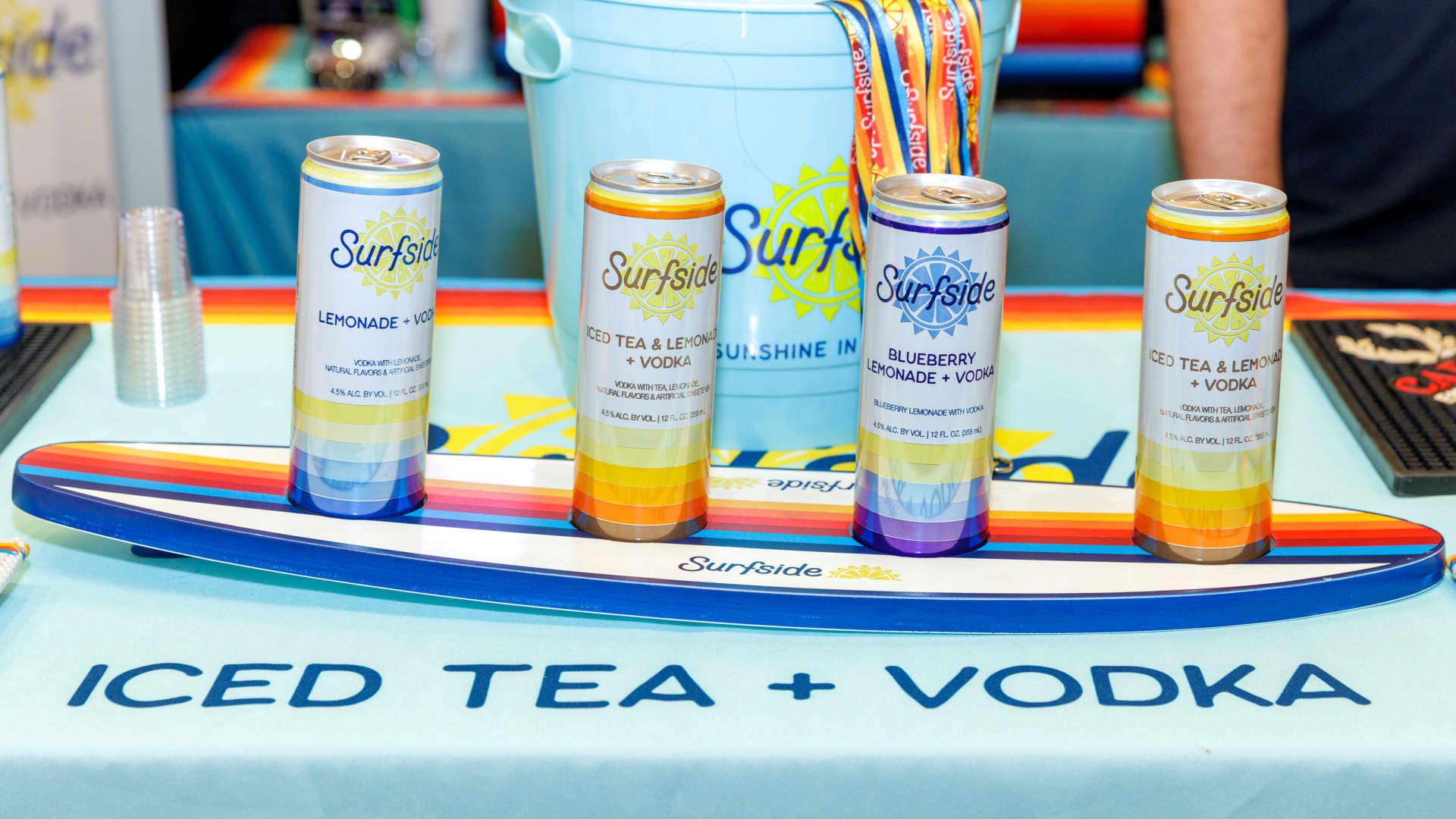
The beverage industry is witnessing a significant pivot, as consumer tastes increasingly favor still, non-carbonated drinks over the once-dominant seltzer category. This shift, largely driven by Generation Z’s wellness aspirations and demand for novel products, compels major players and agile startups alike to redefine their product portfolios and innovation pipelines for sustained corporate growth strategies. These operational shifts require careful investment analysis to identify the beneficiaries and laggards in this evolving sector.
🗝️ Corporate Strategy Insights
- Innovation Imperative. Beverage companies are reallocating R&D to fizz-free options, recognizing declining growth in carbonated segments and a strong consumer appetite for new, still beverages.
- Gen Z-Centric Market Capture. Brands are strategically targeting Gen Z’s preference for wellness, diverse flavors, and avoidance of bloating, driving product development in non-carbonated categories like iced teas and functional drinks.
- Packaging Evolution. The widespread adoption of aluminum cans for still beverages, initially popularized by brands like Liquid Death, reflects an operational efficiency trend and a perceived ‘cool’ factor, reshaping traditional packaging norms.
The beverage landscape is undergoing a notable transformation, moving away from the effervescent appeal of seltzers that dominated the market a decade ago. Data from market research firm Circana indicates a 1.1% volume drop in malt-based hard seltzers for the 52 weeks ending April 26, contrasting sharply with a 46.4% surge in ready-to-drink (RTD) premixed cocktails during the same period. This shift underscores a broader consumer trend favoring still beverages, particularly among Gen Z consumers who associate carbonation with less healthy options, digestive discomfort, and a dated appeal compared to the refreshing novelty of non-carbonated drinks.
Companies are rapidly adapting their strategies to capture this emerging demand. Surfside Iced Teas, an indie vodka distiller’s creation, exemplifies this trend, becoming the fastest-growing alcohol brand in the U.S. in 2024, according to Nielsen IQ data. Its success highlights a significant unmet consumer demand for non-carbonated RTD alcoholic options. Established players are taking notice; Boston Beer (SAM), known for Twisted Tea, launched Sun Cruiser to directly compete with Surfside, signaling a broader industry pivot. This competitive response emphasizes the strategic imperative for beverage giants to diversify their portfolios beyond traditional carbonated offerings.
- Key Trends Driving Market Dynamics:
- Health and Wellness: Gen Z consumers prioritize drinks without perceived negative effects like bloating or tooth enamel erosion.
- Flavor Experience: Functional non-carbonated beverages are seen as offering a ‘smoother’ and more palatable taste, often paired with meals.
- Novelty and Experimentation: Younger demographics show less brand loyalty and a greater willingness to explore new product categories, driving rapid adoption of innovative still drinks.
Beyond alcohol, the non-alcoholic sector, while slower to fully embrace the trend, is also showing clear signs of adaptation. PepsiCo’s (PEP) Poppi and energy drinks like Celsius (which expanded its fizz-free line) are gaining traction by catering to wellness-focused consumers. Celsius specifically targets Gen Z and women with its non-carbonated options, recognizing their aversion to sparkling drinks and desire for functional benefits without the bubbles. The company’s peach mango green tea flavor consistently ranks among its top performers, demonstrating the viability and appeal of fizz-free energy solutions. Even older brands like Hint, which specializes in still flavored water, are revitalizing their market presence by emphasizing ‘drinkability’ and ‘pure hydration’ as core competitive advantages against sparkling counterparts. This dynamic environment requires continuous strategic investment in product development and agile market positioning to capture evolving consumer preferences.
Strategic Ripples: How Non-carbonated Drinks Are Reshaping the Market
The burgeoning demand for non-carbonated drinks initiates a profound strategic ripple effect across the entire drinks industry. This shift directly impacts product development cycles, marketing expenditures, and supply chain adjustments.
Product Launch → Market Expansion → Higher Revenue Potential: Brands like Stateside Brands (Surfside) have demonstrated that innovative non-carbonated product launches can rapidly capture market share, forcing competitors to scramble for analogous offerings. This leads to market expansion in previously underserved niches and opens new revenue streams for agile companies. The swift growth of RTD premixed cocktails, particularly non-carbonated ones, is a prime example, translating into significant higher revenue potential for early movers.
Consumer Preference Shift → Portfolio Diversification → Competitive Advantage: As consumers migrate from seltzers, companies that strategically diversify their portfolios with still options gain a competitive edge. Anheuser-Busch InBev (BUD), through its acquisition of BuzzBallz and majority ownership in BeatBox, along with its Cutwater Spirits brand, is proactively adapting. Brands failing to pivot risk losing relevance and market share, as evidenced by the slowing growth of hard seltzers. This creates pressure for traditional beverage giants to acquire or develop new brands rapidly, as highlighted in Reuters’ business coverage.
Operational Efficiency → Packaging Innovation → Cost Savings & Sustainability: The preference for canned non-carbonated drinks, spearheaded by Liquid Death, highlights a significant operational efficiency. Aluminum cans are generally cheaper to produce than glass bottles and offer a more sustainable profile than plastic. This adoption requires adjustments in bottling infrastructure, potentially leading to long-term cost savings and an improved environmental image for companies that adapt their packaging strategies, reflecting broader global market trends prioritizing sustainability.
“The seismic shift towards non-carbonated drinks is not merely a trend; it represents a fundamental re-evaluation of consumer desires for wellness, flavor, and sensory experience, demanding a complete strategic overhaul for beverage companies looking to sustain market leadership.”
Key Market Metrics in the Fizz-Free Transition
The article provides specific volume growth metrics crucial for understanding market dynamics. These figures highlight the rapid decline in one category and explosive growth in another, directly influencing strategic capital allocation.
| Beverage Category | Volume Change (52 Weeks Ended April 26) | Strategic Significance |
|---|---|---|
| Malt-based Hard Seltzers | -1.1% | Indicates market fatigue and declining consumer preference, signaling a need for portfolio divestment or innovation away from this core. |
| Ready-to-Drink (RTD) Premixed Cocktails | +46.4% | Represents a high-growth segment, underscoring strong consumer interest in convenience and diversified alcoholic options, driving innovation and acquisition strategies. |
These metrics, sourced from Circana, demonstrate a clear divergence in category performance. The substantial growth in RTD premixed cocktails, many of which are non-carbonated, signals a robust area for investment and product development, while the stagnation in hard seltzers forces companies to reconsider their prior growth engines and refocus capital where consumer demand is escalating.
PepsiCo’s Proactive Adaptation to Still Preferences
PepsiCo (PEP) operates a diversified portfolio spanning beverages and convenient foods, positioning it uniquely to adapt to shifting consumer tastes. While the article notes its Poppi brand seeing strong demand in the carbonated segment, PepsiCo’s broader strategy involves a deep understanding of wellness trends and hydration solutions. Its long-standing presence in non-carbonated segments like juices, water (Aquafina), and teas (Lipton partnership) provides a strong foundation. The company’s ability to leverage extensive distribution networks and R&D capabilities allows it to quickly innovate or acquire brands that align with emerging preferences for still, functional beverages. PepsiCo’s strategic focus will likely involve enhancing its existing non-carbonated lines and aggressively pursuing new product development in areas like functional waters and still energy drinks, aiming to capture the wellness-conscious consumer base that increasingly shuns traditional carbonated soft drinks. This approach ensures it remains competitive by addressing a wider spectrum of consumer needs, bolstering its position in a dynamic market that values diverse beverage choices.
Anheuser-Busch InBev’s Strategic Diversification in Beverages
Anheuser-Busch InBev (BUD) holds formidable competitive advantages rooted in its global scale, extensive distribution network, and powerful brand portfolio. Historically dominant in beer, BUD has demonstrated strategic agility by venturing into the burgeoning RTD market, including both carbonated and non-carbonated offerings. Its acquisition of BuzzBallz in 2024 and majority ownership of BeatBox, a wine-based punch brand, highlights a proactive capital allocation strategy aimed at diversifying revenue streams beyond its traditional beer core. The company’s Cutwater Spirits brand, offering both carbonated and non-carbonated options, further underscores this flexibility. BUD’s unparalleled distribution reach allows it to rapidly scale new brands and penetrate markets effectively, giving it a significant edge over smaller, independent players. This capability, combined with substantial marketing budgets, enables it to compete aggressively with established and emerging brands, ensuring its products reach a wide consumer base in a vibrant market, underscoring its commitment to maintaining market leadership by responding decisively to evolving consumer trends, vital for deeper educational insights.
Non-carbonated Drinks: The New Era of Beverage Innovation
The ascendancy of non-carbonated drinks marks a significant turning point for the global beverage industry, driven by evolving consumer preferences for wellness and novel experiences. This trend necessitates agile strategic responses from industry incumbents and provides fertile ground for disruptive startups. Companies that successfully anticipate and adapt to these shifts will secure future market dominance and ensure sustainable growth.
- The shift signals a long-term consumer preference change, not a fleeting fad, demanding sustained R&D in still beverage categories.
- Market leaders are compelled to diversify portfolios through organic innovation and strategic acquisitions to remain competitive.
- Operational efficiencies in canning and distribution are becoming critical differentiators in capturing new market segments.
How quickly will the industry’s titans fully divest from legacy carbonated lines to embrace this still future?
### 📊 StockXpo Analyst’s View
Market Impact: This clear pivot towards non-carbonated drinks will significantly impact investor sentiment, favoring companies demonstrating strong innovation and market share gains in this segment. Traditional beverage giants slow to adapt may see downward pressure on their stock performance, while agile disruptors could command higher valuations. Increased M&A activity is likely as larger players seek to acquire successful non-carbonated brands.
Sector To Watch: The “functional beverage” sector, encompassing still energy drinks, immune-support teas, and flavored waters, is poised for substantial growth. Packaging manufacturers, especially those specializing in aluminum cans, could also experience increased demand, signaling a strategic area for investment.
Financial Disclaimer:
StockXpo.com is a financial news aggregator and educational portal, not a registered investment advisor or broker-dealer. All information, news, and analysis provided herein are strictly for educational purposes and do not constitute investment, financial, legal, or tax advice. Investing in the stock market involves high risks, and past performance is not indicative of future results. StockXpo will not be liable for any financial losses or investment damages. Always consult a certified financial advisor before making market decisions.
MORE IN INSIDE BUSINESS
Wonder’s Ambitious Strategy: Texas Expansion, Automation, and an IPO Path
Published: Sunday, October 25, 2026 · 9:32 AM

Young Airplane Scrapping: A $17 Million Engine Crisis Reshaping Aviation
Published: Saturday, October 24, 2026 · 8:26 AM


