Published: Saturday, May 23, 2026 · 2:25 PM | Updated: Saturday, May 23, 2026 · 2:25 PM
📊 226 views




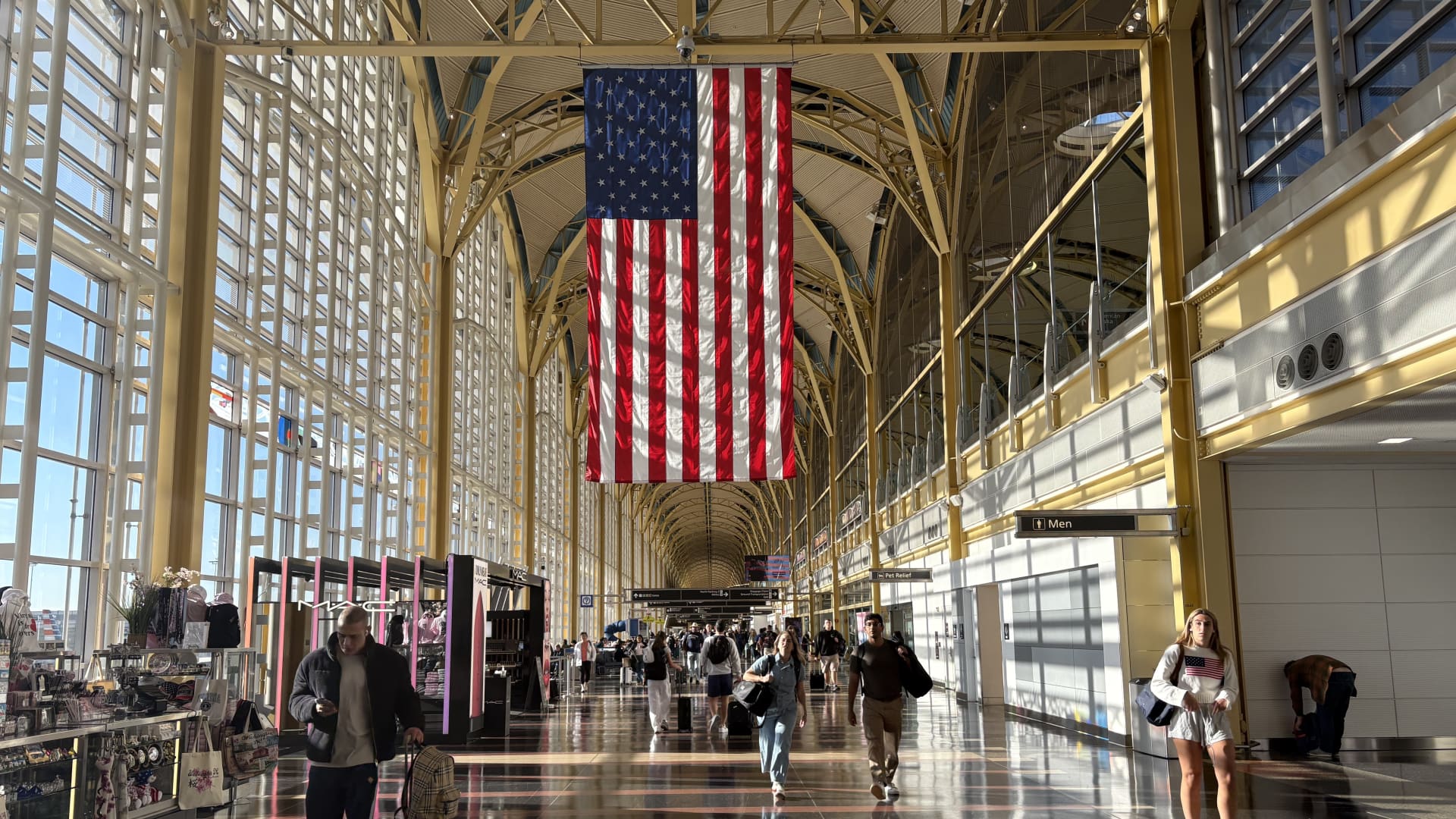
High fuel prices and the unexpected collapse of Spirit Airlines are significantly reshaping the landscape for summer vacation spending this year, challenging consumer budgets and airline operational strategies. This confluence of factors demands a closer look at how resilient travel demand will absorb escalating costs and market shifts.
🗝️ Corporate Strategy Insights
- Soaring Fuel Costs. Jet fuel prices have doubled, and gasoline is projected to reach $5/gallon, making travel significantly more expensive for both air and road travelers.
- Spirit Airlines’ Implosion. The failure of the major budget carrier removes a key low-fare option, leading to reduced competition and potentially higher prices across the board for air travel.
- Resilient Consumer Demand. Despite rising costs, major airlines like United and American are forecasting robust summer travel volumes, indicating a strong underlying desire for leisure travel.
Navigating Turbulent Skies: Fuel & Fares
The travel industry is navigating a turbulent period marked by sharp increases in fuel expenses and a significant market consolidation. Following a U.S. and Israel conflict, jet fuel prices saw a dramatic doubling in less than three months, subsequently impacting airline operational costs. This surge, coupled with a forecasted rise in gasoline prices to potentially $5 a gallon by AAA, directly threatens discretionary summer vacation spending for millions. Domestic round-trip airfares averaged $623 in April, the highest in nearly four years, according to the Airlines Reporting Corporation, demonstrating carriers’ increasing tendency to pass these elevated costs to consumers.
Airlines, facing their second-largest expense after labor, are not only raising fares but also adjusting their growth trajectories. Fewer flights on certain routes are reducing seat availability, further pushing prices upward even with robust demand. This environment has proved fatal for some, as seen with Spirit Airlines’ recent shutdown, attributed partly to unmanageable fuel costs. Its collapse marks the largest U.S. airline failure in decades, eliminating a major provider of low-cost travel and prompting rival carriers to swiftly absorb its former customer base. Market observers, as noted in financial news outlets, are closely watching these industry shifts.
Despite these pressures, consumer intent to travel remains remarkably high. UBS noted a slight year-over-year moderation in March leisure travel intentions, yet the overall desire to travel is near its nine-year peak. Major carriers are bullish; United Airlines anticipates carrying 53 million travelers this summer, a 3 million increase from last year, while American Airlines projects a record 75 million customers through early September, surpassing its 2019 peak. These forecasts are bolstered by significant events such as the FIFA World Cup and major concert residencies, which are expected to drive additional demand. Travelers are also exploring strategies to mitigate costs, such as utilizing tools like Google Flights’ ‘Explorer’ and opting for mid-week travel to secure better deals.
- Key Takeaway: The current market environment highlights a critical tension between rising operational costs for carriers and persistent consumer demand for travel experiences. Investors seeking deeper dives into company strategy can find valuable corporate growth insights on StockXpo.
The Strategic Ripple Effect on Market Share
The escalating fuel prices create a direct chain reaction: increased input costs for airlines and ground transport operators translate into higher fares and pump prices. This pressure on consumer wallets then filters into travel decisions, potentially leading to shorter trips, less frequent travel, or shifts to more economical options, though current data suggests a notable resilience in demand for air travel. For airlines, the ripple effect extends to strategic capacity management, with carriers trimming less profitable routes to optimize efficiency and maintain margins. The demise of Spirit Airlines intensifies this effect, as the removal of a significant low-cost competitor reduces pricing pressure across the industry. This allows remaining carriers like American Airlines and United Airlines to potentially maintain higher yield strategies, consolidating market share and reinforcing their pricing power even amidst a challenging cost environment. This consolidation, while benefiting individual carriers, could result in fewer affordable options for price-sensitive consumers, shifting the competitive landscape, as discussed in various stock markets analyses.
The strategic imperative for airlines now is a delicate balance: maximizing robust demand through effective pricing while rigorously managing volatile fuel costs and optimizing operational efficiency in a less competitive market.
Key Travel Industry Indicators
- Domestic Airfare Surge: Averaged $623 for a round trip in April, representing a four-year high and reflecting increased operational costs being passed to consumers.
- Lagging Road Trip Growth: AAA forecasts a mere 0.1% increase in Memorial Day road travelers, the lowest growth in a decade, indicating significant consumer price sensitivity to rising gasoline costs.
- Resilient Air Travel Intentions: Despite a slight dip, UBS reports leisure travel intentions are near a nine-year high, underpinning airlines’ optimistic summer forecasts.
American Airlines’ Strategic Maneuvers
American Airlines, like its major counterparts, is adapting its strategy to the current high-cost environment. Its forecast of 75 million customers through early September, surpassing 2019 levels, underscores a confidence in its network and loyal customer base. The carrier is strategically optimizing its route network, potentially absorbing routes left open by Spirit’s collapse, to capture a larger share of the market while managing increased fuel expenditures. This involves a focus on higher-yield international routes and leveraging its hub infrastructure to ensure operational efficiency. The ability to maintain strong booking trends despite rising fares suggests a durable brand preference and effective revenue management.
Airline Industry Competitive Advantages
In a volatile market, competitive advantages for airlines increasingly hinge on scale, network breadth, and operational agility. Larger carriers like United and American benefit from diversified revenue streams, extensive global networks that can absorb shocks in regional markets, and strong loyalty programs that lock in high-value customers. Their ability to negotiate better fuel hedging contracts and leverage larger maintenance facilities also provides an edge. Furthermore, the capacity to quickly adapt schedules and reallocate aircraft to more profitable routes is crucial for maintaining market leadership and mitigating the impact of external pressures such as geopolitical events affecting fuel supplies, a point often highlighted in industry reports.
Summer Vacation Spending’s New Landscape: What Lies Ahead for Travelers?
The evolving dynamics of high fuel prices and a consolidated airline market present a complex outlook for summer vacation spending. While consumer desire to travel remains robust, the cost of fulfilling that desire has undeniably escalated, forcing both travelers and airlines to adjust strategies. The industry’s ability to balance demand with sustainable pricing will dictate profitability.
- Fares will likely remain elevated as airlines continue to absorb and pass on higher fuel costs.
- Fewer budget options mean travelers may need to be more flexible with dates and destinations to find deals.
- Legacy carriers stand to benefit from reduced competition, potentially consolidating market share and enhancing pricing power.
Will consumers ultimately moderate their travel plans if prices continue their upward trajectory, or will the underlying demand prove impervious to these economic headwinds?
📊 StockXpo Analyst’s View
Market Impact: The persistent strength in travel demand, despite significant cost pressures, indicates a broader resilience in consumer discretionary spending, particularly for experiences over goods. This bodes well for airlines and hospitality but signals potential inflation stickiness. For further educational insights, explore StockXpo’s blog.
Sector To Watch: While airlines navigate fuel costs, the travel technology sector (online travel agencies, booking platforms) could see increased usage as consumers diligently search for value, potentially benefiting companies adept at price comparison and dynamic packaging.
Financial Disclaimer:
StockXpo.com is a financial news aggregator and educational portal, not a registered investment advisor or broker-dealer. All information, news, and analysis provided herein are strictly for educational purposes and do not constitute investment, financial, legal, or tax advice. Investing in the stock market involves high risks, and past performance is not indicative of future results. StockXpo will not be liable for any financial losses or investment damages. Always consult a certified financial advisor before making market decisions.
MORE IN INSIDE BUSINESS

UnitedHealth Group’s Q3 Success: Strategic Plays Propel Profit Outlook
Published: Tuesday, October 13, 2026 · 6:55 AM
Delta Delays: Safety Concerns Push Saudi Arabia Service Launch to March
Published: Monday, October 12, 2026 · 10:44 AM