Published: Friday, May 22, 2026 · 2:28 PM | Updated: Monday, May 25, 2026 · 8:55 AM
📊 326 views




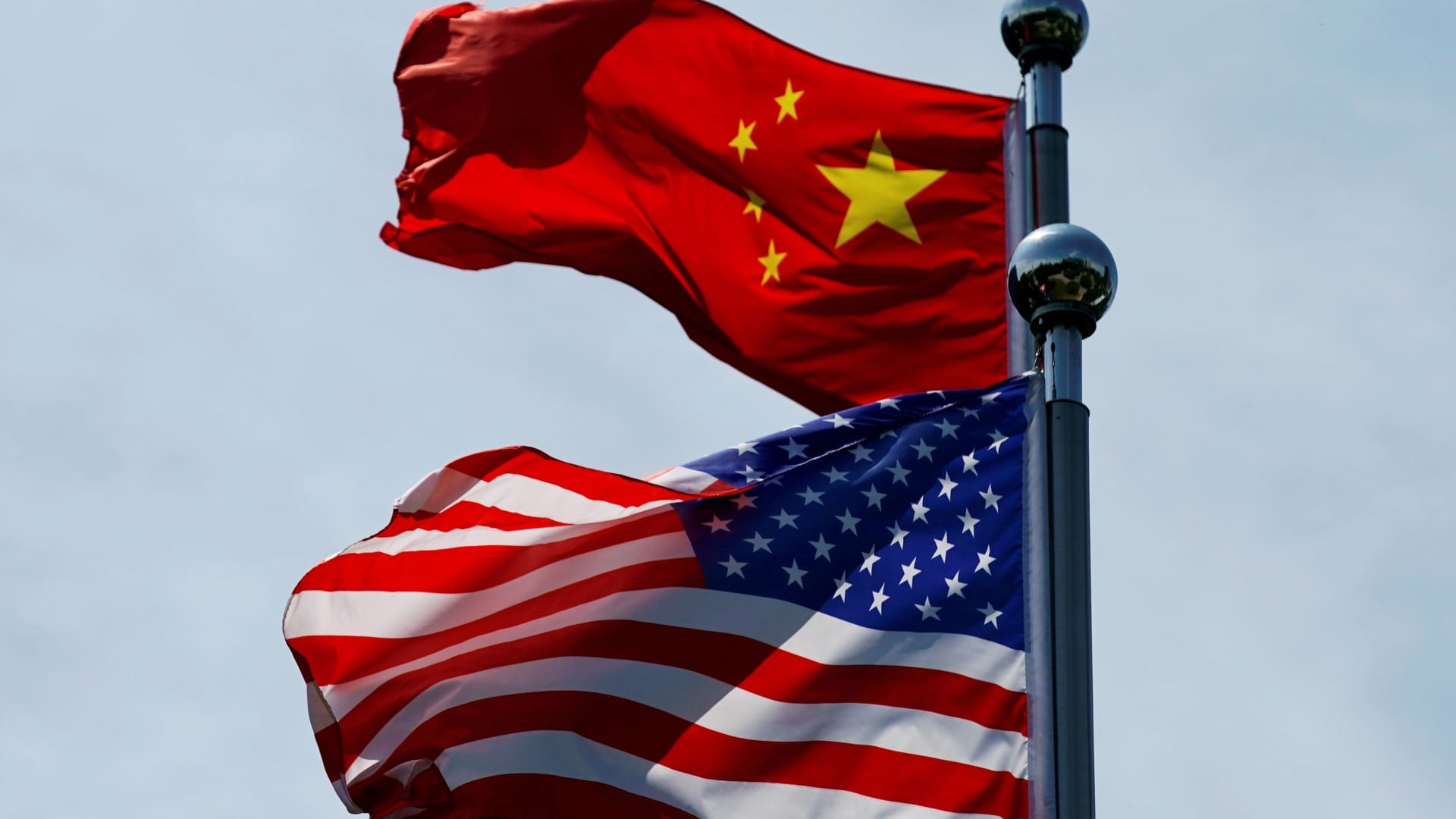
The United States is intensifying its efforts to embed American artificial intelligence technologies across China and broader Asia, strategically positioning its offerings against rapidly developing local alternatives. This push, highlighted by senior State Department officials, follows recent high-level engagements including a Trump-Xi meeting, signaling a complex interplay of competition and cooperation in the global tech race.
💰 Financial Strategy & Market Insights
- Geopolitical Tech Battleground. The U.S. is actively promoting its AI solutions in Asia, directly competing with often cheaper Chinese alternatives, creating a dynamic market for investors.
- Regulatory Headwinds & Opportunities. Despite U.S. chip restrictions on China and Beijing’s bans on certain American platforms, a renewed dialogue on safe AI development opens specific market niches.
- Investment in Dual-Use Technologies. Focus on AI applications in food traceability, genome sequencing, and biotech indicates strategic areas with potential for significant growth and regulatory scrutiny.
Following a recent meeting between U.S. President Donald Trump and President Xi, American officials are actively working to expand the market access for U.S. tech companies in China and across Asia. Casey K. Mace, a senior official for APEC and economic policy, affirmed this commitment, noting robust engagement at events like the APEC trade ministers’ meeting in Suzhou and an upcoming ‘digital week’ in Chengdu, hosted by China but designed for engagement with all 21 APEC economies.
This concerted effort by the U.S. to ensure its technology prevails comes amidst heightened tensions and protective measures from both sides. Beijing has already restricted access to platforms like Google and Facebook, while Washington has curbed Chinese access to advanced U.S. chips. Yet, a softening of diplomatic tone, partly attributed to the recent Trump-Xi summit, has paved the way for discussions on the safe development of artificial intelligence, as confirmed by China’s foreign ministry.
Working-level conversations during recent Asia Pacific Economic Cooperation meetings have specifically highlighted the promotion of U.S. AI in critical sectors such as food traceability, genome sequencing, and biotechnology. This strategic focus underscores the dual-use nature of AI, presenting both significant economic opportunities and potential areas for regulatory coordination, particularly concerning sensitive applications like DNA synthesis services to prevent future pandemics. Ryan Fedasiuk, a fellow at the American Enterprise Institute, emphasized the strategic imperative for the Trump administration to advocate for global distribution of American compute, even as it contends with the aggressive expansion of Chinese hyperscalers and AI labs.
- The push for U.S. AI solutions is a direct response to China’s efforts to build indigenous, often more cost-effective, technological alternatives.
Investment Risks and Rewards in the U.S.-China AI Dynamic
Understanding the nuanced landscape of U.S. AI expansion in Asia requires a careful assessment of both potential upsides and inherent downside risks for investors.
- Upside:
- Market Expansion: Increased access for U.S. tech firms to vast Asian markets can significantly boost revenue and growth prospects.
- Innovation Leadership: A strong U.S. presence reinforces American innovation leadership, driving further R&D and intellectual property gains.
- Regulatory Certainty: Dialogue on ‘safe AI development’ could lead to clearer international standards, reducing long-term operational risks.
- Downside Risks:
- Geopolitical Volatility: Ongoing trade and tech disputes could escalate, leading to sudden market access restrictions or supply chain disruptions.
- Intense Competition: Chinese domestic AI providers, often backed by state support, offer formidable competition, potentially eroding market share and margins for U.S. firms.
- Intellectual Property Theft: Operating in competitive markets like China carries inherent risks of IP infringement and forced technology transfer.
What is ‘Hyperscaler’? A hyperscaler refers to a company offering extensive, scalable cloud computing services, such as Amazon Web Services (AWS), Google Cloud, and Microsoft Azure. In the context of AI, Chinese hyperscalers like Alibaba Cloud or Tencent Cloud are rapidly building their own AI infrastructure, posing significant competition to U.S. counterparts.
Instead of a data table, we will highlight key market dynamics through a bulleted analysis:
- Semiconductor Sector Performance: U.S. restrictions on advanced chips continue to impact Chinese tech firms, while also creating opportunities for U.S. chipmakers in other Asian markets, influencing broader market analysis.
- Biotech & AI Synergies: The focus on genome sequencing and biotech AI applications could drive significant investment into companies operating at the intersection of these two fields.
- Digital Infrastructure Spending: Asian economies’ continued push for digital transformation, including initiatives like APEC’s ‘digital week,’ suggests sustained demand for AI-driven cloud services and related hardware, impacting trends in the financial sector.
AI Technology Investment Liquidity: Shifting Capital Flows
The intensified competition and strategic engagement surrounding U.S. AI in Asia are profoundly influencing capital flows and investment liquidity across the tech sector. Investors are re-evaluating risk premiums for companies with significant exposure to either U.S. or Chinese AI ecosystems. The push for American technology aims to create new avenues for liquidity, drawing capital into U.S.-aligned ventures, particularly those focused on enterprise AI solutions and critical infrastructure. Conversely, Chinese entities, facing restrictions, are channeling significant domestic capital into developing self-sufficient AI supply chains, leading to bifurcated investment landscapes. This dynamic requires close monitoring of geopolitical developments, as policy shifts can rapidly alter investment appeal and asset valuations in either market, as observed in global market reports.
Asian Markets Sentiment Tracker: Geopolitical Influences on Tech
Market sentiment across Asia regarding AI technology is currently a complex mix of optimism for innovation and caution due to geopolitical friction. While the prospect of advanced AI integration promises economic benefits, particularly in sectors like manufacturing and healthcare, the ongoing rivalry between the U.S. and China introduces a significant layer of uncertainty. Positive diplomatic signals, such as the Trump-Xi meeting and discussions on AI safety, can temporarily boost confidence, leading to increased foreign direct investment and partnership interest. However, any perceived escalation in tech decoupling or trade disputes quickly translates into investor hesitancy, impacting valuations and project timelines. This creates a volatile environment where sentiment swings can be pronounced, demanding agility from market participants seeking the latest business intelligence.
U.S. AI’s Geopolitical Chessboard: Investment Outlook
The current U.S. strategy for promoting U.S. AI in Asia represents a critical juncture in global technology leadership, balancing competitive advancement with diplomatic engagement. For investors, understanding this evolving geopolitical chessboard is paramount to navigating opportunities and risks in the high-growth AI sector.
- The renewed dialogue between the U.S. and China on AI presents a narrow window for collaboration, potentially de-risking certain cross-border tech investments.
- Companies specializing in AI applications for food security, health tech, and industrial automation are poised for significant growth, driven by both U.S. promotion and broader regional demand.
- The dual narrative of competition and cooperation requires investors to scrutinize supply chain resilience and regulatory exposure for any tech company operating in this domain.
How will this strategic push for American AI reshape the competitive landscape and investment appeal of Asian tech markets in the coming years?
📊 StockXpo Analyst’s View
Market Impact: This aggressive U.S. AI promotion will likely increase investor confidence in American tech giants seeking international expansion, potentially boosting their valuations. Conversely, Chinese tech firms might face ongoing challenges in securing advanced components, pushing them towards accelerated domestic innovation and potentially creating niche opportunities for local players. Overall market liquidity in the broader tech sector could become more bifurcated, with clearer lines drawn between U.S.-aligned and China-aligned investments.
Sector To Watch: The semiconductor and biotechnology sectors are critical. U.S. chipmakers could see demand from Asian markets outside mainland China, while biotech firms leveraging AI for applications like genome sequencing will be prime beneficiaries of this strategic U.S. focus. Investors should also monitor cybersecurity and data management solutions, as trust and data governance become increasingly central to international AI deployment.
Financial Disclaimer:
StockXpo.com is a financial news aggregator and educational portal, not a registered investment advisor or broker-dealer. All information, news, and analysis provided herein are strictly for educational purposes and do not constitute investment, financial, legal, or tax advice. Investing in the stock market involves high risks, and past performance is not indicative of future results. StockXpo will not be liable for any financial losses or investment damages. Always consult a certified financial advisor before making market decisions.
MORE IN INSIDE FINANCE

AI Stock Boom Fuels $67 Billion Equities Growth for Wall Street Giants
Published: Wednesday, October 21, 2026 · 11:03 AM

New Risks Emerge: Global Finance Chiefs Highlight Debt, AI, and Geopolitical Volatility
Published: Tuesday, October 20, 2026 · 2:12 AM