Published: Thursday, May 21, 2026 · 7:04 PM | Updated: Thursday, May 21, 2026 · 7:04 PM
📊 290 views




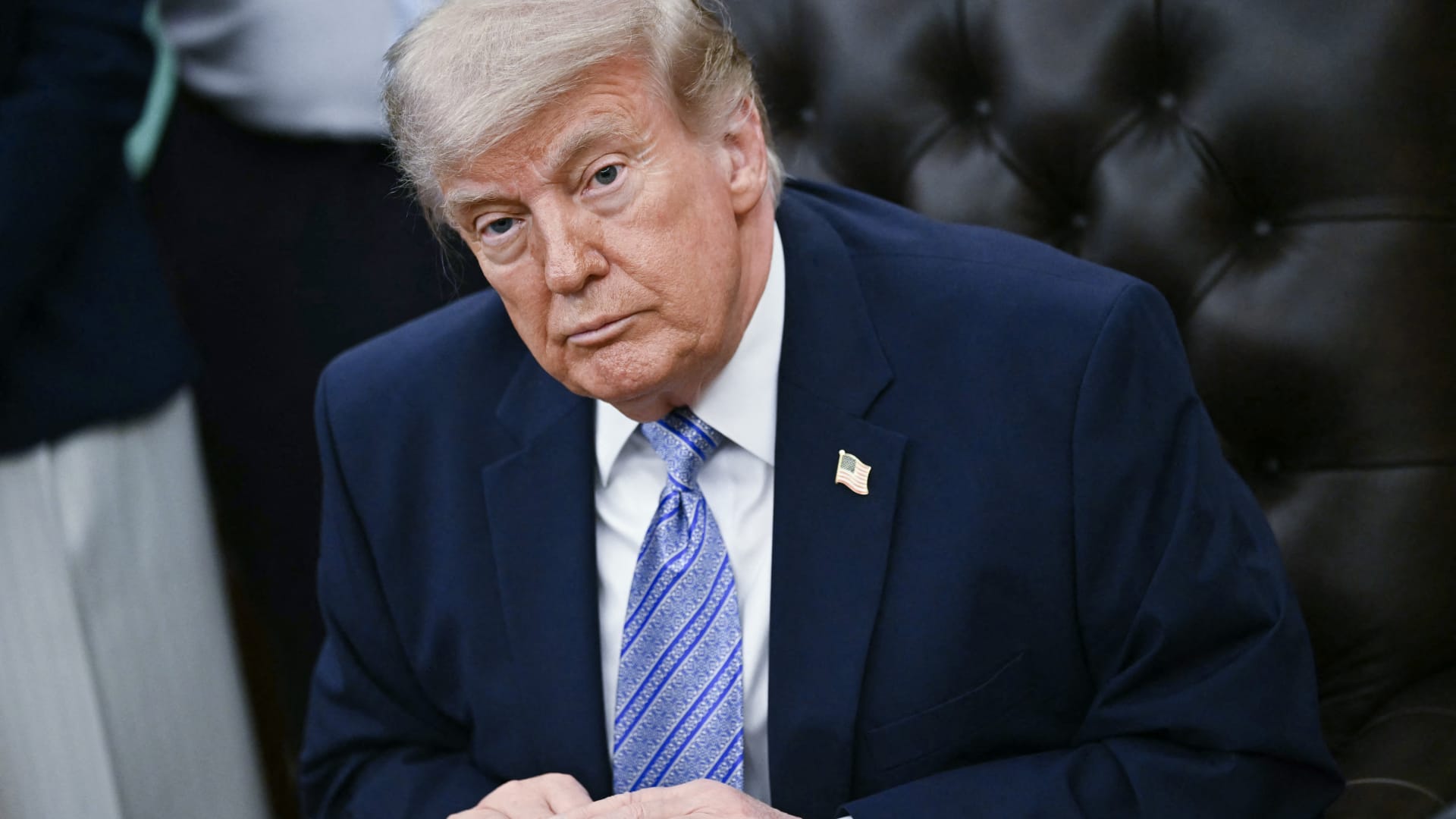
President Donald Trump announced a last-minute delay to a highly anticipated AI executive order signing ceremony, expressing reservations about provisions that could potentially hinder the nation’s technological advancement. The decision injects an element of uncertainty into the administration’s approach to regulating the burgeoning artificial intelligence sector.
🚀 Tech Strategy & Market Disruptions
- Regulatory Uncertainty. The postponement of the AI executive order creates a period of uncertainty for AI development and investment, as companies await clear federal guidelines.
- Competitive Advantage Focus. The President’s concern about not impeding the U.S. lead in AI suggests a strategic priority on fostering innovation, potentially prioritizing growth over immediate, stringent oversight.
- Industry Collaboration Precedent. Previous actions, including agreements with major tech firms for AI model evaluation, indicate a willingness to collaborate with industry, but the postponed order hints at internal debate over the extent of government pre-evaluation.
The U.S. President stated that the delay was due to ‘certain aspects’ of the order that he ‘didn’t like,’ emphasizing his commitment to maintaining America’s leading position in the global AI landscape. He articulated a concern that the proposed executive order ‘could have been a blocker’ to the industry’s progress, noting that artificial intelligence is ‘causing tremendous good.’ This sentiment suggests a delicate balancing act between encouraging innovation and addressing potential risks.
The New York Times reported that the executive order would have empowered the U.S. government to conduct pre-evaluations of AI models to identify security vulnerabilities. This move, coupled with the recent establishment of the federal Center for AI Standards and Innovation and its agreements with tech giants like Google DeepMind and Microsoft for AI model evaluation, signals a nuanced approach to AI governance that seeks input from the private sector.
The AI industry, fueled by substantial investments from major technology companies, has been a significant driver of market growth. This rapid expansion has contributed to new stock market highs, even amidst broader global economic turmoil driven by geopolitical events. The administration’s prior actions, such as supporting preemptive federal AI regulations over state-level rules, have generally been viewed favorably by industry leaders, underscoring a trend towards a more centralized, albeit evolving, regulatory framework for AI.
Why This AI Executive Order Delay Matters
The postponement of this pivotal emerging technologies policy is a critical development for the AI sector. It highlights the complex debate surrounding how to best regulate a rapidly advancing technology without stifling its potential. The administration’s emphasis on retaining a competitive edge against nations like China underscores the geopolitical implications of AI development and governance. This move could signal a more cautious, industry-aligned approach to AI regulation in the immediate future.
AI’s Evolving Regulatory Landscape
The administration has previously taken steps to foster AI development, including advocating for federal preemption of state AI regulations. However, the recent announcements from the Center for AI Standards and Innovation, involving agreements with prominent tech companies to evaluate AI models before public release, indicate a growing recognition of the need for oversight. This indicates a dynamic and often iterative process in shaping AI policy, influenced by both industry input and national security considerations.
The decision to postpone the AI executive order underscores the inherent tension between fostering rapid innovation in a critical technology and establishing robust oversight mechanisms. For technology leaders, navigating this evolving regulatory environment requires agility and a deep understanding of potential policy shifts.
The market impact of such regulatory delays can be significant. While outright bans or overly restrictive measures could dampen investment, the current situation suggests a period of watchful waiting rather than immediate disruption. Companies are likely to continue investing in AI research and development, but may temper long-term strategic decisions until clearer federal guidance emerges. The overall technological market trends are still pointing towards AI as a dominant force.
The Future of AI Governance in the U.S.
The administration’s approach appears to be leaning towards a collaborative model, seeking to balance innovation with necessary safeguards. The postponement of the AI executive order suggests that the path forward may involve further dialogue and refinement of proposals to ensure they align with national strategic objectives. This iterative process is common in the fast-paced world of technology and innovation.
AI Oversight Mechanisms Under Review
The federal Center for AI Standards and Innovation’s proactive engagement with leading AI developers marks a significant step towards industry-specific regulatory frameworks. The administration’s goal seems to be establishing a system that allows for continuous evaluation and adaptation as AI capabilities advance. This approach to AI policy reflects a growing understanding of its pervasive impact across various sectors and the need for a flexible regulatory structure.
Evaluating the AI Executive Order’s Potential Impact
The primary concern voiced by President Trump was that the executive order could impede U.S. leadership in AI. This suggests that any revised version of the order will likely focus on fostering innovation and competitiveness, while still addressing critical areas such as national security and ethical considerations. Understanding these nuances is crucial for anyone following technology market trends.
📊 StockXpo Analyst’s View
Market Impact: The postponement of the AI executive order introduces short-term uncertainty, potentially leading to a cautious sentiment among investors focused on AI stocks. However, it also signals a focus on growth, which could benefit companies with strong innovation pipelines.
Sector To Watch: Companies heavily involved in AI infrastructure, cloud computing, and advanced AI model development will be closely monitored for their ability to adapt to potential regulatory shifts and capitalize on continued market demand for AI solutions.
Financial Disclaimer:
StockXpo.com is a financial news aggregator and educational portal, not a registered investment advisor or broker-dealer. All information, news, and analysis provided herein are strictly for educational purposes and do not constitute investment, financial, legal, or tax advice. Investing in the stock market involves high risks, and past performance is not indicative of future results. StockXpo will not be liable for any financial losses or investment damages. Always consult a certified financial advisor before making market decisions.
MORE IN INSIDE TECHNOLOGY

AI Legal Tech: Revolutionizing Billing and Training in Law with Innovation
Published: Saturday, October 10, 2026 · 2:58 AM

Starlink India: Regulatory Hurdles and Innovation-Driven Growth Risks
Published: Friday, October 9, 2026 · 12:48 AM