Published: Wednesday, May 20, 2026 · 4:36 AM | Updated: Wednesday, May 20, 2026 · 4:36 AM
📊 250 views




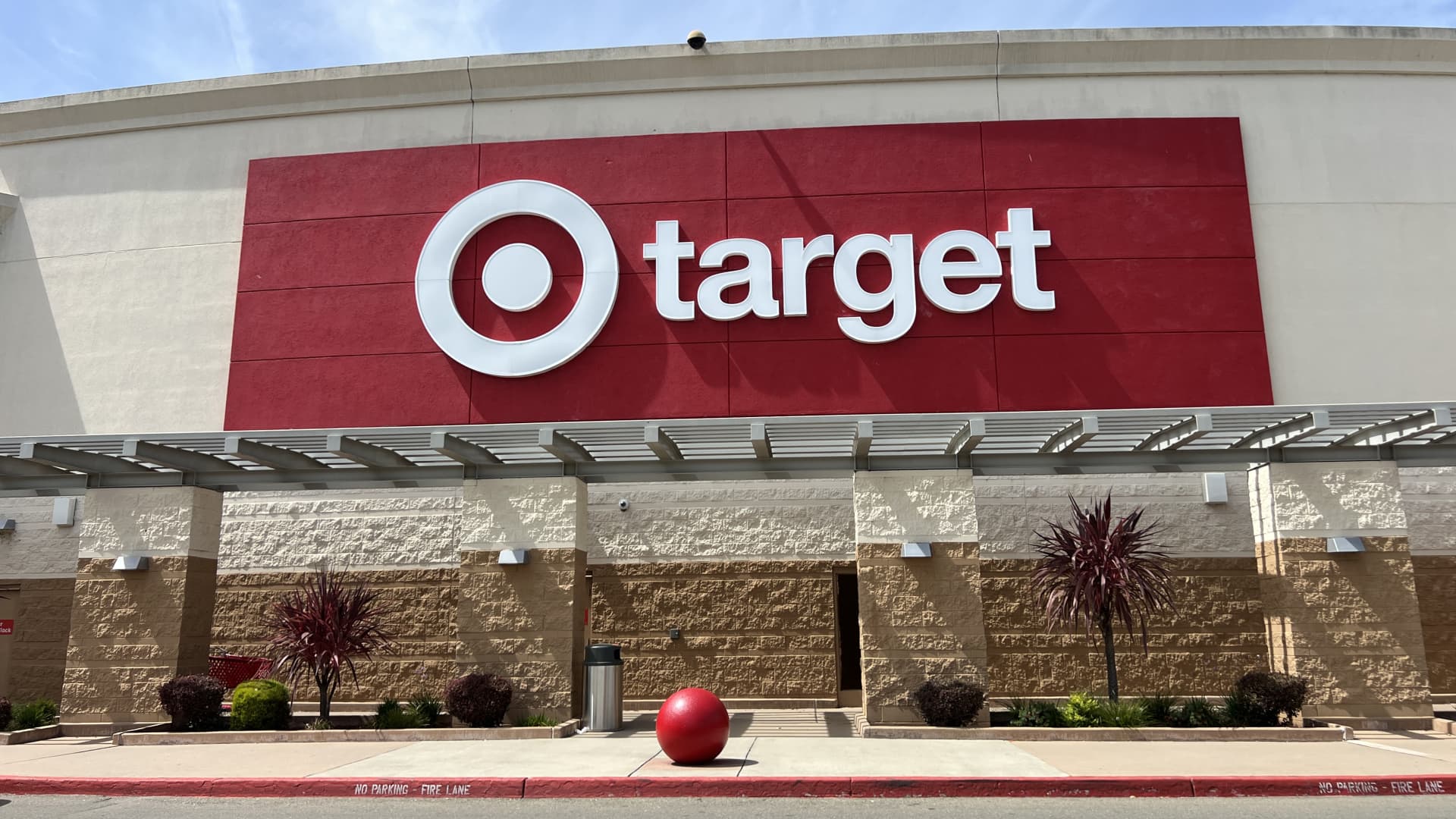
Target Corporation (TGT) is poised to release its fiscal first-quarter earnings, an event keenly watched by investors seeking a fresh read on the evolving consumer landscape. The report comes as CEO Michael Fiddelke continues to steer the retail giant through a critical turnaround phase, aiming to reverse persistent sales slumps and rekindle brand loyalty. This highly anticipated Target earnings call will offer crucial insights into the effectiveness of strategic investments against a backdrop of macroeconomic uncertainty and a more selective consumer base.
💎 Strategic Investment & Portfolio Insights
- Consumer Health Barometer. Target’s results will provide a bellwether for discretionary spending, offering critical clues for sector allocation amidst inflation and high gas prices.
- Turnaround Momentum. Investors are evaluating the efficacy of Target’s increased capital expenditures and new supply chain leadership in driving sustainable sales growth and operational efficiency.
- Valuation Re-assessment. Despite a multi-year sales plateau, the stock’s recent rebound prompts a re-evaluation of its intrinsic value and long-term potential for alpha generation, especially if turnaround efforts gain traction.
For several quarters, Target has grappled with declining revenue and customer traffic, presenting a significant challenge to its market perception and long-term trajectory. The forthcoming fiscal first-quarter report is expected to shed light on whether recent strategic shifts are beginning to yield tangible results. Analysts surveyed by LSEG anticipate earnings per share (EPS) of $1.46 and revenue around $24.64 billion. Last quarter, the company projected a modest 2% rise in net sales for the fiscal year, with expectations for revenue growth across all quarters—a critical benchmark for the current leadership.
CEO Michael Fiddelke, who took the helm earlier this year, recently expressed confidence in an upward trend, citing strong February sales as an early indicator. This sentiment is bolstered by strategic operational enhancements, including the recent appointment of former Walmart executive Jeff England as chief supply chain officer. This move underscores Target’s commitment to optimizing its logistics and distribution networks, a crucial step in revitalizing its competitive edge and improving customer experience. Such operational improvements are vital for any retail giant looking to thrive in an increasingly complex supply chain environment, a factor often considered in broader market analysis.
Despite its stock declining over 40% in the last five years, TGT shares have shown a notable recovery, gaining approximately 30% year-to-date. This rebound suggests that some investors are betting on the success of the turnaround plan. Chief Financial Officer Jim Lee announced in March an aggressive capital expenditure plan, earmarking about $5 billion for the year—a substantial increase of over $1 billion from the previous fiscal year. These investments are primarily directed toward strengthening the supply chain and enhancing the in-store experience, areas identified as critical for reversing the multi-year sales stagnation. For portfolio managers, these investments represent a commitment to future growth, albeit with near-term cost implications.
- The company’s ability to demonstrate consistent sequential revenue growth will be a key determinant of investor confidence.
- Success in improving customer traffic, which has been a recurring challenge, is paramount.
- Operational efficiency gains from new supply chain leadership could significantly boost margins.
- The overall consumer response to Target’s refreshed strategy will directly influence sales velocity.
The ongoing transformation at Target, if successful, could trigger a significant revaluation of its equity, shifting its perception from a struggling retailer to a resilient income and growth play. A positive Target earnings report, especially one demonstrating progress in sales and customer engagement, could lead to an asset revaluation across the broader retail sector, particularly for consumer discretionary stocks. For income-focused portfolios, renewed confidence in Target’s stability and dividend potential would reinforce its position, while growth-oriented strategies might reallocate capital if the turnaround accelerates. Conversely, continued sales weakness or missed guidance could prompt a portfolio rebalancing away from cyclical retail exposures, favoring more defensive sectors or companies with stronger organic growth trajectories.
“The true test for Target lies not just in beating quarterly estimates, but in demonstrating a sustained, structural shift in consumer engagement and supply chain efficiency. Long-term capital preservation and alpha generation hinge on Fiddelke’s team delivering on their aggressive investment plan and proving their ability to capture the selective consumer’s wallet share amidst stiff competition.”
While a detailed table isn’t warranted for just two projections, understanding the anticipated figures provides a snapshot of market expectations.
- Expected Earnings Per Share (EPS): $1.46 – This metric is crucial as it reflects Target’s profitability on a per-share basis and is a primary driver of stock valuation. Surpassing or falling short of this consensus can significantly impact investor sentiment.
- Expected Revenue: $24.64 billion – Revenue indicates the company’s top-line sales performance. For Target, a retailer facing a multi-quarter sales slump, meeting or exceeding this figure would signal that turnaround efforts are gaining traction and that consumer spending patterns might be improving.
Target Risk-Reward Matrix: Navigating Volatility
For investors considering Target, the risk-reward profile is currently multifaceted. The downside risk is primarily tied to the execution of the turnaround plan; failure to reignite sales growth or improve customer traffic could lead to further erosion of market share and continued stock underperformance. Macroeconomic headwinds, such as persistent inflation or a slowdown in consumer spending due to high interest rates, also pose significant risks to the retail sector. However, the potential upside stems from the successful implementation of the supply chain overhaul and store investments, which could lead to improved operational efficiency, higher margins, and a rekindling of brand loyalty. A sustained return to mid-single-digit sales growth, coupled with effective cost management, could propel the stock significantly higher, justifying the recent capital commitments and offering substantial portfolio growth potential.
Target Competitive Benchmarking: A Shifting Retail Landscape
Target operates in a highly competitive retail environment, vying for consumer dollars against giants like Walmart, Amazon, and dollar-store chains. Its differentiation strategy, which has historically blended affordability with a curated, trend-focused assortment, faces pressure from all sides. Walmart (WMT) continues to dominate in value and grocery, while Amazon excels in e-commerce convenience. Target’s recent moves, including increased investment in its supply chain and the appointment of a former Walmart executive, signal a direct intent to enhance its operational backbone and compete more effectively on efficiency and availability. Success in these areas will be critical for Target to reclaim market share and maintain its unique position against both traditional brick-and-mortar rivals and rapidly evolving online platforms. Broader insights into the sector can be found in publications like Reuters business news.
Target’s Path to Reinvigorated Growth: What Q1 Reveals
The upcoming Target earnings report is more than just a quarterly update; it’s a litmus test for the company’s ambitious turnaround strategy and a bellwether for the broader consumer economy. Investors will be scrutinizing every line item for signs of sustained growth, operational efficiency, and a strengthened consumer connection. The market’s reaction will hinge on the balance between strategic investment costs and tangible improvements in sales and profitability, shaping TGT’s trajectory through 2026 and beyond.
- Sales Momentum: Look for positive trends in comparable sales and customer traffic, key indicators of turnaround traction.
- Operational Efficiency: Evaluate margin performance and any commentary on supply chain improvements or cost management.
- Consumer Outlook: The report will provide valuable signals on the health and selectivity of the American consumer, impacting outlooks for other retail players.
Can Target successfully navigate its transformation and re-establish itself as a compelling alpha generator in the challenging retail sector?
📊 StockXpo Analyst’s View
Market Impact: Target’s earnings report will significantly influence sentiment across the retail sector. A stronger-than-expected performance could inject optimism into consumer discretionary stocks, signaling resilience in spending despite macroeconomic pressures. Conversely, any sustained weakness might trigger broader selling, as investors scale back expectations for the consumer economy. Market liquidity could tighten for companies reliant on discretionary spending if TGT’s outlook proves cautious.
Sector To Watch: Beyond direct retail competitors, the supply chain and logistics sector merits close attention. Target’s increased capex and new supply chain leadership indicate a strategic focus on efficiency. Companies specializing in retail logistics technology, automation, or last-mile delivery could see increased interest, as retailers like Target seek to optimize operations to win over selective consumers. This focus on operational excellence could also signal headwinds for smaller, less efficient retail players. For comprehensive financial perspectives, explore Bloomberg markets coverage.
Financial Disclaimer:
StockXpo.com is a financial news aggregator and educational portal, not a registered investment advisor or broker-dealer. All information, news, and analysis provided herein are strictly for educational purposes and do not constitute investment, financial, legal, or tax advice. Investing in the stock market involves high risks, and past performance is not indicative of future results. StockXpo will not be liable for any financial losses or investment damages. Always consult a certified financial advisor before making market decisions.
MORE IN INSIDE INVESTMENT NEWS

HSBC Share Buyback: Bullish Capital Move Amid Strong Q3 Performance
Published: Tuesday, October 27, 2026 · 12:59 AM

AI Funding Fears Rattle Wall Street: Adjusting for Alpha and Preservation
Published: Saturday, October 24, 2026 · 12:28 PM