Published: Wednesday, May 20, 2026 · 1:18 PM | Updated: Wednesday, May 20, 2026 · 1:18 PM
📊 266 views




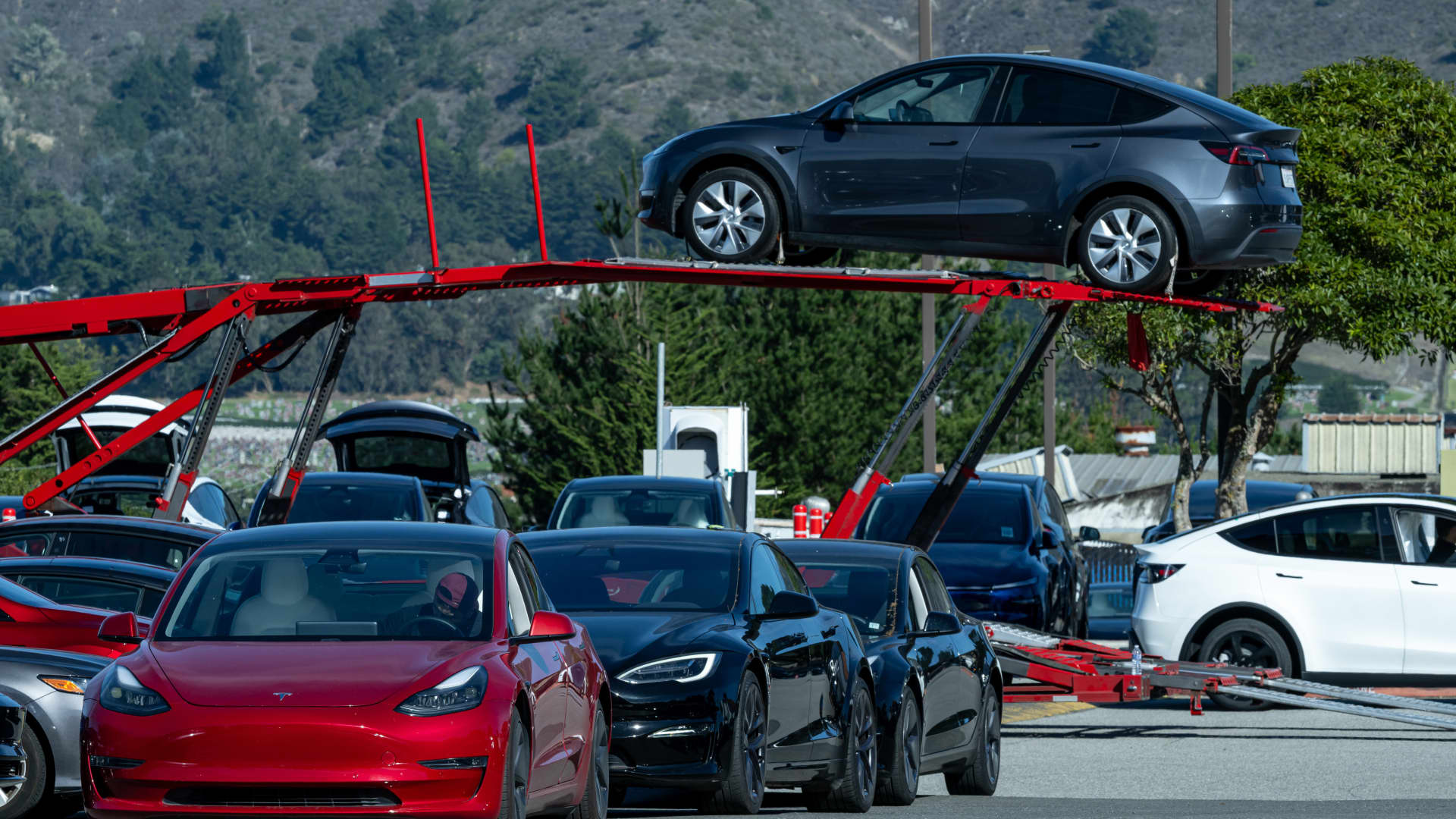
The electric vehicle market is witnessing a notable acceleration in adoption, driven by a complex interplay of consumer sentiment and economic factors. This **EV Shift**, marked by increasing trade-ins of gasoline-powered cars for EVs, signals evolving consumer priorities and presents both opportunities and challenges for the automotive industry.
🗝️ Corporate Strategy Insights
- Accelerated Trade-Ins. The percentage of buyers trading gas cars for new EVs surged from 67.1% in January to 72.1% in April, indicating a direct consumer migration away from internal combustion engines.
- Rising EV Loyalty. EV loyalty numbers are climbing, with 35.4% of buyers trading an old EV for a new one and 44.5% for a used one by April, reflecting growing satisfaction and repeat purchases in the electric vehicle segment.
- Incentive-Independent Growth. Despite the loss of federal and some state incentives, interest in EVs continues to grow, suggesting underlying market forces like fuel prices are now stronger drivers than direct subsidies.
The current **EV Shift** dynamics are more intricate than previous spikes in alternative fuel vehicle interest. While rising fuel prices, up roughly 44% year-over-year according to AAA, are a significant motivator, the decision to switch is not impulsive for most buyers. The average transaction price for an EV hovers around $50,000, presenting a substantial financial commitment, especially with high interest rates.
Edmunds Senior Director of Insights Ivan Drury notes that a sustained period of elevated gas prices, perhaps three to six months, would provide a clearer indication of whether consumers are truly ‘pinched enough’ to commit to a new EV purchase. Unlike the extreme shifts seen around 2008, where consumers drastically downsized vehicles due to fuel costs, current buyers are already in the market for a new car, as observed by Erin Keating of Cox Automotive.
* Dealers continue to offer attractive incentives like low APR and cash back on EVs, indicating that demand, while growing, hasn’t yet reached a point of overwhelming scarcity. This strategic deployment of incentives helps bridge the gap for hesitant buyers, demonstrating an ongoing effort by manufacturers to stimulate growth and bolster corporate growth in this evolving segment.
The used EV market presents a contrasting yet complementary narrative. A surge in supply, partly from off-lease vehicles that qualified for federal tax credits, combined with the steepest depreciation curves among vehicle segments, makes used EVs considerably more accessible. This affordability factor is attracting a new demographic of buyers who are keen on the technology but sensitive to price points.
The Strategic Ripple Effect of EV Adoption
The accelerating **EV Shift** triggers a multi-faceted strategic ripple effect across the automotive ecosystem. For established automakers, this necessitates an even more aggressive acceleration of electrification strategies, demanding significant R&D investments in battery technology, charging infrastructure partnerships, and advanced manufacturing processes. Companies that can quickly scale efficient EV production and diversify their offerings to include more affordable models stand to gain significant market share.
Competitors lagging in EV development or those overly reliant on traditional ICE vehicles face substantial risks, including declining sales and a reduced ability to compete on future technology. The competitive landscape is also intensified by the global market, particularly the presence of Chinese EV manufacturers offering lower-cost alternatives, which, if introduced to Western markets, could further disrupt pricing and consumer expectations. This competitive pressure could force a re-evaluation of business models and supply chain resilience.
‘It’s still a bit too early to tell if this is a strong, lasting shift,’ stated Edmunds Senior Director of Insights Ivan Drury, highlighting the need for sustained trends over several months to confirm a fundamental shift in buyer behavior.
Key indicators underscore the evolving market dynamics:
- Trade-in Rate (Gas to New EV): Increased from 67.1% in January to 72.1% in April. This metric is crucial as it signifies a direct migration away from gasoline vehicles, demonstrating a tangible shift in consumer preference.
- EV Loyalty (New for New): Rose from 26.2% in January to 35.4% in April. Growing loyalty indicates increasing satisfaction and confidence among existing EV owners, fostering repeat purchases.
- Average EV Transaction Price: Approximately $49,275. While a barrier, this figure highlights the need for continued innovation in manufacturing efficiency to bring prices down and expand market reach.
- National Average Gas Price: Up approximately 44% year-over-year. This serves as a significant external catalyst, making the operating costs of EVs more attractive and directly influencing purchase decisions.
Electric Vehicle Industry Benchmarking
The current **EV Shift** in the U.S. offers an interesting benchmark against global markets. In European countries, EV adoption rates are often higher, driven by significantly elevated gas prices and a broader, more affordable selection of electric vehicles, many of which originate from Chinese manufacturers. If more economical Chinese EVs were to enter the North American market, it could dramatically reshape consumer uptake and intensify competition, forcing domestic automakers to innovate faster on price and features.
Automaker Competitive Advantages
Companies that demonstrate strong competitive advantages in this shifting landscape will likely lead the market. These advantages include robust charging infrastructure partnerships, diverse product portfolios spanning various price points, and strong brand loyalty built on reliability and performance. Furthermore, automakers that effectively address persistent consumer concerns, such as range anxiety and the complexity of charging, through technological advancements and transparent education, will capture a larger share of the expanding EV market. Strategic investments in stock markets and R&D will be pivotal.
The EV Shift’s Trajectory: What’s Next for Automakers?
The accelerating consumer shift towards electric vehicles, fueled by high gas prices, marks a pivotal moment for the automotive industry. However, high transaction costs, interest rates, and persistent infrastructure gaps still pose significant hurdles.
- Sustained high fuel costs could drive broader consumer adoption despite high interest rates, pushing more fence-sitters towards EVs.
- The used EV market, buoyed by depreciating assets and off-lease vehicles, is crucial for wider accessibility and democratizing EV ownership.
- Automakers must balance incentives with overcoming range anxiety and infrastructure deficits to convert interest into enduring sales and loyalty, a topic frequently explored in educational insights.
Will the current momentum translate into a fundamental restructuring of automotive production and sales strategies in the coming years, or will existing challenges temper this enthusiasm?
### 📊 StockXpo Analyst’s View
Market Impact: The rising **EV Shift** indicates a resilient underlying demand for electric vehicles, even in the face of reduced incentives. This trend suggests a bullish outlook for companies deeply invested in EV technology, battery production, and charging infrastructure, potentially drawing more capital into these growth sectors. However, the nuance of high interest rates and transaction prices also means that the market may favor value-oriented EV models and a robust used EV ecosystem.
Sector To Watch: The automotive manufacturing sector is clearly in focus, but investors should also monitor the energy infrastructure and battery technology industries. Companies innovating in fast-charging solutions, grid integration, and sustainable battery materials are poised for significant gains. The continued struggle to address range anxiety and charging availability highlights the critical need for infrastructure development, making utility companies and specialized tech firms vital players. Insights into these shifts are often found on platforms like Bloomberg Markets.
Financial Disclaimer:
StockXpo.com is a financial news aggregator and educational portal, not a registered investment advisor or broker-dealer. All information, news, and analysis provided herein are strictly for educational purposes and do not constitute investment, financial, legal, or tax advice. Investing in the stock market involves high risks, and past performance is not indicative of future results. StockXpo will not be liable for any financial losses or investment damages. Always consult a certified financial advisor before making market decisions.
MORE IN INSIDE BUSINESS

American Express Workforce Cuts: A Strategic AI Preparation
Published: Friday, October 23, 2026 · 9:50 AM

American Airlines loss forecast: Strategic Capacity Slowdown Expected
Published: Thursday, October 22, 2026 · 8:40 AM