Published: Tuesday, May 19, 2026 · 6:02 AM | Updated: Tuesday, May 19, 2026 · 6:02 AM
📊 301 views




The tech sector’s robust earnings season, largely fueled by the insatiable demand for AI-driven technologies, is now facing an unexpected headwind: the escalating conflict in the Middle East. Companies at the forefront of powering the AI revolution are reporting that geopolitical tensions are beginning to strain their critical supply chains and chip away at profitability, signaling potential turbulence ahead for this high-growth sector.
💎 Strategic Investment & Portfolio Insights
- Geopolitical Risk Premium: The Iran war is introducing a tangible risk premium to the technology sector, particularly for companies reliant on global supply chains for essential materials.
- Supply Chain Fragility Exposed: This geopolitical event highlights the vulnerability of highly integrated global supply chains, necessitating a re-evaluation of diversification strategies.
- Inflationary Pressures: Rising costs for energy, freight, and key raw materials like helium are likely to persist, impacting margins for semiconductor manufacturers and their suppliers.
The conflict’s ripple effect is becoming increasingly apparent, with soaring oil prices and significant disruptions to supply chains vital for technology manufacturing. Shortages of crucial chipmaking materials, such as helium, are anticipated as diplomatic tensions between the U.S. and Iran remain high. This development casts a shadow over companies that have recently reported strong earnings, demonstrating that even the most robust market rallies can be susceptible to external shocks.
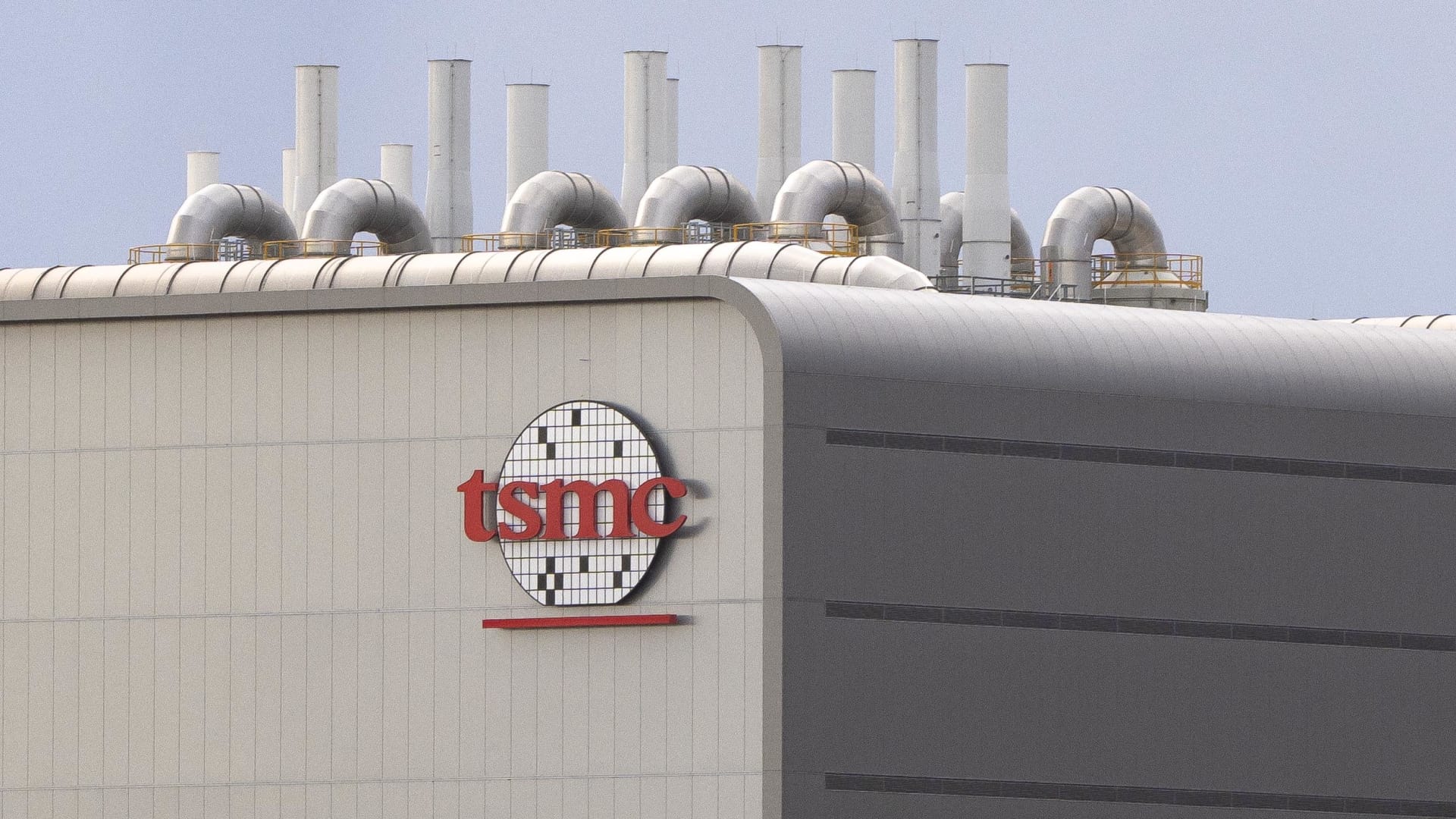
Key players in the AI ecosystem are already feeling the pinch. TSMC, the world’s largest contract chip manufacturer and a critical supplier for Nvidia’s AI chips, has indicated that the situation in the Middle East could impact its profitability, citing potential increases in chemical and gas prices. Similarly, Foxconn, the global leader in contract electronics manufacturing, has identified Middle Eastern events as a significant challenge for the current year. Chipmaker Infineon has also warned of rising costs for precious metals, energy, and freight directly attributable to the ongoing war.
Analysts caution that the situation could deteriorate further. Francisco Jeronimo of IDC noted that the negative impact is likely to extend throughout the year, with elevated prices for gas, energy, and freight potentially persisting for several quarters, even if de-escalation occurs. He emphasized that supply-side damages do not resolve instantaneously, even with a ceasefire.
Rising Input Costs Threaten Margins
Supply chain interruptions and escalating energy costs are primary concerns for chip companies grappling with the fallout from the Iran war. Helium, an indispensable element in semiconductor manufacturing, is primarily a by-product of natural gas production. Disruptions to Qatar’s export capacity, a major supplier, due to Iranian actions are a significant worry. According to S&P Global, Qatar supplied over 30% of the market in 2025. Access to other essential semiconductor materials like bromine and aluminum has also been affected, leading to higher prices and reliance on backup stores for chip buyers in Europe, as air freight routes have been disrupted.
- Helium Dependency: The conflict’s impact on helium supply chain is critical, given its role in semiconductor fabrication.
- Material Scarcity: Broader impacts on materials like bromine and aluminum are forcing companies to seek alternative sourcing and buffer stocks.
- Logistical Challenges: Increased freight costs and the need to reroute shipments add to operational expenses for component suppliers and manufacturers.
In response to these challenges, companies are actively pursuing diversification strategies. TSMC, for instance, is focusing on developing multi-source supply solutions and strengthening its local supply chain, as highlighted by its CFO. VAT Group, a supplier of components to chipmakers, has experienced supply chain disruptions requiring shipment rerouting, although it anticipates no material impact on its full-year outlook, its first-quarter sales saw a decline of CHF 20-25 million ($25.5-$32 million) as a direct consequence.
Prolonged Conflict and Economic Repercussions
The current surge in energy costs presents an “acute” problem for manufacturers and fabrication plants, according to Sebastien Naji, an analyst at William Blair. He further elaborated that the longer the Middle East conflict persists, the more profound the secondary and tertiary effects on component costs, vendor profit margins, and the overall economics of AI data centers will become. These supply chain vulnerabilities and cost increases, exposed during the recent earnings season, could signal the beginning of sustained headwinds if the U.S.-Iran stalemate continues. Should the blockade extend through the summer, future earnings periods are likely to reflect these ongoing risks.
The geopolitical uncertainty is compounded by ongoing diplomatic stalemates, with no immediate signs of de-escalation. This environment demands a cautious approach from investors and a strategic reassessment of portfolio allocations to mitigate exposure to these escalating risks.
The companies best positioned to weather these geopolitical storms are those with robust inventory buffers, diversified sourcing strategies, and strong pricing power. Those lacking these fundamental strengths will face increasing cost pressures throughout the remainder of 2026.
The Nasdaq PHLX Semiconductor Sector Index (.SOX), which tracks the 30 largest U.S.-traded chip companies, has demonstrated remarkable resilience, climbing 41% over the past three months. This surge, driven by immense investor confidence in AI’s long-term prospects, has so far overshadowed the immediate supply chain concerns. However, the sustainability of this rally may depend on the resolution of geopolitical tensions and the ability of companies to effectively manage rising operational costs and supply chain disruptions.
TSMC and the AI Supply Chain’s Geopolitical Vulnerability
Taiwan Semiconductor Manufacturing Company (TSMC) finds itself at the epicenter of the AI boom’s supply chain vulnerabilities. As the primary manufacturer of advanced chips powering AI innovation, any disruption to its operations or its access to raw materials has cascading effects across the industry. The company’s efforts to diversify sourcing and build inventory buffers are crucial defensive measures against geopolitical volatility. Investors are keenly watching TSMC’s ability to navigate these complex challenges while continuing to meet the insatiable demand for AI processing power. The company’s strategic investments in global manufacturing capacity and its commitment to a well-diversified supplier base are critical for its long-term resilience and its role in securing the future of AI development.
Infineon’s Cost Pressures Amidst Global Strife
Infineon Technologies, a key player in the automotive and industrial semiconductor markets, is directly confronting the inflationary pressures stemming from the Iran war. The company’s reliance on precious metals, energy, and global freight services makes it particularly susceptible to geopolitical-driven cost increases. While the company has navigated market volatility before, the combination of rising input costs and potential supply chain bottlenecks poses a significant challenge to its margin stability. Investors should monitor Infineon’s ability to pass on these increased costs to customers and its success in securing more stable supply lines to maintain its competitive edge in a demanding market.
The AI Boom’s Resilience Tested by Global Instability
The persistent AI boom, a significant driver of market performance, is now facing a stern test from geopolitical instability. While investor sentiment remains strong, evidenced by the impressive gains in semiconductor indices, the underlying supply chain fragility is becoming undeniable. Companies that can demonstrate robust risk management strategies, including diversified sourcing and adaptive cost structures, are better positioned for sustained growth. The current environment underscores the importance of a well-balanced portfolio that accounts for both the immense potential of technological innovation and the inherent risks of global instability.
- The AI boom continues to drive significant market gains, particularly within the semiconductor sector.
- Geopolitical tensions in the Middle East are introducing tangible supply chain risks and inflationary pressures.
- Companies with strong risk mitigation strategies and diversified operations are likely to outperform.
📊 StockXpo Analyst’s View
Market Impact: The current geopolitical tensions in the Middle East are injecting a notable level of uncertainty into the technology sector, potentially creating a valuation overhang for companies heavily reliant on global supply chains. While the AI narrative remains powerful, investors are increasingly factoring in the risk premium associated with supply chain disruptions and rising input costs, which could temper exuberance and lead to sector rotation. Market liquidity may also see temporary tightening as institutions reassess risk exposures.
Sector To Watch: The semiconductor industry remains a focal point, but a deeper dive into sub-sectors is warranted. Companies with diversified manufacturing bases and strong logistical networks will likely prove more resilient than those concentrated in single regions or reliant on single-source raw materials. Defense and energy sectors might see increased investor interest due to their direct linkage to geopolitical events, while companies focused on supply chain resilience technologies could also emerge as beneficiaries.
Financial Disclaimer:
StockXpo.com is a financial news aggregator and educational portal, not a registered investment advisor or broker-dealer. All information, news, and analysis provided herein are strictly for educational purposes and do not constitute investment, financial, legal, or tax advice. Investing in the stock market involves high risks, and past performance is not indicative of future results. StockXpo will not be liable for any financial losses or investment damages. Always consult a certified financial advisor before making market decisions.
MORE IN INSIDE INVESTMENT NEWS

Volvo Cars Plunge: Alpha Warning as China Sales Slump Hits Earnings
Published: Friday, October 23, 2026 · 6:18 AM

Procter & Gamble Earnings: Alpha Generation from Consumer Staples Resilience
Published: Thursday, October 22, 2026 · 7:39 AM