Published: Tuesday, May 19, 2026 · 9:07 AM | Updated: Tuesday, May 19, 2026 · 9:07 AM
📊 263 views




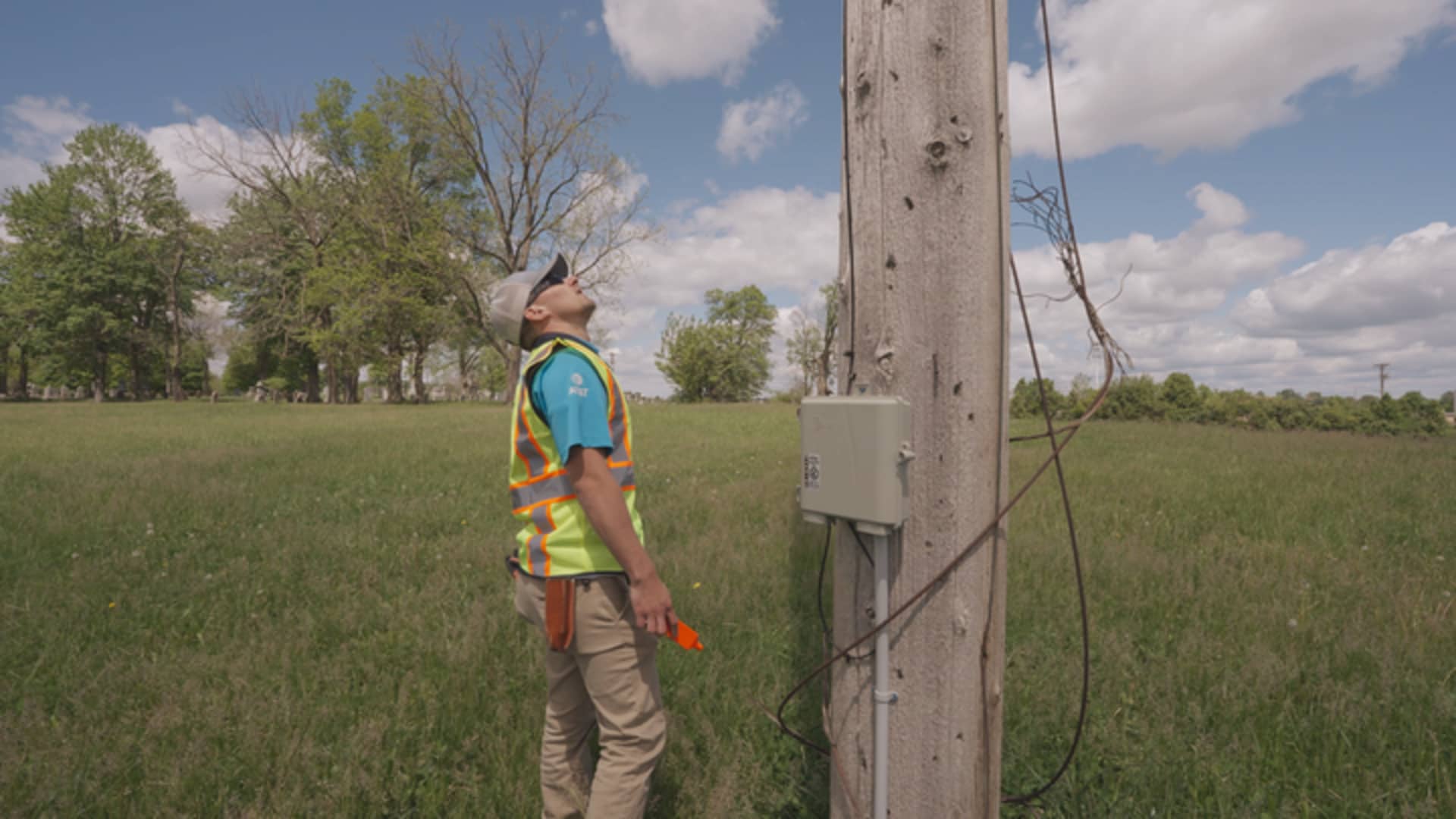
The traditional path to the American Dream is being significantly altered by the burgeoning AI economy. While many college graduates face an uncertain job market, skilled blue-collar workers are finding themselves in high demand, particularly in sectors driving technological advancement. This shift presents a critical strategic pivot for both individuals and corporations.
🗝️ Corporate Strategy Insights
- Skills Over Degrees. Companies like AT&T are prioritizing hands-on technical skills over traditional four-year degrees, signaling a fundamental shift in hiring strategies to meet AI infrastructure demands.
- Infrastructure Investment Boom. The massive buildout of data centers and AI infrastructure is creating a significant, albeit potentially temporary, surge in demand for skilled tradespeople, driving wages and job security in these roles.
- Education Reform Imperative. The widening gap between academic credentials and real-world job market needs highlights an urgent requirement for educational institutions to adapt their curricula to prepare students for the evolving AI-driven workforce.
The landscape of opportunity in the United States is undergoing a profound transformation, driven by the rapid integration of artificial intelligence across industries. Historically, a college degree served as a golden ticket to upward mobility and middle-class stability. However, as AI takes on more entry-level analytical and administrative tasks, this long-held paradigm is fracturing, leaving many recent graduates struggling to secure positions.
Companies such as AT&T are articulating a clear need for individuals with practical, hands-on expertise in areas like electrical work, fiber optics, and on-site infrastructure deployment. AT&T CEO John Stankey emphasized that the company is actively seeking and training these workers, noting the scarcity of such talent. This signals a strategic reallocation of resources towards vocational training and skills development, rather than solely relying on traditional degree holders.
- The AI revolution is not only automating existing jobs but also creating new demands for labor, particularly in physical infrastructure.
- The traditional “college-to-career” pipeline is under pressure as AI capabilities overlap with entry-level white-collar roles.
- Companies are investing heavily in training and recruitment for skilled trades to support AI-related infrastructure projects.
Meanwhile, sectors heavily exposed to AI automation, including marketing, legal, accounting, human resources, and IT, are experiencing a slowdown in hiring. This downturn disproportionately affects new graduates with limited practical experience. The long-term implications for the U.S. workforce and the global economy are only beginning to be understood by economists and technologists alike.
The construction and maintenance of AI-driven infrastructure, such as data centers and advanced communication networks, are becoming significant job creators. Companies like Ford and Nvidia are actively seeking workers for these roles, ranging from electricians and plumbers to network technicians. These positions are anticipated to offer competitive, often six-figure, salaries due to a substantial labor shortage.
AT&T’s $250 billion investment over five years to expand its fiber network is a prime example of this strategic capital allocation. A significant portion of this investment is earmarked for hiring and training blue-collar front-line workers, specifically skilled technicians, to meet the growing demands of AI data centers and increased network usage.
## The Shifting American Dream Narrative
The post-World War II era saw a significant expansion of higher education, fueled by initiatives like the GI Bill and the growth of public universities. This led to a widespread belief that increased human capital through education would result in a more productive workforce and greater societal prosperity. For decades, this translated into a tangible path for many Americans to achieve financial stability and a higher quality of life.
However, the return on investment for a four-year degree has come under scrutiny due to rising tuition costs and student debt. While still offering benefits, the economic advantage has plateaued. Now, AI introduces another layer of pressure, as its ability to perform entry-level analytical tasks reduces the demand for recent graduates in certain fields. Data from the Federal Reserve Bank of New York indicates a rise in unemployment rates for recent college graduates, particularly those in AI-vulnerable sectors.
The impact is starkly visible in early-career employment growth. Research from Stanford’s Digital Economy Lab highlights that workers in roles highly exposed to AI, such as software developers and marketing professionals, have experienced significantly slower employment growth compared to their less exposed peers. This trend suggests a persistent shift rather than a temporary anomaly.
## AT&T’s Strategic Workforce Initiative
AT&T is making substantial investments in its workforce, recognizing the critical need for skilled technicians to build and maintain its expanding fiber network, essential for supporting AI infrastructure. The company plans to hire approximately 3,000 technicians this year alone, building on the 10,000 hired over the past three years. The training investment per employee, ranging from $50,000 to $80,000, underscores the company’s commitment to developing this essential talent.
This proactive approach by AT&T addresses a broader national shortage of skilled tradespeople, which is projected to grow significantly in the coming years. Concurrently, white-collar professions are experiencing a slight uptick in unemployment, creating a divergence in the labor market that economists are closely monitoring. This contrasts with the historically lower unemployment rates for college graduates.
The most critical strategic takeaway is that the AI economy is fundamentally redefining the value proposition of education and labor, creating a surge in demand for hands-on technical skills over traditional academic credentials for critical infrastructure development.
## Key Talent Indicators
| Metric | Value | Significance |
|—|—|—|
| Projected Skilled Trades Shortage by 2030 | 2.1 million jobs | Highlights the critical need for vocational training and recruitment in sectors supporting AI infrastructure buildout. |
| AT&T Technician Hiring (next 5 years) | ~15,000+ (estimated) | Demonstrates aggressive recruitment to meet demand for AI-driven infrastructure maintenance and expansion. |
| Unemployment Rate for College Graduates (ages 25+) | ~2.8% (April 2026) | Indicates a stable, yet slightly rising, unemployment trend for white-collar professionals compared to historical lows. |
## AT&T Strategic Analysis
AT&T is strategically positioning itself at the forefront of the AI economy by investing heavily in the physical infrastructure required to support it. The company’s commitment to hiring and training skilled technicians addresses a critical bottleneck in the AI buildout, allowing it to capitalize on the growing demand for connectivity and data processing power. This focus on blue-collar talent is not just about filling roles; it’s a calculated move to secure a workforce capable of executing complex, on-the-ground tasks essential for network expansion and maintenance.
## AT&T Competitive Advantages
AT&T’s significant capital allocation towards fiber network expansion and skilled labor development creates a notable competitive advantage. By proactively addressing the shortage of technicians and investing in their training, the company is building a robust and specialized workforce. This allows AT&T to execute its infrastructure projects more efficiently and reliably than competitors who may face greater challenges in securing qualified personnel. Furthermore, its established brand and existing infrastructure provide a strong foundation for further growth in the AI-driven telecommunications landscape.
## The Blue-Collar Renaissance in the AI Era
The AI economy is undeniably reconfiguring the American Dream, with skilled blue-collar workers becoming central figures in the nation’s technological advancement. The demand for hands-on expertise in building and maintaining AI infrastructure is creating new avenues for economic prosperity, challenging the long-held dominance of the four-year degree.
- The emphasis is shifting from academic credentials to demonstrable vocational skills, opening doors for non-degreed workers.
- Infrastructure buildouts for AI are creating a temporary but significant boom in skilled trades, offering competitive compensation.
- A societal re-evaluation of education and career paths is necessary to align with the evolving demands of the AI-driven economy.
Will this blue-collar resurgence prove to be a sustainable long-term career path, or is it a temporary phase driven by current infrastructure demands?
### 📊 StockXpo Analyst’s View
Market Impact: The narrative of blue-collar workers thriving in the AI economy suggests a potential recalibration of market sentiment away from solely tech-centric investments towards infrastructure and skilled labor-focused companies. This could lead to increased investment in telecommunications, construction, and specialized training firms.
Sector To Watch: Industries directly involved in the physical buildout and maintenance of digital infrastructure, such as telecommunications equipment manufacturers, construction services, and industrial technology providers, are prime beneficiaries of this trend. Conversely, entry-level white-collar roles in highly automatable sectors may face continued pressure.
Financial Disclaimer:
StockXpo.com is a financial news aggregator and educational portal, not a registered investment advisor or broker-dealer. All information, news, and analysis provided herein are strictly for educational purposes and do not constitute investment, financial, legal, or tax advice. Investing in the stock market involves high risks, and past performance is not indicative of future results. StockXpo will not be liable for any financial losses or investment damages. Always consult a certified financial advisor before making market decisions.
MORE IN INSIDE BUSINESS

Airline Profits Challenge: Why Rising Airfare Won’t Boost Bottom Lines
Published: Monday, October 5, 2026 · 7:48 AM
Chick-fil-A’s Unwavering Family Strategy Fuels Expansion and Market Leadership
Published: Sunday, October 4, 2026 · 9:09 AM