
Published: Friday, June 5, 2026 · 8:54 PM | Updated: Friday, June 5, 2026 · 8:54 PM
📊 318 views




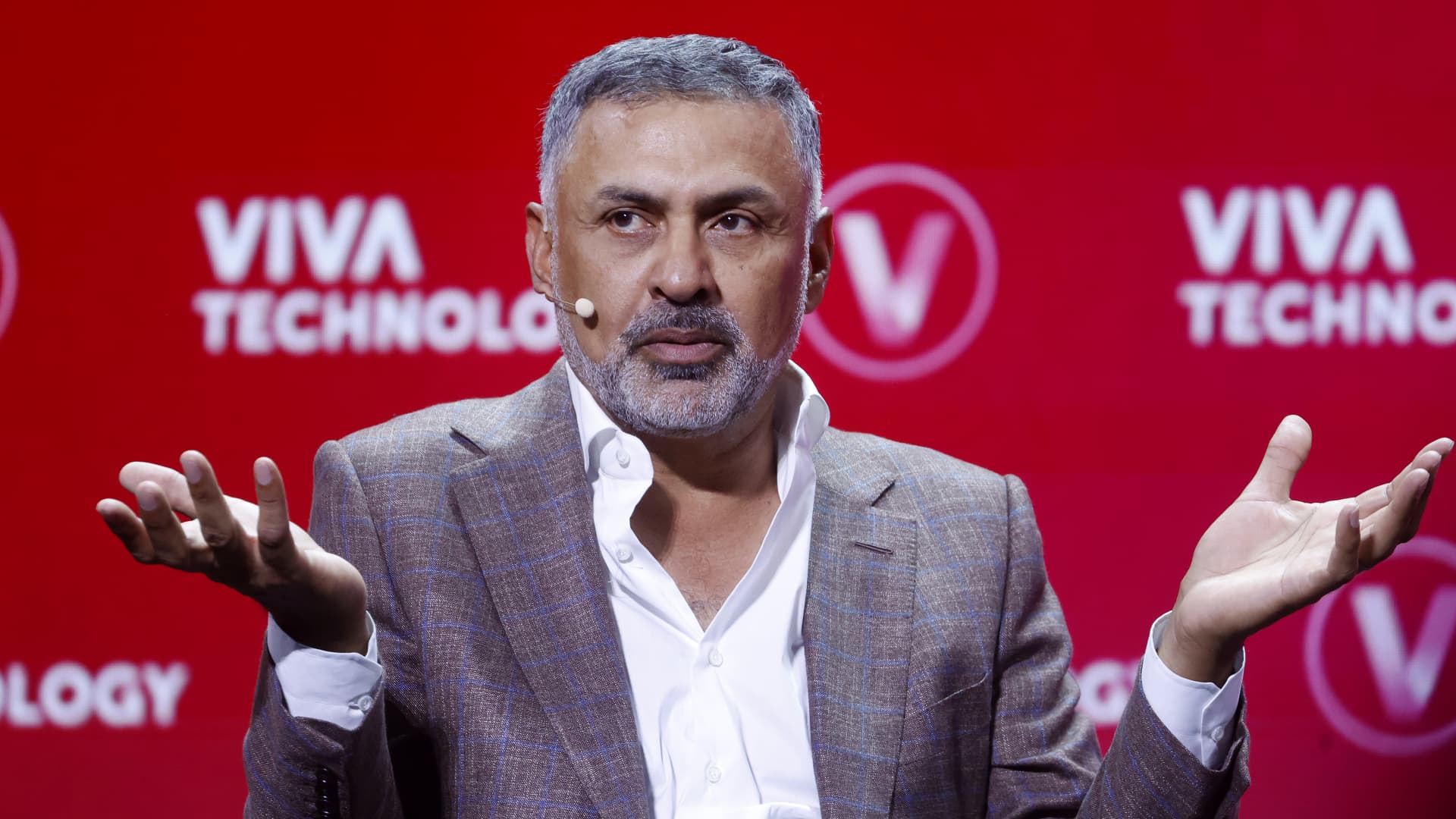
The recent surge in the cybersecurity sector, fueled by the potential of Anthropic’s Mythos AI model, is now facing its first significant test with the release of quarterly earnings. While the technology promised a new era of AI-driven defense, the market’s reaction to recent results from key players like CrowdStrike and Palo Alto Networks indicates a more nuanced investor sentiment.
💎 Strategic Investment & Portfolio Insights
- AI Tailwinds Maturing Slowly. The market is tempering expectations for immediate AI-driven revenue boosts in cybersecurity, acknowledging longer enterprise sales cycles.
- Mythos Rally Faces Scrutiny. Despite initial enthusiasm for the Mythos AI model’s potential, recent cybersecurity earnings have shown that positive developments alone are not enough to sustain a rally without tangible near-term financial impact.
- Long-Term AI Integration is Key. Investors should look beyond immediate earnings to the strategic integration of AI into core cybersecurity offerings, anticipating significant benefits closer to 2027.
The initial excitement surrounding Anthropic’s Mythos AI model, hailed as a game-changer for cybersecurity firms, has begun to face the harsh reality of market expectations following recent earnings reports. CrowdStrike and Palo Alto Networks, which had seen their stock prices climb significantly on the prospect of AI tailwinds, experienced notable drops after their latest financial disclosures. This pullback suggests that while AI presents a powerful future opportunity, investors are increasingly demanding concrete evidence of its impact on the bottom line.
Analysts point to the inherent length of enterprise sales cycles, typically spanning nine to twelve months, as a primary reason for the delayed recognition of AI benefits. This means that the full financial implications of new AI-driven cybersecurity solutions are unlikely to materialize until well into 2027. The period between April and May saw significant gains for both CrowdStrike and Palo Alto Networks, driven by their early participation in Anthropic’s Project Glasswing. However, the most recent earnings season served as a critical benchmark, revealing that even optimistic commentary on AI adoption could not fully satisfy investor appetite for immediate returns.
* The introduction of powerful AI models like Mythos initially raised concerns about their potential misuse to exploit software vulnerabilities, paradoxically leading to increased demand for advanced cybersecurity solutions.
* Companies like Rubrik and Tenable are also being integrated into broader AI testing programs, indicating a sector-wide embrace of AI for enhanced security.
* The market’s current focus on immediate AI windfalls may overlook the multi-year process of enterprise adoption and integration, a sentiment echoed by industry leaders.
Portfolio Positioning Effect: The tempering of AI-driven growth expectations for cybersecurity firms could lead to a re-evaluation of valuations within the sector. Investors might shift focus towards companies with demonstrable AI integration success and longer-term recurring revenue models, necessitating portfolio rebalancing to capture potential alpha in a more patient growth narrative. This sentiment shift could also influence broader technology sector allocations.
The current market sentiment reflects a common Wall Street phenomenon where exceptional technological advancements must align with realistic financial reporting cycles. Patience is being tested, and the narrative is shifting from ‘AI is coming’ to ‘show us the AI revenue.’
As detailed in recent financial reports, the demand for AI-powered cybersecurity solutions is robust, with Palo Alto Networks CEO Nikesh Arora highlighting over 1,200 companies expressing interest and nearly 100 meetings he personally conducted. This demand signifies a strong pipeline, but Arora cautioned against expecting an immediate ‘windfall’ next quarter, emphasizing the existing purchase and deployment cycles. CrowdStrike CEO George Kurtz similarly noted that while the AI detection and response (AIDR) segment could eventually eclipse the current endpoint security market, it is still in its nascent stages. The company’s pipeline for AIDR has already surpassed $50 million, indicating substantial future growth potential.
CrowdStrike’s AI Integration: Early Innings, Big Potential
CrowdStrike’s strategic focus on developing its AI detection and response (AIDR) capabilities is a pivotal move. While this new segment is in its early stages, the company’s ability to secure a pipeline exceeding $50 million in the second quarter alone underscores its significant growth potential. This suggests that CrowdStrike is well-positioned to capitalize on the long-term AI trend, though investors should anticipate a gradual build-up of revenue rather than an immediate surge. The company’s decision to lift its fiscal 2027 net new annual recurring revenue growth projections signals confidence in AI’s future contribution.
Palo Alto Networks’ AI Strategy: Demand Meets Reality
Palo Alto Networks is experiencing immense interest in its AI-driven cybersecurity offerings, with its CEO, Nikesh Arora, reporting a surge in engagement from over 1,200 companies. The company’s proactive approach in meeting this demand, conducting hundreds of meetings, demonstrates its commitment to integrating AI into its solutions. However, Arora’s cautionary remarks about the time required for enterprise adoption and deployment are crucial for investors to note. The current demand is a strong indicator of future success, but the realized financial benefits will unfold over time, aligning with typical enterprise procurement cycles. Examining market analysis on market trends provides further context.
The Mythos Effect on Cybersecurity Futures: A Measured Outlook
Recent cybersecurity earnings paint a picture of cautious optimism. The Mythos AI model has undoubtedly spurred enthusiasm and demand, but the market is now demanding tangible results. Investors should maintain a long-term perspective, recognizing that AI integration is a multi-year journey.
- Investor sentiment has shifted from immediate AI windfall expectations to a focus on sustainable, long-term AI integration.
- The cybersecurity sector’s resilience is being tested, with a renewed emphasis on companies demonstrating clear execution roadmaps for AI monetization.
- Future portfolio strategy should prioritize deep AI integration and a demonstrable impact on recurring revenue streams, rather than solely relying on AI-driven narratives.
Will the next earnings cycle reveal more concrete AI revenue streams, or will the patience required for enterprise adoption continue to temper market enthusiasm?
### 📊 StockXpo Analyst’s View
Market Impact: The recent cybersecurity earnings signal a potential recalibration of AI-driven growth expectations in the tech sector. While the underlying demand remains strong, investors are now prioritizing proven execution and longer-term revenue realization, which could lead to increased volatility in the short term and a flight to quality amidst market uncertainty. This may also affect broader investor confidence in technology stocks that are heavily reliant on future AI promises.
Sector To Watch: Beyond the established cybersecurity giants, look towards companies specializing in AI model optimization, data security for AI, and infrastructure providers enabling widespread AI deployment. These sub-sectors might offer more immediate alpha opportunities as the AI ecosystem matures and requires specialized solutions. Investing in companies that directly facilitate AI implementation and security, as discussed in recent business news, will be crucial.
Financial Disclaimer:
StockXpo.com is a financial news aggregator and educational portal, not a registered investment advisor or broker-dealer. All information, news, and analysis provided herein are strictly for educational purposes and do not constitute investment, financial, legal, or tax advice. Investing in the stock market involves high risks, and past performance is not indicative of future results. StockXpo will not be liable for any financial losses or investment damages. Always consult a certified financial advisor before making market decisions.
MORE IN INSIDE INVESTMENT NEWS

AI Funding Fears Rattle Wall Street: Adjusting for Alpha and Preservation
Published: Saturday, October 24, 2026 · 12:28 PM

Volvo Cars Plunge: Alpha Warning as China Sales Slump Hits Earnings
Published: Friday, October 23, 2026 · 6:18 AM


