Published: Monday, May 18, 2026 · 5:48 PM | Updated: Monday, May 18, 2026 · 5:48 PM
📊 301 views




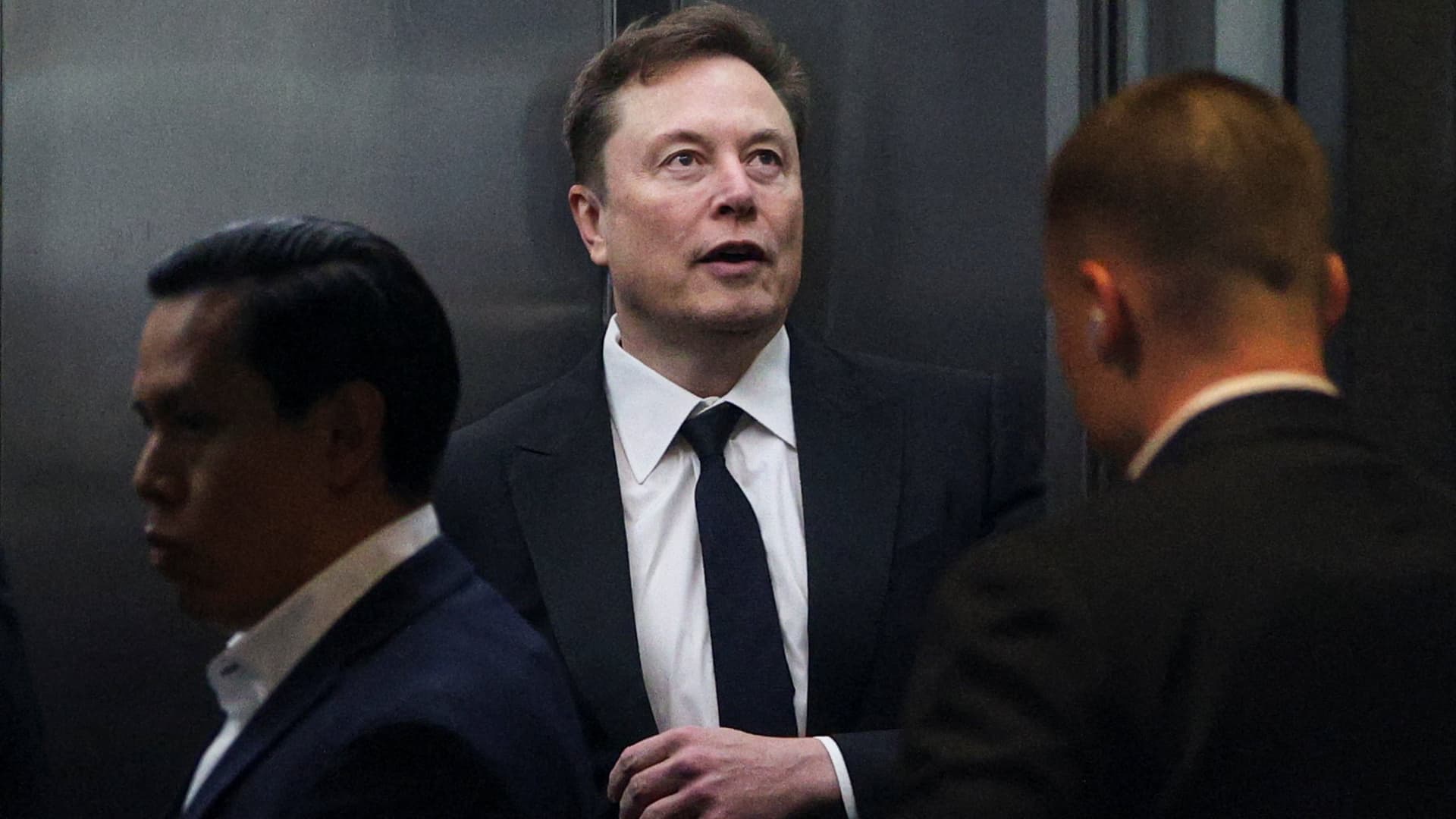
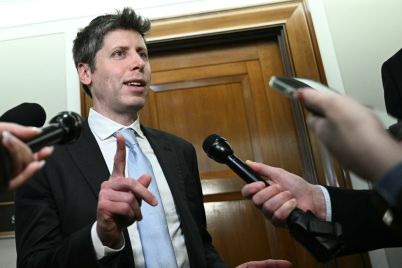
A federal jury has rejected Elon Musk’s claims against OpenAI CEO Sam Altman, ending a high-stakes legal battle centered on the AI lab’s shift from a nonprofit to a for-profit entity. The ruling, which also dismissed claims against Microsoft, solidifies OpenAI’s current operational structure and clears a significant hurdle ahead of its anticipated public market debut.
🚀 Tech Strategy & Market Disruptions
- Governance Model Validated. The court’s decision affirms OpenAI’s hybrid for-profit/non-profit structure, providing clarity on its ability to pursue commercialization for rapid AI development.
- Competitive Landscape Intensified. With this legal cloud lifted, OpenAI is better positioned to accelerate its race against rivals like Google DeepMind and Anthropic, backed by substantial investments from Microsoft.
- Musk’s AI Ambitions Shift. The outcome further entrenches Elon Musk’s independent AI ventures through xAI and SpaceX, setting the stage for direct market competition rather than a governance challenge.
The recent dismissal of the Elon Musk OpenAI Lawsuit marks a pivotal moment in the ongoing narrative of artificial intelligence development and corporate governance. After a three-week trial, a U.S. District Judge, agreeing with an advisory jury, determined that OpenAI CEO Sam Altman and the organization were not liable for alleged breaches of charitable trust, a development closely watched by leading technology news sources like Reuters. The claims, deemed ‘untimely,’ effectively validate OpenAI’s controversial but strategically crucial transition from a pure nonprofit to a capped-profit entity, a move initiated to secure the massive funding required to compete in the fiercely expensive AI research landscape. Microsoft, a key investor and partner, also saw claims against it dismissed.
Musk, who co-founded OpenAI in 2015 with a vision for AI ‘for the benefit of humanity,’ departed the board in 2018 and later accused the company of abandoning its foundational mission in pursuit of profit. His lawsuit sought to compel OpenAI and Microsoft to relinquish up to $134 billion in ‘ill-gotten gains’ and restructure the company. However, OpenAI’s legal team presented evidence suggesting that Musk himself had previously considered a for-profit model, provided he maintained control, and even explored integrating OpenAI into Tesla, a point that resonated with global tech sector analysis from Bloomberg.
The trial brought to light the intense financial pressures and competitive dynamics driving the AI sector. OpenAI’s lawyers successfully argued that restructuring was essential to attract the capital needed to contend with well-resourced giants such as Google DeepMind. This strategic shift enabled OpenAI to secure significant investments, most notably from Microsoft, which has been instrumental in scaling its operations and computing power. The ability to raise capital has been critical for the company to advance its large language models and expand its consumer and enterprise offerings, positioning it as a frontrunner in the unfolding landscape of emerging technologies. For those seeking deeper context, access to expert educational tech insights can further illuminate these trends.
- Funding Imperative: The capital demands for cutting-edge AI research, including specialized hardware and top-tier talent, necessitated a shift from a purely charitable model.
- Strategic Partnerships: Collaborations with major tech firms like Microsoft provide essential infrastructure and market reach for rapid scaling.
- Competitive Velocity: The race to develop advanced AI models is accelerating, making agile funding and organizational structures paramount for maintaining leadership.
The court’s decision has a clear disruption flow across the AI ecosystem. The validation of OpenAI’s hybrid model removes a significant legal overhang, directly enabling faster capital deployment and R&D acceleration within the company. This, in turn, intensifies competition in the high-stakes AI market, forcing rivals to either secure comparable funding or innovate more efficiently. Ultimately, this structural clarity fosters greater investor confidence in AI startups pursuing commercialization, potentially encouraging more hybrid models and accelerating the pace of general AI advancement and its integration into various industries.
‘This verdict underscores a fundamental tension in foundational AI development: the clash between open, humanitarian ideals and the immense capital requirements needed to achieve true innovation at scale. For CTOs, it highlights the critical importance of a clear and legally sound organizational structure from inception, especially when dealing with rapidly evolving, capital-intensive technologies that attract both philanthropic visions and profit-driven investment.’
OpenAI’s Market Adoption Challenges
While the legal victory provides operational stability, OpenAI still faces considerable challenges in market adoption, particularly within the enterprise sector. The company must navigate complex ethical considerations, data privacy regulations, and the inherent risks associated with deploying powerful generative AI models. Building trust with corporate clients requires robust security protocols, explainable AI capabilities, and transparent governance frameworks. Additionally, the rapid pace of innovation means that competitive offerings from Anthropic, Google, and even smaller specialized AI firms constantly threaten market share. The perception of a ‘closed’ or overly commercialized AI, despite its origins, could also create resistance among some open-source proponents, necessitating a careful balancing act in its communication and product strategy.
xAI Ecosystem Expansion Potential
In contrast to OpenAI’s established market presence, Elon Musk’s xAI, now integrated within SpaceX, presents a different trajectory for ecosystem expansion. By embedding xAI’s capabilities directly into SpaceX’s formidable infrastructure—ranging from satellite internet (Starlink) to advanced robotics and autonomous systems—Musk aims to create a highly integrated AI ecosystem. This approach could leverage proprietary data streams from vast networks of sensors and devices, providing a unique training ground for specialized AI models. The synergy with SpaceX’s ambitions in space exploration and terrestrial mobility offers a vast canvas for deploying AI solutions, potentially creating a differentiated value proposition from general-purpose AI models. However, the success hinges on effective integration, regulatory navigation for dual-use technologies, and the ability to attract top-tier AI talent within a highly verticalized corporate structure.
The Ripple Effect of Elon Musk OpenAI Lawsuit on AI Innovation
The dismissal of the Elon Musk OpenAI Lawsuit is more than just a legal formality; it’s a profound statement on the economic realities of developing advanced AI. This outcome grants OpenAI a firmer foundation to continue its rapid innovation trajectory, backed by significant capital, and further clarifies the pathways for other AI startups balancing ambitious goals with funding needs. For the broader technology market trends, this verdict signals a greater acceptance of hybrid funding models in frontier tech.
- OpenAI’s $850 billion valuation and $122 billion fundraising round position it strongly for continued innovation and a potential IPO.
- Musk’s xAI, valued at $1.25 trillion after merging with SpaceX, sets up a formidable direct competitor in the AI space.
- The ruling validates the for-profit pathway for high-cost AI development, potentially shaping future investment structures for similar groundbreaking technologies.
How will this legal clarity influence the next generation of AI breakthroughs and the governance models adopted by their creators?
📊 StockXpo Analyst’s View
Market Impact: The resolution of the Elon Musk OpenAI Lawsuit will likely inject greater confidence into the AI sector, particularly for companies pursuing hybrid or for-profit models to fund capital-intensive research. It reduces a key regulatory and legal uncertainty that had been hovering over the industry’s monetization strategies. This clarity could lead to an uptick in private equity and venture capital investments into AI startups, as the pathways to commercialization and exit strategies become more defined. We expect a stabilization in investor sentiment around OpenAI’s valuation ahead of its potential IPO.
Sector To Watch: We anticipate heightened activity in sectors leveraging advanced AI, such as cloud infrastructure providers (benefiting from increased computational demands), specialized AI hardware manufacturers, and industries ripe for AI-driven digital transformation like healthcare, finance, and manufacturing. The intensified rivalry between OpenAI, xAI, and Google DeepMind will drive innovation, but also raise stakes for competitive pressure in talent acquisition and IP development. Investors should watch companies that provide enabling technologies for AI, as well as those demonstrating clear, defensible use cases for large language models and generative AI.
Financial Disclaimer:
StockXpo.com is a financial news aggregator and educational portal, not a registered investment advisor or broker-dealer. All information, news, and analysis provided herein are strictly for educational purposes and do not constitute investment, financial, legal, or tax advice. Investing in the stock market involves high risks, and past performance is not indicative of future results. StockXpo will not be liable for any financial losses or investment damages. Always consult a certified financial advisor before making market decisions.
MORE IN INSIDE TECHNOLOGY
SoftBank AI Investment: Malaysia’s $50 Billion Innovation Surge
Published: Monday, October 26, 2026 · 2:37 AM
SpaceX AI Chips: $40 Billion Deal Fuels Innovation-Driven Growth
Published: Sunday, October 25, 2026 · 9:35 PM