Published: Saturday, May 16, 2026 · 1:51 PM | Updated: Saturday, May 16, 2026 · 1:51 PM
📊 313 views




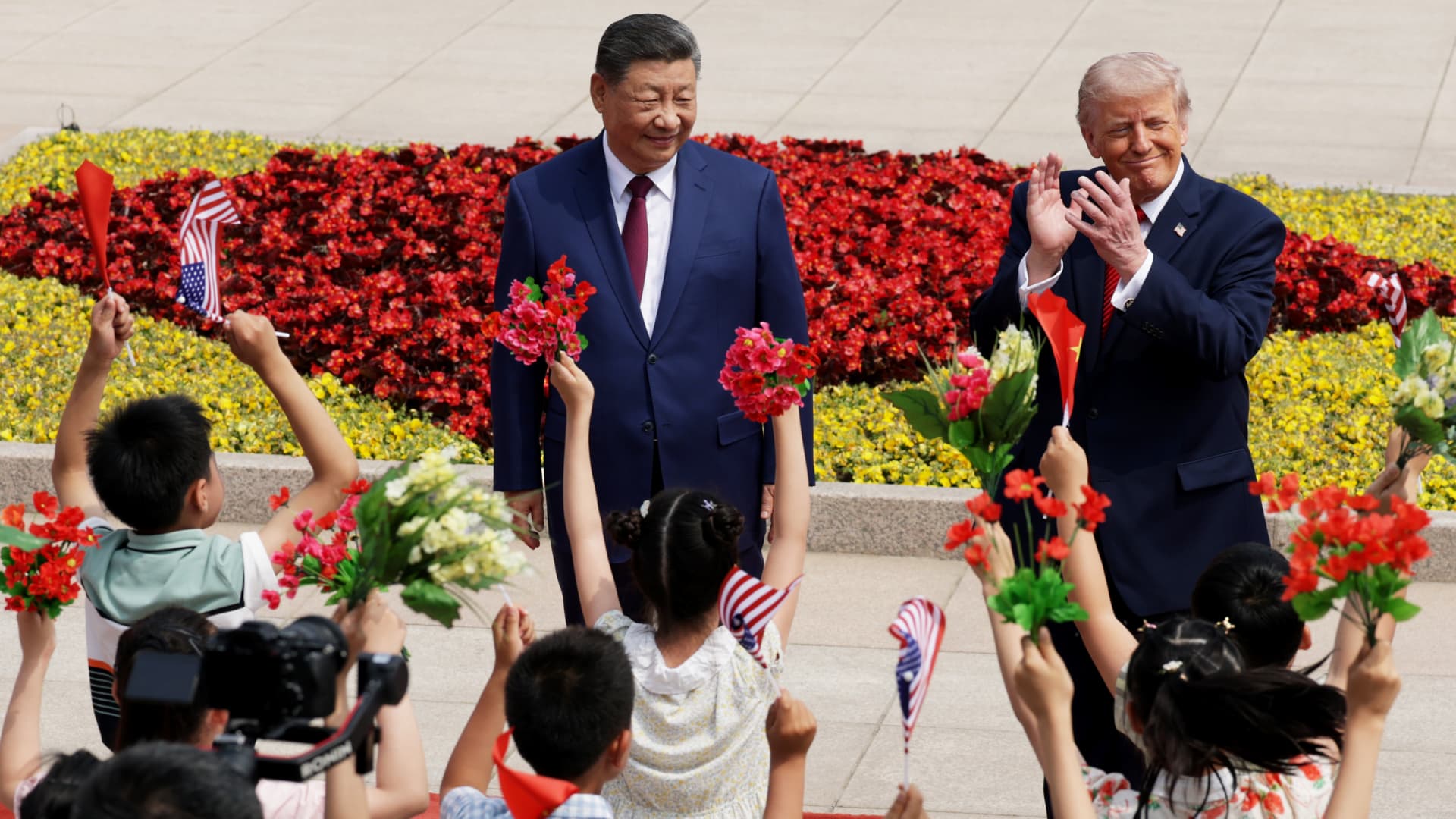
The recent Trump Beijing Visit in 2026 wasn’t just a diplomatic event; it was a vivid demonstration of how personal relationships and high-profile engagements can influence global technology markets and accelerate digital transformation. This landmark visit, attended by leading tech executives, offers a compelling case study in innovation-driven growth amidst complex geopolitical landscapes.
🚀 Tech Strategy & Market Disruptions
- Tech Executive Presence at State Functions. The inclusion of tech leaders like Elon Musk and Jensen Huang in high-level diplomatic meetings signals a growing recognition of technology’s pivotal role in international relations and trade negotiations.
- Cross-Cultural Tech Adoption Signals. Moments like Jensen Huang’s noodle run and Musk’s son’s attire highlight the soft power of cultural exchange and its potential impact on consumer adoption of tech products and brands in new markets.
- Geopolitical Impact on Tech Supply Chains. The subtle shifts in export licensing for advanced chips, as hinted at with Nvidia’s situation, underscore the direct correlation between diplomatic outcomes and the resilience and evolution of global technology supply chains.
The spectacle surrounding the Trump Beijing Visit underscores a crucial trend: the intertwining of global politics and the technology sector. The presence of American business leaders, including titans from companies like Nvidia and Tesla, alongside diplomatic delegations, highlights how innovation and market access are increasingly central to international policy discussions. This visit showcased the potential for dealmaking and fostered a sense of optimism for future collaborations.
During the state banquet, the symbolism of shared toasts and carefully curated menus demonstrated China’s adept use of cultural diplomacy to foster goodwill. For enterprise platforms, this emphasis on relationship-building at the highest levels can translate into more predictable market access and opportunities for ecosystem expansion. The interactions, from unusually long handshakes to private tours, aimed to cultivate a warmer, more relaxed atmosphere.
The buzz around tech leaders, such as Elon Musk and Jensen Huang, captured significant public attention, showcasing their roles as cultural icons beyond their corporate achievements. The viral moments of CEOs jostling for selfies or engaging with local culture underscore the pervasive influence of technology personalities. This level of public engagement can significantly shape consumer perceptions and drive demand for their associated products.
From a technology adoption perspective, these moments serve as powerful indicators of market sentiment and potential consumer behavior. The rapid sell-out of a children’s bag after being featured online by Musk’s son, for instance, demonstrates the potent effect of celebrity endorsement on e-commerce and niche markets. It highlights how cultural moments can unexpectedly drive product demand.
Jensen Huang’s Beijing Walkabout: A Symbol of Market Integration
Nvidia CEO Jensen Huang’s impromptu stroll through Beijing’s historic Nanluogu Alley, engaging with locals and sampling traditional fare, provided a humanizing and relatable glimpse into the tech elite’s engagement with local culture. This act of informal diplomacy, amplified by social media, can foster goodwill and build bridges between global technology brands and diverse consumer bases. It’s a powerful example of how personal interactions can impact broader market sentiment.
This seemingly simple act of cultural immersion has significant implications. For developers and companies looking to scale in new territories, understanding and respecting local customs, as exemplified by Huang’s interactions, can be as critical as the technology itself. It signals a willingness to engage authentically, paving the way for smoother market entry and deeper customer relationships. This is a prime example of innovation in cross-cultural engagement.
The visit also brought renewed attention to potential breakthroughs in technology trade. Signs that Nvidia might resume sales of advanced chips to China, following export license approvals, illustrate the delicate balance between geopolitical tensions and the insatiable demand for cutting-edge technology. This development could significantly alter the competitive landscape for AI hardware.
The integration of technology leaders into state-level diplomatic events signifies a paradigm shift, where technological prowess and market access are increasingly becoming the cornerstones of international economic strategy. This evolving dynamic necessitates a flexible and adaptive approach to tech stack optimization for global enterprises.
The discussions around bilateral trade, including agreements for China to purchase American aircraft and agricultural products, alongside promises of China’s market opening wider, are crucial for understanding future digital transformation initiatives. These agreements, though rooted in traditional trade, lay the groundwork for increased technological exchange and collaboration. The emphasis is on creating a steadier footing for the relationship.
However, underlying tensions, particularly regarding Taiwan and export controls, serve as stark reminders of the inherent risks in the global technology ecosystem. These geopolitical undercurrents can disrupt supply chains and necessitate agile, resilient architectures. Navigating these complexities requires robust risk management frameworks and a keen eye on market dynamics.
Tesla’s Market Position & China’s Evolving Tech Landscape
The dynamic surrounding Elon Musk and his son during the visit offers a micro-view of the broader Tesla market position and China’s burgeoning technology ecosystem. Musk’s ability to command attention, even through casual moments like his son’s attire, highlights the personal brand equity that influences consumer perception and market trends. This personal influence can be a powerful driver for product adoption.
For the automotive sector and electric vehicle manufacturers, understanding these cultural nuances and the impact of prominent figures is critical. The sell-out of a local artisan product after being associated with Musk’s son demonstrates a powerful, albeit unconventional, form of market validation. This suggests that cross-cultural consumer engagement is a key factor in driving demand.
Nvidia’s AI Chip Strategy & Export Control Maneuvers
Jensen Huang’s presence, especially given the context of potential resumed sales of advanced AI chips to China, places Nvidia at the forefront of a critical geopolitical and technological nexus. The ability to navigate complex export control regulations while meeting the immense demand for high-performance computing is a testament to strategic agility. This situation directly impacts the global development of AI platforms.
From a technology adoption perspective, the availability of advanced chips is foundational for future innovation. Companies worldwide rely on these components to build scalable architectures for AI, cloud computing, and data analytics. Any shift in their accessibility can trigger significant ripple effects across the entire technology market, influencing where and how innovation takes place.
This signals a major pivot in the industry’s digital infrastructure.
This visit illuminated how personal interactions between global leaders and tech executives can shape market perceptions and potentially influence trade policies.
- The presence of tech CEOs in diplomatic settings signals a deeper integration of technology into international relations.
- Viral social media moments involving tech figures highlight their impact on consumer culture and product demand.
- Geopolitical factors continue to play a significant role in the accessibility and distribution of critical technologies like advanced AI chips.
How will the normalization of tech leaders in diplomatic arenas redefine future bilateral trade agreements and innovation roadmaps?
📊 StockXpo Analyst’s View
Market Impact: This event underscores the increasing commoditization of diplomacy through technology influence, potentially leading to greater market liquidity for firms adept at navigating both geopolitical and technological landscapes. Investor sentiment will likely favor companies demonstrating strong cross-cultural engagement and supply chain resilience.
Sector To Watch: The semiconductor and AI infrastructure sectors are particularly noteworthy. Any shifts in export policies or trade agreements directly impact these foundational technologies, creating both opportunities and risks for companies reliant on global supply chains and market access.
Financial Disclaimer:
StockXpo.com is a financial news aggregator and educational portal, not a registered investment advisor or broker-dealer. All information, news, and analysis provided herein are strictly for educational purposes and do not constitute investment, financial, legal, or tax advice. Investing in the stock market involves high risks, and past performance is not indicative of future results. StockXpo will not be liable for any financial losses or investment damages. Always consult a certified financial advisor before making market decisions.
MORE IN INSIDE TECHNOLOGY
Starlink India: Regulatory Hurdles and Innovation-Driven Growth Risks
Published: Friday, October 9, 2026 · 12:48 AM
Starlink Launch: India’s Digital Transformation Faces Regulatory Risk
Published: Thursday, October 8, 2026 · 1:51 AM