
Published: Monday, November 9, 2026 · 6:30 AM | Updated: Monday, November 9, 2026 · 6:30 AM
📊 16 views




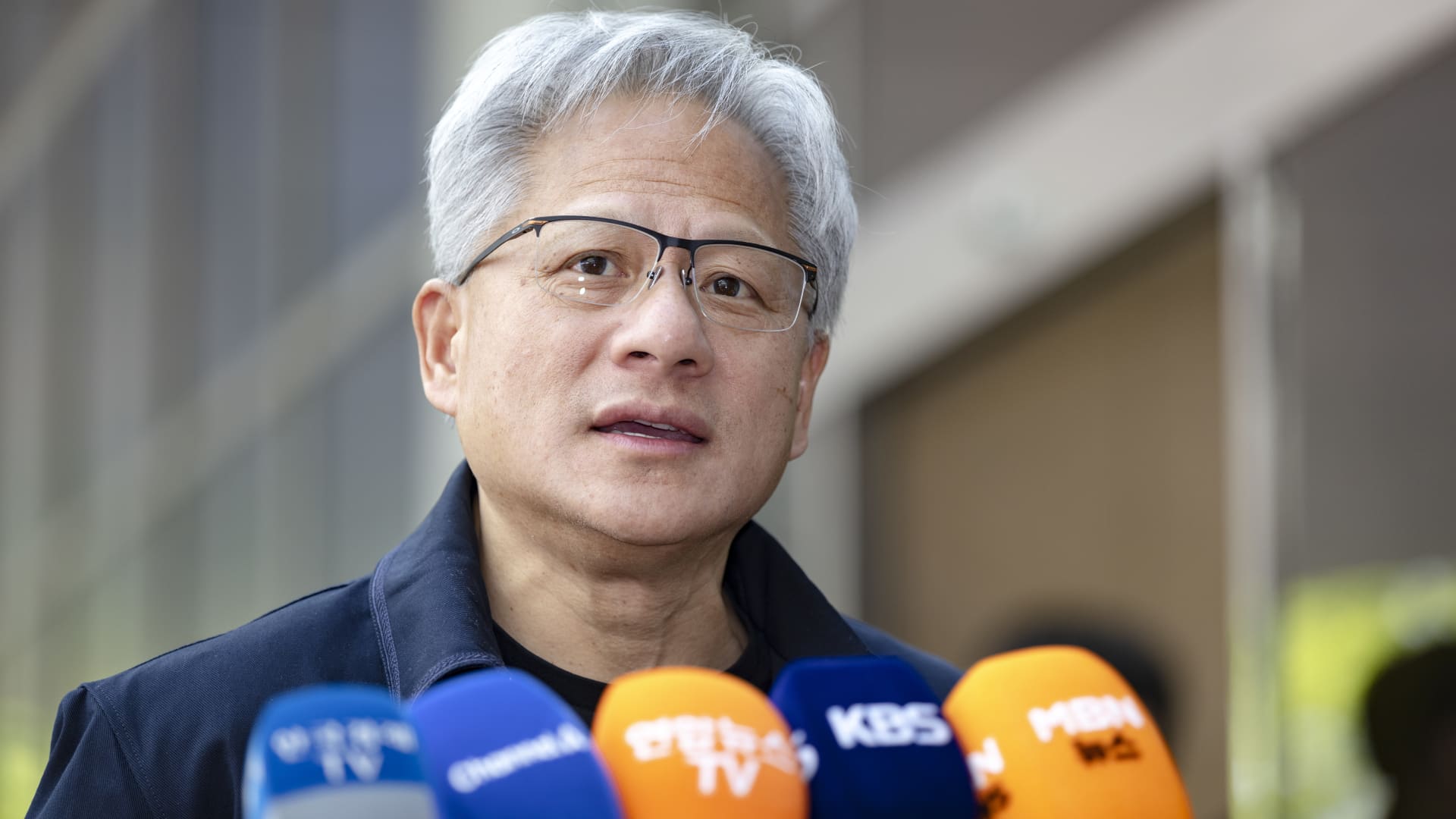
News of an alleged espionage affair involving Nvidia CEO Jensen Huang has sent immediate shockwaves through global markets, placing a spotlight on corporate governance in critical technology sectors. The incident introduces significant non-technical risk to the undisputed leader in AI chips, challenging investor confidence and strategic partnerships. The broader Nvidia Impact reverberates across the semiconductor industry, prompting a reevaluation of supply chain integrity and executive oversight.
🚀 Tech Strategy & Market Disruptions
- Leadership Under Scrutiny. Nvidia CEO Jensen Huang faces an internal investigation regarding an alleged affair with a woman believed by U.S. intelligence to be a Chinese spy.
- Market Volatility Escalates. Nvidia’s stock plummeted over 5% in premarket trading, exerting pressure on Nasdaq futures and sparking volatility across the broader semiconductor index.
- Geopolitical Tech Risks Amplified. The incident underscores escalating geopolitical tensions and highlights critical security vulnerabilities for technology leaders operating in sensitive AI chip supply chains.
The story broke over the weekend, revealing Jensen Huang’s admission to an extramarital affair. U.S. intelligence services have raised concerns that the woman, Alice Huang, who works for Megaspeed – a Singapore-based Nvidia customer – has been passing information to Beijing. Megaspeed itself has reportedly been implicated in assisting restricted Chinese companies to acquire advanced AI chips, adding a layer of complexity and geopolitical sensitivity to the situation. Nvidia’s Board has promptly launched an investigation into these serious allegations.
The market reaction was swift and decisive, with Nvidia shares falling over 5% in premarket trading and over 6% in Frankfurt, dragging down Nasdaq futures. Analysts are now grappling with the potential ramifications, with Yorkville Ives and Co Partner, Dan Ives, labeling it a ‘black-eye moment’ that will create an ‘overhang’ for the stock. Ben Emons from Fed Watch Advisors emphasized the ‘key-person’ risk inherent in Nvidia’s valuation, given Huang’s integral role as the ‘torchbearer of AI’. Potential internal candidates cited to step up in a leadership transition include CFO Colette Kress, VP and GM of Hyperscale Ian Buck, VP Applied Deep Learning Bryan Catanzaro, EVP Worldwide Field Operations Jay Puri, and EVP Operations Debora Shoquist. Meanwhile, China’s Foreign Ministry has dismissed the ‘so-called Chinese spy narrative’ as ‘completely unsubstantiated,’ intensifying the diplomatic dimension of the affair.
This incident initiates a cascade of disruption: heightened geopolitical tension translates into increased executive conduct scrutiny, which in turn amplifies key-person risk. This ultimately leads to significant investor uncertainty, triggering stock volatility and deepening concerns over AI supply chain security. The long-term effect could be a reallocation of market share as stakeholders reassess risk exposure.
“In an era where technology leadership is synonymous with national security, executive integrity and robust internal controls are not merely corporate best practices; they are foundational pillars for market stability and innovation-driven growth. Any breach, real or perceived, at the helm of a critical technology provider like Nvidia can ripple through global digital transformation initiatives.”
While Nvidia’s stock faced selling pressure, the broader semiconductor market showed a mixed reaction, highlighting selective investor responses to the unfolding crisis.
- Nvidia (NVDA): Down over 5% in premarket trading.
- Intel (INTC), Micron (MU), Qualcomm (QCOM): Experienced declines, reflecting broader sector jitters.
- Broadcom (AVGO), AMD (AMD): Traded higher, potentially benefiting from competitive reallocation or safe-haven demand.
- TSMC, Samsung, SK Hynix: Asia’s major chip stocks saw gains, indicating regional resilience despite Nvidia’s challenges.
Nvidia Security & Infrastructure Strength: A Critical Review
The espionage allegations against Nvidia’s CEO will undoubtedly trigger an intensified review of the company’s internal security protocols and data infrastructure. As a cornerstone provider for artificial intelligence, Nvidia’s intellectual property and client data are paramount. This event could force the company to reinforce its cyber defenses, audit supply chain partners like Megaspeed, and scrutinize access controls more rigorously. The incident serves as a stark reminder that even the most advanced tech companies must continually fortify their operational resilience against state-sponsored threats and human vulnerabilities, impacting how companies approach security in rapidly evolving technology market trends. For more on global tech developments, visit Bloomberg’s technology section.
Nvidia Market Adoption Challenges: Impact on Trust and Expansion
The **Nvidia Impact** on market adoption, particularly in sensitive sectors such as defense, government, and critical infrastructure, could be profound. Customer trust is a critical asset, and allegations of espionage involving leadership can erode confidence, especially for clients with high security requirements. This could create significant headwinds for Nvidia’s expansion into new markets or strengthen competitors who can offer perceived greater security and stability. Companies reliant on Nvidia’s tech stack might explore diversification, impacting future revenue streams and overall growth trajectories. Navigating these challenges will require transparent communication and demonstrably strengthened governance. Understanding these dynamics is crucial for grasping cutting-edge emerging technologies, especially regarding the broader tech industry news from sources like Reuters.
The Geopolitical Crucible Facing Nvidia’s AI Supremacy
This developing situation introduces unprecedented geopolitical and governance challenges for Nvidia, threatening its hard-won leadership in the AI chip sector. The immediate market downturn underscores investor sensitivity to leadership integrity and the intricate nexus between technology, commerce, and national security. Nvidia’s ability to navigate this crisis will be a critical test of its corporate resilience and strategic agility.
- The incident highlights the critical need for enhanced corporate governance and executive vetting in companies pivotal to strategic technologies.
- It may catalyze a re-evaluation of AI supply chain dependencies and foster diversification away from single-vendor reliance in geopolitically sensitive areas.
- This creates an opening for competitors who can leverage perceived stability and security as a differentiating factor in the highly competitive AI chip market.
How will Nvidia reinforce trust and leadership in a rapidly evolving, politically charged AI ecosystem?
📊 StockXpo Analyst’s View
Market Impact: The initial shock translates into short-term volatility, with a likely dip in Nvidia’s valuation and ripple effects across the semiconductor index. Investors may seek refuge in diversified tech funds or competitors with less direct exposure to U.S.-China geopolitical tensions, leading to a flight to quality. This could also prompt increased scrutiny of leadership risk in other prominent tech firms. For deeper educational tech insights, explore the StockXpo blog.
Sector To Watch: Cybersecurity and Enterprise Governance. This event underscores the escalating importance of robust internal security frameworks, executive background checks, and geopolitical risk assessments within the technology sector. Companies offering advanced cybersecurity solutions and governance advisory services will see increased demand as organizations proactively mitigate similar high-stakes risks.
Financial Disclaimer:
StockXpo.com is a financial news aggregator and educational portal, not a registered investment advisor or broker-dealer. All information, news, and analysis provided herein are strictly for educational purposes and do not constitute investment, financial, legal, or tax advice. Investing in the stock market involves high risks, and past performance is not indicative of future results. StockXpo will not be liable for any financial losses or investment damages. Always consult a certified financial advisor before making market decisions.
MORE IN INSIDE TECHNOLOGY

Cathie Wood’s Innovation Bet: Why Market Worries Fuel Her Optimism
Published: Sunday, November 8, 2026 · 2:54 AM
AI Chip Stocks Under Scrutiny: Innovation, Ethics, and Policy Risk
Published: Saturday, November 7, 2026 · 9:18 AM


