
Published: Monday, November 9, 2026 · 7:04 AM | Updated: Monday, November 9, 2026 · 7:04 AM
📊 190 views




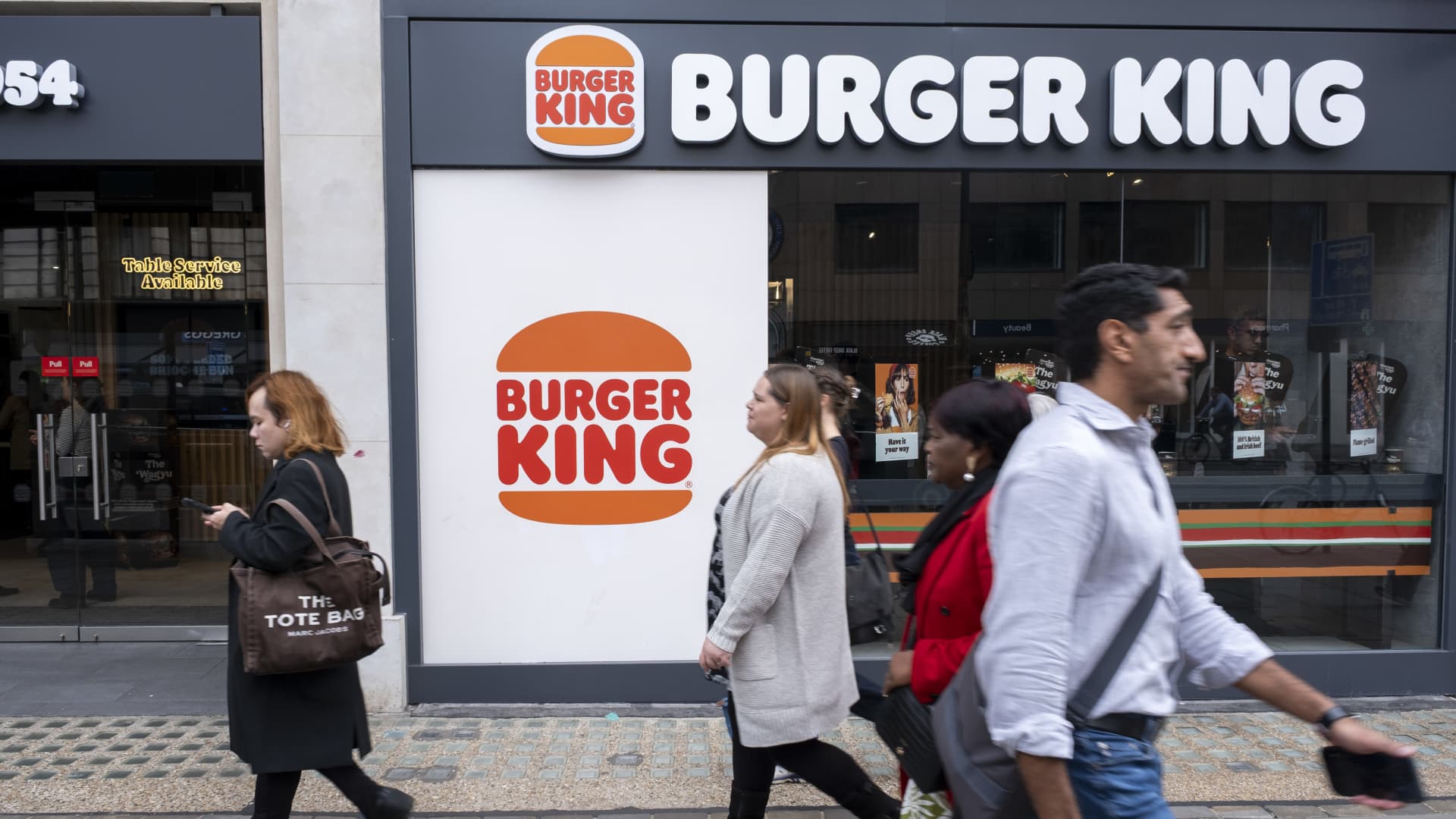
Restaurant chains are undergoing a significant strategic shift, moving beyond mere price-based ‘value’ propositions to prioritize enhanced food quality as a core driver of customer loyalty and sales growth. This pivotal change reflects a broader industry recognition that discerning diners, having grown pickier, demand superior taste and product integrity, compelling even market leaders to innovate their menus. This deep dive into corporate growth strategies illuminates why this renewed focus is critical for sustained market leadership and franchisee profitability.
🗝️ Corporate Strategy Insights
- Strategic Pivot from Price to Product. Restaurants are moving beyond just ‘value meals’ to emphasize better ingredients and recipes as the primary draw for increasingly selective diners.
- Proven Turnaround Mechanism. Companies like Domino’s and Burger King demonstrate that significant menu improvements, coupled with transparent marketing, can reverse sales declines and drive substantial growth.
- Competitive Differentiator. Enhancing existing strengths, even for high-performing chains like Chili’s and Chipotle, allows for deeper market penetration and shields against rivals.
The restaurant industry is witnessing a profound recalibration of corporate strategy, as executives acknowledge that price-centric ‘value’ alone is insufficient to sustain growth in a competitive and consumer-skeptical environment. Data from Black Box Intelligence indicates a trend of less frequent dining and greater selectivity among consumers over the last two years. This has prompted a pivot towards investing in culinary innovation, with chief executives now tasking their corporate chefs to develop superior menu items, extending the definition of value to encompass taste and quality. This shift is not merely about attracting new customers but also about bolstering franchisee profitability and securing long-term expansion, as noted by industry leaders from Wendy’s to Chipotle.
Several prominent chains are implementing ambitious turnaround plans centered on this refreshed approach to food quality. Wendy’s, facing seven consecutive quarters of same-store sales declines, has made ‘quality food at real value’ a cornerstone of its five-part recovery strategy. This includes testing enhancements to core items like thicker bacon, creamier Frosties, and whole-leaf lettuce, aiming to unlock significant value beyond a recent $1.4 billion takeover bid, CNBC reported. Similarly, Burger King, under the leadership of Restaurant Brands International CEO Josh Kobza, has revamped its Whopper with a better bun and new mayonnaise, and overhauled its nuggets to 100% white meat with crispier breading. These improvements have demonstrably boosted sales, with Whopper sales up double-digits and nugget sales climbing over 35% in the third quarter, driving an 8.4% jump in U.S. same-store sales. This echoes the successful playbook of Domino’s Pizza, which in 2009 dramatically changed its recipe, leading to a 9.9% surge in U.S. same-store sales growth the following year, according to its investor relations.
Even chains with robust performance are not resting on their laurels, recognizing that continuous improvement in food quality is a crucial competitive advantage. Chili’s, which has enjoyed a 52% same-store sales increase over the past three years, is further enhancing its menu by dry-aging beef for improved tenderness, despite higher costs, as CEO Kevin Hochman told CNBC. Applebee’s is also prioritizing protein enhancements, launching a juicier chicken tender and planning further overhauls in 2027. McDonald’s, despite its market dominance, is testing hand-breaded wings and strips, alongside improving its coffee offerings with fresher beans and upgraded equipment to seize growth opportunities in fast-growing categories beyond its traditional beef burgers. The burger giant’s U.S. same-store sales notably fell 0.2% in the third quarter, highlighting the universal pressure to innovate.
Crucially, the success of these menu enhancements hinges on operational excellence. McDonald’s, for example, has launched ‘Make It Golden,’ a multiyear training program for corporate and restaurant staff, emphasizing that superior recipes require consistent, high-quality execution to truly resonate with consumers. This integrated approach to product development and operational efficiency is vital for converting recipe improvements into tangible sales growth and customer satisfaction.
- Key Takeaway: The re-emphasis on food quality is a comprehensive strategic shift, blending product innovation with operational rigor to redefine ‘value’ for the modern consumer, moving beyond mere discounting to intrinsic product superiority.
The Strategic Ripple Effect of Culinary Innovation
This industry-wide pivot towards elevated food quality creates a profound strategic ripple effect. Companies that successfully execute this strategy are likely to experience increased customer traffic and higher average checks, translating directly into enhanced revenue and stronger margins. The initial investment in R&D, ingredient sourcing, and staff training (Product Improvement → Operational Efficiency → Enhanced Customer Experience → Increased Sales & Market Share).
For competitors, this trend mandates a reactive posture. Chains unable or unwilling to invest in their menu quality risk losing market share to more innovative rivals. This could lead to a bifurcation in the market, where brands known for superior taste capture a premium, while those clinging to price-only strategies face sustained pressure on traffic and profitability. The improved offerings from Burger King have already demonstrated market share gains, compelling other fast-food giants to re-evaluate their own core menu items, as seen with McDonald’s recent moves into chicken and coffee. This competitive dynamic ultimately raises the bar for all players, fostering an environment where culinary innovation becomes a key battleground for corporate growth in the broader restaurant industry, impacting everything from supply chain negotiations to marketing budgets.
‘The renewed focus on food quality represents a critical recalibration of the restaurant industry’s value proposition. It’s a strategic recognition that in a mature market, true differentiation stems from product superiority and consistent execution, not just price.’
Key Performance Indicators from Menu Enhancements
- Domino’s Pizza (2009-2010 Turnaround):
- U.S. Same-Store Sales Growth: 9.9% (following recipe changes)
Why it matters: Demonstrates direct correlation between product quality improvements and significant sales uplift.
- Burger King (Q3 Recent Performance):
- Whopper Sales Increase: Double-digit percentage
- Nugget Sales Increase: Over 35%
- U.S. Same-Store Sales Jump: 8.4%
Why it matters: Recent data validates the immediate positive impact of core menu overhauls on key sales metrics.
- McDonald’s (Q3 Recent Performance):
- U.S. Same-Store Sales Decline: 0.2%
Why it matters: Highlights the vulnerability of even market leaders to competitive pressures and the necessity of strategic innovation.
Wendy’s Strategic Analysis: The Turnaround Imperative
Wendy’s recent rejection of a $1.4 billion takeover bid, led by Nelson Peltz’s Trian Partners, underscores its conviction in an internally driven turnaround strategy, where food quality is a central pillar. Facing persistent same-store sales declines, the company’s decision to focus on fundamental menu improvements—such as crispier bacon and richer Frosties—is a high-stakes bet. This strategy aims to reignite consumer interest by directly addressing core product appeal, rather than relying solely on promotional pricing. For Wendy’s, success in this endeavor is paramount not just for stemming current declines but for validating its independent growth trajectory and unlocking latent shareholder value, offering a compelling case study for companies navigating similar challenges in competitive sectors.
Burger King Competitive Advantages: Learning from the Past
Burger King’s recent success in revamping its core menu items, particularly the Whopper and nuggets, showcases a shrewd application of lessons learned from past industry turnarounds. By strategically recruiting executives from Domino’s Pizza, a company renowned for its candid and effective product overhaul, Burger King is effectively leveraging proven expertise. This focused approach on fundamental food quality improvements, coupled with transparent marketing highlighting past customer feedback, positions Burger King to reclaim market share. This strategy reinforces its competitive advantage by elevating the perceived value of its offerings, potentially creating a significant differentiation point in the highly commoditized fast-food burger segment.
The Food Quality Imperative: Defining Future Restaurant Leadership
The restaurant industry’s pivot back to food quality is more than a fleeting trend; it represents a fundamental re-evaluation of how value is created and sustained in a mature market. Companies that champion this shift are poised to redefine market leadership by appealing to evolving consumer preferences for superior product experiences.
- This strategic redirection prioritizes culinary innovation and consistent execution over aggressive discounting, aiming for deeper customer loyalty.
- Early results from Burger King and historical success from Domino’s demonstrate the significant revenue growth potential inherent in improving core menu items.
- Operational efficiency in executing new recipes is as crucial as the innovation itself, requiring substantial investment in training and supply chain optimization.
Will this renewed focus on taste and quality drive a lasting era of profitable growth, or will market pressures eventually force a return to price-led competition?
📊 StockXpo Analyst’s View
Market Impact: This broad strategic shift toward food quality is likely to reallocate consumer spending within the restaurant sector. Investors should anticipate increased R&D and marketing expenditures from chains vying for culinary superiority, potentially impacting near-term margins but promising stronger long-term brand equity and customer lifetime value. Companies that can articulate a clear, executable plan for menu enhancement, backed by verifiable sales uplifts, will likely see positive investor sentiment, influencing stock markets and investment analysis dynamics. As reported by leading financial news outlets, this shift is influencing market valuations. Conversely, those perceived as lagging could face downward pressure. For a deeper dive into market trends and educational insights, explore StockXpo’s expert analysis.
Sector To Watch: The ‘Casual Dining’ and ‘Quick Service Restaurant’ (QSR) sectors are prime candidates for significant shifts. Chains with strong operational capabilities and adaptable supply chains are best positioned to capitalize on this trend. Furthermore, food ingredient suppliers and restaurant technology providers that can enable seamless recipe implementation and quality control will likely experience increased demand. This highlights a broader trend in corporate growth strategies across various industries, according to analyses from business intelligence firms, consumer preferences are definitively trending towards quality.
Financial Disclaimer:
StockXpo.com is a financial news aggregator and educational portal, not a registered investment advisor or broker-dealer. All information, news, and analysis provided herein are strictly for educational purposes and do not constitute investment, financial, legal, or tax advice. Investing in the stock market involves high risks, and past performance is not indicative of future results. StockXpo will not be liable for any financial losses or investment damages. Always consult a certified financial advisor before making market decisions.
MORE IN INSIDE BUSINESS

Thanksgiving Miles Surge 32%: Airlines’ Dynamic Pricing Strategy Redefines Loyalty
Published: Sunday, November 8, 2026 · 8:25 AM

Cosm’s Immersive Screenings Drive Growth in Premium Entertainment
Published: Saturday, November 7, 2026 · 9:49 AM


